

Why Organic Clay Pebbles Are Gaining Ground in Industrial Growth Media
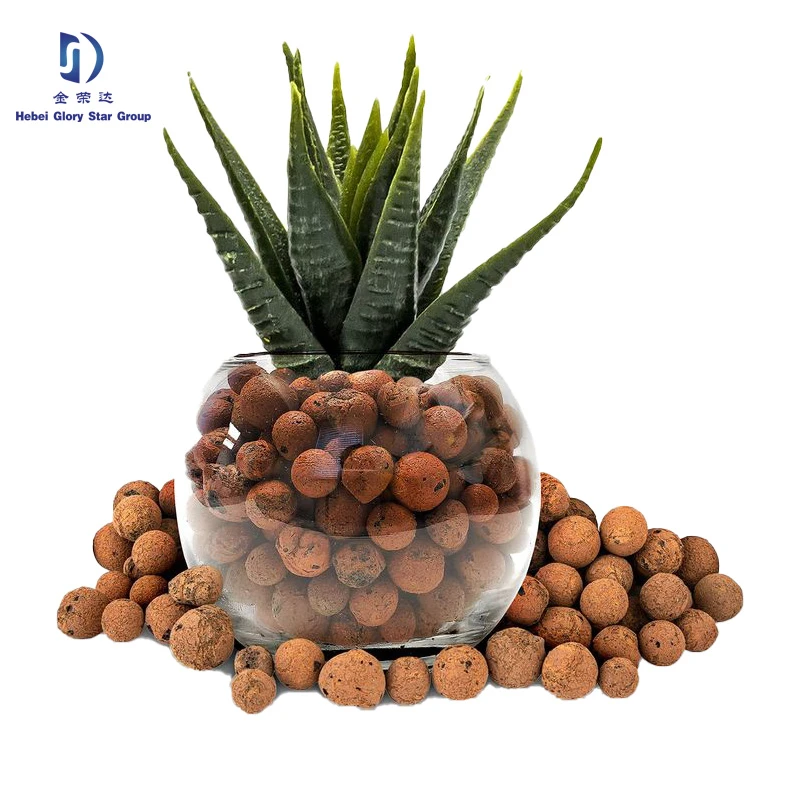
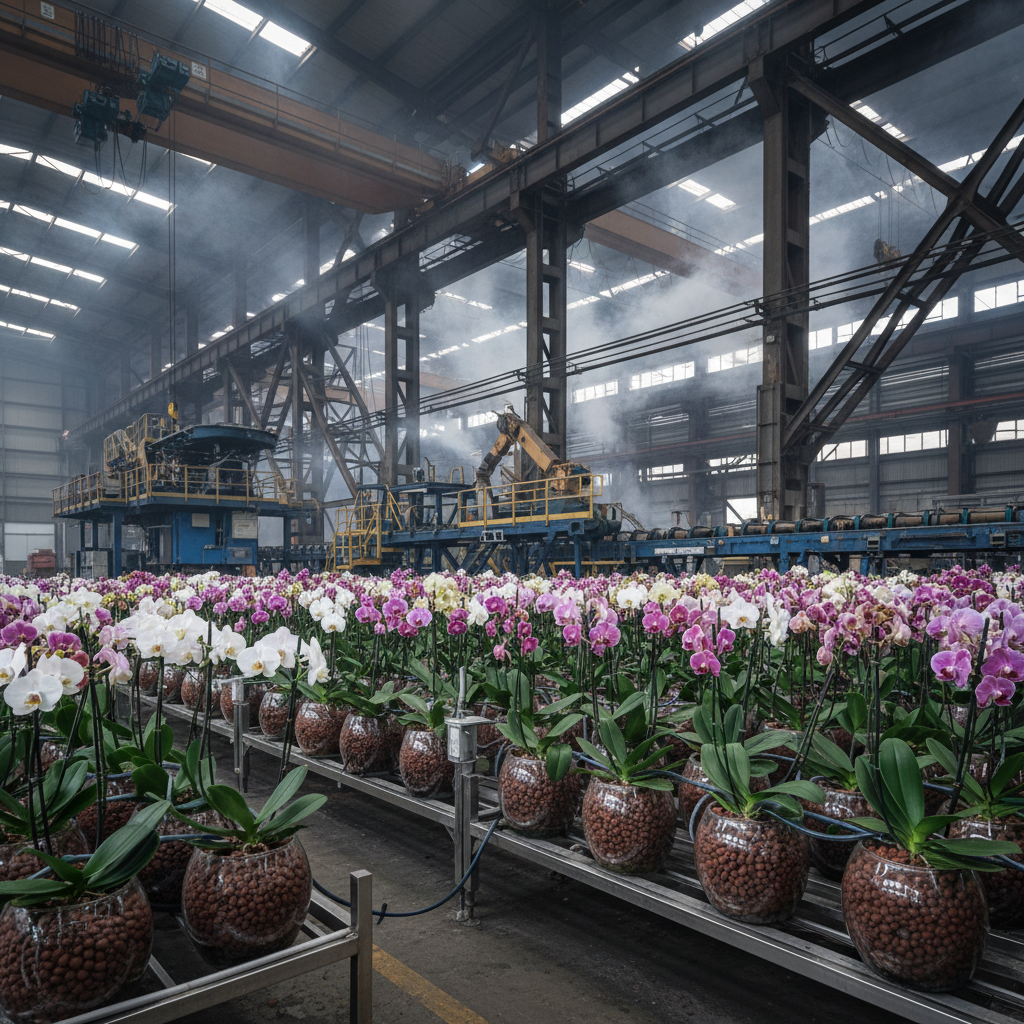
Having clocked years in the industrial equipment sector, I’ve seen firsthand how materials that seem simple at first can actually change the game. Take organic clay pebbles, for example. At first glance, they’re just small, round, baked pellets, but their impact in hydroponics and soilless cultivation is anything but small.
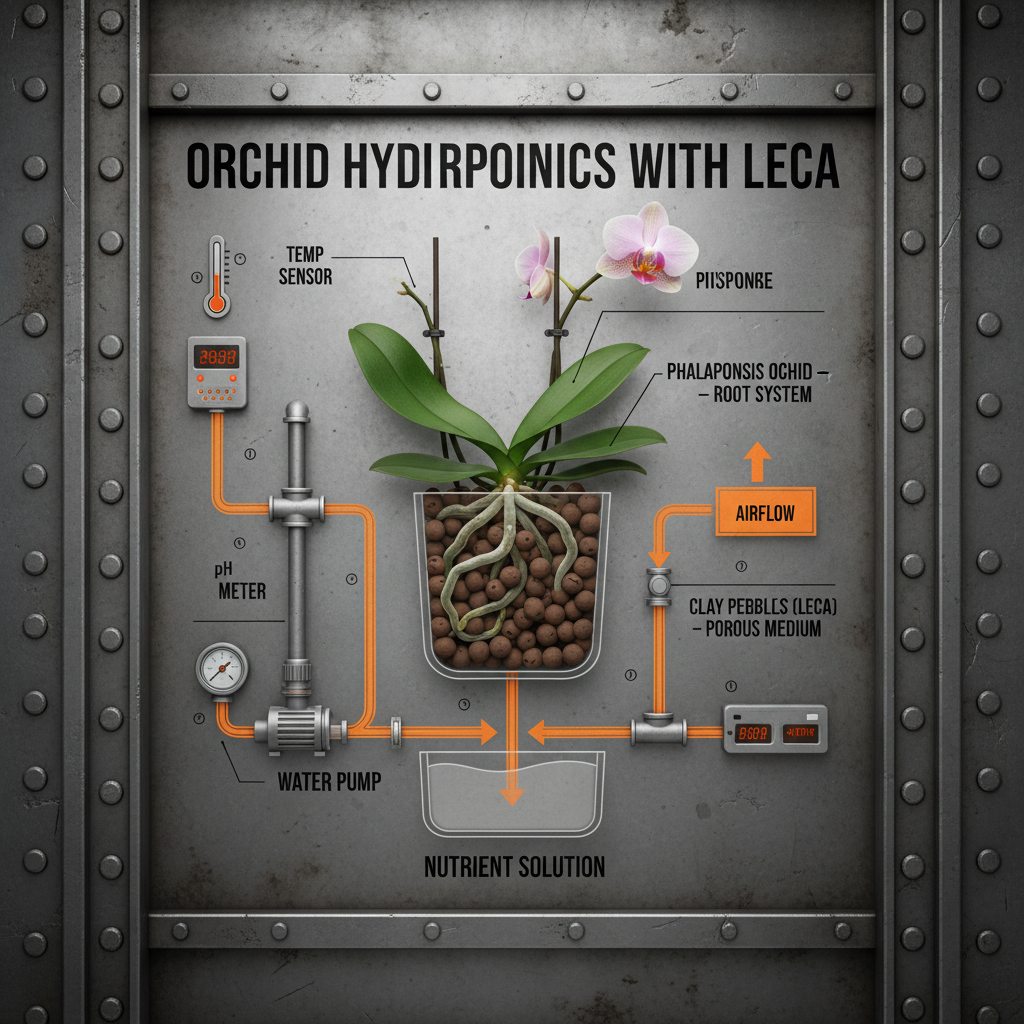
Oddly enough, despite their humble look, clay pebbles tick off a lot of boxes engineers and growers care about. They’re lightweight yet sturdy, with excellent porosity — meaning roots get just the right balance of air and water, which frankly, can make or break plant health. And because they’re natural, they don’t leach harmful chemicals, which is a relief in an age of increasing sustainability demands.
From my experience, one of the things that sets organic clay pebbles apart is the manufacturing rigor. Not all clay pebbles are created equal: some companies use denser clays baked at higher temperatures, resulting in better durability and longer lifecycle. It feels like a minor detail, but you’ll notice the difference when pebbles don’t crush or clog easily over multiple crop cycles.
In real terms, this robustness means less downtime and fewer replacements. In one project I worked on, a grower switched to these higher-grade clay pebbles and saw their cycle times improve because root oxygenation was more consistent. It’s a subtle effect but highly appreciated by engineers managing tight climate-controlled environments.
| Feature | Value |
|---|---|
| Material | Natural expanded clay |
| Particle size | 8-16 mm diameter |
| Bulk density | 350-450 kg/m³ |
| pH level | 6.5 - 8.5 (neutral to slightly alkaline) |
| Water absorption | 15-20% |
| Sustainability | 100% natural, recyclable |
One thing I keep hearing from colleagues in R&D is how customizable these clay pebbles can be. You can tweak size ranges and even surface roughness depending on crop type or irrigation systems. Of course, this kind of specificity isn’t always available from all vendors — which brings me neatly to a quick comparison.
| Vendor | Particle Size (mm) | Porosity % | Customization | Typical Use |
|---|---|---|---|---|
| Glorystar Export | 8-16 | 40-45 | Size & texture tailoring | Hydroponics, aeroponics |
| Vendor A | 6-12 | 35-40 | Limited | General hydroponics |
| Vendor B | 10-18 | 45-50 | No customization | Nurseries, hobby growers |
In the end, the choice often comes down to this: are you looking for a simple, reliable substrate, or do you need that extra edge with tailored specs and proven consistency? From my personal dealings, suppliers like Glorystar Export, who focus on customization and quality control, tend to get the nod in industrial applications.
I remember visiting a vertical farm where the manager swore by their switch to high-grade organic clay pebbles — with fewer root diseases and better water efficiency reported. Not exactly headline stuff, but these incremental improvements really add up over seasons.
So, if you’re considering organic clay pebbles for your system, my advice is to dig a little deeper into specs and sourcing. These are materials that silently set the stage for crop success — no flashy features, but vital performance.
And yeah, it feels like a small part of the puzzle, but that’s often how the best industrial solutions work: quietly, reliably, and efficiently.
References:
- “Hydroponic Substrates and Their Effects on Plants,” Journal of Agricultural Engineering, 2021.
- Personal discussions with growers and engineers, 2022-23.
- Glorystar Export product datasheets and customer testimonials.
Post time: Jan-05-2026


.png "About")