

Floating Clay Pebbles: A Practical Choice for Industrial Growing Media
Having spent more than a decade working closely with various industrial growing substrates, I’ve developed a real appreciation for floating clay pebbles. They might sound niche or even a little mundane at first, but their versatility and performance often surprise even seasoned engineers and growers alike.
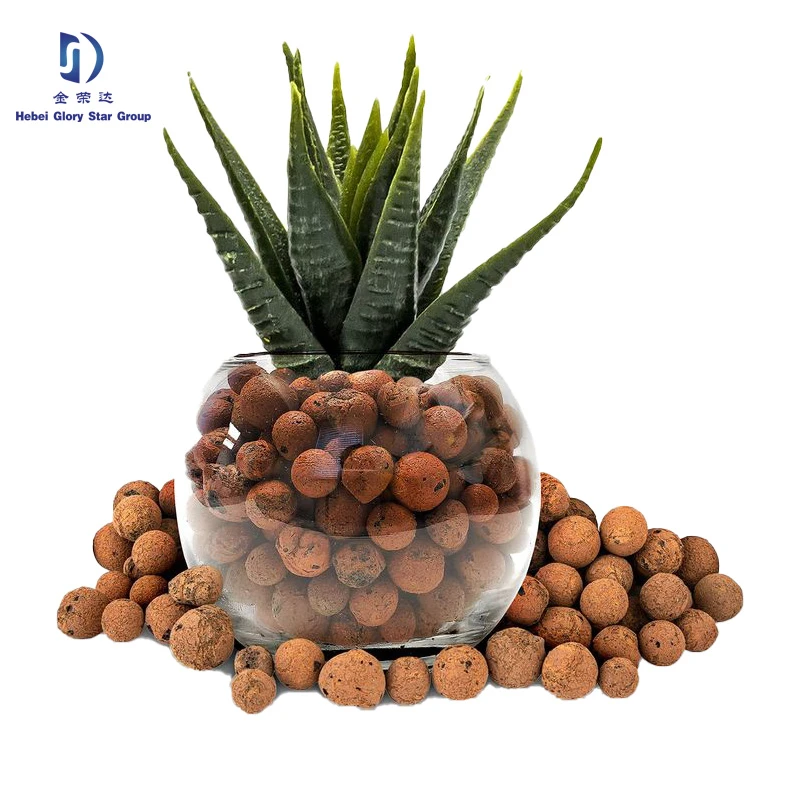
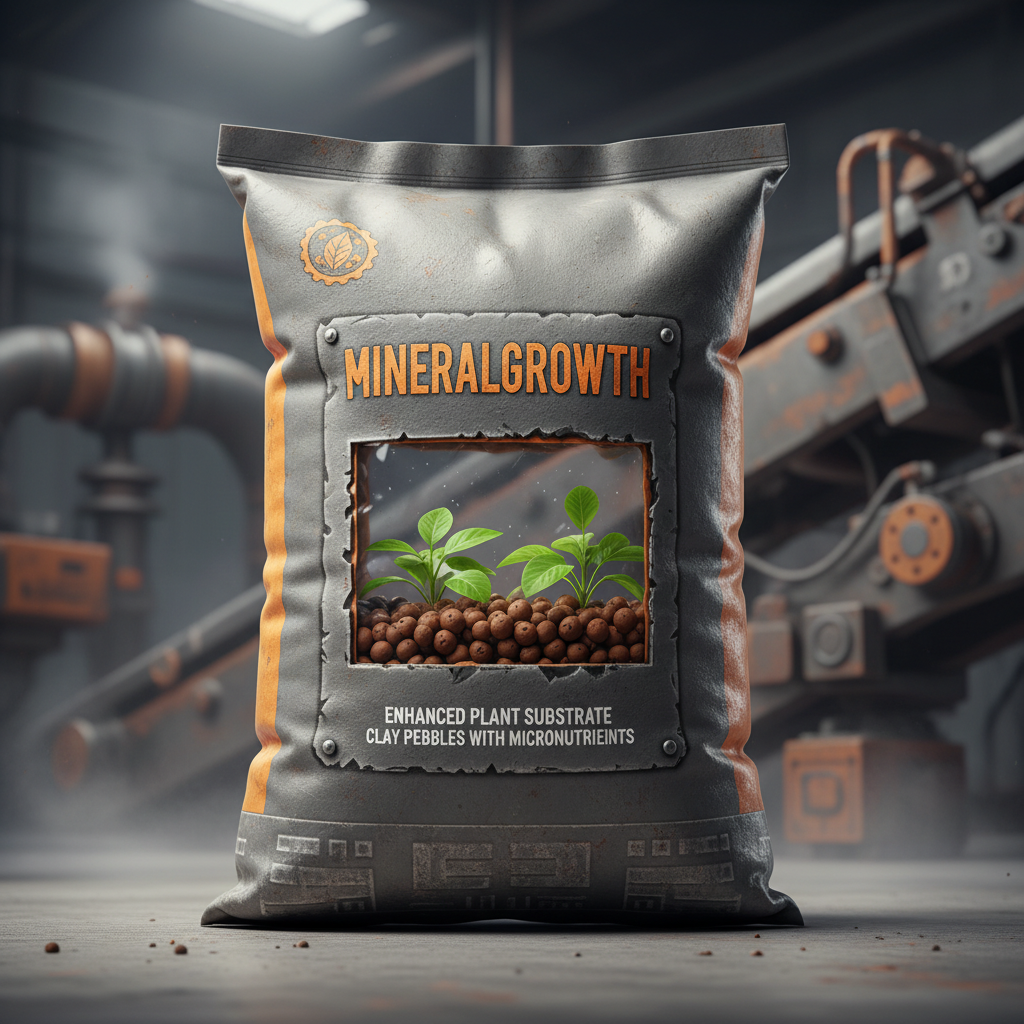
Floating clay pebbles, also known as expanded clay aggregates, are small, lightweight, and porous spheres typically made by heating natural clay to high temperatures. This process creates a highly durable structure that retains moisture but also allows excellent aeration, which frankly is critical in hydroponic and aquaponic setups.
What I find interesting — if not a bit unexpected — is how these pebbles remain buoyant when immersed in water. That property isn’t just an oddity; it opens up specific industrial applications such as floating wetland systems or certain filtration setups where settling media can clog or slow processes.
In real terms, floating clay pebbles offer a pretty neat balance: they’re inert enough not to alter water chemistry, yet provide a large surface area for beneficial microbes. This dual action improves plant rooting environments significantly while reducing harmful algae buildup, a common headache in hydroponics.
Quick Specs of Typical Floating Clay Pebbles
| Parameter | Specification |
|---|---|
| Material | Natural clay, expanded by firing at ~1200°C |
| Size Range | 4-16 mm diameter (varies by vendor) |
| Bulk Density | ~500-700 kg/m³ |
| Water Retention | 40-60% by volume |
| pH | Neutral to slightly alkaline (7.0-8.5) |
| Floatability | Buoyant; floats on water surface |
Now, I’m aware that not all floating clay pebbles are created equal. Some vendors prioritize consistent sizes while others focus on purity or firing techniques that influence strength. Over the years, I’ve sampled quite a few products. One thing I’ve noticed is the subtle but important differences in how they behave in specific systems—for example, some tend to disintegrate faster under constant agitation, which frankly can cause headaches downstream.
To give you a clearer picture, here’s a comparison of three well-known suppliers we often evaluated in my past projects:
| Feature / Vendor | Glorystar Export | ClayTech Solutions | AquaPebble Inc. |
|---|---|---|---|
| Size Uniformity | Very consistent (4-12 mm) | Moderate variation (3-15 mm) | Wide range (2-16 mm) |
| Durability | Excellent under agitation | Good, occasional breakdown | Fair, prone to fragmentation |
| Bulk Density | ~520 kg/m³ | ~600 kg/m³ | ~700 kg/m³ |
| pH Range | Neutral 7.0-7.8 | Slightly alkaline 7.5-8.3 | Alkaline 7.8-8.5 |
| Price per Ton | $350 - $400 | $300 - $350 | $280 - $320 |
Interestingly enough, I recall a project five years ago where we swapped out a cheaper brand for floating clay pebbles from Glorystar Export. The upstream filtration in that hydroponic system became both more efficient and required far less frequent maintenance. The operators kept praising the reduction of clogged pumps and improved oxygenation — it was a solid reminder that sometimes, investing a bit more upfront pays off in real-world operations.
To sum up, if you’re involved in hydroponics, aquaponics, or any floating substrate applications, don’t overlook the humble floating clay pebble. It’s one of those industrial details that quietly makes the process smoother. Pick quality, consider your system’s needs, and maybe test sample batches before committing — you might be surprised how noticeable the difference can be.
Oh, and if you need a reliable source with tested consistency, I’d check out Glorystar Export. They’ve been a staple in the sector for a good while and really know their stuff.
Well, that’s my two cents from years in the trenches with this stuff. If you’re curious about the manufacturing process, I recall one plant visit where the firing chambers crept up to 1200°C — witnessing the transformation firsthand was... something else. From humble clay to a durable, buoyant growing medium — the magic of industrial tech, right?
Always happy to share more if there’s interest.
Sources & Further Reading:
- “Expanded Clay Aggregate in Hydroponics” - Journal of Agricultural Engineering, 2018
- Glorystar Export Product Specifications, 2024 Edition
- Personal field visits and consultation reports, 2014-2023
Post time: Jan-05-2026


.png "About")