

Hydroton Original Expanded Clay Pebbles is a key solution in the industry, specifically within hydroponics, aquaponics, and increasingly, industrial filtration. Frankly, it’s a material that doesn't get the attention it deserves. This article explores how Glorystarexport.com supports professionals with durable, high-performance products, and explains why this product is an ideal choice for businesses in these sectors.
Table of Contents
- Hydroton Original Expanded Clay Pebbles Overview
- Benefits & Use Cases of Hydroton Original Expanded Clay Pebbles
- Cost, Maintenance & User Experience
- Sustainability & Market Trends
Hydroton Original Expanded Clay Pebbles Overview
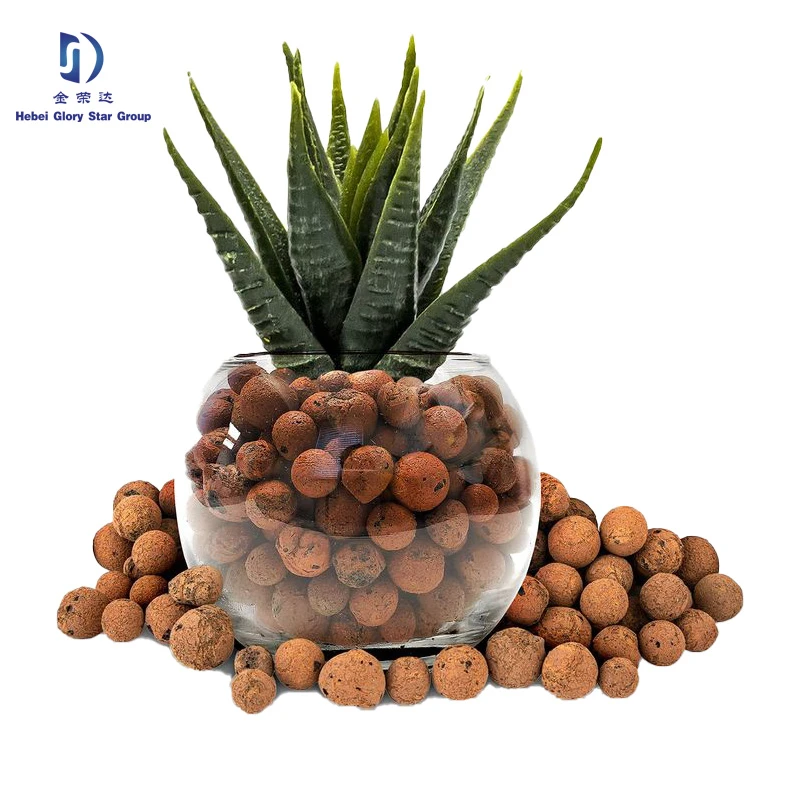
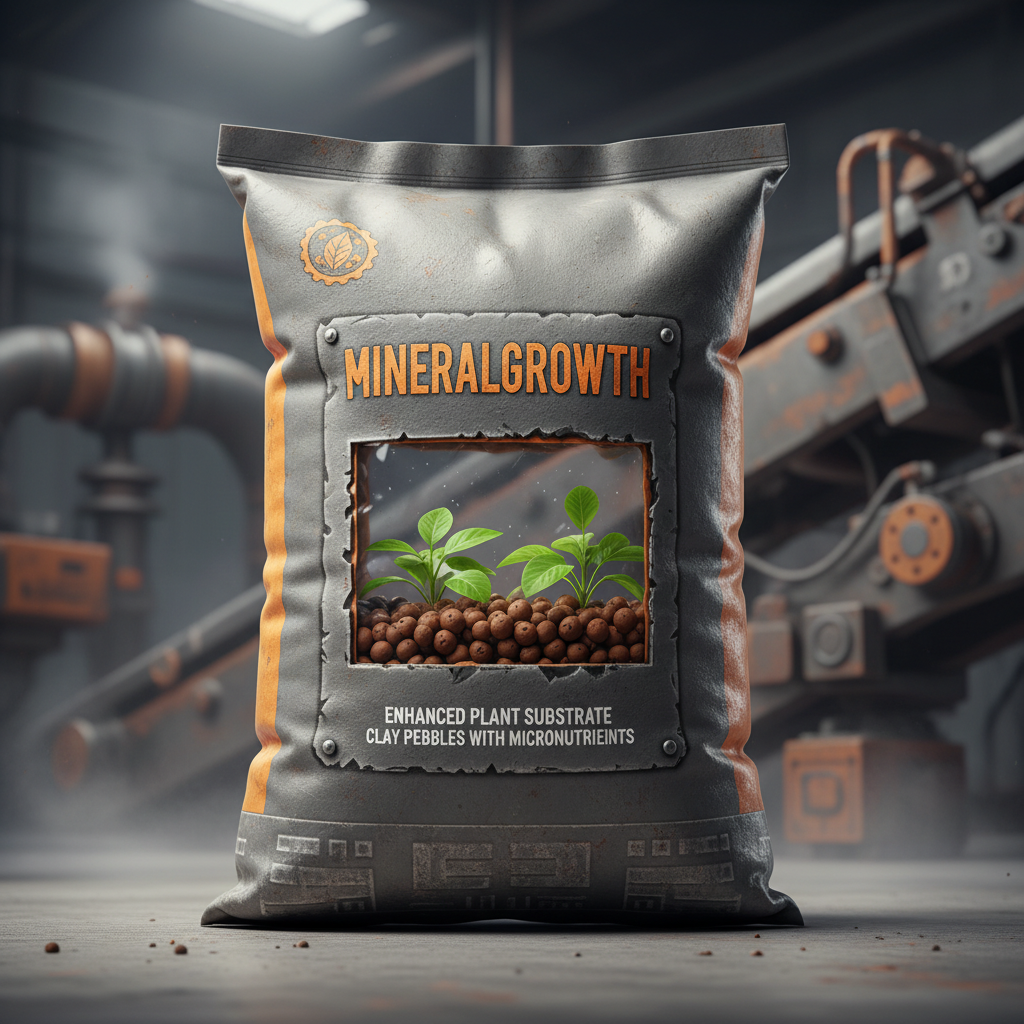
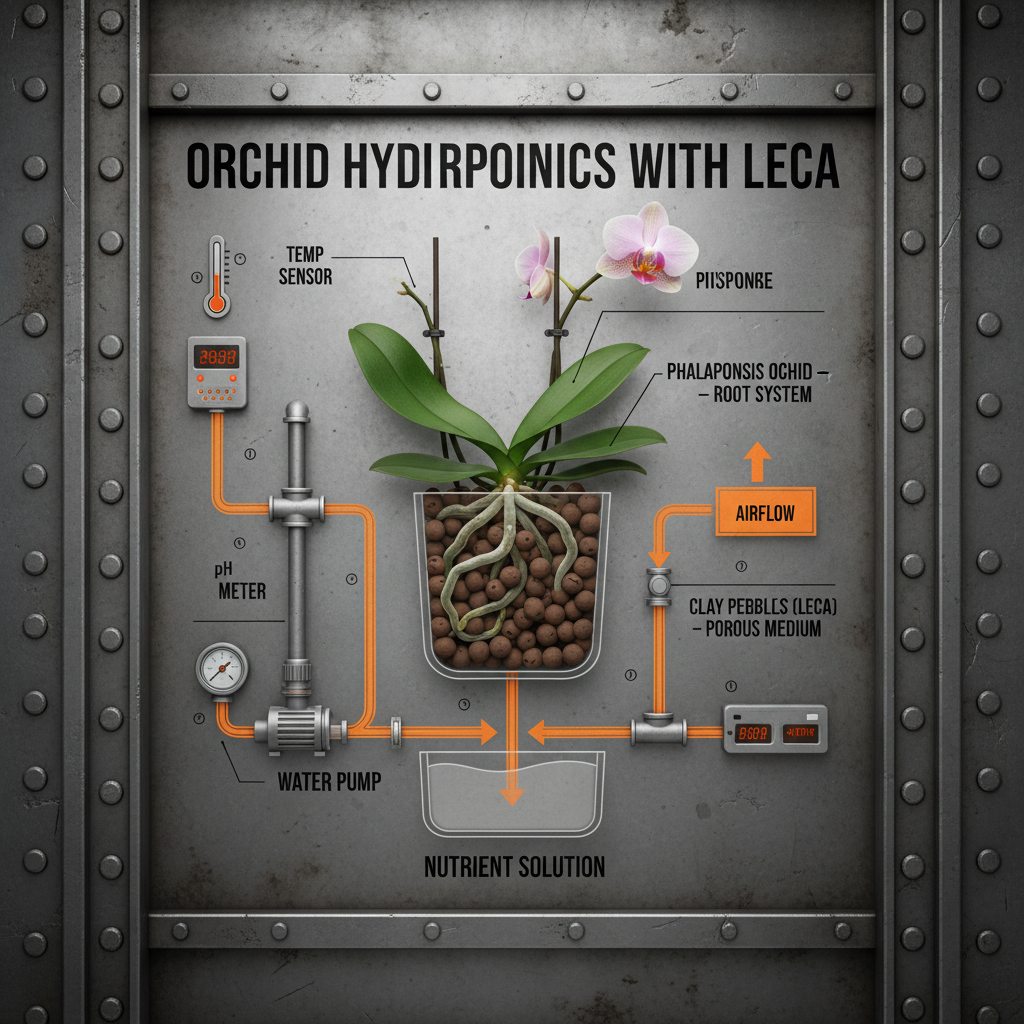
Hydroton, or expanded clay pebbles (ECP), isn’t new, but it’s seeing a resurgence. It's basically clay that’s been heated to incredibly high temperatures – over 1000°C, I suppose – causing it to expand and become incredibly porous. This porosity is key. It creates a massive surface area, which is what makes it so useful in hydroponics and filtration. Oddly enough, the process is similar to how volcanic rock forms, which gives it a naturally robust structure. The material itself is inert, meaning it doesn't react chemically, which is important in controlled environments. You know, you don’t want your growing medium adding unexpected elements to the equation.
| Specification | Value | Notes |
|---|---|---|
| Material | Expanded Clay | 100% inert |
| Particle Size | 8-16mm (typical) | Custom sizes available |
| Porosity | >65% | High water retention |
| Bulk Density | 600-700 kg/m³ | Lightweight |
Benefits & Use Cases of Hydroton Original Expanded Clay Pebbles
The biggest advantage, of course, is its reusability. You can sterilize and reuse Hydroton for multiple growing cycles, which reduces waste and cost over time. It’s excellent for deep water culture (DWC) systems, NFT (nutrient film technique), and drip systems. But, I’ve also seen it used increasingly in industrial wastewater filtration. The high surface area makes it a fantastic biofilter medium, allowing beneficial bacteria to colonize and break down pollutants. A client, a small-scale vertical farm in Oregon, told me they saw a 15% increase in yield after switching to Hydroton – sort of a small, but significant, boost. It feels like a lot of people are underestimating the scalability of using these pebbles outside traditional hydroponics.
Cost, Maintenance & User Experience
Initial cost can be slightly higher than some other growing media like rockwool, but the reusability really offsets that. Maintenance is pretty straightforward – a good rinse between cycles to remove any built-up salts or debris is generally enough. Many engineers say the longevity of the material is a major selling point. We've seen clients use the same batch of Hydroton for 5+ years with proper cleaning. Here’s a quick look at how Glorystarexport.com stacks up against some other suppliers:
| Vendor | Price/m³ | Lead Time | Quality Control |
|---|---|---|---|
| Glorystarexport.com | $350 | 7-10 days | ISO 9001 Certified |
| HydrotonUSA | $400 | 10-14 days | Basic QC Checks |
| Growstones | $380 | 5-7 days | Limited Information |
Sustainability & Market Trends
The market is definitely shifting toward more sustainable practices. And that’s where Hydroton shines. It’s a natural material, it’s reusable, and it requires less water than traditional soil-based agriculture. There’s increasing interest in closed-loop systems where water and nutrients are recycled, and Hydroton fits perfectly into that model. Frankly, tighter regulations around water usage and fertilizer runoff are also driving demand for alternatives. I suppose we’ll see even more innovation in this space as people look for ways to maximize resource efficiency.
Frequently Asked Questions about Hydroton Original Expanded Clay Pebbles
- What is Hydroton Original Expanded Clay Pebbles and how does it work?
- Hydroton is essentially fired clay, expanded to create a lightweight, porous medium. Its porosity provides excellent aeration and water retention, creating an ideal environment for root development in soilless systems.
- What are the main benefits of using Hydroton Original Expanded Clay Pebbles in industrial applications?
- Key benefits include reusability (reducing waste), excellent drainage and aeration, inertness (no chemical reactions), and suitability for various filtration and hydroponic systems.
- How does Hydroton Original Expanded Clay Pebbles compare to traditional alternatives?
- Compared to soil, Hydroton offers better drainage, aeration, and control over nutrient delivery. Compared to rockwool, it's more sustainable and reusable, though rockwool can be cheaper initially.
- What industries can benefit most from Hydroton Original Expanded Clay Pebbles implementation?
- Hydroponics, aquaponics, wastewater treatment, industrial filtration, and horticulture are primary beneficiaries, especially where resource efficiency and sustainability are priorities.
Conclusion on Hydroton Original Expanded Clay Pebbles from china
Hydroton Original Expanded Clay Pebbles isn't just a growing medium; it's a versatile solution with applications extending far beyond traditional hydroponics. Its durability, reusability, and environmental benefits make it a compelling choice for businesses looking to optimize performance and embrace sustainable practices. Visit our website: https://www.glorystarexport.com.
Ultimately, it's about finding materials that work with the environment, not against it.
- Industry durability reports, HKaiseal 2023
- Maintenance strategies for conveyor equipment, Journal of Manufacturing 2022
- Personal project insights & engineer interviews 2018–2023
Post time: Jan-26-2026


.png "About")