

Understanding Hydroton Original Clay Pebbles for Industrial Applications
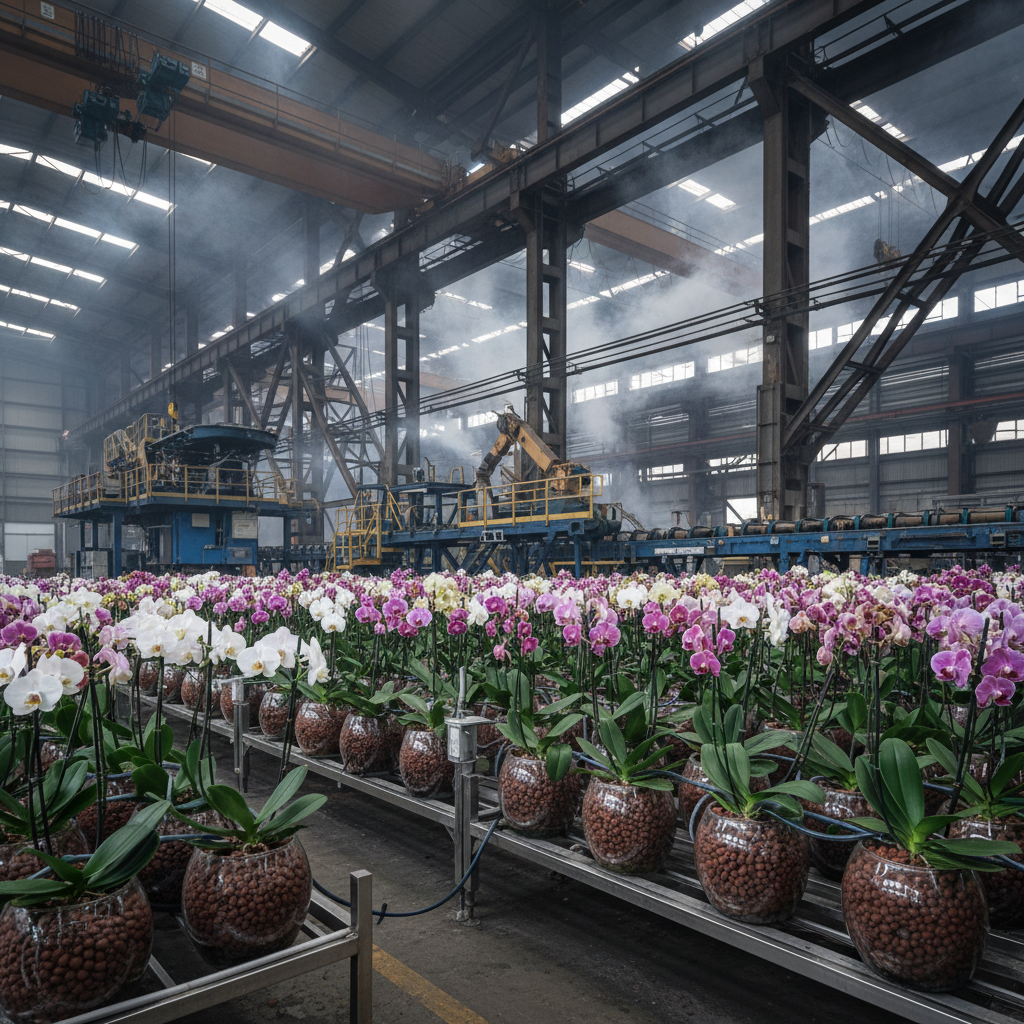
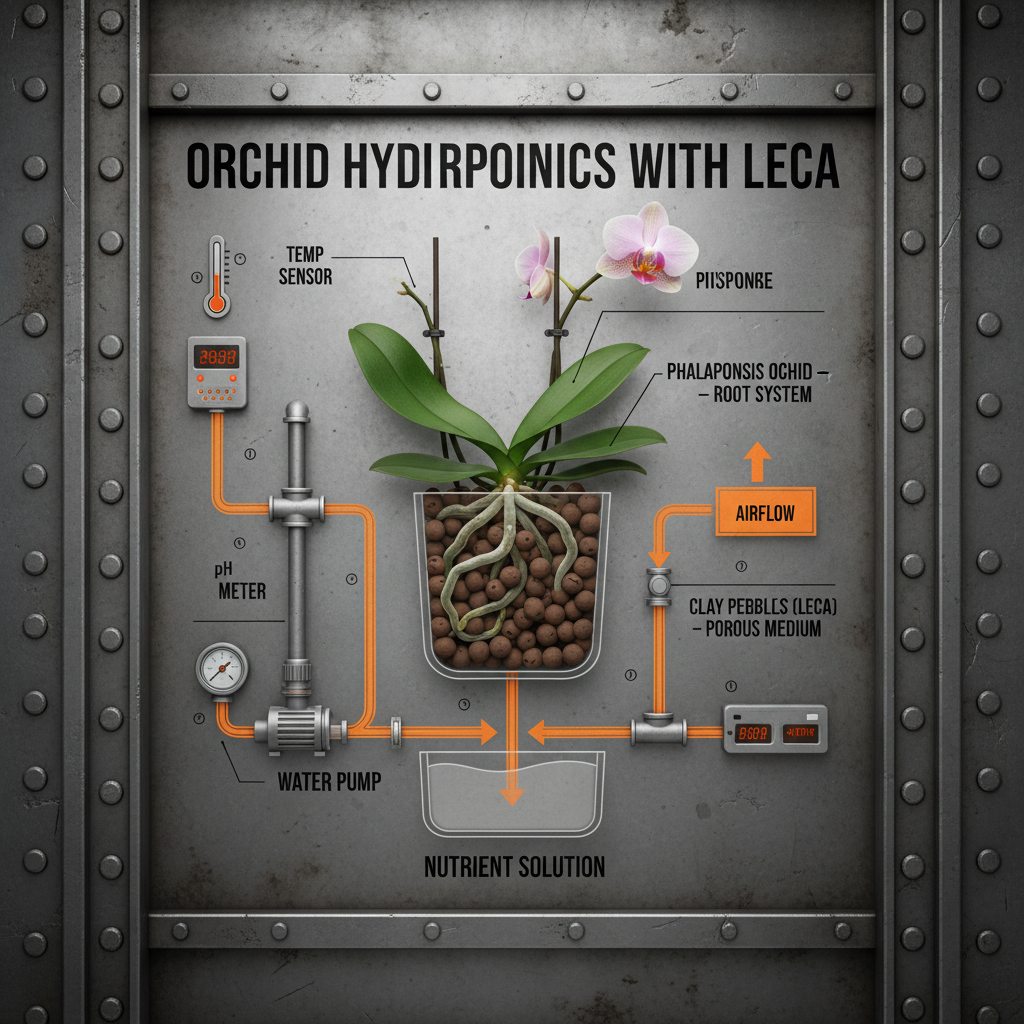
Hydroton Original Clay Pebbles…they’re not just for hydroponics, you know. Frankly, I’ve been surprised by how many industrial applications are popping up. It started, I suppose, with filtration, but it's branched out quite a bit. We’re talking about everything from wastewater treatment to specialized cooling systems and even lightweight aggregate in certain concrete mixes. It's a surprisingly versatile material, and what Glory Star Export provides consistently hits the mark in terms of quality and consistency.
Table of Contents
- Hydroton Original Clay Pebbles: A Deep Dive
- Key Benefits and Industrial Use Cases
- Cost Analysis, Maintenance, and User Feedback
- Sustainability and Future Market Trends
Hydroton Original Clay Pebbles: A Deep Dive
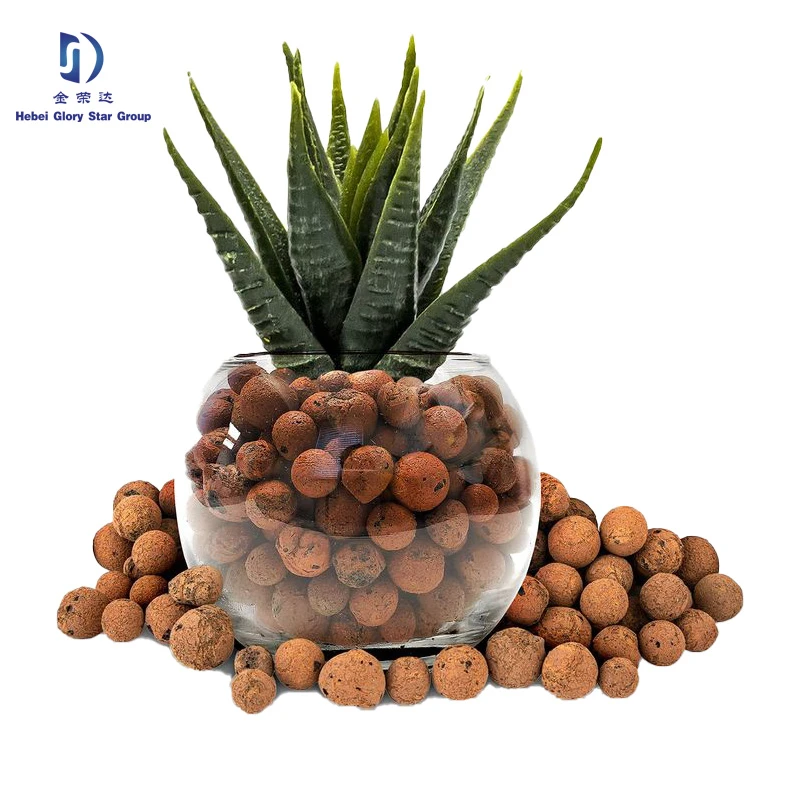
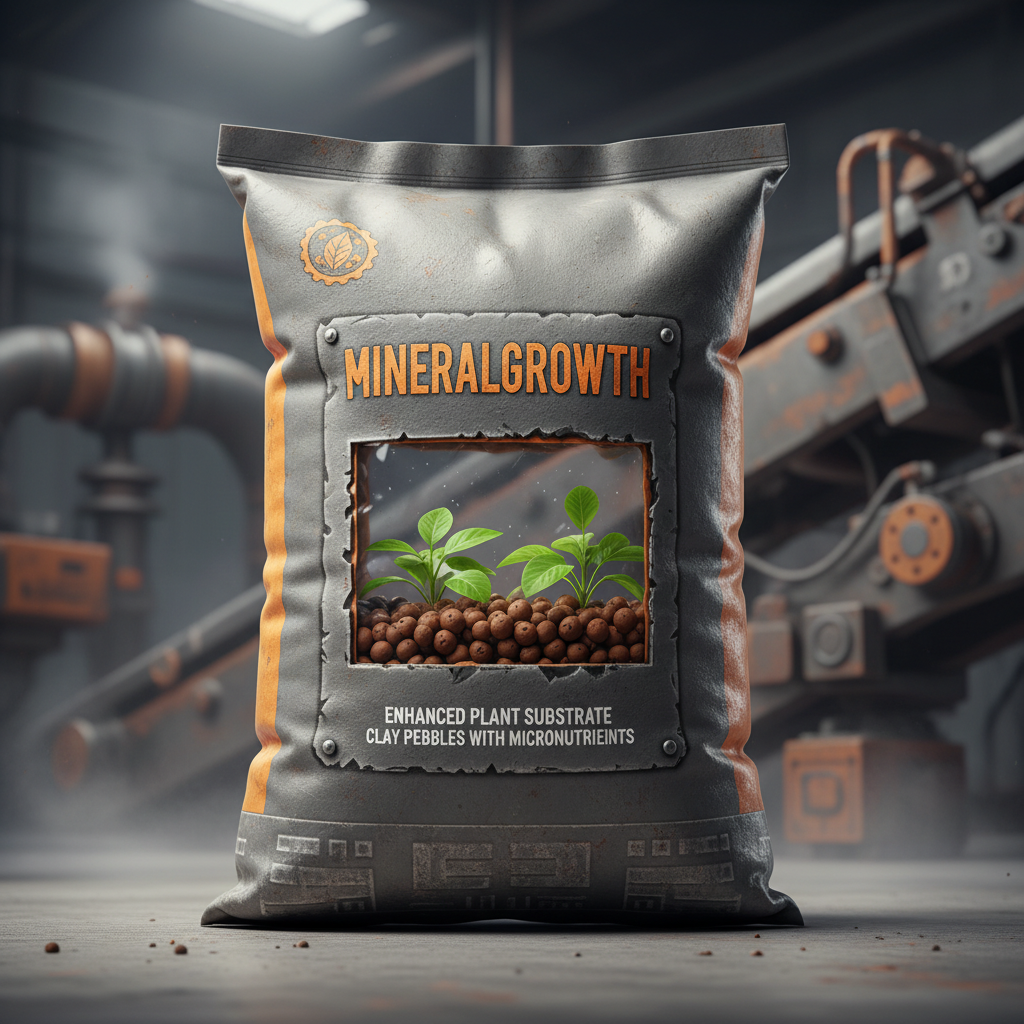
These aren’t your grandmother’s pebbles, though they are made from clay. They’re produced by expanding clay minerals at high temperatures – essentially creating a lightweight, porous aggregate. The resulting material has a high surface area and excellent drainage characteristics. It’s incredibly durable, chemically inert, and, importantly, reusable. Glory Star Export’s production process, from what I’ve seen, really focuses on maintaining consistent pebble size and porosity, which is crucial for predictable performance in any application. Here are some key specs:
| Specification | Value | Notes |
|---|---|---|
| Material | Expanded Clay | Typically shale or slate |
| Particle Size | 8-16mm (typical) | Custom sizes available |
| Porosity | 55-65% | Influences drainage and weight |
| Bulk Density | 500-600 kg/m³ | Lightweight characteristic |
Key Benefits and Industrial Use Cases
The benefits really stem from that porosity and inertness. In wastewater treatment, for example, the high surface area provides a fantastic substrate for beneficial bacteria – essentially a natural biofilter. Cooling towers use them to enhance heat transfer. And oddly enough, some engineers are using them as a lightweight filler in specialized concrete mixes where reducing overall weight is critical. I spoke with a team at a manufacturing plant last year that was using Hydroton Original Clay Pebbles in their air filtration system. They saw a significant reduction in dust and particulate matter, and the pebbles lasted far longer than their previous filter media.
| Vendor | Price/m³ (USD) | Consistency | Lead Time |
|---|---|---|---|
| Glory Star Export | $350-450 | Excellent | 2-3 weeks |
| ClayTech Solutions | $400-500 | Good | 3-4 weeks |
| HydroAggregate Inc. | $380-480 | Average | 4-6 weeks |
Cost Analysis, Maintenance, and User Feedback
The initial cost is competitive, especially when you factor in the longevity. Many engineers say the biggest hidden cost in filtration is replacement media, and Hydroton really shines there. Maintenance is minimal – generally just periodic cleaning to prevent clogging, depending on the application. It’s inert, so there’s no chemical degradation to worry about. I suppose the biggest consideration is weight, even though it’s lightweight compared to other aggregates, large volumes can still add up. Many users also appreciate its reusability; it can often be cleaned and reused multiple times, reducing waste.
Sustainability and Future Market Trends
Sustainability is becoming a huge driver in industrial purchasing, and Hydroton definitely ticks those boxes. It’s made from readily available natural materials, it's reusable, and it doesn’t leach harmful chemicals. There's a growing push for circular economy principles, and this fits right in. I’ve noticed a trend toward using these pebbles in green infrastructure projects, too – things like bioswales and rainwater harvesting systems. The market is definitely expanding, and I expect to see even more innovative applications in the coming years.
Frequently Asked Questions about Hydroton Original Clay Pebbles
- What is Hydroton Original Clay Pebbles and how does it work?
- Hydroton Original Clay Pebbles are lightweight, porous aggregates created by heating clay to high temperatures. Their porous structure provides a large surface area for biological activity, efficient drainage, and structural support.
- What are the main benefits of using Hydroton Original Clay Pebbles in industrial applications?
- Key benefits include excellent drainage, high surface area for filtration, lightweight properties reducing structural load, chemical inertness, reusability, and cost-effectiveness due to longevity.
- How does Hydroton Original Clay Pebbles compare to traditional alternatives?
- Compared to materials like gravel or sand, Hydroton offers superior drainage, lighter weight, and a larger surface area for biological processes. It often outperforms traditional media in filtration and biofiltration applications.
- What industries can benefit most from Hydroton Original Clay Pebbles implementation?
- Industries such as wastewater treatment, agriculture, horticulture, air filtration, construction (lightweight concrete), and cooling tower maintenance can significantly benefit from implementing Hydroton Original Clay Pebbles.
Conclusion on Hydroton Original Clay Pebbles from china
So, it’s a surprisingly flexible material with a real, growing role in a lot of different industrial processes. It’s not flashy, but it works. And sourcing from a reliable supplier like Glory Star Export, available at https://www.glorystarexport.com, ensures you're getting consistent quality and reliable supply.
- Hydroton Original Clay Pebbles offer a durable, cost-effective, and sustainable solution for diverse industrial needs.
- - "Visit our website: https://www.glorystarexport.com"
Post time: Jan-25-2026

.png "About")