

The Rising Importance of Extra Coarse Vermiculite: Why It Matters Globally
It’s funny how something as unassuming as extra coarse vermiculite can quietly underpin key industrial and humanitarian efforts worldwide. This naturally occurring mineral — exfoliated into lightweight, fluffy flakes — might not be headline news, but understanding its uses and benefits is like finding a hidden ace in the deck when dealing with insulation, agriculture, or disaster relief. Globally, this material's applications touch on environmental sustainability, economic efficiency, and practical problem-solving, making it worth a closer look.
Why Extra Coarse Vermiculite Holds Global Relevance
According to UN data on sustainable materials and the World Bank’s environmental resources index, materials like extra coarse vermiculite play a pivotal role in reducing carbon footprints across multiple industries. Frankly, with increasing calls for more eco-friendly building and agricultural inputs, vermiculite's lightweight, insulating, and moisture-retaining properties make it a go-to resource. The challenge it addresses is straightforward: delivering cost-effective, safe solutions that scale globally without devastating the environment.
A lot of industrial players — from construction firms in Asia to agriculture suppliers in Africa — incorporate various grades of vermiculite. But the extra coarse vermiculite grade, in particular, stands out because of its enhanced physical characteristics that meet demands traditional materials don’t.
Quick takeaway: Extra coarse vermiculite bridges the gap between sustainability and functionality in a rapidly evolving industrial landscape.
What Exactly Is Extra Coarse Vermiculite?
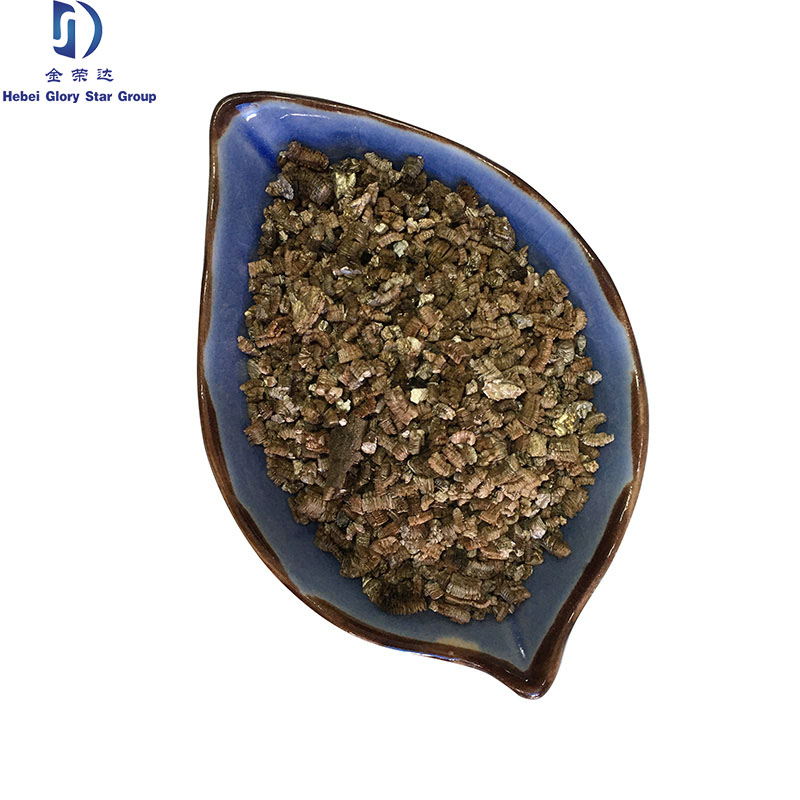
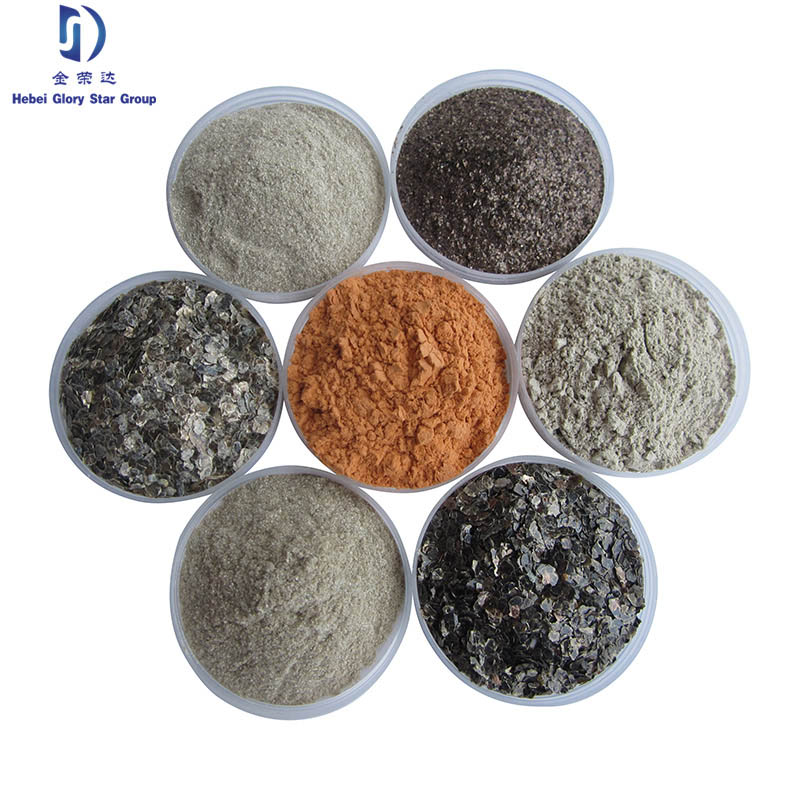
In simple terms, vermiculite is a hydrated laminar magnesium-aluminum-iron silicate mineral. When heated rapidly, it “pops” and expands — much like popcorn — creating a pancake-like, extremely lightweight aggregate. The “extra coarse” variety means that the flakes are larger, thicker, and bulkier than fine or medium grades, typically about 4-10 mm in size.
This variation lends itself well to specialised uses where durability and airflow are key — whether that’s in horticulture pots, industrial insulation panels, or lightweight concrete mixes. Its porous nature also gives it remarkable moisture retention, a factor that engineers and gardeners alike appreciate.
It’s really this unique combination of size and properties that connects it with modern industrial needs and even helps humanitarian organizations manage resources more effectively.
Mini takeaway: Extra coarse vermiculite is like the tough, chunky sibling in the vermiculite family — perfect when you need volume and resilience.
Core Attributes of Extra Coarse Vermiculite
1. Thermal Insulation
Unlike other fillers, extra coarse vermiculite provides exceptional thermal insulation thanks to trapped air within its flakes. Many insulation experts swear by it for passive cooling and fireproofing, especially in modest constructions.
2. Lightweight Strength
The density remains very low, roughly 80-120 kg/m³, yet it offers surprising mechanical stability when mixed into composites, reducing strain on building frames.
3. Moisture Retention & Aeration
In horticulture, the microniche spaces between large flakes hold water without suffocating roots, balancing moisture with oxygen flow.
4. Chemical Inertness
Extra coarse vermiculite doesn’t react adversely with fertilizers, acids, or alkaline materials, maintaining integrity in industrial uses.
5. Fire Resistance
Many engineers highlight vermiculite’s non-combustive nature, making it invaluable for safety in construction and transportation sectors.
6. Scalability & Cost Efficiency
Since vermiculite is abundant in regions like South Africa and Brazil, sourcing extra coarse grades can be both practical and economical, particularly when recycled or responsibly mined.
| Specification | Typical Value | Unit |
|---|---|---|
| Flake Size | 4-10 | mm |
| Bulk Density | 85-120 | kg/m³ |
| Moisture Content | 2-5 | % |
| Thermal Conductivity | 0.06-0.08 | W/m∙K |
| pH Value | 6.5-8.0 | Neutral to Slightly Alkaline |
Recap: These traits make extra coarse vermiculite versatile, not some one-trick pony.
From Farmland to Factories: Global Applications of Extra Coarse Vermiculite
Its global footprint is expansive though quietly humming in industry niches:
- Agriculture & Horticulture: Used in soil conditioners and potting mixes, especially in greenhouses in Europe and North America, where extra coarse grades boost aeration.
- Construction: Applied as lightweight filler and fireproofing insulation in India and Australia’s housing projects.
- Mining & Metallurgy: Acts as a packing material to insulate around molten metals, predominantly in South American industrial plants.
- Disaster Relief & Humanitarian Use: In post-disaster shelters, extra coarse vermiculite-infused boards provide quick, fire-safe, and insulating wall panels.
- Packaging & Transport: Its shock absorbency makes it ideal for fragile electronics shipped across volatile climates.
For instance, NGOs operating in East Africa have adopted extra coarse vermiculite in temporary housing solutions given its light weight and insulating capabilities — enabling faster deployment without sacrificing shelter quality.
Summary: From remote farms to urban factories, vermiculite quietly supports diverse, essential sectors worldwide.
Why Should You Care About Its Advantages & Long-Term Value?
Okay, let’s get straight: it’s practical, sustainable, and — oddly enough — a feel-good material in many ways.
- Cost Savings: Cheaper than synthetic alternatives, and reduces energy demand for heating or cooling.
- Environmental Impact: Non-toxic, natural, and recyclable, helping companies hit sustainability goals.
- Social Responsibility: Enhances habitat safety in poorer regions with no heavy chemical byproducts.
- Long-Term Reliability: Resistant to mold, decay, and chemical breakdown — lasting decades.
- Trust and Innovation: Many engineering teams report lower failure rates using vermiculite blends — a quiet nod to its reliability.
On an emotional level, it’s sort of reassuring to know that a humble mineral can uphold safety and dignity for people relying on basic infrastructure. In real terms, it’s innovation working silently behind the scenes.
Takeaway: Extra coarse vermiculite isn't just a material — it's a strategic asset for long-term success.
Looking Ahead: Trends and Innovations in Vermiculite Use
The future looks green. In the context of climate concerns and Industry 4.0, a few trends stand out:
- Bio-based Composites: Combining vermiculite with plant-based resins for ultra-light insulation panels.
- Sustainable Mining Practices: ISO standards pushing eco-friendly extraction, ensuring long-term supply.
- Digital Quality Control: Automation in grading vermiculite sizes tailored to specific industrial needs.
- Energy-Efficient Construction: Integrating vermiculite blocks with smart sensors to optimize thermal regulation.
There’s also growing interest in using extra coarse vermiculite in green roofs and urban farming—combining sustainability with urban development challenges.
Mini takeaway: Innovation, sustainability, and tech together will redefine how vermiculite is produced and used.
Challenges and How Experts Are Overcoming Them
Of course, no material is flawless. Vermiculite mining can risk asbestos contamination if not properly managed. Also, inconsistent flake sizing or moisture content may cause quality issues.
Experts recommend rigorous testing protocols, ISO-certified supply chains, and blending vermiculite with other minerals to tailor performance. Some companies even invest in training local miners to ensure safe extraction practices.
Plus there's transportation overhead — bulky volumes mean higher freight costs unless sourced regionally.
That said, improving supply chain transparency and embracing digital logistics are helping mitigate these headaches.
Summary: Challenges exist but thoughtful innovation and standards are keeping vermiculite reliable.
FAQ About Extra Coarse Vermiculite
- What is the difference between extra coarse vermiculite and regular vermiculite?
- The main difference lies in flake size and bulk density. Extra coarse vermiculite has larger flakes (about 4-10 mm) which provides better insulation, moisture retention, and structural strength compared to finer grades.
- How long can extra coarse vermiculite last in construction applications?
- When installed properly, extra coarse vermiculite can last decades without significant degradation. It resists mold, fire, and chemical breakdown, making it highly durable for insulation and fireproofing.
- Is extra coarse vermiculite safe for agricultural uses?
- Yes, it's non-toxic and chemically inert, making it a popular amendment in potting mixes to improve aeration and moisture retention without harming plants or soil biota.
- Can I import extra coarse vermiculite internationally for industrial use?
- Yes. Many vendors comply with international standards and offer export-ready packaging. It's important to verify product certifications like ISO and ensure proper customs documentation.
- What industries benefit most from using extra coarse vermiculite?
- Construction, agriculture, mining, and packaging industries rely heavily on this material for insulation, soil conditioning, molten metal protection, and shock absorption.
Conclusion
So, to wrap it all up, extra coarse vermiculite is this quietly powerful mineral that’s woven into the fabric of many global industries — from agriculture to disaster relief. Its unique properties offer a blend of sustainability, safety, and cost-effectiveness that few materials can match. Whether you’re a construction engineer, a horticulturist, or part of an NGO distributing emergency shelters, knowing how to leverage extra coarse vermiculite might just give you a real edge.
Visit Glory Star Export today to explore high-quality options for your needs!
| Vendor | Origin | Typical Bulk Density (kg/m³) | Grades Available | ISO Certification |
|---|---|---|---|---|
| Glory Star Export | South Africa | 90-115 | Fine, Medium, Extra Coarse | ISO 9001 |
| Mineral Supplies Ltd. | Brazil | 85-120 | Medium, Extra Coarse | ISO 14001 |
| Global Vermiculite Co. | China | 80-105 | Fine, Extra Coarse | ISO 9001, ISO 45001 |
In a world that constantly demands smarter, greener, and more reliable materials, extra coarse vermiculite is quietly proving its mettle... well, its flakes, really. Time to keep an eye on this “quiet giant” of the mineral world!
References:
Post time: Dec-13-2025
.png "About")