
The Growing Importance of Loose Vermiculite in Industry and Beyond
Loose vermiculite may not be headline news for most, but this lightweight, expandable mineral plays a surprisingly vital role worldwide — from construction and agriculture to disaster relief logistics. Its unique properties unlock a wealth of opportunities for industries aiming to balance cost, sustainability, and efficiency. Understanding loose vermiculite, therefore, isn’t just about raw materials; it’s about harnessing a sustainable resource with global reach and impact.
Globally, vermiculite production touches many sectors, and as economies lean into green technologies and resilient infrastructures, the demand for loose vermiculite seems poised to grow. But why exactly? And how can this mineral help solve some persistent challenges? Let’s dive in.
Introduction: Why Loose Vermiculite Matters on a Global Scale
Vermiculite is extracted across multiple continents, with major producers in the United States, South Africa, and China contributing to over 70% of the world’s supply. The United Nations and International Standards Organization (ISO) classify it as a non-toxic, fire-resistant mineral with superb insulation qualities — ideal for thermal and acoustic insulation in buildings. In fact, as construction standards tighten for environmental impact, loose vermiculite offers a sustainable alternative to synthetic materials.
But here's the catch: conventional insulation materials often falter in extreme climates or disaster-prone zones. Loose vermiculite’s natural flame resistance and moisture retention properties directly address these problems, making it a game changer. It’s being incorporated not only in homes and greenhouses but also in emergency shelters and even military-grade protective packaging.
Mini takeaway: Loose vermiculite isn’t just a filler; it’s part of the solution to global challenges like insulation efficiency, fire safety, and sustainable agriculture.
What Exactly Is Loose Vermiculite?
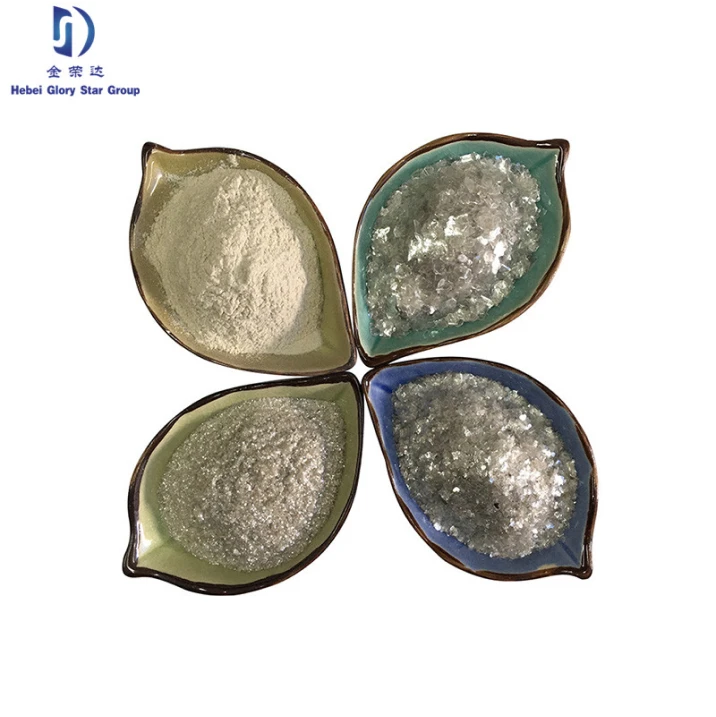
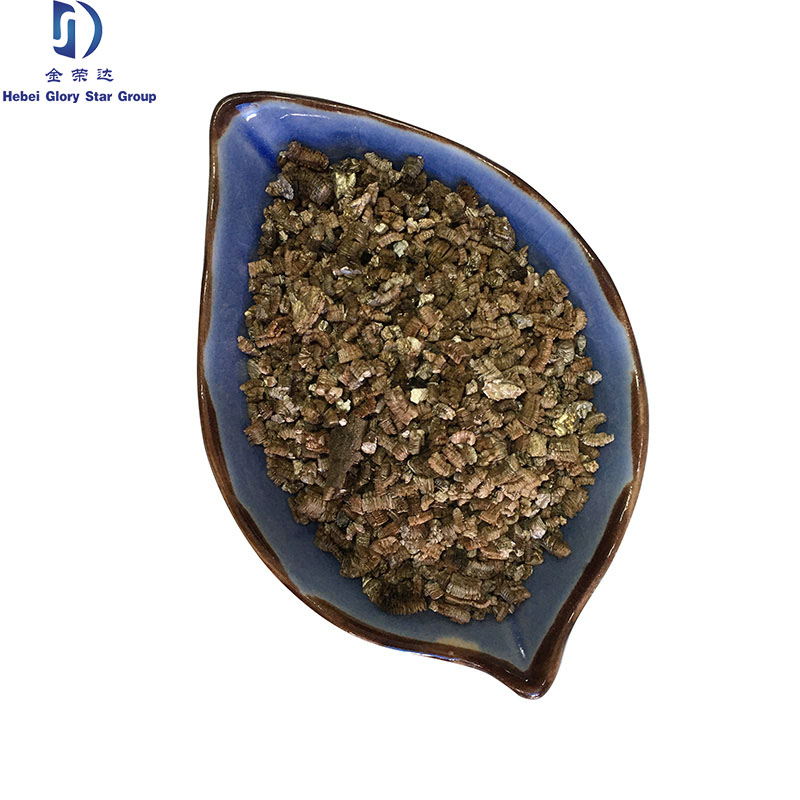
In simple terms, loose vermiculite is a naturally occurring mineral layered with mica-like sheets. When heated, it expands (or exfoliates), turning into a soft, lightweight, and highly porous material. Imagine popping popcorn, but for minerals. These tiny expanded flakes trap air, lending the material fantastic insulation and moisture management properties.
Industrially, it’s sourced in bulk and distributed loose rather than in pellets or sheets, which allows for easy handling and versatile use. Beyond industrial applications, this material supports humanitarian needs: for example, in loose-fill insulation to help rebuild poor housing or as soil conditioners in drought-prone regions.
Key Features that Make Loose Vermiculite Indispensable
1. Exceptional Thermal Insulation
Loose vermiculite can handle temperatures above 1000°C without breaking down. This makes it invaluable in fireproofing insulation and refractory concrete. Many engineers swear by it in furnace linings and as a protective layer in construction projects.
2. Lightweight yet Durable
Despite its fluffiness, vermiculite offers remarkable compressive strength, which means it supports weight without crushing — a perfect combo that lends itself well in packaging fragile or heavy machinery parts.
3. Moisture Retention and Aeration
In agriculture, loose vermiculite better retains both water and nutrients, while also improving soil aeration — very handy for gardeners and farmers working in drought or nutrient-poor soils.
4. Fire and Chemical Resistance
Its natural mineralogical structure provides passive fire resistance without degrading in chemical environments, so it meets many safety standards relevant for industrial usage.
5. Cost Efficiency and Availability
Thanks to widespread deposits and simple processing, loose vermiculite remains an affordable solution globally, especially compared to synthetic insulators.
Mini takeaway: These combined characteristics are why loose vermiculite keeps being favored over synthetic alternatives for thermal, agricultural, and packaging needs.
Global Applications and Real-World Use Cases
- Construction and Insulation: Used extensively in Europe and North America for ceiling tiling, loose-fill insulation, and lightweight concrete.
- Agriculture: In arid regions of Africa and Asia, loose vermiculite helps enhance soil water retention — a boon for subsistence farmers.
- Emergency Relief: In post-disaster scenarios like earthquakes and floods, loose vermiculite aids rapid construction of temporary shelters by providing safe, insulating, and fire-retardant fill.
- Industrial Packaging: Protecting delicate components across manufacturing plants worldwide, it’s a trusted packing material that cushions yet keeps weight low.
For instance, in remote industrial zones of South Africa, a mining company uses loose vermiculite to insulate control rooms exposed to intense heat — a simple but effective fix that saves on costly air conditioning. Meanwhile, NGOs rally around its use to create safer, more durable emergency housing materials.
Mini takeaway: Loose vermiculite’s versatility crosses sectors and borders — from greenhouses in Europe to refugee camps in Asia.
Advantages and Long-Term Value Proposition
It's not just physical properties — quite genuinely, loose vermiculite adds emotional weight to projects too. There’s comfort in knowing your building materials resist fires. There’s dignity for farmers whose crops survive drought thanks to better soil. And trust, when manufacturers package delicate equipment with care.
Some standout benefits include:
- Economic savings: Lower energy costs from better insulation.
- Environmental sustainability: Non-toxic, recyclable, and reducing demand on synthetic insulators.
- Health and safety: Minimizes mold growth and fire risks.
- Social impact: Enables safer, more resilient housing and agriculture.
All in all, its physical and emotional benefits create a strong case for increasing investment and awareness.
Specification Table: Typical Loose Vermiculite Grades
| Grade | Particle Size (mm) | Bulk Density (kg/m³) | Moisture Content (%) | Application |
|---|---|---|---|---|
| Fine | 0.5 - 1.0 | 80 - 120 | 2 - 5 | Seedling cultivation, potting mixes |
| Medium | 1.0 - 3.0 | 100 - 150 | 3 - 7 | Loose-fill insulation, agricultural soil amendments |
| Coarse | 3.0 - 10.0 | 150 - 230 | 5 - 10 | Industrial packaging, fireproofing |
Comparing Top Vendors of Loose Vermiculite
| Vendor | Origin | Typical Quality Grade | Sustainability Initiatives | Average Price (per ton) |
|---|---|---|---|---|
| Glory Star Export | South Africa | Premium Medium coarse | Eco-friendly mining, recycling support | $280 |
| Global Minerals Inc. | USA | Fine to Medium | Sustainable processing, ISO certification | $310 |
| Orient Vermiculite | China | Coarse Grade | Low emissions mining efforts | $250 |
Looking Ahead: Future Trends in Loose Vermiculite Use
Several trends are shaping the future of loose vermiculite:
- Green Construction: Increasing focus on zero-carbon buildings drives adoption of vermiculite as a sustainable insulation material.
- Smart Packaging: Integration with biodegradable composites for safer, eco-friendly industrial transport packaging.
- Soil Remediation: Developing engineered vermiculite blends to detoxify polluted soils and support urban agriculture.
- Automation in Mining & Processing: Robotics and AI to improve extraction efficiencies and reduce environmental footprints.
The pace of innovation means vermiculite’s potential uses will continue to expand — it’s kind of exciting to see.
Challenges and How the Industry is Tackling Them
Despite the benefits, loose vermiculite faces some hurdles. Variability in quality due to differing mine sources complicates standardization efforts — especially for high-spec industrial needs. Processing costs and dust control during transportation also remain concerns.
Producers are responding by investing in more rigorous quality control, adopting ISO-aligned testing, and improving packaging solutions that reduce dust and improve handling safety.
Additionally, better market education on the mineral’s benefits helps customers understand its value beyond just price — a subtle but important shift.
FAQ: Common Questions About Loose Vermiculite
- What are the main benefits of using loose vermiculite for insulation?
- Loose vermiculite offers excellent thermal insulation with fire-resistant properties, is lightweight, and eco-friendly. This combination leads to energy savings while improving safety and reducing environmental impact.
- Can loose vermiculite improve soil for gardening or farming?
- Yes, when mixed with soil, it enhances moisture retention, nutrient holding, and aeration — leading to healthier plant growth and more resilient crops, especially in dry or nutrient-poor soils.
- How is loose vermiculite typically processed and packaged for shipment?
- After exfoliation, vermiculite is graded by particle size and moisture. It’s usually packed in sealed bags or bulk containers to minimize dust and shipped worldwide, often by reputable exporters like loose vermiculite suppliers.
- Is loose vermiculite safe for indoor use?
- Absolutely. It is non-toxic, fire-resistant, and inert, making it safe for insulation and soil amendment inside homes and workplaces.
- How do international buyers ensure quality when importing loose vermiculite?
- Buyers look for suppliers that adhere to international quality standards (ISO, ASTM), provide certification, and demonstrate sustainable sourcing—this ensures reliable application results.
Conclusion: Why Loose Vermiculite Should Be on Your Radar
Loose vermiculite is far from a niche product. It’s a multi-faceted mineral that blends cost-effectiveness, sustainability, and performance, proving indispensable in a global market increasingly mindful of resilience and environment. Whether you’re a construction engineer, an agricultural specialist, or involved in humanitarian projects, exploring loose vermiculite’s capabilities might be just the edge you need.
Interested in diving deeper or sourcing high-quality loose vermiculite? Visit Glory Star Export — a trusted global provider known for premium grades and sustainable practices.
Takeaway? Sometimes the smallest flakes pack the biggest punch.
References:
1. Wikipedia: Vermiculite
2. ISO Mineral Insulation Standards
3. UN Sustainable Development Goals
Post time: Dec-13-2025
.png "About")