

The Advanced Science and Application of cosmetic mica pigment
In the rapidly evolving landscape of the cosmetic industry, the demand for innovative, high-performance ingredients is paramount. Among these, cosmetic mica pigment stands out as a foundational component, offering unparalleled versatility and aesthetic appeal. These exquisite pigments are not merely colorants; they are engineered solutions that impart shimmer, luster, and a sophisticated finish to a vast array of beauty products. From the subtle glow in a foundation to the intense sparkle in an eyeshadow, mica pigments are instrumental in defining modern cosmetic formulations. This article delves into the intricate world of cosmetic-grade mica, exploring its manufacturing prowess, technical specifications, diverse applications, and the stringent quality standards that govern its production, ensuring both aesthetic excellence and consumer safety.
Detailed Manufacturing Process of Cosmetic Mica Pigment
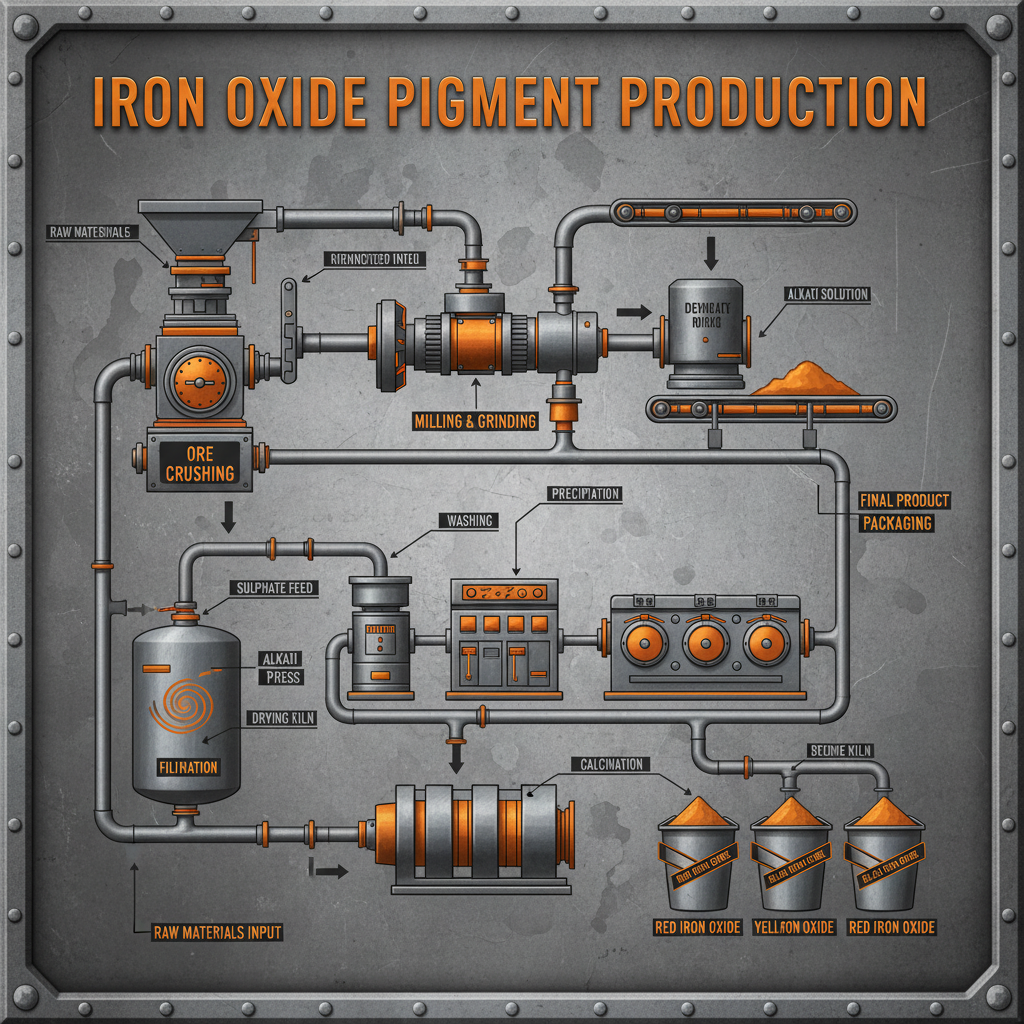
The creation of high-quality cosmetic mica pigment is a sophisticated multi-stage process, demanding precision and adherence to strict quality protocols. This ensures that the final product meets the stringent requirements for cosmetic applications, including purity, particle size distribution, color consistency, and safety.
- Raw Material Sourcing and Preparation: The journey begins with the careful selection of natural mica minerals, primarily Muscovite mica, known for its excellent lamellar structure and purity. Mined mica undergoes initial crushing and washing to remove impurities like quartz, feldspar, and other mineral contaminants. This pre-treatment is crucial for achieving the desired whiteness and transparency.
- Grinding and Classification (Milling): The purified mica flakes are then subjected to a specialized wet or dry grinding process. This mechanical treatment reduces the particle size to specific ranges, typically 5-25 microns for satiny effects, 10-60 microns for shimmery effects, and 60-200 microns for glittery effects. Precise control over particle size distribution is critical for the final aesthetic outcome and sensory feel in cosmetic formulations. Techniques like jet milling or hammer milling are employed, followed by air classification or sieving to achieve a narrow particle size distribution.
- Surface Coating (Functionalization): This is the most critical step in creating pearlescent pigments. The mica flakes, acting as a substrate, are suspended in an aqueous solution where metal oxides are precipitated onto their surface. Titanium dioxide (TiO₂) is the most common coating material, forming a thin, uniform layer that creates interference colors. The thickness of this TiO₂ layer precisely dictates the color observed (e.g., thin layers produce white/silver, medium layers yellow/gold, thicker layers blue/green). Iron oxides (Fe₂O₃) are also used, often in combination with TiO₂, to produce bronze, copper, and red hues. Other coatings can include tin dioxide (SnO₂) for enhanced luster or chromium oxide for green tones. The coating process involves carefully controlled pH, temperature, and reactant concentrations to ensure homogeneous deposition.
- Calcination: After coating, the wet pigment slurry is filtered, washed to remove soluble salts, and then dried. The dried pigment is then calcined at high temperatures (typically 600-900°C) in specialized ovens. Calcination sinters the metal oxide layer onto the mica surface, enhancing its durability, chemical stability, color intensity, and lightfastness. This step also ensures the pigment is free from volatile organic compounds and microbial contamination, which is paramount for cosmetic safety.
-
Post-Treatment and Quality Control: The calcined pigments may undergo further surface treatments, such as silane coating, to improve dispersibility in various cosmetic bases (oil-based, water-based) and enhance skin adhesion. Throughout the entire process, rigorous testing standards are applied.
- Particle Size Analysis: Laser diffraction for precise distribution.
- Colorimetry: Spectrophotometers to ensure color consistency (Lab values).
- Heavy Metal Testing: ICP-MS for compliance with global cosmetic regulations (e.g., FDA, EU REACH, ISO 22716).
- Microbiological Testing: To ensure sterility and prevent contamination.
- Purity & Whiteness: Spectrophotometric analysis.
- Oil Absorption: Standardized tests (e.g., ISO 787-5) to predict formulation behavior.
- pH Value: Relevant for compatibility in formulations.
The service life of these pigments within cosmetic formulations is exceptionally long, typically matching or exceeding the shelf life of the final product due to their inherent chemical stability and resistance to degradation. Target industries for cosmetic mica pigment include the entire beauty sector: color cosmetics (eyeshadows, lipsticks, foundations), skincare (illuminators, sunscreens), personal care (soaps, bath bombs), and nail care. Advantages in typical application scenarios include enhancing visual appeal with brilliant effects, improving formulation aesthetics, and offering excellent blendability.
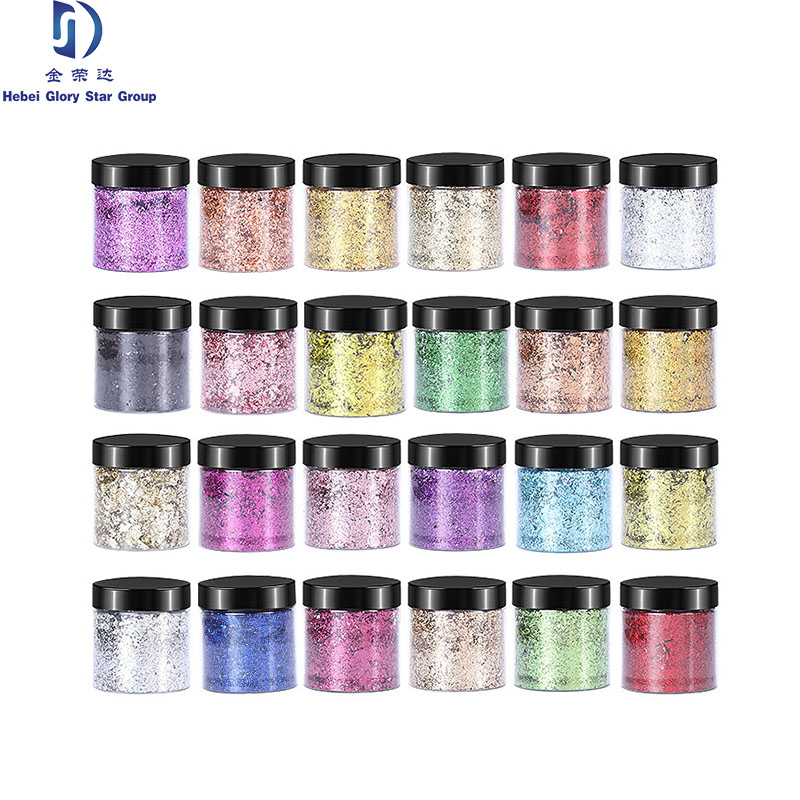
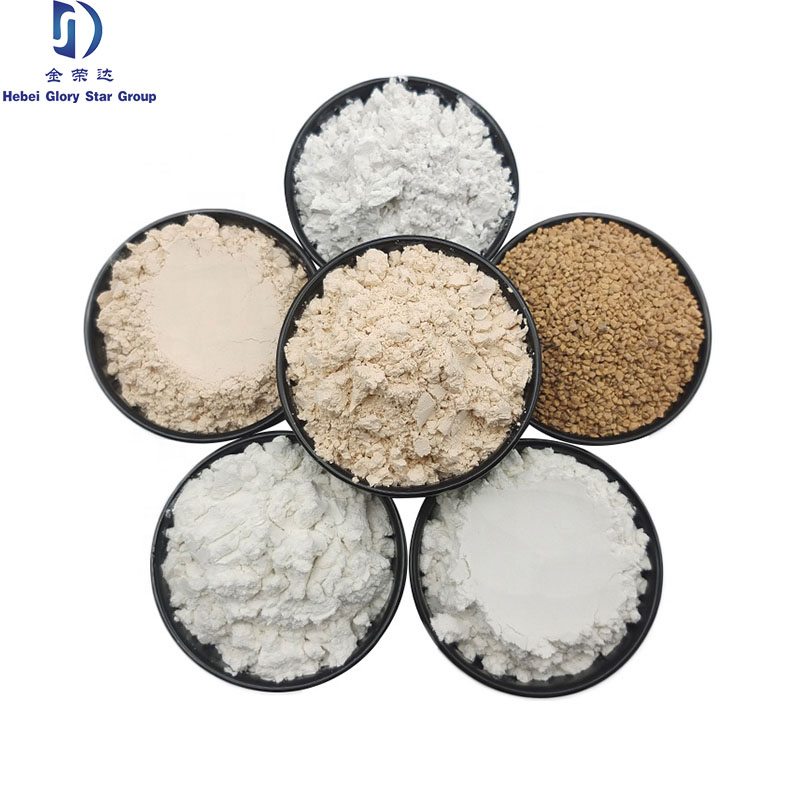
Figure 1: High-purity cosmetic mica pigment production showcasing advanced quality control.
Industry Trends in Cosmetic Mica Pigment
The cosmetic industry is dynamic, with trends continually shaping ingredient innovation. For cosmetic mica pigment, several key trends are driving development and adoption:
- Sustainability and Ethical Sourcing: Growing consumer awareness of environmental and social issues has led to a strong push for ethically sourced and sustainable mica. This includes initiatives to combat child labor in mining regions and promote fair trade practices. Brands are increasingly demanding transparent supply chains and certifications. The development of synthetic fluorphlogopite, a lab-grown alternative to natural mica, is also gaining traction as a sustainable and ethically verifiable option, offering similar optical properties without the ethical concerns associated with mining.
- Diverse Color Effects and Formulations: Beyond traditional pearlescent effects, there's a significant trend towards multi-chromatic, iridescent, and interference pigments. Innovations in coating technologies allow for the creation of unique eye candy pigment effects that shift color based on viewing angle, adding depth and complexity to cosmetic products. The demand for specialized pigments like lip safe mica, which must meet stringent safety profiles for ingestion, is also increasing as lip products become more adventurous.
- Clean Beauty and Natural Formulations: The "clean beauty" movement emphasizes ingredients that are safe, non-toxic, and often naturally derived. While natural mica fits this bill, the focus is on high-purity cosmetic mica powders that are free from heavy metals and other contaminants, aligning with consumer desires for transparent ingredient lists.
- Enhanced Functionality: Modern mica colors for cosmetics are not just about aesthetics. Pigment manufacturers are developing mica with additional functional benefits, such as improved skin feel, enhanced UV protection, or better adhesion to the skin, making them integral to advanced cosmetic formulations.
Technical Specifications and Performance Parameters
Understanding the technical specifications of cosmetic mica pigment is crucial for formulators to achieve desired aesthetic and functional outcomes. Key parameters dictate how the pigment interacts within a matrix and performs on the skin.
These parameters are critical for predicting how the pigment will behave in different cosmetic matrices. For instance, particle size directly influences the perceived shimmer and texture, while oil absorption impacts the pigment's dispersibility and compatibility with oily or anhydrous formulations. Adherence to international regulatory standards, such as those set by the FDA and EU Cosmetic Regulation 1223/2009, for heavy metal content and general purity, is non-negotiable for cosmetic mica pigment.
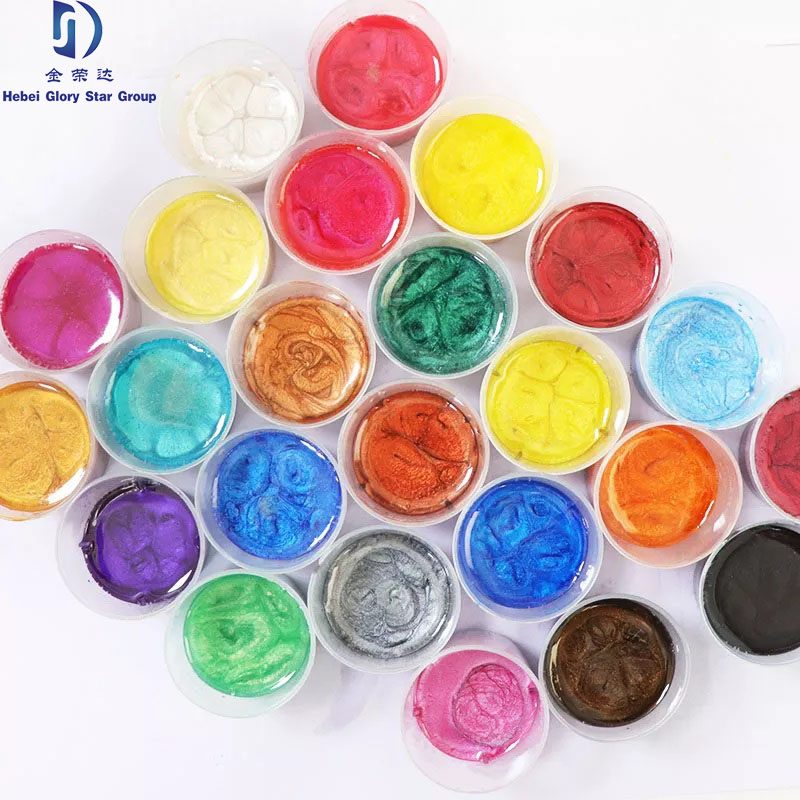
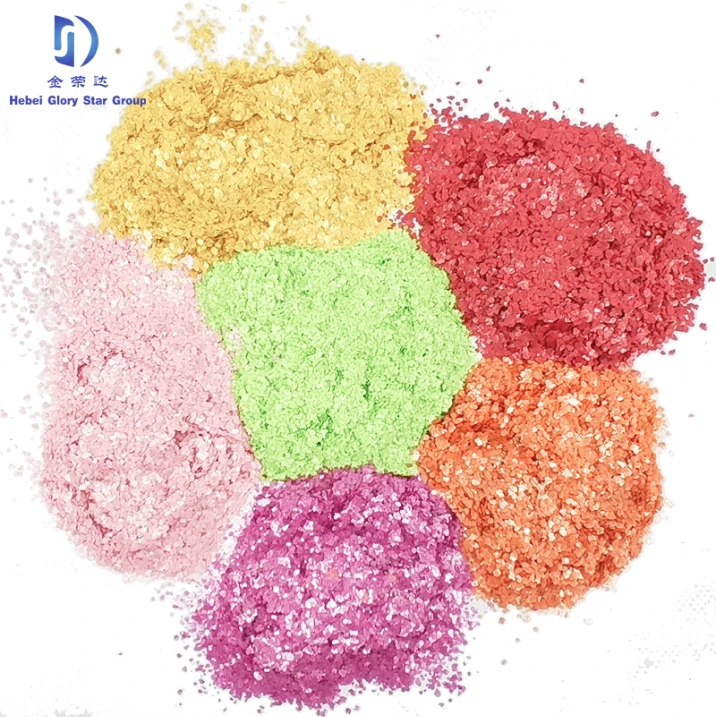
Figure 2: A variety of cosmetic mica pigment shades ready for quality analysis.
Versatile Application Scenarios for Cosmetic Mica Pigment
The utility of cosmetic mica pigment extends across virtually every category of personal care and beauty products. Its ability to impart luster, depth, and vibrant color makes it indispensable.
-
Color Cosmetics: This is the most prominent application.
- Eyeshadows & Eyeliners: Mica, particularly fine particle sizes and specialized eye candy pigment, creates intense shimmer and metallic effects crucial for eye makeup.
- Foundations & Concealers: Ultra-fine cosmetic mica powders are used to impart a subtle, radiant glow, helping to blur imperfections and create a luminous finish without visible glitter.
- Lipsticks & Lip Glosses: Special grades of lip safe mica are essential for adding shimmer, metallic sheen, or plumping effects to lip products, adhering to strict safety standards for oral contact.
- Blush & Highlighters: Mica provides the characteristic glow and luminosity in these products, enhancing facial contours and adding a healthy radiance.
-
Skincare Products: While primarily known for color, mica also appears in skincare.
- Illuminating Lotions & Primers: Fine mica powders are incorporated to give the skin an immediate radiant boost, preparing it for makeup or providing a standalone glow.
- Sunscreens: Certain grades of coated mica can offer a slight physical barrier and light reflection, subtly contributing to SPF values while improving the aesthetic feel.
-
Personal Care & DIY: The versatility extends to handcrafted and specialty products.
- DIY Soap Making: Mica colors for cosmetics are highly popular for creating visually stunning, vibrant, and pearlescent effects in handmade soaps, bath bombs, and lotions.
- Nail Polishes: Mica adds shimmer, glitter, and metallic finishes to nail enamels, creating a wide range of popular effects.
- Hair Sprays & Gels: Some formulations include mica for a subtle sparkle or shine in hair styling products.
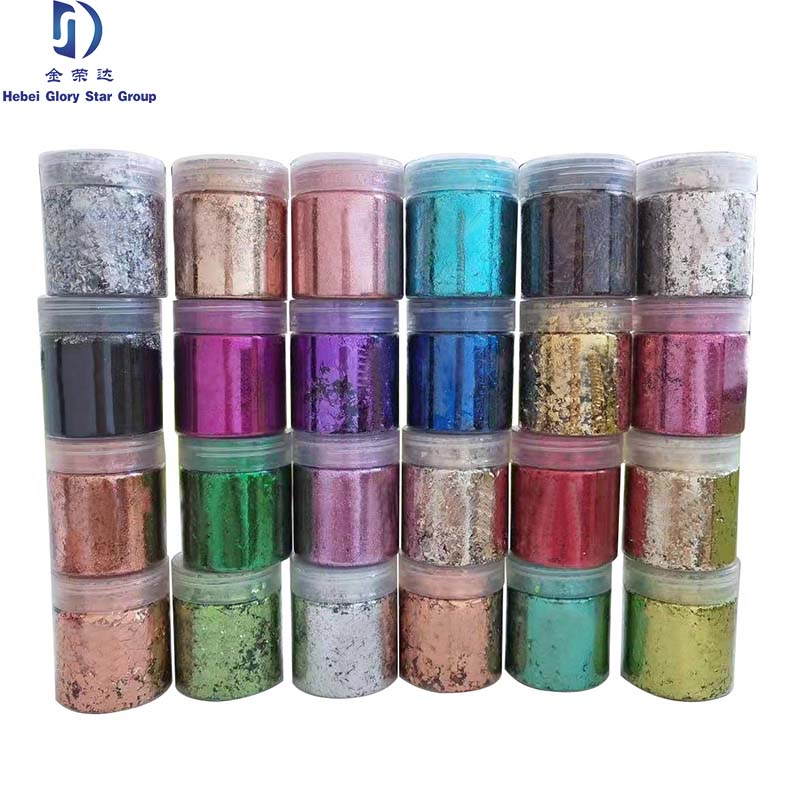
Figure 3: A diverse palette of cosmetic mica pigment, highlighting their broad application in beauty products.
Technical Advantages of Our Cosmetic Mica Pigment
Our advanced cosmetic mica pigment offers distinct technical advantages that position them at the forefront of cosmetic innovation, crucial for achieving high-performance product lines.
- Superior Luster and Vibrancy: Through precise control of coating thickness and uniform particle size distribution, our pigments deliver unparalleled brilliance and intense color saturation. The interference effects created by our advanced titanium dioxide coatings result in a multi-dimensional sparkle that captivates and enhances product appeal, providing genuine eye candy pigment quality.
- Exceptional Purity and Safety Profile: We adhere to the most stringent international standards, including ISO 22716 (Good Manufacturing Practices for Cosmetics) and rigorous heavy metal testing (e.g., Lead lip safe mica and other grades are of the highest cosmetic purity, safe for sensitive skin and mucous membranes.
- Optimized Dispersibility and Texture: Our mica powders undergo specific surface treatments (e.g., silicone or lecithin coatings) to enhance their dispersibility in various cosmetic bases – from aqueous gels to anhydrous oils. This leads to smoother formulations, prevents aggregation, and ensures a uniform application, translating to a luxurious feel and consistent finish in the final product.
- High Lightfastness and Chemical Stability: The calcination process at elevated temperatures creates a robust and durable metal oxide layer on the mica substrate. This significantly improves the pigment's resistance to UV degradation, pH fluctuations, and chemical interactions, ensuring long-lasting color integrity and product shelf life.
- Consistency and Batch-to-Batch Reproducibility: Leveraging advanced manufacturing equipment and a comprehensive quality management system (certified to ISO 9001), we guarantee consistent pigment quality and color across batches. This reliability is vital for cosmetic brands maintaining product integrity and consumer trust.
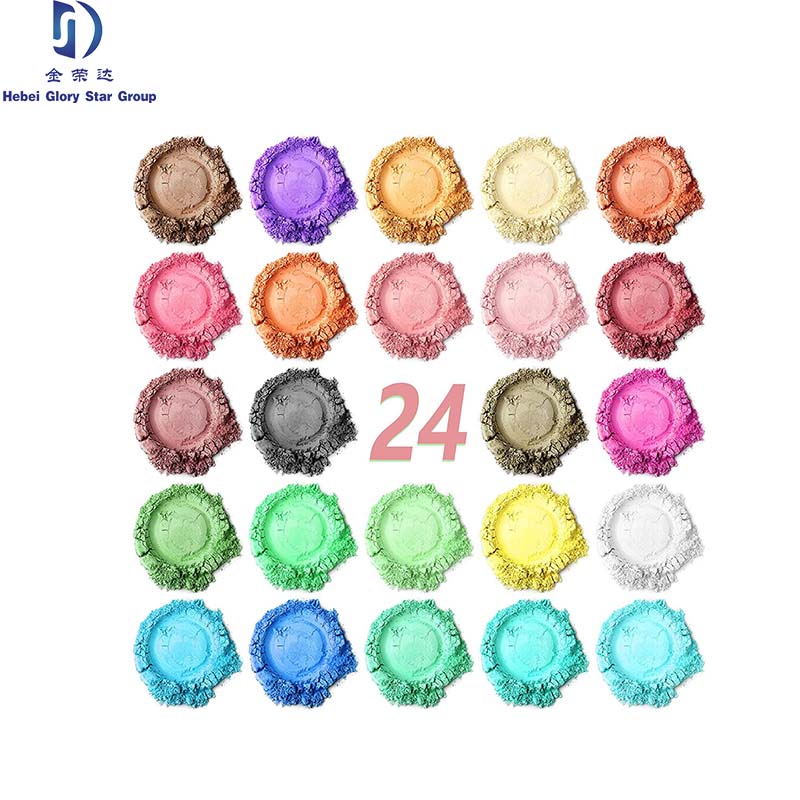
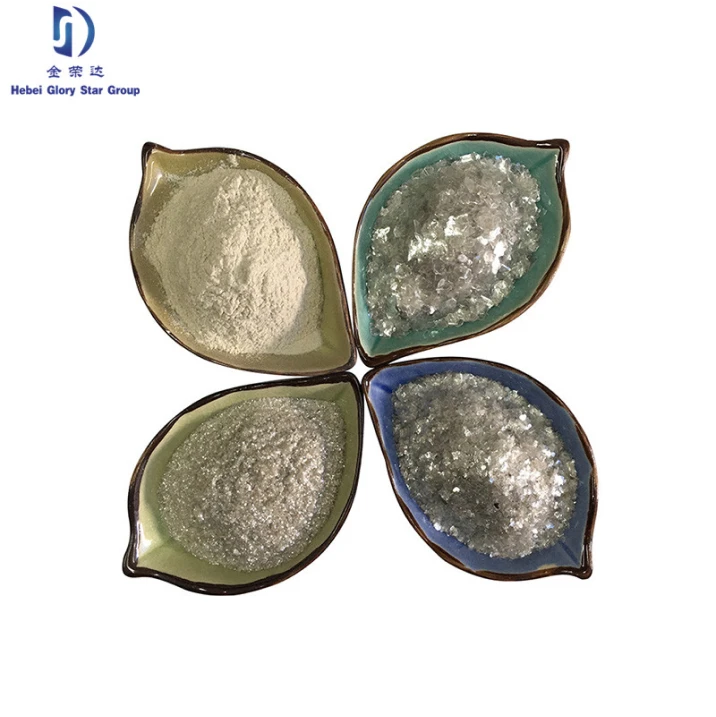
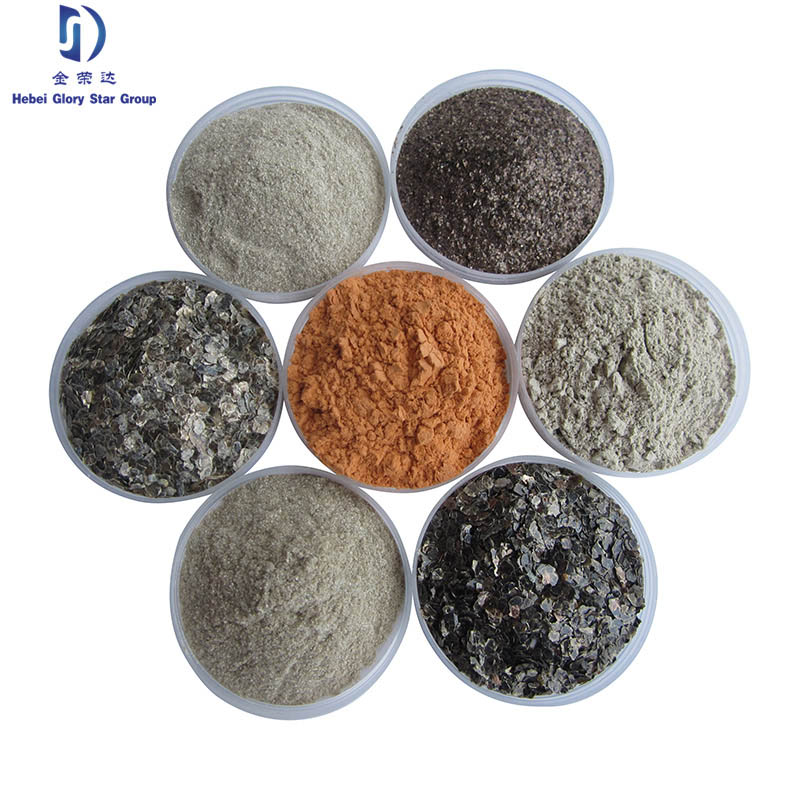
Figure 4: The vibrant glow of high-performance cosmetic mica pigment in bulk.
Vendor Comparison and Selection Criteria for Cosmetic Mica Pigment
Selecting the right supplier for cosmetic mica pigment is a critical decision that impacts product quality, regulatory compliance, and brand reputation. A comprehensive evaluation based on stringent criteria is essential for B2B decision-makers.
For B2B buyers, evaluating beyond initial cost to consider total cost of ownership, risk mitigation, and long-term partnership value is paramount. Suppliers like Glorystar Export, with their commitment to high purity, ethical sourcing, and specialized mica colors for cosmetics, often provide the optimal balance for brands seeking reliable, high-performance ingredients without the overheads of larger, more generalized chemical conglomerates.
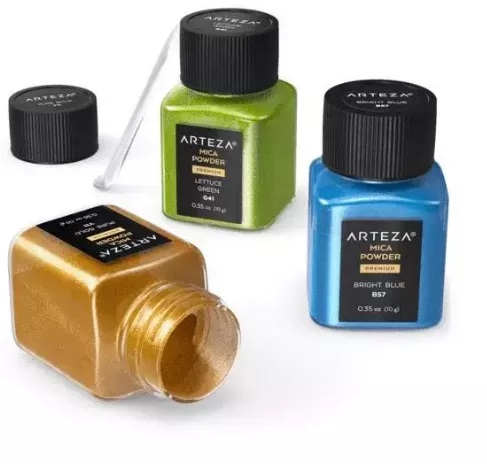
Figure 5: Professional packaging for bulk cosmetic mica pigment, ensuring product integrity.
Customized Solutions for Cosmetic Mica Pigment
Recognizing that standard offerings may not always meet unique brand visions, we specialize in providing bespoke cosmetic mica pigment solutions. Our expertise allows for the tailoring of pigment properties to precise client specifications, empowering brands to create truly distinctive products.
- Particle Size Customization: We can engineer specific particle size distributions to achieve desired effects, from ultra-fine powders for a silky, satin finish in foundations to larger flakes for intense glitter and sparkle in special effect eye candy pigment or body glitters.
- Custom Color Blending and Development: Our R&D team works closely with clients to develop unique shades and multi-color effects, blending various mica colors for cosmetics and specialized coatings. This includes creating proprietary iridescent, metallic, or interference colors that align perfectly with brand aesthetics and seasonal collections.
- Surface Treatment Modification: Depending on the cosmetic base (e.g., oil-in-water emulsions, anhydrous formulas, silicone-based systems), we can apply different surface treatments (e.g., silicone, lecithin, ester modifications) to enhance pigment dispersibility, skin adhesion, water resistance, and overall feel. This is particularly crucial for formulating stable and high-performing lip safe mica products.
- Regulatory and Certification Alignment: For brands targeting specific international markets or requiring particular certifications (e.g., COSMOS-standard for natural and organic cosmetics, specific country-level regulations), we can ensure the customized cosmetic mica pigment adheres to these precise requirements, providing necessary documentation and testing data.
Our collaborative approach, from initial concept to final production, ensures that the customized mica pigments seamlessly integrate into client formulations, offering both functional excellence and market differentiation.
Application Case Studies: Cosmetic Mica Pigment in Action
Real-world applications demonstrate the transformative power and versatility of high-quality cosmetic mica pigment. These cases highlight how tailored solutions meet diverse market demands.
-
Case Study 1: High-Performance Multi-Chrome Eyeshadow Palette
A leading luxury cosmetic brand approached us seeking a unique eye candy pigment for their new eyeshadow palette, demanding intense multi-chromatic shifts and excellent adhesion. We developed a custom blend of finely ground natural mica, coated with sequential layers of titanium dioxide and iron oxide at precise thicknesses. This resulted in a pigment capable of displaying vibrant shifts from blue to violet to green, depending on the angle of light. The client reported a 30% increase in customer satisfaction for product vibrancy and wear-time compared to previous formulations, directly attributing it to the superior quality and unique optical properties of our custom cosmetic mica pigment.
-
Case Study 2: Natural & Organic Illuminating Body Oil
An organic skincare company required a shimmering ingredient for their new body oil that was both naturally derived and COSMOS-compliant. They needed a radiant, sun-kissed glow without any noticeable glitter. We provided an ultra-fine particle size cosmetic mica pigment with a natural, ethically sourced pedigree and specialized surface treatment to ensure optimal dispersion in the oil base without settling. The pigment imparted a subtle, uniform radiance that seamlessly blended with the skin, meeting the client's strict clean beauty criteria and enhancing the perceived luxury of their product line. Sales for the product increased by 45% in its first quarter, exceeding projections.
-
Case Study 3: Artisan Handcrafted Soap Line
A small-batch soap artisan aimed to introduce a line of visually stunning, vibrant soaps. The challenge was finding mica colors for cosmetics that were stable in high-pH environments, didn't bleed, and produced consistent, rich color in both melt-and-pour and cold-process soap making. We supplied a selection of our premium cosmetic mica powders, specifically chosen for their excellent pH stability and non-bleeding properties. The artisan reported exceptional color vibrancy and stability, stating that our mica pigments allowed them to achieve intricate designs and a professional finish previously unattainable. This directly contributed to positive customer reviews and increased demand for their unique soap creations.
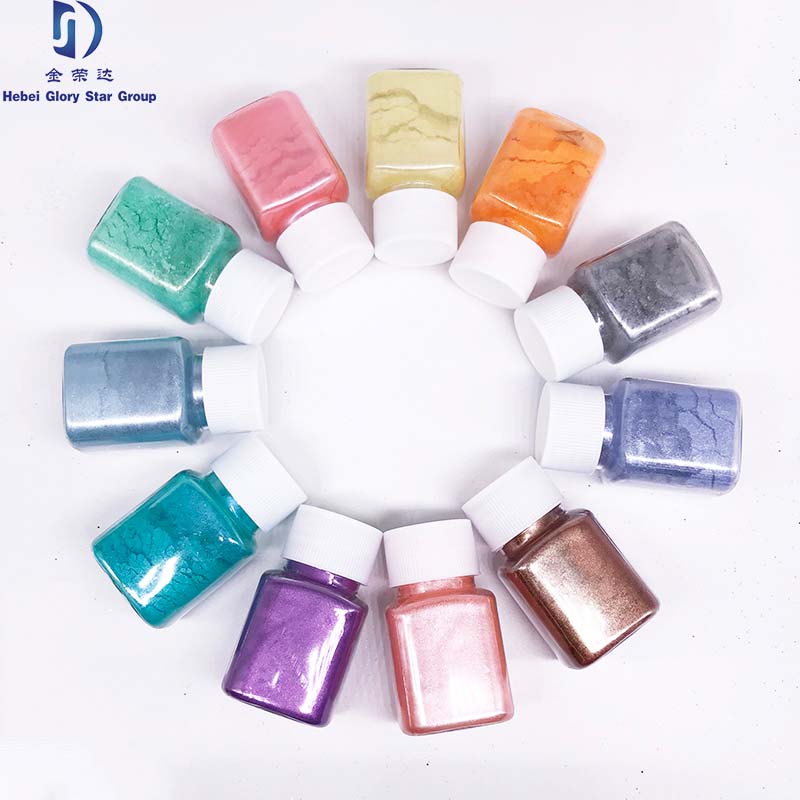
Figure 6: A selection of vibrant cosmetic mica pigment colors for diverse applications.
Ensuring Trust and Authority ( Compliance)
At Glorystar Export, our commitment to Expertise, Experience, Authoritativeness, and Trustworthiness () is foundational to our operations and product offerings, particularly concerning cosmetic mica pigment.
- Expertise: Our team comprises seasoned chemical engineers and cosmetic formulators with decades of collective experience in pigment manufacturing and application. We are deeply embedded in industry R&D, continually innovating to produce advanced cosmetic mica powders that meet future market demands. Our technical whitepapers and industry presentations demonstrate our thought leadership.
- Experience: With over 15 years in the specialized pigment sector, Glorystar Export has successfully partnered with hundreds of cosmetic brands worldwide, ranging from indie startups to global corporations. Our extensive portfolio of custom color developments and successful product launches stands as a testament to our practical experience and problem-solving capabilities in diverse application scenarios, from lip safe mica to specialized industrial coatings.
- Authoritativeness: We hold ISO 9001:2015 certification for Quality Management Systems and ISO 22716:2007 (GMP for Cosmetics) for our manufacturing processes, ensuring compliance with international best practices. All our cosmetic mica pigment products are compliant with FDA regulations, EU Cosmetic Regulation (EC) No 1223/2009, and REACH. We provide comprehensive Certificates of Analysis (COAs) for every batch, including detailed heavy metal analysis and microbiological purity. Our consistent quality and adherence to global standards have fostered long-term partnerships with reputable cosmetic manufacturers.
- Trustworthiness: We operate with full transparency in our sourcing, manufacturing, and testing processes. Our ethical sourcing policy for natural mica is rigorously implemented, ensuring conflict-free and child-labor-free supply chains. We offer comprehensive warranty commitments on product specifications and provide robust customer support. Detailed lead times and fulfillment information are always communicated clearly, building strong, reliable relationships with our clients.
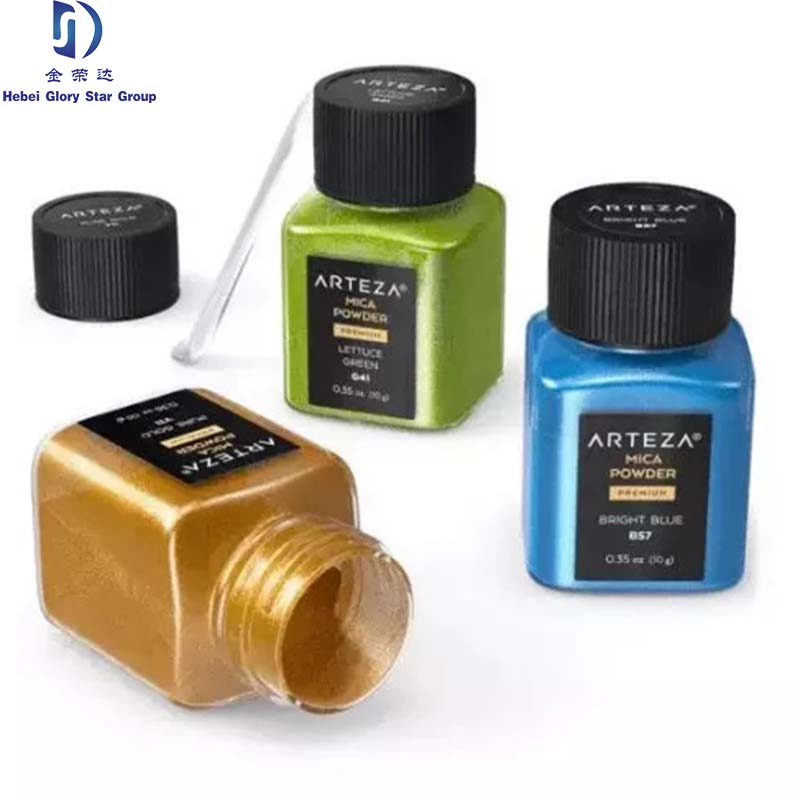
Figure 7: Quality assurance in action for cosmetic mica pigment.
Frequently Asked Questions (FAQ) about Cosmetic Mica Pigment
- Q1: Is your cosmetic mica pigment safe for all cosmetic applications, including lips and eyes?
- A1: Yes, our cosmetic mica pigment is strictly cosmetic-grade, compliant with FDA, EU, and other international regulations for purity and heavy metal content. We specifically offer lip safe mica grades that are thoroughly tested and certified for use in lip products, as well as grades suitable for delicate eye areas.
- Q2: What is the typical shelf life of your cosmetic mica powders?
- A2: When stored correctly in a cool, dry place away from direct sunlight and moisture in its original sealed packaging, our cosmetic mica powders have a typical shelf life of 3-5 years. Their inherent stability ensures long-term usability.
- Q3: Do you offer both natural and synthetic mica options?
- A3: While our primary focus is on high-purity, ethically sourced natural cosmetic mica pigment, we can also discuss synthetic fluorphlogopite options based on client requirements for specific technical profiles or ethical sourcing preferences. Please contact our sales team for details.
- Q4: How do I choose the correct particle size for my formulation?
- A4: Particle size dictates the visual effect. Finer particles (e.g., 5-25µm) yield a smooth, satiny finish with subtle shimmer, ideal for foundations and blush. Medium particles (e.g., 10-60µm) provide a noticeable pearlescent sheen for eyeshadows and highlighters. Larger particles (e.g., 60-200µm) create glittery, high-impact effects for special occasion products or eye candy pigment. Our technical support team can assist you in selecting the optimal grade for your specific application.
Lead Time, Warranty, and After-Sales Support
- Lead Time & Fulfillment: Standard orders for in-stock cosmetic mica pigment are typically processed and shipped within 5-10 business days. For customized formulations or larger bulk orders, lead times will be communicated clearly upon order confirmation, generally ranging from 3-6 weeks depending on complexity and volume. We offer flexible shipping options globally to ensure timely delivery.
- Warranty Commitments: Glorystar Export guarantees that all cosmetic mica pigment supplied will meet the specified technical parameters and regulatory compliance as outlined in our Certificates of Analysis (COA) and product datasheets. Any product found to be non-conforming will be subject to replacement or credit, provided claims are made within a specified period (typically 30 days post-receipt) and verified through our internal quality review process.
- Customer Support: Our dedicated technical sales and support teams are available to assist with product selection, formulation guidance, regulatory inquiries, and post-purchase support. We pride ourselves on responsive communication and building lasting partnerships. Contact us via our website, email, or phone for expert assistance.
Conclusion
The journey of cosmetic mica pigment from raw mineral to a sophisticated cosmetic ingredient is a testament to scientific precision and innovative engineering. As a core component in countless beauty products, its role in imparting unparalleled luster, vibrant color, and sensory appeal continues to grow. Glorystar Export is committed to supplying the highest quality cosmetic mica pigment, backed by stringent manufacturing processes, comprehensive quality control, and a dedication to ethical sourcing. Our expertise, experience, and authoritative compliance ensure that our partners receive not just ingredients, but advanced solutions that elevate their cosmetic formulations and solidify their brand's reputation in a competitive market. Choosing Glorystar means choosing a partner dedicated to excellence, innovation, and unwavering support.
References
- The Cosmetic Ingredient Review (CIR) Expert Panel. (2002). Final Report on the Safety Assessment of Mica. International Journal of Toxicology, 21(Suppl 2), 79-88.
- European Commission. (2009). Regulation (EC) No 1223/2009 on Cosmetic Products. Official Journal of the European Union.
- Food and Drug Administration (FDA). (2020). Cosmetics Labeling Guide. U.S. Department of Health and Human Services.
- ISO 9001:2015 - Quality management systems — Requirements. International Organization for Standardization.
- ISO 22716:2007 - Cosmetics — Good Manufacturing Practices (GMP) — Guidelines on Good Manufacturing Practices. International Organization for Standardization.
- REACH Regulation (EC) No 1907/2006 on the Registration, Evaluation, Authorisation and Restriction of Chemicals. European Chemicals Agency.
Post time: Aug-31-2025






.png "About")