

Understanding Biotite Mica: Properties and Industrial Applications
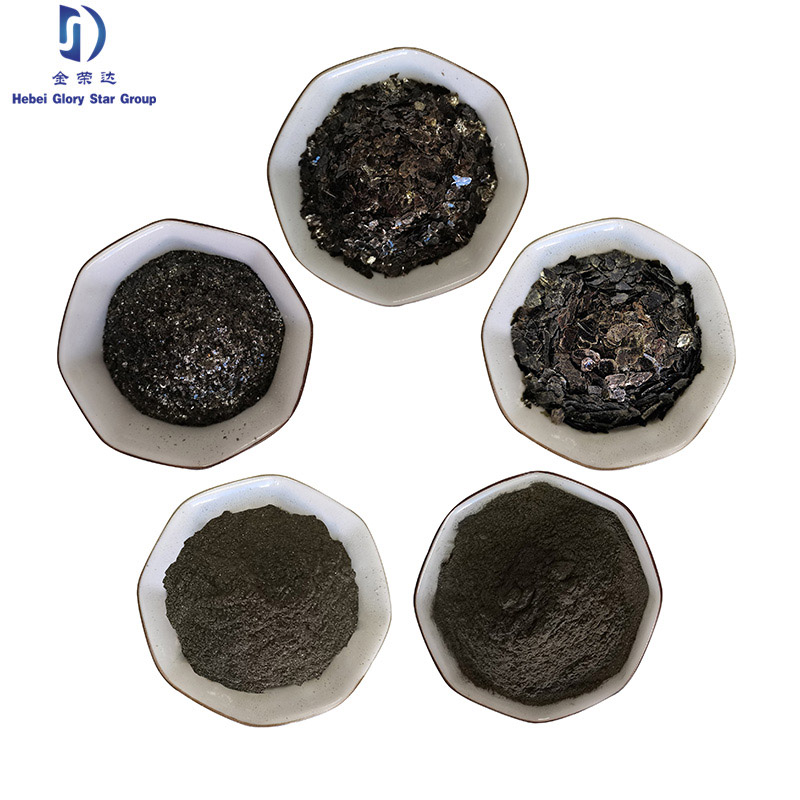
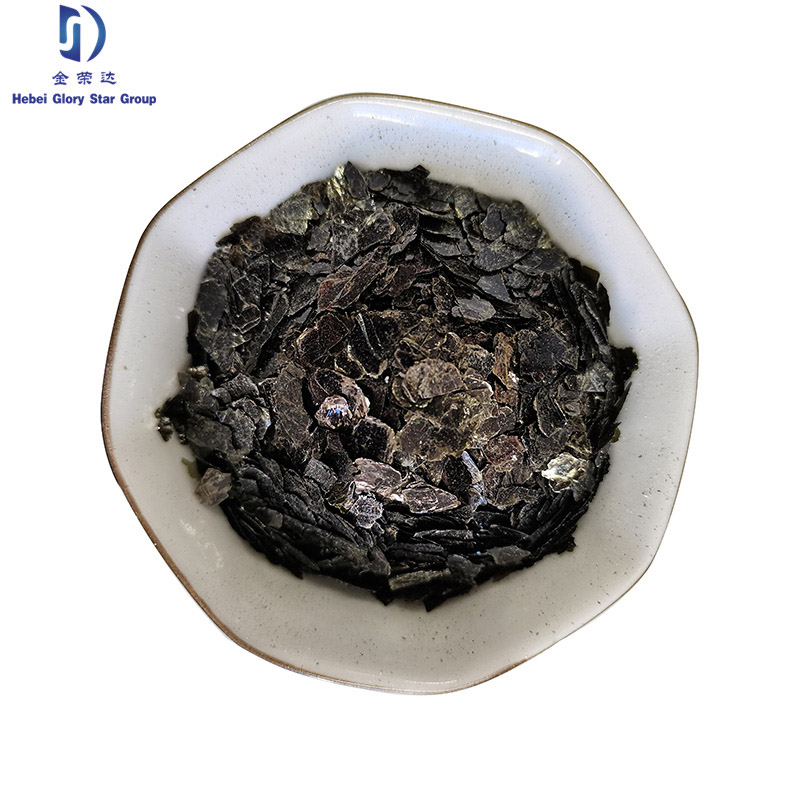
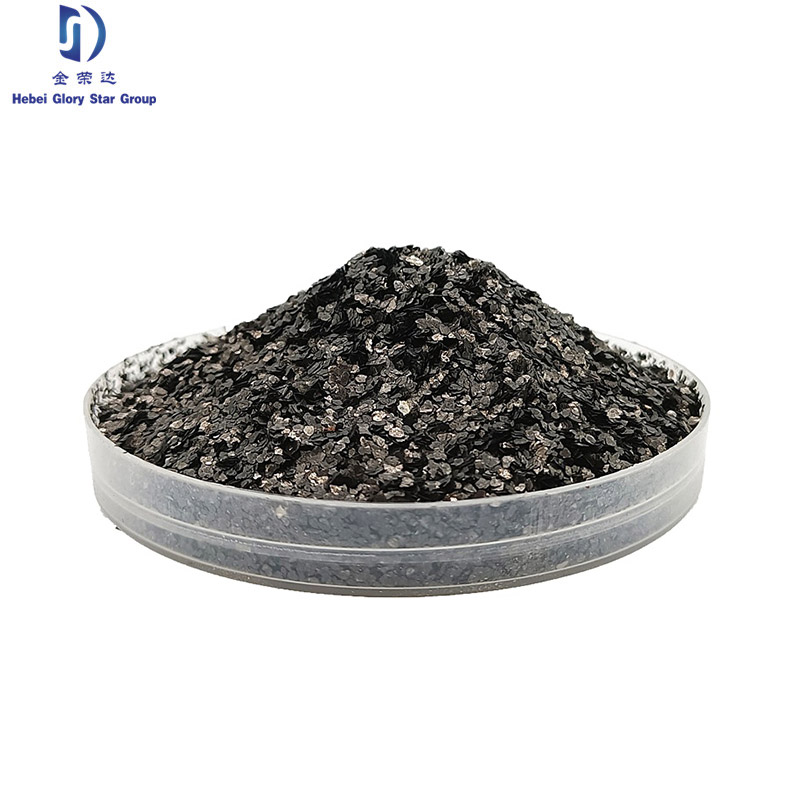
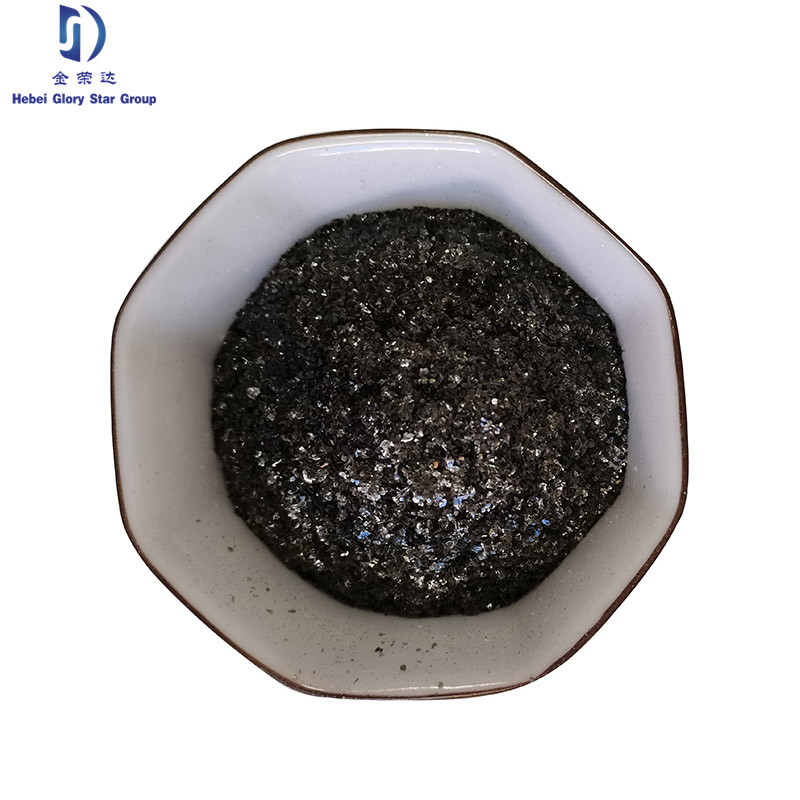
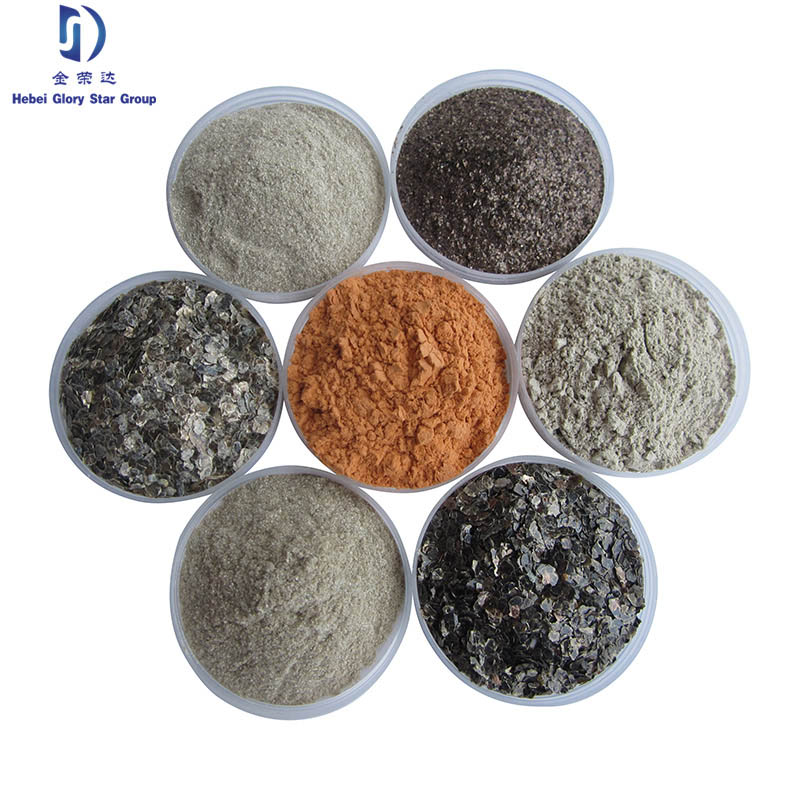
Biotite mica, a common phyllosilicate mineral, is distinguished by its unique physical and chemical characteristics, making it indispensable across numerous industrial sectors. Its layered structure and inherent flexibility contribute to its versatility, yet a critical property for many high-performance applications is its biotite mica hardness. This parameter dictates its suitability for demanding environments, from enhancing drilling fluid stability in the petrochemical industry to improving the mechanical strength of paper products. Glorystar Export specializes in providing high-quality Biotite Mica For Oil Drilling Paper Making, meticulously processed to meet stringent industry standards.
Our focus delves into the technical aspects of biotite mica, exploring its manufacturing process, key physical and chemical properties, and its strategic advantages in various B2B applications. We aim to equip decision-makers and engineers with comprehensive insights into leveraging this remarkable mineral for optimal operational performance and product innovation.
Process Flow: From Raw Material to Industrial Grade Biotite Mica
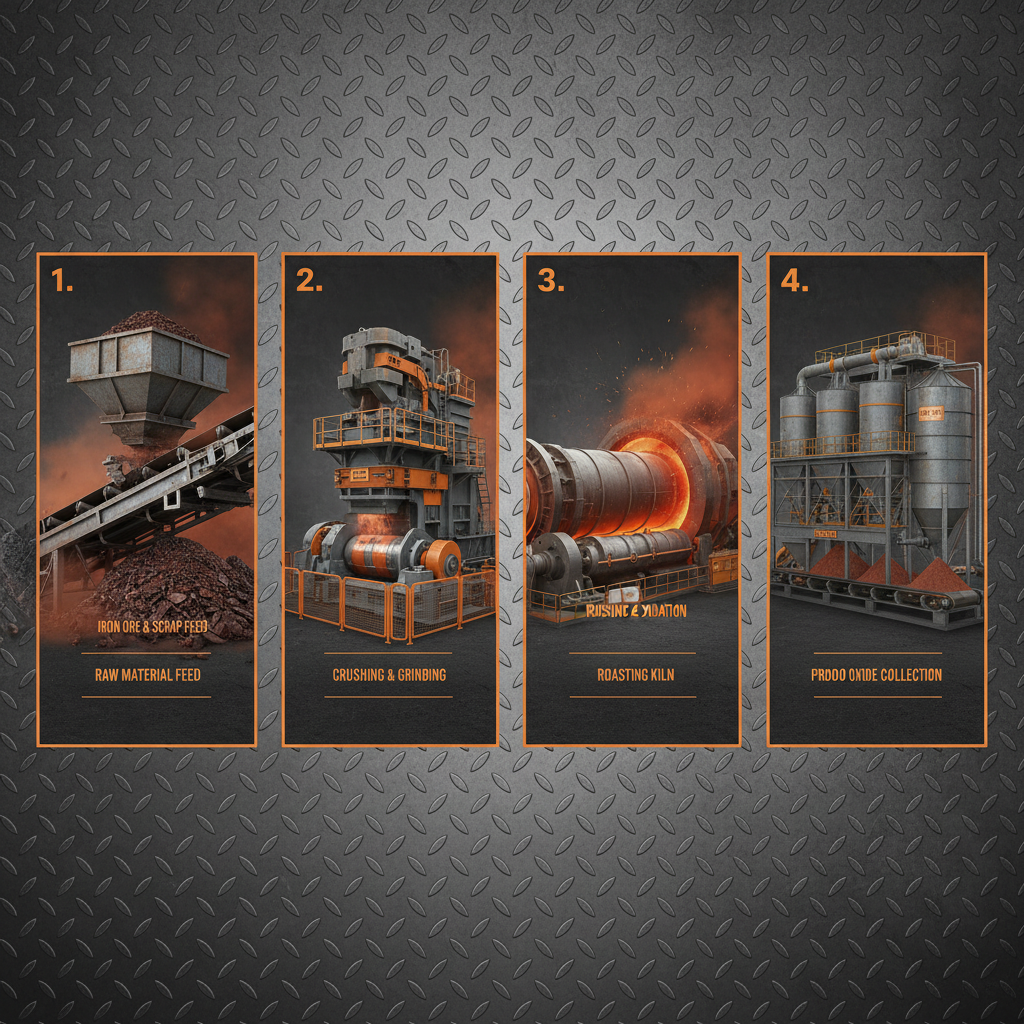
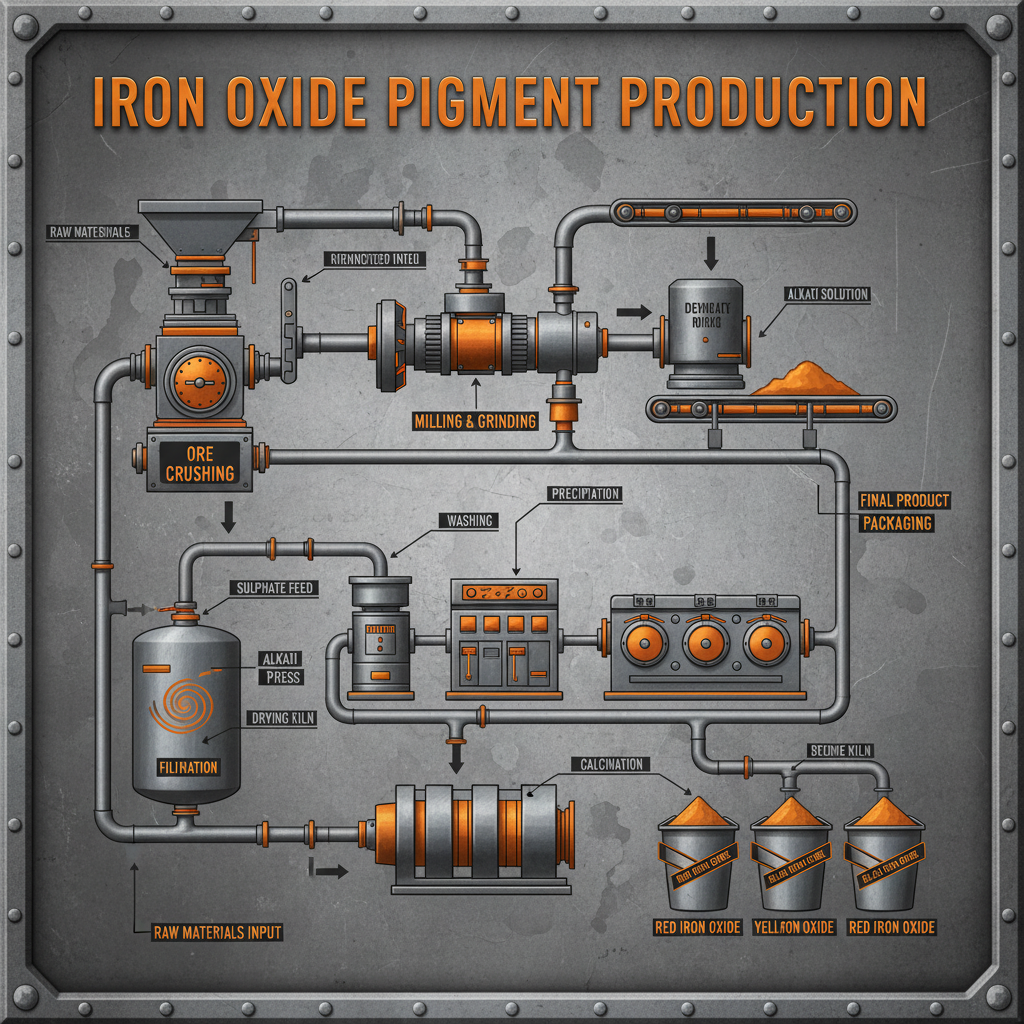
The production of industrial-grade biotite mica involves a series of sophisticated processes designed to ensure consistent quality, optimal particle size, and purity. Our manufacturing regimen emphasizes precision and adherence to international standards.
1. Raw Material Sourcing
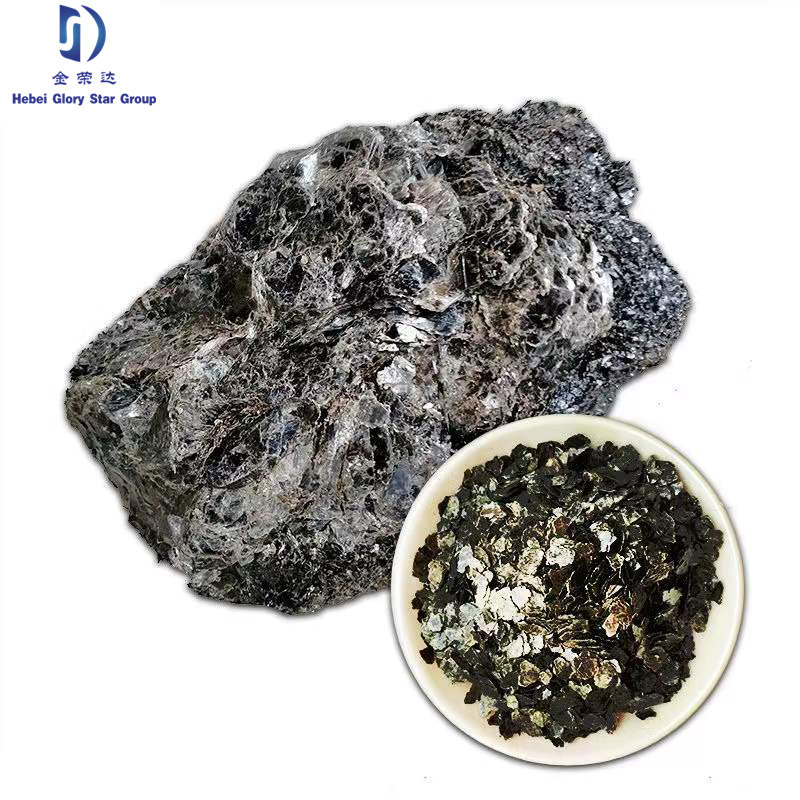
High-purity biotite mica is carefully sourced, often from deposits where it occurs as a constituent in igneous rocks or metamorphic rocks like biotite mica schist. Initial quality checks ensure mineralogical purity and minimal impurities.
2. Crushing & Grinding
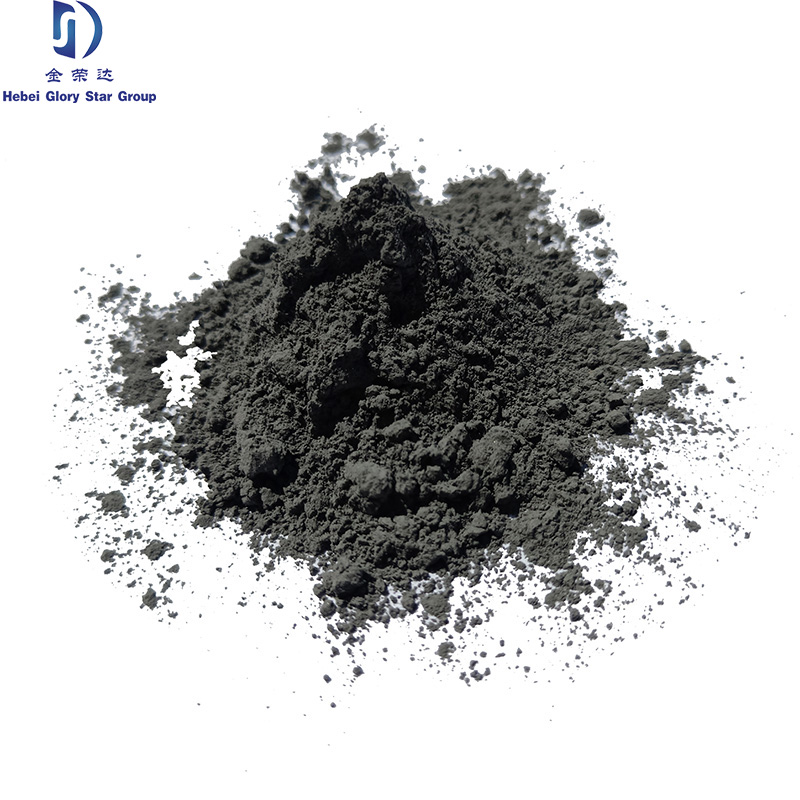
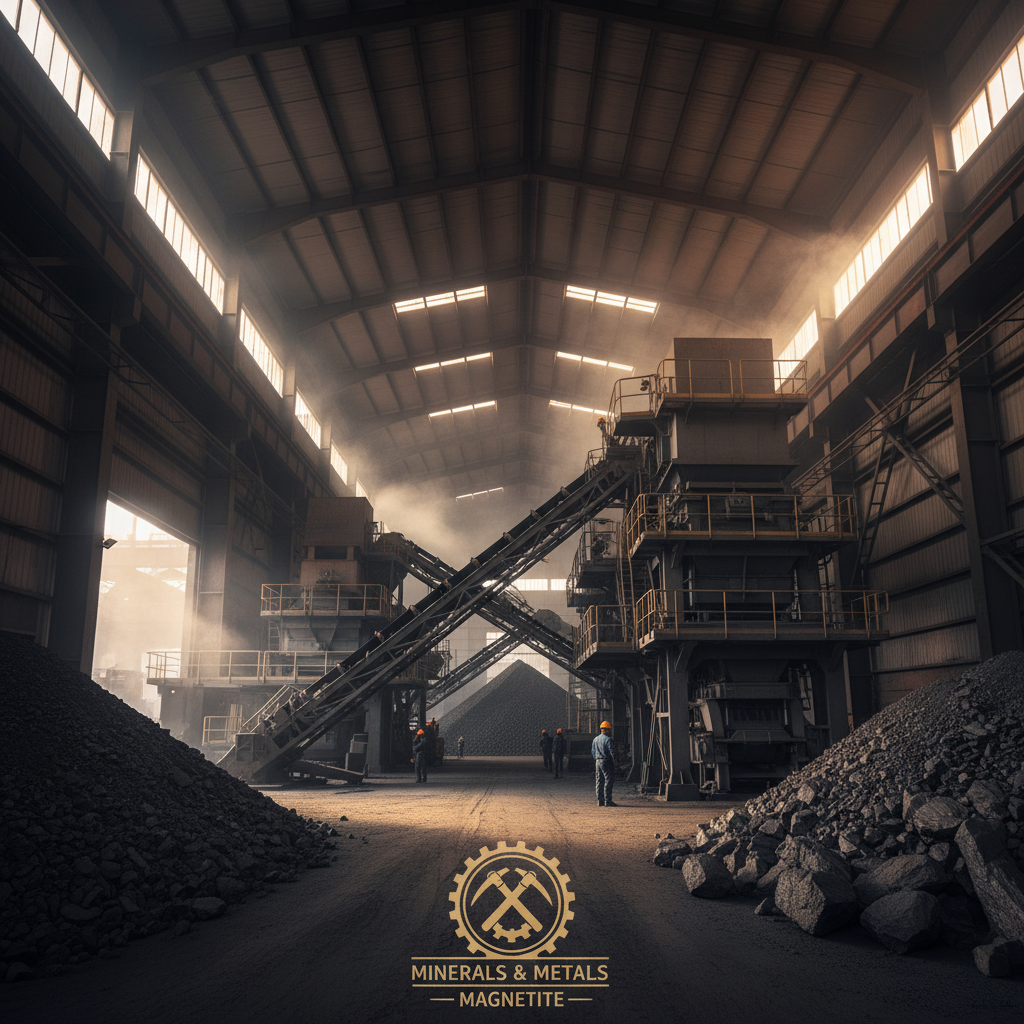
Large raw mica flakes are initially crushed using jaw crushers and then subjected to multi-stage grinding processes (e.g., hammer mills, ball mills). This reduces the material to a coarse powder, crucial for subsequent processing steps.
3. Micronization & Delamination
Further fine grinding and delamination are performed to achieve desired particle sizes, often in the micron range. This process carefully preserves the platy structure inherent to biotite, which is critical for its performance in many applications.
4. Classification & Screening
Advanced screening and air classification systems precisely separate the mica particles into various size fractions. This step ensures uniform particle distribution, a key factor influencing the performance of our Biotite Mica For Oil Drilling Paper Making.
5. Quality Control & Testing
Rigorous quality control measures are implemented at every stage. This includes particle size analysis (laser diffraction), chemical composition analysis (XRF), moisture content, specific gravity, and critically, tests to assess the physical attributes such as the biotite mica hardness and its integrity under stress. Our products adhere to ISO 9001:2015 quality management standards.
6. Packaging
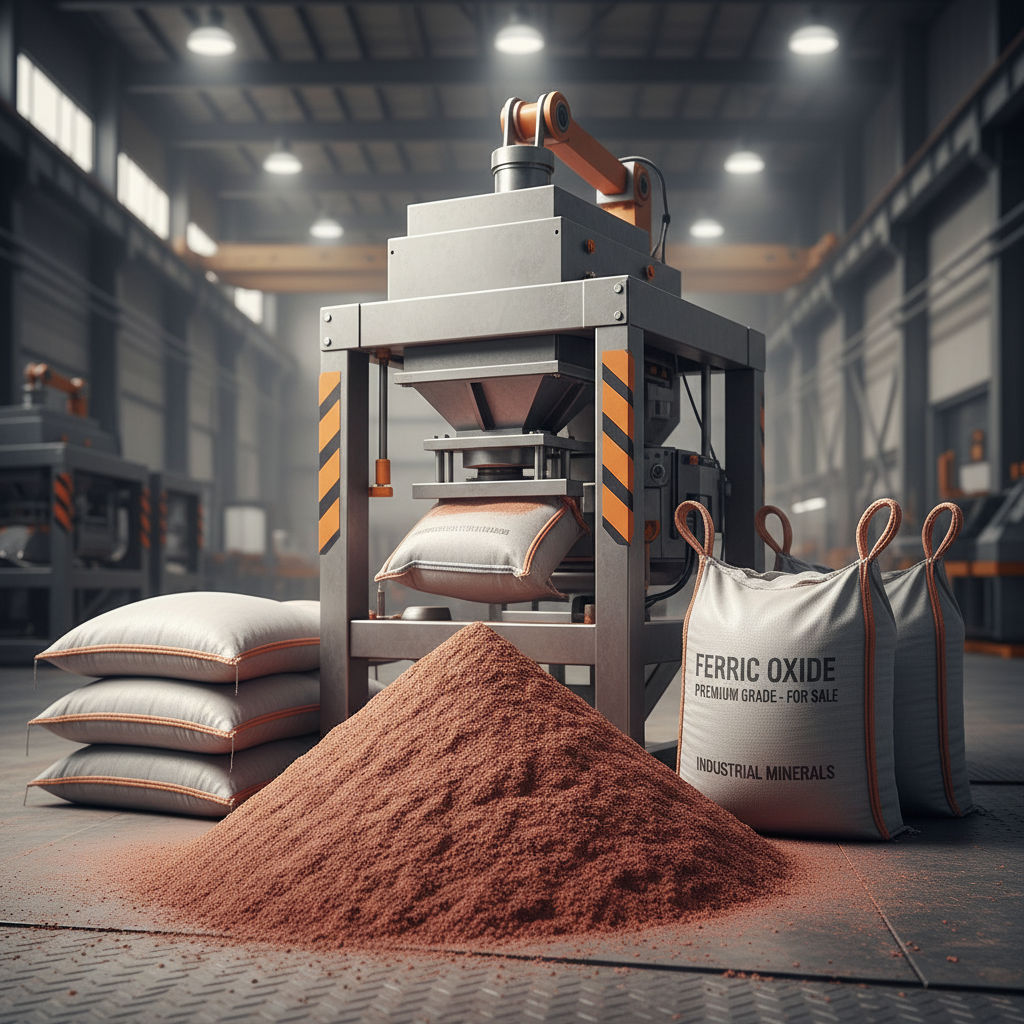
The final product is packaged in durable bags (e.g., 25kg multi-wall paper bags, 1-ton jumbo bags) to prevent contamination and ensure safe transit, ready for target industries such as petrochemical, paper, coatings, and plastics.
The service life of biotite mica in its industrial applications depends on the specific formulation and environmental conditions. However, its inherent chemical inertness and thermal stability contribute to long-term performance, offering advantages like corrosion resistance and improved material durability in typical application scenarios.
Industry Trends and Market Dynamics for Industrial Mica
The global industrial mica market is experiencing steady growth, driven by expanding applications in construction, electronics, automotive, and specifically, the oil & gas and paper manufacturing sectors. Demand for specialized mineral additives is rising, particularly for materials that offer enhanced performance characteristics. The importance of specific material attributes, such as the consistent biotite mica hardness, thermal stability, and chemical inertness, is increasingly recognized by engineers seeking to optimize product formulations and operational efficiency.
Sustainability is another key trend, with industries seeking environmentally friendly and naturally occurring additives. Biotite mica fits this criterion, offering a durable and non-toxic solution. Furthermore, the push for higher-performance drilling fluids and more resilient paper products is directly fueling the demand for premium-grade biotite mica, where specific particle morphology and biotite mica properties are paramount.
Technical Specifications: Characterizing Biotite Mica Performance
Understanding the precise technical specifications of biotite mica is crucial for its effective deployment in industrial applications. Key parameters include its mineralogical composition, physical dimensions, and mechanical properties.
Mohs Hardness of Biotite Mica
The biotite mica hardness typically ranges from 2.5 to 3 on the Mohs scale. This relatively low hardness indicates its excellent machinability and shear-thinning properties when incorporated into fluids or composites. Its platy structure provides significant mechanical reinforcement in applications like drilling muds, where it helps seal micro-fractures, and in paper, where it improves tear strength and dimensional stability. Its softness also means it won't cause excessive abrasion to processing equipment, making it an ideal filler.
Other Critical Biotite Mica Properties
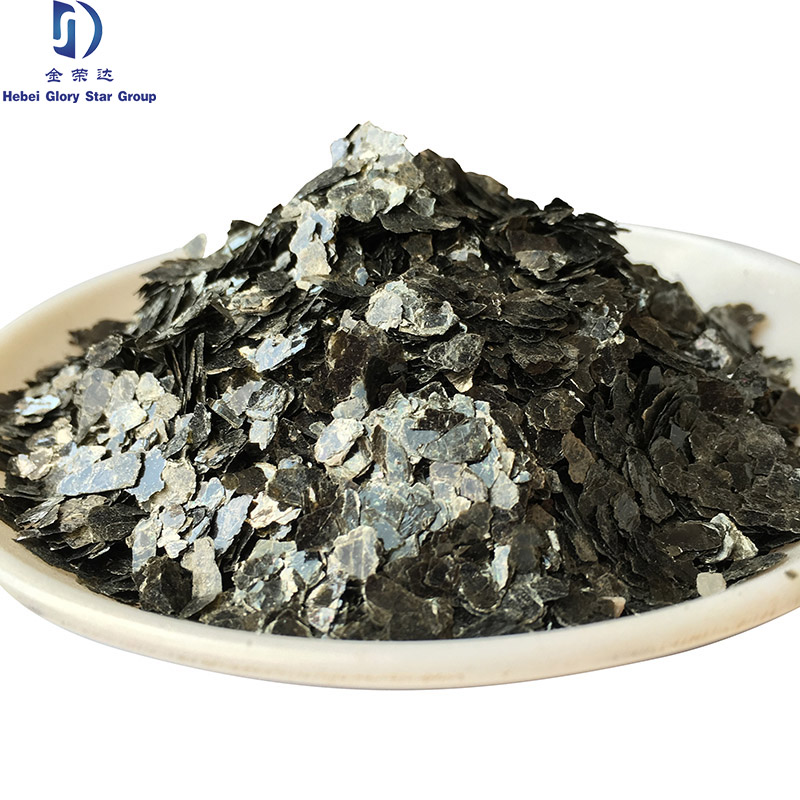
- Luster: The biotite mica luster is typically vitreous to pearly on cleavage surfaces, and dull to submetallic on fracture surfaces. This is primarily an aesthetic property, but can influence its use in certain cosmetic or coating applications.
- Cleavage: Exhibits perfect basal cleavage in one direction, allowing it to split into very thin, elastic flakes. This platy morphology is key to its functionality as a reinforcement and barrier material.
- Specific Gravity: Ranges from 2.7 to 3.3 g/cm³, depending on iron content. This density is a critical parameter for its suspension characteristics in drilling fluids.
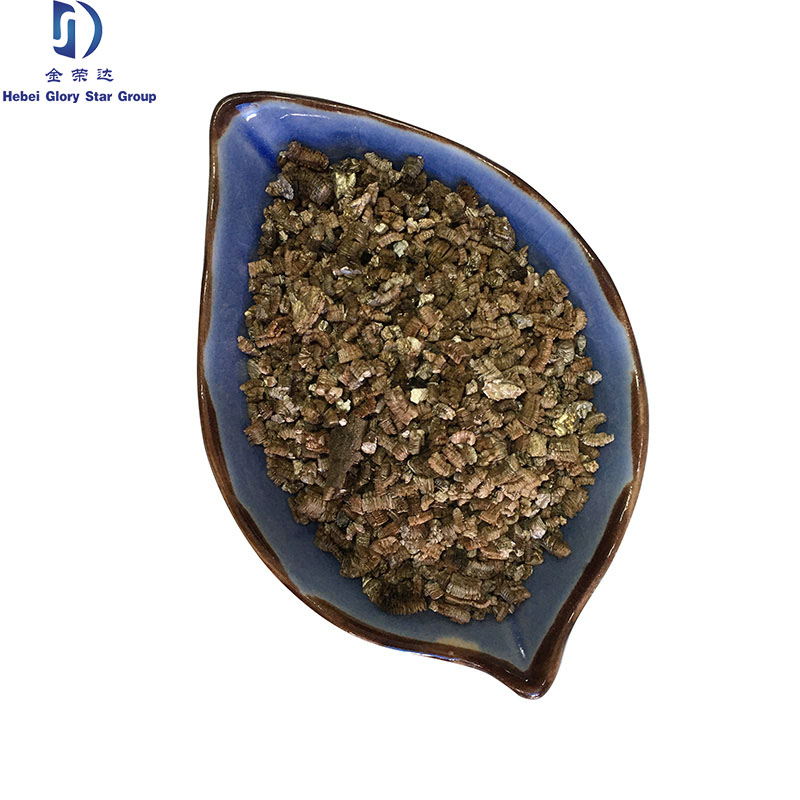
- Color: Typically dark brown to black, owing to its iron and magnesium content.
- Streak: The biotite mica streak is white to grey, a standard mineralogical identifier.
- Thermal Stability: Possesses excellent thermal stability, resisting degradation at high temperatures, which is vital for high-pressure, high-temperature (HPHT) drilling operations.
- Chemical Inertness: Highly resistant to chemical attack, ensuring stability in aggressive environments.
Product Specification Table: Glorystar Export Biotite Mica
| Parameter | Typical Value (Glorystar Export) | Testing Standard |
|---|---|---|
| Mohs Hardness | 2.5 - 3.0 | ASTM E18 |
| Particle Size (D50) | 10 µm - 200 µm (Customizable) | ISO 13320 (Laser Diffraction) |
| Specific Gravity | 2.8 - 3.2 g/cm³ | ASTM D792 |
| Moisture Content | ≤ 0.5% | ASTM D280 |
| pH Value (10% Slurry) | 7.0 - 9.0 | ISO 787-9 |
| Loss on Ignition (LOI) | ≤ 4.0% | ASTM C114 |
| Chemical Composition (typical) | SiO2: 35-42%, Al2O3: 10-18%, Fe2O3: 15-25%, MgO: 5-12%, K2O: 8-10% | XRF Analysis |
Application Scenarios and Technical Advantages
The unique combination of biotite mica properties, including its platy structure, thermal stability, and relatively low Mohs hardness, makes it highly effective in a diverse range of industrial applications.
Oil & Gas Drilling Fluids
- Lost Circulation Material (LCM): Biotite mica's platy particles effectively bridge and seal porous formations and micro-fractures in wellbores, preventing drilling fluid loss. This sealing capability is enhanced by the flexibility and integrity of the mica flakes, even under downhole pressures.
- Shale Stabilization: Helps stabilize reactive shales by creating an impermeable barrier, reducing hydration and swelling, thus minimizing borehole instability.
- Lubricant & Anti-Seizing Agent: The lamellar structure provides excellent lubrication properties, reducing torque and drag during drilling operations. Its inherent softness ensures it functions as a solid lubricant without causing abrasive wear to equipment.
- HPHT Performance: Its thermal stability allows it to maintain structural integrity and sealing effectiveness in high-pressure, high-temperature drilling environments.
Paper Manufacturing
- Filler & Brightness Enhancer: While generally darker, specialized processing can yield lighter grades. Its platy structure helps fill voids in the paper matrix, improving smoothness and opacity.
- Dimensional Stability: Reduces paper shrinkage and expansion due to changes in humidity, leading to more stable paper products, critical for printing and specialty papers.
- Improved Mechanical Strength: The layered particles reinforce the paper fiber network, increasing tensile strength, tear resistance, and burst strength.
- Reduced Porosity & Air Permeability: Contributes to better barrier properties for packaging and specialized papers.
Vendor Comparison: Glorystar Export Advantage
When selecting a supplier for industrial biotite mica, factors beyond basic material cost are paramount. Purity, consistency, particle size distribution, and comprehensive technical support are critical for optimizing end-product performance. Glorystar Export distinguishes itself through rigorous quality control, deep technical expertise, and a commitment to customized solutions.
Comparative Analysis: Glorystar Export vs. Industry Standard
| Feature/Parameter | Glorystar Export Biotite Mica | Generic Industry Standard |
|---|---|---|
| Mohs Hardness Consistency | Strictly controlled (2.5-3.0) | May vary slightly (2.0-3.5) |
| Purity (Mineral) | >95% Biotite | 90-95% Biotite |
| Particle Size Distribution | Tight distribution, custom grades available | Broader distribution, limited customization |
| Thermal Stability | Excellent (up to 900°C) | Good (up to 800°C) |
| Customer Support | Dedicated technical team, R&D collaboration | Standard service |
| Certifications | ISO 9001:2015, third-party lab testing | Basic QC |
Customized Solutions and R&D Capabilities
Glorystar Export understands that specific industrial applications often require materials with tailored characteristics. Our R&D department works closely with clients to develop customized biotite mica solutions that precisely match unique performance criteria. This includes:
- Particle Size Optimization: Fine-tuning particle size distribution (e.g., D50, D90 values) for optimal flow properties in drilling fluids or specific surface area requirements for paper coatings.
- Purity Enhancement: Further reducing trace impurities for sensitive applications.
- Surface Treatment: Applying surface modifiers to enhance compatibility with various polymer matrices or specific fluid systems.
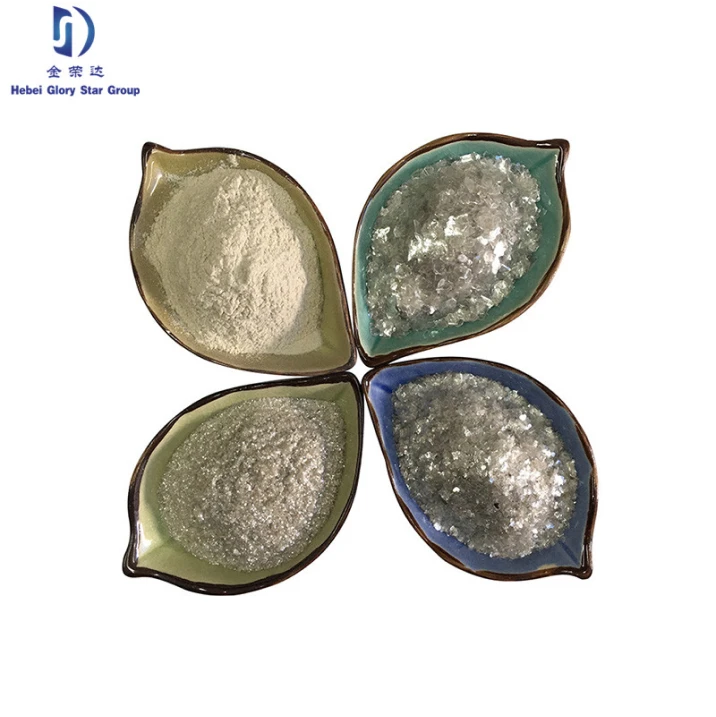
- Color and Biotite Mica Luster Adjustment: While natural biotite is dark, specialized processing can influence its visual attributes for aesthetic-driven applications.
Our technical team, with years of experience, utilizes advanced analytical techniques to develop and validate custom grades, ensuring that the desired biotite mica hardness and other crucial properties are consistently met.
Application Case Studies
Case Study 1: Enhanced Lost Circulation Control in Deep-Water Drilling
A major offshore drilling company faced significant lost circulation issues in a deep-water well, leading to increased NPT (Non-Productive Time) and material costs. Traditional LCMs were proving ineffective against the highly porous and fractured formations. Glorystar Export provided a customized grade of biotite mica with an optimized particle size distribution (D50 of 150 µm). The inherent biotite mica hardness combined with its platy structure allowed it to effectively bridge and seal the micro-fractures, significantly reducing fluid loss by over 80% within 48 hours. This resulted in a cost saving of approximately $1.2 million per well due to reduced fluid consumption and improved drilling efficiency. Customer feedback highlighted the exceptional performance in HPHT conditions and minimal impact on drilling equipment due to the mica's non-abrasive nature.
Case Study 2: Improving Print Quality and Dimensional Stability in Specialty Paper
A leading specialty paper manufacturer sought to improve the dimensional stability and surface smoothness of their high-end printing papers, essential for precision lithography. Previous mineral fillers provided some improvements but often compromised paper strength or caused dusting. By incorporating Glorystar Export's fine-grade biotite mica (D50 of 20 µm) into their furnish, the manufacturer observed a 25% reduction in hygroscopic expansion and contraction. The platy morphology, in synergy with the inherent biotite mica properties, facilitated a denser, more uniform paper structure, leading to a 15% increase in tensile strength and a noticeable improvement in print registration accuracy. The manufacturer reported higher customer satisfaction and a competitive edge in the high-value specialty paper market.
Trust & Transparency: FAQ, Logistics, and Support
Frequently Asked Questions (FAQ)
Q: What makes Glorystar Export's biotite mica superior for oil drilling and paper making?
A: Our biotite mica undergoes stringent quality control, ensuring consistent particle size distribution, high purity, and optimal physical properties like its specific biotite mica hardness. This leads to superior performance in lost circulation control, shale stabilization, and enhanced paper strength and dimensional stability.
Q: Can you provide customized grades of biotite mica?
A: Absolutely. We offer extensive customization options, including precise particle size tailoring, purity levels, and specialized surface treatments to meet unique application requirements. Our R&D team is available for consultation.
Q: What are the typical lead times for large orders?
A: Standard orders typically have a lead time of 2-4 weeks, depending on volume and customization. For urgent requirements or very large quantities, we recommend contacting our sales team directly to discuss expedited options and inventory availability.
Lead Time & Fulfillment
Glorystar Export maintains robust supply chain logistics to ensure timely delivery. Our standard lead time for most bulk orders ranges from 14 to 28 calendar days, contingent on order volume and specific grade requirements. We utilize established global freight partners to facilitate efficient and secure shipping to various international destinations. All shipments are meticulously prepared to prevent damage and contamination during transit.
Warranty & Quality Assurance
We stand behind the quality of our Biotite Mica For Oil Drilling Paper Making products. All products are supplied with a Certificate of Analysis (CoA) guaranteeing adherence to specified technical parameters, including particle size, purity, and biotite mica hardness. We offer a 12-month warranty against manufacturing defects and non-conformance to agreed specifications, effective from the date of shipment. Our ISO 9001:2015 certification underpins our commitment to consistent quality management.
Customer Support & Technical Assistance
Glorystar Export provides comprehensive customer support and technical assistance. Our team of experienced engineers and product specialists is available to assist with product selection, application guidance, troubleshooting, and customized solution development. For inquiries, technical datasheets, or support, please contact us via our website or directly through our sales and technical support lines. We are committed to fostering long-term partnerships through exceptional service.
Authoritative References
- Deer, W. A., Howie, R. A., & Zussman, J. (1992). An Introduction to the Rock-Forming Minerals (2nd ed.). Prentice Hall.
- Kogel, J. E., Trivedi, N. C., Barker, J. M., & Krukowski, S. T. (Eds.). (2006). Industrial Minerals & Rocks: Commodities, Markets, and Uses (7th ed.). Society for Mining, Metallurgy, and Exploration.
- American Petroleum Institute (API). (2017). API Recommended Practice 13I: Drilling Fluid Materials. API Publishing.
- International Organization for Standardization (ISO). ISO 9001:2015 Quality management systems — Requirements.
- Papermakers and Converting Association. (2020). Technical Handbook for Paper Production.
Post time: Aug-30-2025




.png "About")