

Industry Trends and Market Dynamics in Cosmetic Pigmentation
The global cosmetics industry is witnessing a significant shift towards sustainable, safe, and high-performance ingredients. At the forefront of this evolution is the rising demand for sophisticated pigments that offer both aesthetic appeal and regulatory compliance. Among these, cosmetic mica pigment has emerged as a cornerstone ingredient, valued for its unique pearlescent effects, versatility, and safety profile. Market analyses indicate a Compound Annual Growth Rate (CAGR) for pearlescent pigments in cosmetics exceeding 6% through 2028, driven by consumer preference for natural-looking radiance and innovative product formulations. This upward trajectory is also fueled by advancements in pigment technology, allowing for finer particle sizes, enhanced color saturation, and improved dispersion properties. The increasing popularity of DIY cosmetic crafting and personalized beauty solutions further amplifies the need for high-quality raw materials like cosmetic mica pigment, providing formulators with an expansive palette for creativity and product differentiation.
Consumer demand for 'clean beauty' products, free from harmful chemicals and synthetic additives, directly impacts ingredient selection. Manufacturers are increasingly seeking pigments derived from natural sources, or those with proven biocompatibility and non-toxic profiles. Cosmetic mica pigment, essentially a finely ground mineral coated with various metal oxides, perfectly aligns with these evolving expectations. Its inherent brilliance and ability to impart a wide spectrum of visual effects, from subtle shimmer to intense metallic luster, make it indispensable across diverse cosmetic applications, including eye shadows, lipsticks, foundations, and nail polishes. Brands leveraging superior cosmetic mica pigment differentiate themselves by offering products that not only perform exceptionally but also resonate with the growing consumer consciousness regarding ingredient safety and ethical sourcing.
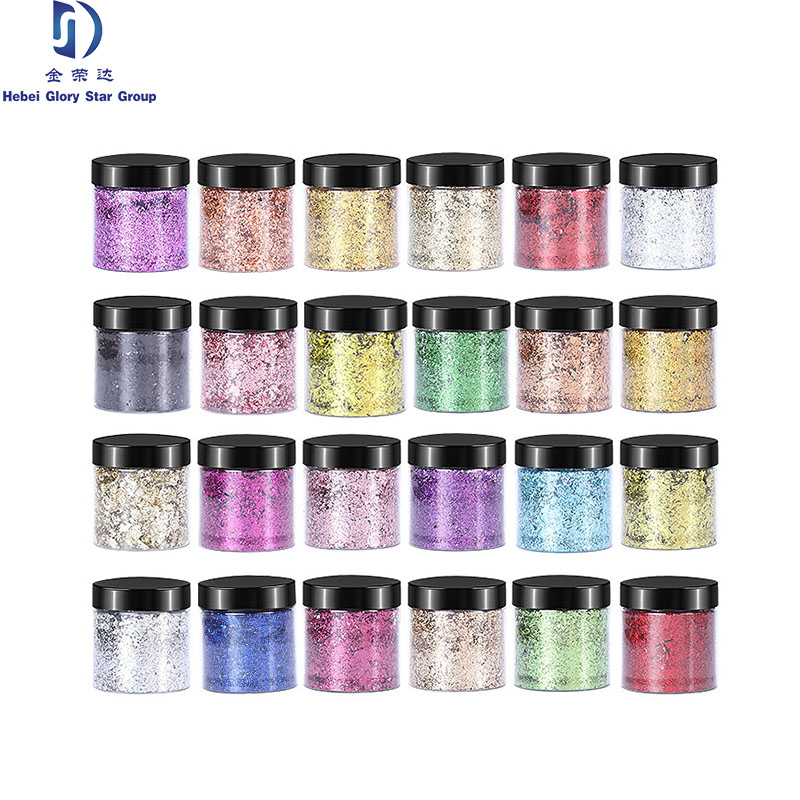
Manufacturing Process of Cosmetic Mica Pigment
The production of high-quality cosmetic mica pigment is a meticulously controlled multi-stage process, beginning with the careful selection of raw materials and culminating in a finely calibrated finished product. This intricate process ensures consistent performance, safety, and aesthetic quality, adhering to stringent industry standards.
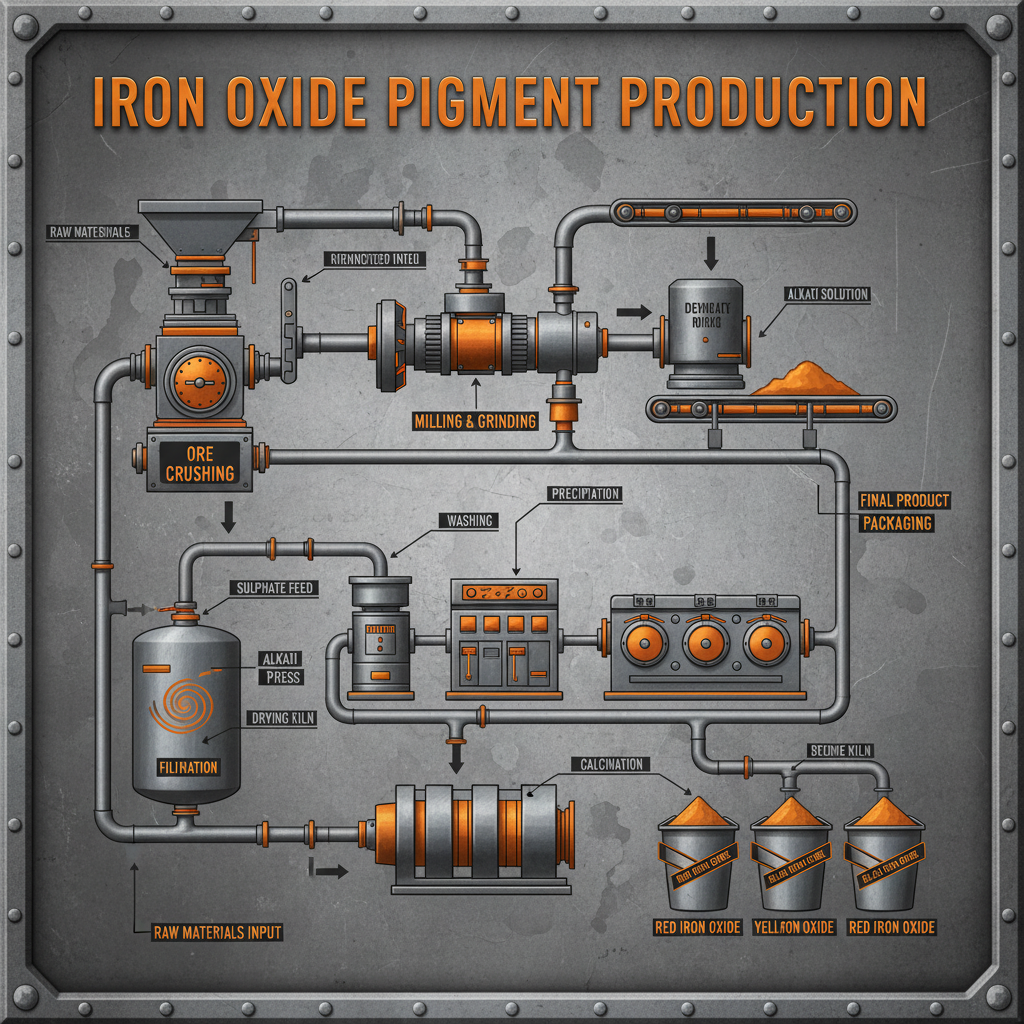
Process Flow:
- Raw Material Sourcing & Pre-treatment: High-purity muscovite mica flakes are meticulously selected. These natural lamellar silicates undergo initial washing and sorting to remove impurities. The quality of the raw mica substrate is paramount, as it dictates the final pigment's luster and transparency.
- Grinding & Micronization: The mica flakes are then subjected to dry or wet grinding processes to achieve specific particle size distributions. This micronization step is critical for controlling the pearlescent effect, as smaller particles tend to produce a satin luster, while larger particles yield a sparkling effect. Precise control over particle size, often verified through laser diffraction, is essential for consistent batch quality.
-
Surface Coating (Chemical Vapor Deposition or Wet Chemistry): This is the core stage where the pearlescent effect is created. The micronized mica substrate is coated with ultra-thin layers of high refractive index metal oxides, predominantly titanium dioxide (TiO2) and/or iron oxides (Fe2O3).
- Titanium Dioxide Coating: Multiple layers of TiO2 are precisely deposited. The thickness of these layers determines the interference colors (e.g., silver, gold, red, blue, green) by selectively reflecting different wavelengths of light. This process is often conducted in a fluidized bed reactor or through wet chemical precipitation.
- Iron Oxide Coating: For bronze, copper, and earthy tones, iron oxides are used, often in combination with TiO2. The ratio and specific oxidation state of the iron oxide are carefully controlled.
- Calcination: The coated mica pigments are then calcined (heat-treated) at high temperatures (typically 600-900°C). This step stabilizes the metal oxide layers, enhances their adherence to the mica substrate, improves color intensity, and ensures the pigment's chemical and thermal stability in diverse cosmetic formulations.
-
Post-treatment & Quality Control: After calcination, the pigments undergo further processing, which may include agglomerate breaking, surface treatment (e.g., with silicones for improved dispersibility or feel), and extensive quality control checks.
- Testing Standards: Products are rigorously tested against international standards such as ISO 9001 for quality management, and specific cosmetic regulations (e.g., FDA, EU Cosmetic Regulation 1223/2009 for heavy metal limits like lead, arsenic, mercury, and antimony; microbiological purity according to USP or EP standards).
- Performance Metrics: Color consistency (CIELAB values), particle size distribution, oil absorption, pH, heavy metal content, and microbial counts are routinely monitored.
This meticulous process ensures that each batch of cosmetic mica pigment meets the highest benchmarks for safety, purity, and performance, critical for applications ranging from delicate eye shadows to robust lipsticks and nail lacquers.
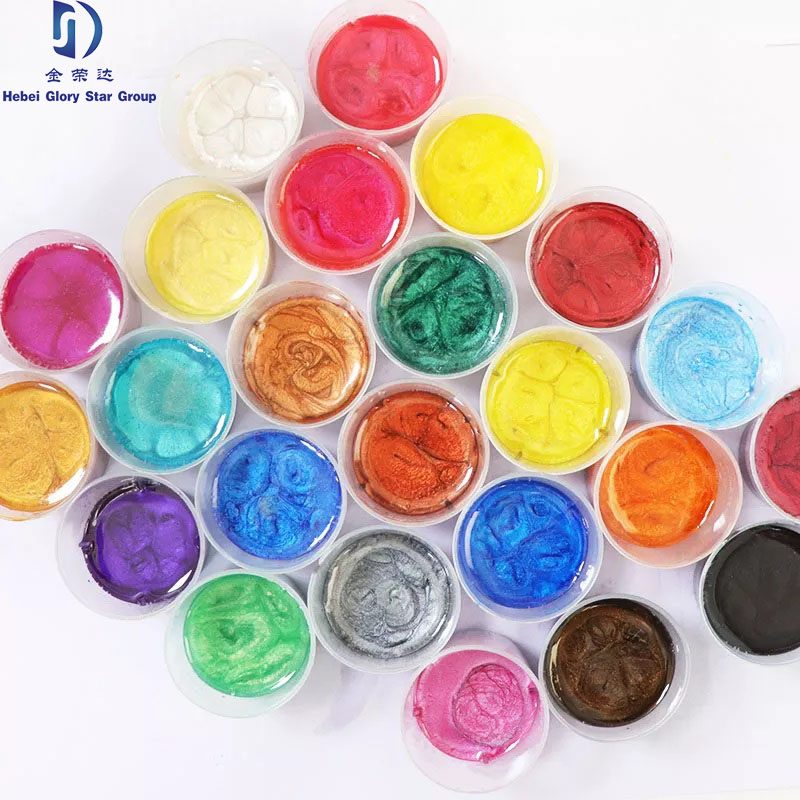
Technical Specifications and Performance Parameters
The efficacy and safety of cosmetic mica pigment are directly quantifiable through a range of technical specifications. These parameters are vital for formulators to ensure product compatibility, stability, and desired aesthetic outcomes. Understanding these specifications is paramount for selecting the appropriate pigment for specific cosmetic applications, from providing subtle sheen to vibrant color intensity.
Typical Technical Specifications for Cosmetic Grade Mica Pigments:
| Parameter | Specification Range | Importance to Cosmetics |
|---|---|---|
| Particle Size Distribution (PSD) | D50: 5-250 microns (μm) | Determines shimmer intensity (finer = satin, coarser = sparkle), skin feel, and dispersion properties. Critical for eye candy pigment formulations. |
| Purity (Mica content) | >90% (coated mica) | Ensures high color payoff and safety; minimizes unwanted impurities. |
| Heavy Metal Content | Pb < 10 ppm, As < 2 ppm, Hg < 1 ppm, Sb < 5 ppm, Cd < 3 ppm | Strict compliance with global cosmetic regulations (FDA, EU 1223/2009) to ensure consumer safety. Essential for lip safe mica. |
| pH Value (10% aqueous suspension) | 6.0 - 9.0 | Influences pigment stability and compatibility within cosmetic formulations; prevents degradation. |
| Oil Absorption (g/100g) | 20 - 60 g/100g | Affects texture, spreadability, and formulation viscosity. Lower values facilitate easier dispersion. |
| Specific Gravity | 2.8 - 3.2 g/cm³ | Relevant for formulation density and suspension stability in liquid products. |
| Loss on Ignition (LOI) | < 0.5% | Indicates minimal volatile matter, ensuring pigment stability during processing and product shelf life. |
| Lightfastness | Excellent (typically 7-8 on Blue Wool Scale) | Ensures color stability and prevents fading when exposed to light, critical for product longevity. |
Beyond these core parameters, additional attributes such as gloss units, color shift (chromaticity), and opacity can be characterized to precisely match formulation requirements. Reputable suppliers provide comprehensive Certificates of Analysis (CoA) for each batch, guaranteeing adherence to these critical specifications and reinforcing product integrity for all cosmetic mica powders.
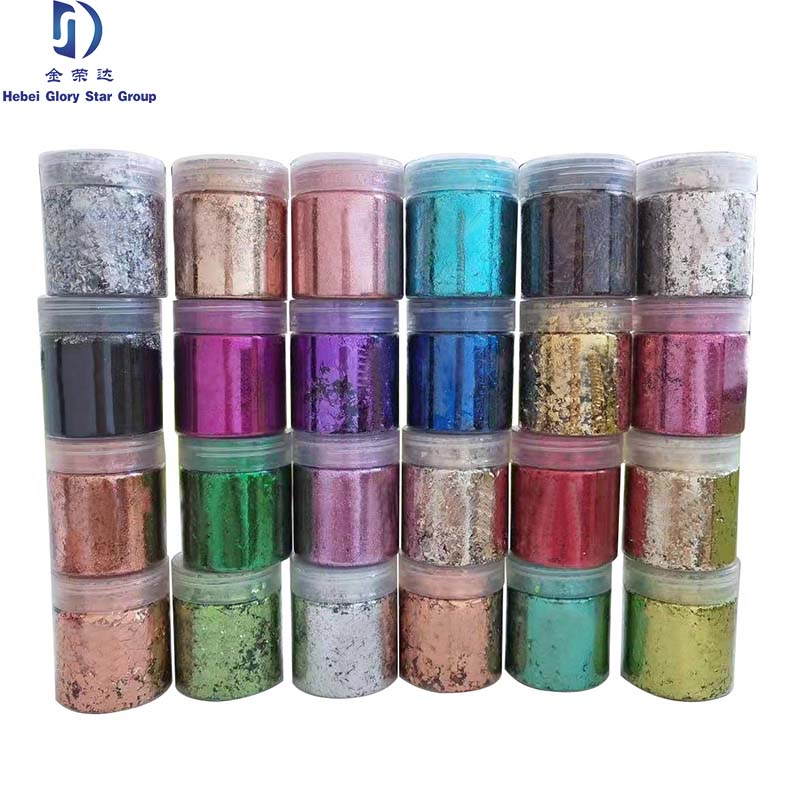
Application Scenarios Across the Cosmetic Spectrum
The versatility of cosmetic mica pigment makes it an indispensable ingredient across a broad range of cosmetic and personal care products. Its ability to impart luster, depth, and a spectrum of colors makes it a preferred choice for formulators aiming to create visually stunning and high-performance products.
Key Application Areas:
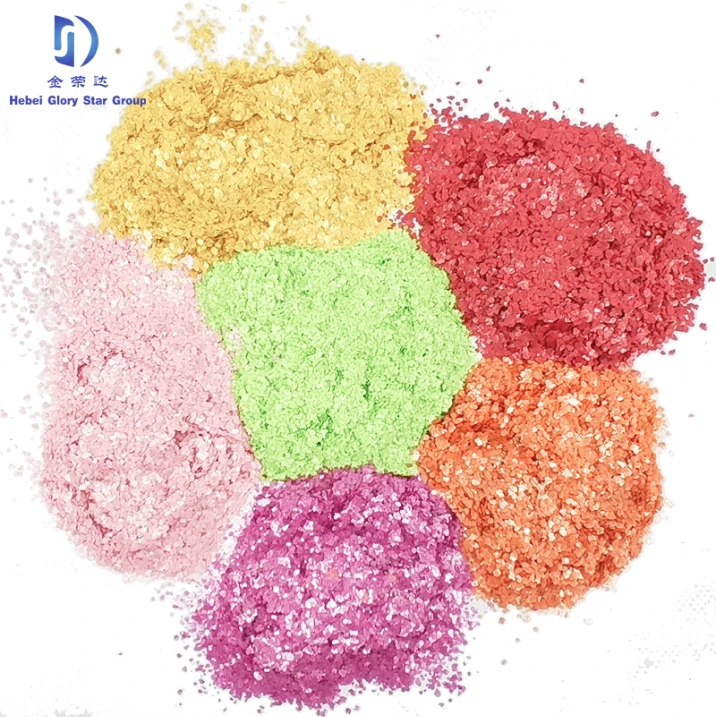
- Eyeshadows and Eyeliners: Mica pigments are fundamental for creating the vibrant, multi-dimensional, and long-lasting effects desired in eye makeup. Different particle sizes contribute to various finishes, from subtle sheen to intense glitter, making them ideal eye candy pigment choices. Their excellent adhesion and blendability ensure smooth application and minimal creasing.
- Lipsticks, Lip Glosses, and Balms: Formulators leverage cosmetic mica pigment to add pearlescent effects, metallic finishes, and iridescent shimmer to lip products. Crucially, suppliers must ensure the mica is lip safe mica, meeting strict heavy metal and microbiological purity standards. This ensures the pigments are non-toxic and suitable for ingestion in small quantities.
- Foundations, Concealers, and Powders: In face makeup, fine-particle cosmetic mica pigment is used to impart a subtle, radiant glow, blurring imperfections and creating a healthy, luminous complexion without appearing greasy. It can also enhance product texture and spreadability.
- Nail Polishes and Gels: The exceptional light reflection properties of mica make it perfect for creating a wide array of dazzling effects in nail formulations, from classic pearls to iridescent and holographic finishes. The chemical inertness of the pigment ensures compatibility with various solvent systems used in nail lacquer.
- Body Shimmers and Lotions: For products designed to highlight and illuminate the body, cosmetic mica pigment provides a safe and effective way to deliver sparkling effects. Its non-irritating nature makes it suitable for large-area application.
- DIY Soap Making and Crafts: Beyond traditional cosmetics, cosmetic mica pigment is highly sought after by artisans for creating vibrant, swirling, and pearlescent effects in handmade soaps, bath bombs, and other personal care crafts. Its stability in various pH environments and non-bleeding properties are highly valued in these applications.
The ability to blend different particle sizes and coating thicknesses of mica colors for cosmetics allows for an endless spectrum of visual effects, catering to diverse brand aesthetics and consumer preferences. The functional benefits extend beyond aesthetics, contributing to improved texture, adherence, and overall product performance.
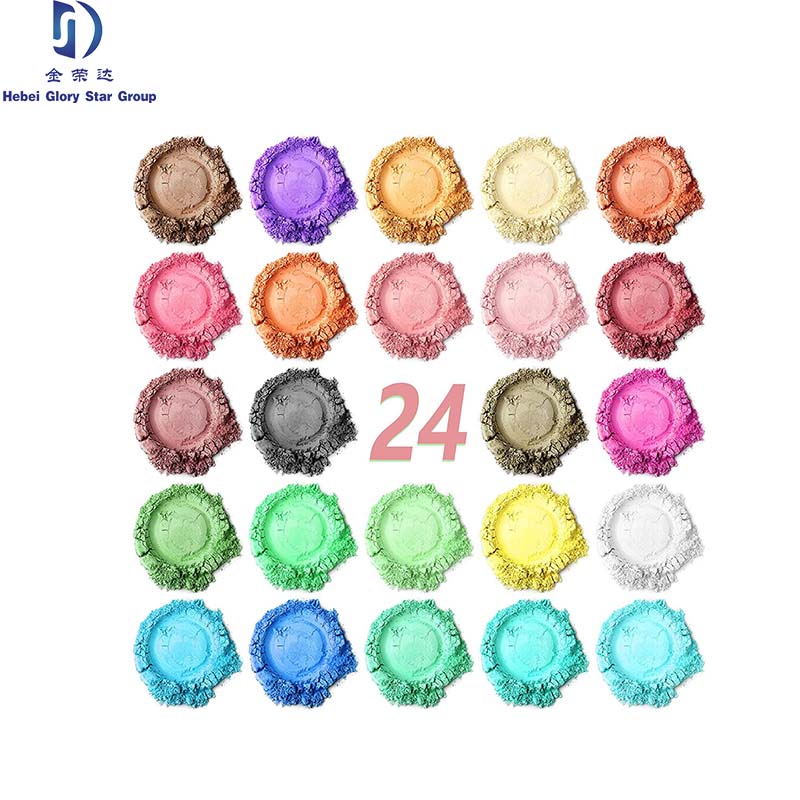
Technical Advantages and Competitive Edge
The technical advantages of cosmetic mica pigment position it as a superior choice compared to many traditional or synthetic pigment alternatives. Its unique lamellar structure and advanced coating technologies provide unparalleled performance attributes crucial for high-end cosmetic formulations.
Key Technical Advantages:
- Superior Pearlescent & Interference Effects: Unlike conventional absorption pigments, cosmetic mica pigment creates color through light interference, scattering, and reflection. This results in a dynamic, multi-tonal luster that shifts with viewing angles, offering a depth and radiance unattainable with other pigment types.
- Excellent Lightfastness & Chemical Stability: The robust metal oxide coatings (e.g., TiO2, Fe2O3) firmly adhere to the mica substrate, providing exceptional resistance to UV degradation, heat, and various chemical agents commonly found in cosmetic matrices. This ensures color integrity and product longevity, making them a reliable choice for long-wear cosmetics.
- Non-Toxic & Skin-Friendly Profile: As a natural mineral substrate (muscovite mica) coated with inert cosmetic-grade oxides, these pigments are non-toxic, non-irritating, and generally well-tolerated by sensitive skin. They meet stringent regulatory requirements globally (e.g., FDA, EU, Japanese standards), making them safe for a wide range of applications, including lip safe mica products.
- Enhanced Dispersibility & Formulation Versatility: Modern cosmetic mica powders are engineered for excellent dispersibility in both oil-based and water-based systems. This facilitates smoother processing, prevents agglomeration, and ensures uniform color distribution in final products, from emulsions to pressed powders.
- Customizable Optical Properties: Through precise control over particle size, coating thickness, and layering of different metal oxides, manufacturers can engineer pigments to achieve specific optical properties—from sheer, subtle shimmer to opaque, metallic effects, and a broad spectrum of interference colors. This enables unparalleled creative freedom for product developers using mica colors for cosmetics.
Comparison with Alternatives:
| Feature | Cosmetic Mica Pigment | Organic Pigments (e.g., D&C dyes) | Inorganic Pigments (e.g., Iron Oxides) |
|---|---|---|---|
| Visual Effect | Pearlescent, iridescent, shimmer, metallic. Depth and dimension. | Vibrant, intense, opaque colors. No shimmer. | Opaque, matte, earthy tones. No shimmer. |
| Lightfastness | Excellent (highly stable) | Moderate to good (can fade) | Excellent (very stable) |
| Skin Compatibility | Very good (non-irritating, inert) | Can be sensitizing for some individuals | Good (inert, but can be drying) |
| Regulatory Status | Globally approved with specific purity limits | Strictly regulated with restricted use cases | Generally approved, some limits |
| Color Range | Extensive pearlescent and interference colors | Broad range of vivid, flat colors | Limited to earthy tones (red, yellow, black) |
These advantages underscore why cosmetic mica pigment remains a preferred choice for formulators seeking to create innovative, high-quality cosmetic products that stand out in a competitive market.
Vendor Comparison and Selection Criteria
Selecting the right supplier for cosmetic mica pigment is a strategic decision that directly impacts product quality, regulatory compliance, and supply chain reliability. While Glorystar Export is a leading provider, understanding the broader criteria for vendor evaluation is crucial for any B2B decision-maker in the cosmetic industry.
Key Factors for Vendor Selection:
- Quality and Consistency: A top-tier vendor consistently supplies cosmetic mica pigment that adheres to strict specifications (particle size, color values, purity). Look for ISO 9001 certification and comprehensive Certificates of Analysis (CoA) with every batch. Batch-to-batch consistency is paramount for maintaining brand reputation.
- Regulatory Compliance & Certifications: Ensure the supplier's pigments meet global cosmetic regulations (FDA, EU 1223/2009, REACH). Certifications for heavy metal limits, microbiological purity, and ethical sourcing (e.g., Responsible Mica Initiative participation for natural mica) are critical. This is especially important for products marketed as lip safe mica.
- Technical Support & Expertise: A valuable partner offers in-depth technical assistance, helping formulators choose the right cosmetic mica powders for specific applications, troubleshoot formulation challenges, and understand pigment behavior. This expertise can significantly shorten product development cycles.
- Customization Capabilities: For unique product lines, the ability to custom-blend colors, modify particle sizes, or apply specialized surface treatments provides a competitive edge. This demonstrates the vendor's commitment to supporting innovative mica colors for cosmetics.
- Supply Chain Reliability & Lead Time: Assess the vendor's manufacturing capacity, inventory management, and logistics to ensure consistent supply and reasonable lead times, especially for high-volume orders. A robust supply chain minimizes production delays.
- Pricing Structure & Value: While competitive pricing is important, it should be balanced against the value offered in terms of quality, support, and reliability. The lowest price may sometimes compromise other critical factors.
General Comparison of Supplier Offerings:
| Attribute | Tier 1 Supplier (e.g., Glorystar) | Mid-Tier Supplier | Commodity Supplier |
|---|---|---|---|
| Product Range | Extensive, highly diverse pigment types, custom colors. | Standard range, some specialization. | Limited, basic colors, bulk. |
| Certifications | Full suite (ISO, REACH, GMP, ethical sourcing). | Basic (ISO), limited regulatory support. | Minimal, often self-declared. |
| Technical Support | Dedicated R&D, formulation advice, troubleshooting. | Basic product data sheets. | Limited to none. |
| Customization | High flexibility, bespoke solutions. | Possible for large volumes only. | Not offered. |
| Lead Time | Consistent, predictable, often shorter for standard items. | Variable, can be longer for specialized orders. | Often long and inconsistent. |
Choosing a vendor is an investment in your product's future. Prioritizing long-term partnership with a reliable and knowledgeable supplier is key to success in the dynamic cosmetic market.
Customized Solutions and Application Case Studies
In the highly competitive cosmetics industry, differentiation is paramount. Customization of cosmetic mica pigment offers brands a unique opportunity to create signature products that stand out. Leading suppliers often collaborate closely with clients to develop tailor-made solutions, pushing the boundaries of conventional color and effect. This can involve bespoke particle size distributions, unique color blend ratios, specialized surface treatments, and custom packaging, all designed to meet precise formulation requirements and market demands for specific mica colors for cosmetics.
Customization Capabilities:
- Particle Size Engineering: Tailoring the average particle size (D50) and distribution range to achieve anything from a silky matte finish (ultra-fine) to a dazzling glitter effect (coarse), crucial for diverse applications like eye candy pigment formulations.
- Exclusive Color Blends: Developing unique interference colors or special blends of various pigments (mica, inorganic, organic) to create complex, multi-tonal effects that are proprietary to a brand.
- Advanced Surface Treatments: Applying hydrophobic or hydrophilic surface treatments (e.g., silicone, amino acid derivatives) to improve dispersibility in specific bases, enhance skin feel, or provide better adhesion and wear resistance. This is particularly beneficial for long-wear foundations or pressed powders.
- Packaging Solutions: Offering diverse packaging options, from bulk container111s for large manufacturers to smaller, pre-weighed sachets for R&D or specialty brands, ensuring ease of use and cost-efficiency.
Application Case Studies (Illustrative):
Case Study 1: Premium Luminous Foundation
A high-end cosmetic brand sought to develop a luminous foundation that offered a natural, lit-from-within glow without appearing glittery. Collaborating with their cosmetic mica pigment supplier, they developed a custom blend featuring ultra-fine particle size (D50 5-15 microns) titanium dioxide-coated mica. This specific pigment, with a custom surface treatment for enhanced oil dispersibility, allowed the foundation to achieve superior blendability and a subtle, soft-focus effect, minimizing the appearance of fine lines and pores. The resulting product launched to critical acclaim, lauded for its skin-perfecting radiance.
Case Study 2: Innovative Multi-Chrome Eyeshadow Palette
An indie beauty brand aimed to disrupt the market with a multi-chrome eyeshadow palette that displayed dramatic color shifts. The challenge was to achieve intense, vibrant, and stable color interference. The supplier provided custom-engineered cosmetic mica pigment with specific layer thicknesses of both titanium dioxide and iron oxide, yielding a unique spectral reflection. Each pigment in the palette was designed to shift through 2-3 distinct colors depending on the angle of light, creating true eye candy pigment. This innovative approach significantly boosted the brand's online presence and sales, becoming a viral success among beauty enthusiasts.
Ensuring Trustworthiness: FAQ, Logistics, Warranty & Support
Building trust with B2B clients requires transparency, reliability, and robust support systems. For critical ingredients like cosmetic mica pigment, these aspects are non-negotiable, ensuring product integrity and a seamless supply chain. Glorystar Export, for instance, has years of experience in the field, consistently delivering high-quality cosmetic-grade mica powders to diverse global clients.
Frequently Asked Questions (FAQ):
-
Q: Is your cosmetic mica pigment ethically sourced?
A: Yes, we prioritize ethical sourcing and transparency. Our supply chain for natural mica is carefully managed to ensure compliance with labor laws and sustainable practices. We are committed to responsible sourcing initiatives. -
Q: What is the shelf life of your mica pigments?
A: When stored in original, sealed container111s in a cool, dry place away from direct sunlight, our cosmetic mica pigment typically has a shelf life of 5 years from the manufacturing date. -
Q: Are your mica pigments vegan and cruelty-free?
A: Yes, our cosmetic mica powders are mineral-derived and do not contain any animal products. We do not conduct animal testing, nor do we commission third parties to do so. -
Q: Can I request samples for R&D purposes?
A: Absolutely. We understand the importance of testing. Sample requests can be submitted through our website or by contacting our sales team directly. -
Q: Do you provide regulatory documentation?
A: Yes, upon request and with an order, we provide comprehensive documentation including Certificates of Analysis (CoA), Safety Data Sheets (SDS), and statements of compliance with relevant cosmetic regulations (e.g., FDA, EU, REACH).
Lead Time & Fulfillment Details:
Standard lead times for in-stock cosmetic mica pigment orders typically range from 7-14 business days, depending on order size and destination. For customized solutions or large-volume orders, lead times will be confirmed at the time of quotation. We utilize established global logistics partners to ensure efficient and secure delivery worldwide. Expedited shipping options are available upon request for urgent requirements.
Warranty Commitments:
We stand by the quality of our cosmetic mica pigment. All products are warranted to meet the specifications outlined in their respective Certificates of Analysis (CoA) for a period of 12 months from the date of shipment, provided they are stored and handled appropriately. Any deviations from specifications must be reported within this period, and our team will work diligently to resolve the issue, including replacement or credit as deemed appropriate.
Customer Support & Technical Assistance:
Our dedicated customer support team and technical experts are available to assist with inquiries, provide product guidance, and offer troubleshooting support. From initial product selection to post-delivery assistance, we are committed to ensuring customer satisfaction. You can reach us via phone, email, or through our website's contact form during business hours. Our goal is to foster long-term partnerships built on trust and mutual success, ensuring that our cosmetic mica powders consistently meet and exceed your expectations.
Conclusion
The strategic integration of high-quality cosmetic mica pigment is critical for cosmetic manufacturers aiming for product excellence and market leadership. With its unparalleled aesthetic versatility, robust technical performance, and inherent safety profile, mica pigment stands as a cornerstone in modern cosmetic formulation. The commitment to rigorous manufacturing processes, adherence to international standards, and continuous innovation ensures that these pigments not only meet but often exceed the demanding expectations of the beauty industry. As consumer preferences continue to evolve towards 'cleaner' and more visually impactful products, the role of advanced cosmetic mica pigment will only grow in significance, driving innovation across a diverse range of applications from luxury cosmetics to creative DIY ventures.
Authoritative References:
- Mica in Cosmetics: Functionality and Regulatory Aspects. Personal Care Magazine, 2021.
- Cosmetic Regulation (EC) No 1223/2009 of the European Parliament and of the Council. Official Journal of the European Union.
- FDA (U.S. Food & Drug Administration) Color Additive Regulations. Code of Federal Regulations, Title 21, Part 70-82.
- The Chemistry and Physics of Coated Pearlescent Pigments. Journal of Cosmetic Science, 2018.
- ISO 9001:2015 Quality Management Systems – Requirements. International Organization for Standardization.
Post time: Sep-01-2025





.png "About")