

Why Garden Soil Vermiculite Matters More Than Ever
In the world of gardening, soil amendments can often feel like a dull afterthought – a bit of fluff behind the scenes. But, garden soil vermiculite is definitely an exception. This mineral additive is quietly reshaping how gardeners, farmers, and even humanitarian organizations think about healthy soil. Globally, as urban farming blooms and agricultural challenges mount amidst climate change, the humble mineral that is vermiculite is offering a powerful, sustainable way to improve soil moisture retention and nutrient delivery.
Understanding garden soil vermiculite means grasping a simple idea with outsized benefits: better plant growth, improved soil health, and smarter use of water resources. For anyone keen on sustainability, urban agriculture, or simply a greener thumb, this topic is worth a deep dive.
The Global Context: Why Garden Soil Vermiculite Is a Growing Priority
Did you know that the United Nations estimates that nearly 33% of global soils are moderately to severely degraded due to erosion, nutrient depletion, pollution, and urbanization? This puts food security and sustainable agriculture in a tight spot.
Vermiculite, a naturally occurring mineral, steps in here as a kind of soil superhero. Its ability to improve aeration and retain moisture is critical, especially for regions facing drought or poor soil conditions. Agriculture experts worldwide see vermiculite playing a big role, not just in small home gardens but also in large-scale commercial farming and even humanitarian efforts providing quick-growth solutions to vulnerable communities.
The challenge? Resource-constrained farmers often can't access high-quality soil amendments easily, yet they stand to gain the most. Bridging supply and demand for garden soil vermiculite could help millions.
What Is Garden Soil Vermiculite, Exactly?
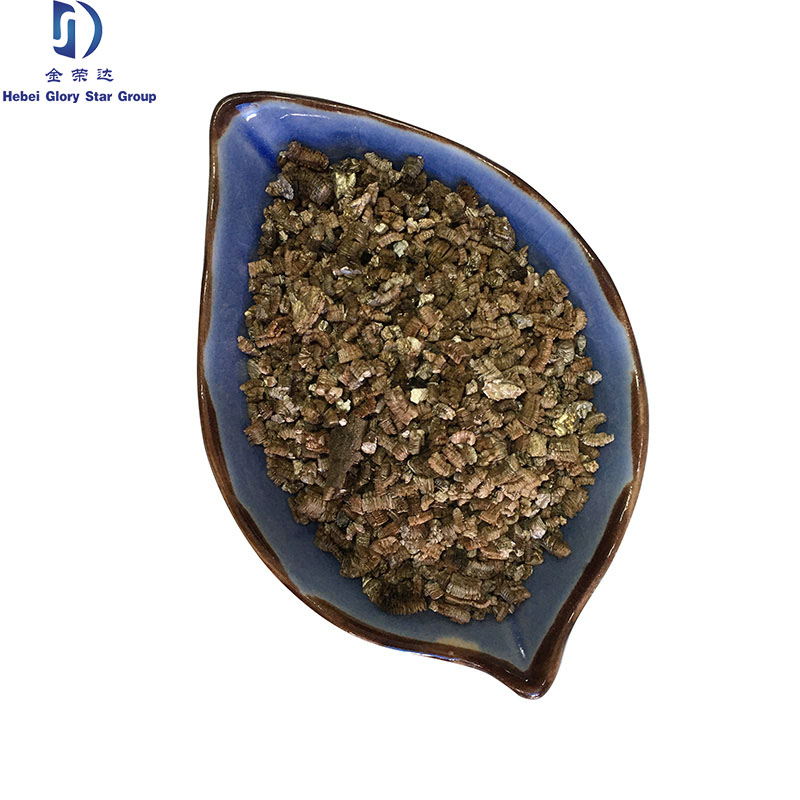
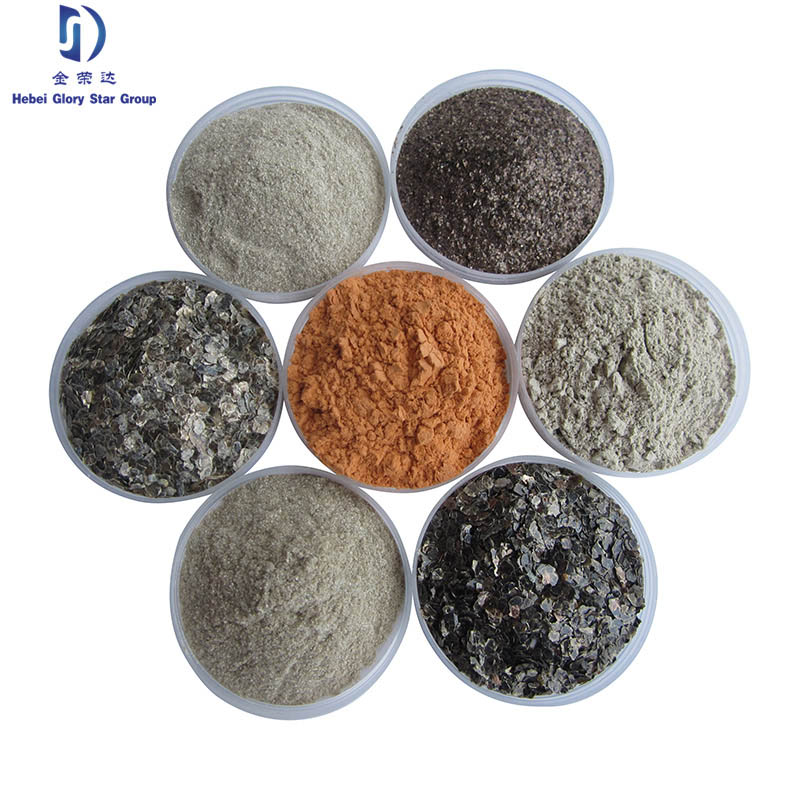
Simply put, vermiculite is a lightweight, spongy mineral that expands when heated, creating a porous material that can hold water and nutrients quite impressively. When mixed into garden soil, it enhances aeration—allowing roots to breathe—and locks in moisture while gradually releasing nutrients.
In modern agriculture and eco-friendly gardening, vermiculite’s importance is widely recognized. Not only does it help plants thrive, but in humanitarian contexts, vermiculite-enriched soil mixes are used in rapid greening projects, soil stabilization, and restoring degraded land to more productive use.
Mini Takeaway
Garden soil vermiculite is more than just fluff in your potting mix. Its swelling, water-trapping magic makes it a key ally against soil degradation and stressed plants worldwide.
Core Features of Garden Soil Vermiculite That Make It Irreplaceable
1. Water Retention
Vermiculite can hold three to four times its weight in water. For gardeners, that means less frequent watering and plants that tolerate dry spells better—an absolute win in water-scarce zones.
2. Aeration and Root Health
Those flap-like vermiculite particles keep soil loose and airy. Roots get the oxygen they need, preventing that soggy, suffocating soil feeling we all dread.
3. Nutrient Exchange
Its cation exchange capacity (CEC) allows vermiculite to hold onto nutrients and release them slowly, giving plants a steady food supply without washout or toxicity issues.
4. Lightweight and Easy to Mix
Unlike heavier additions like sand, vermiculite mixes easily with soil, making it popular in container gardening or rooftop farms where weight is a concern.
5. Sterile and pH Neutral
Being sterile reduces the risk of soil pathogens, and its neutral pH means it won’t dramatically alter your soil chemistry, keeping your plants happy.
Mini Takeaway
From moisture to nutrients, vermiculite is a multi-tasker in garden soil. Those properties explain its growing popularity beyond backyard gardeners to commercial growers and environmental projects.
How Is Garden Soil Vermiculite Used Around the World?
Its practical versatility has led to diverse applications everywhere from residential gardens in North America to large-scale crop production in parts of Africa and Asia.
- Agriculture: Farmers use vermiculite to improve soil in arid or nutrient-depleted areas, improving crop yields while conserving water.
- Horticulture: Nursery growers mix vermiculite into potting soils for seedlings and cuttings because it promotes healthy root development.
- Disaster Relief and Restoration: NGOs incorporate vermiculite in soil mixes during post-disaster replanting efforts to help soils recover quickly and sustainably.
- Urban Farming and Rooftop Gardens: Vermiculite’s lightweight nature is ideal for shallow, container-based soils in heavy city environments.
For example, in post-wildfire reforestation projects in California, carefully blended mixes including vermiculite have helped seedlings get a vital moisture buffer in otherwise rocky soils.
If you’re curious about how to source high-grade vermiculite, including options tailored for garden soil, see garden soil vermiculite suppliers who specialize in quality and consistency.
Specifications of Popular Garden Soil Vermiculite Grades
| Grade | Particle Size | Moisture Retention | pH Range | Typical Use |
|---|---|---|---|---|
| Fine | Less than 1 mm | High (around 3.5x weight) | 6.5 to 7.2 | Seed starting mixes, cuttings |
| Medium | 1–3 mm | Moderate | 6.5 to 7.2 | Potting soil blends, container gardens |
| Coarse | 3–6 mm | Lower | 6.5 to 7.2 | Soil conditioning, seedbeds |
Comparing Leading Garden Soil Vermiculite Vendors
| Vendor | Origin | Quality Certification | Typical Package Size | Price Range (USD) | Notes |
|---|---|---|---|---|---|
| VermiGrow Inc. | USA | ISO 9001 | 25 kg bags | $15–$20 | Fine-grade for seed starting |
| GreenEarth Minerals | South Africa | GlobalG.A.P. | 50 kg bags | $12–$18 | Specializes in bulk orders for farms |
| GloryStar Export | India | ISO 14001 | 20-25 kg bags | $10–$16 | Eco-friendly mined vermiculite |
Why Garden Soil Vermiculite Is a Long-Term Investment
Beyond simply growing healthier plants, vermiculite helps gardeners and farmers conserve water—one of the most pressing issues globally. Its ability to retain water reduces irrigation needs, easing stress on water systems and saving money. There's also a social angle: better crop yields and healthier soil translate into increased food security and local economic stability in vulnerable regions.
Plus, the mineral’s sterile nature makes it safer for urban or indoor gardening, where people understandably worry about pathogens or contaminants. Over time, gardeners notice more consistent plant growth and resilience, making vermiculite a trust-worthy addition to their soil toolkit.
Looking Ahead: Innovations and Sustainability in Vermiculite Use
Oddly enough, while vermiculite itself is a naturally occurring mineral, innovation is still buzzing around how it’s mined, processed, and combined with other soil amendments. New eco-friendly mining practices aim to reduce the environmental footprints of vermiculite production.
Technologies like precision agriculture use sensors to optimize soil amendment blends, tailoring water retention and nutrients exactly where needed—often involving garden soil vermiculite as a crucial ingredient.
And with the rise of smart greenhouses and urban vertical farms, lightweight, nutrient-retentive mixes containing vermiculite are becoming components of highly controlled and automated growing systems.
Common Questions About Garden Soil Vermiculite
Q1: How often should I add vermiculite to my garden soil?
A: Generally, it’s good practice to mix vermiculite into your soil at planting time or when preparing seed beds. Because it stays in the soil, re-application isn’t needed every season—usually every 2-3 years suffices, depending on your soil condition and crop needs.
Q2: Can vermiculite help plants during droughts?
A: Absolutely. Vermiculite’s water-holding capacity means it buffers plants against dry spells by slowly releasing moisture, reducing stress and improving survival rates, especially for young seedlings.
Q3: Is vermiculite safe for edible plants?
A: Yes, vermiculite is sterile and pH-neutral, making it safe for use with vegetables, herbs, and fruits grown both in gardens and containers.
Q4: How does vermiculite compare to perlite?
A: Vermiculite holds more water and nutrients than perlite but is heavier. Perlite is better for aeration without retaining much water, so many gardeners use a blend for balance.
Q5: Where can I buy quality garden soil vermiculite?
A: Look for reputable suppliers like garden soil vermiculite specialists who provide certified, eco-friendly options according to your region’s needs.
Wrapping It Up: Why Garden Soil Vermiculite Makes Sense For Your Soil
Long story short, vermiculite is a quiet game-changer in soil amendment circles worldwide. Its unique ability to retain water and nutrients—while keeping soil light and aerated—makes it indispensable from the smallest balcony garden to large-scale farms or land restoration projects.
If you’re looking to boost your soil’s health sustainably, vermiculite is worth considering. For tailored products and sourcing, a visit to garden soil vermiculite providers can guide you to the right grade and mix for your needs. Happy planting!
References
Post time: Nov-20-2025



.png "About")