

What Is Garden Perlite Vermiculite and Why Should We Care?
At first glance, garden perlite vermiculite sounds like a mouthful — a jumble of gardening words we might overlook as niche or technical. But these two natural mineral additives, often paired together, have quietly revolutionized how we approach soil health, horticulture, and even sustainable agriculture worldwide. In an age of increasing food demand and environmental challenges, understanding garden perlite vermiculite isn’t just for green thumbs; it matters globally.
Why? Because these materials improve water retention, aeration, and nutrient delivery in soils — factors critical to sustainable crop yields, urban gardening, and even humanitarian agriculture projects in arid or degraded soils. So, if you want to peek behind what goes into healthy, productive soils, this topic is an unexpected but essential cornerstone.
Understanding the Global Impact of Garden Perlite Vermiculite
The global agriculture landscape is under pressure — crop demand is expected to grow by roughly 70% by 2050 according to the UN Food and Agriculture Organization (FAO). Soil degradation and water scarcity compound this challenge, affecting plant growth and food security on a massive scale. Garden perlite vermiculite comes in as a practical solution.
Data from the World Bank points out that improving soil quality enhances crop yields by up to 30% in vulnerable regions. Perlite and vermiculite, both naturally occurring silicate minerals, help with water retention and aeration, factors directly linked to better soil health and plant growth.
Frankly, in contexts ranging from small community gardens in Africa to large-scale commercial nurseries in Europe and America, these minerals address critical problems:
- Improving lightweight soil mixtures for container gardening
- Enhancing water holding capacity in drought-prone areas
- Reducing the reliance on chemical fertilizers
Defining Garden Perlite and Vermiculite – What’s in a Name?
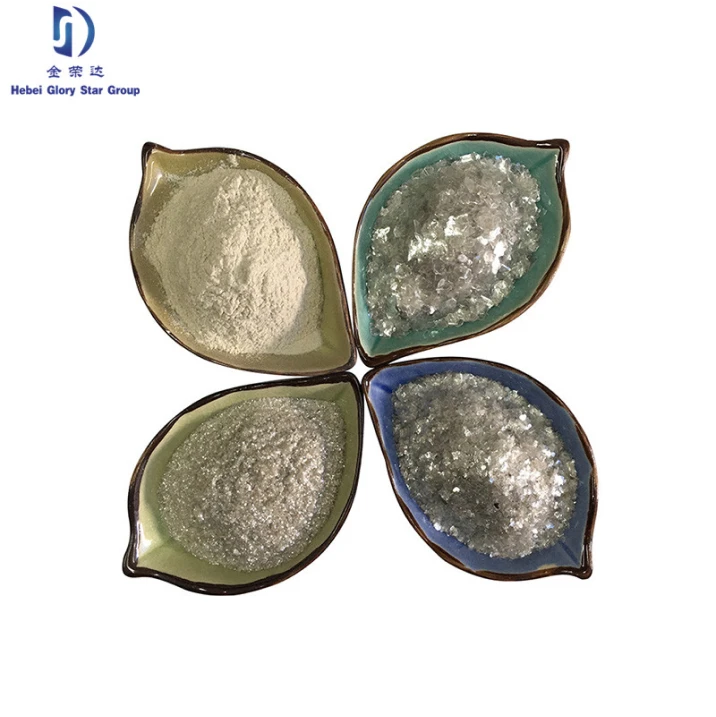
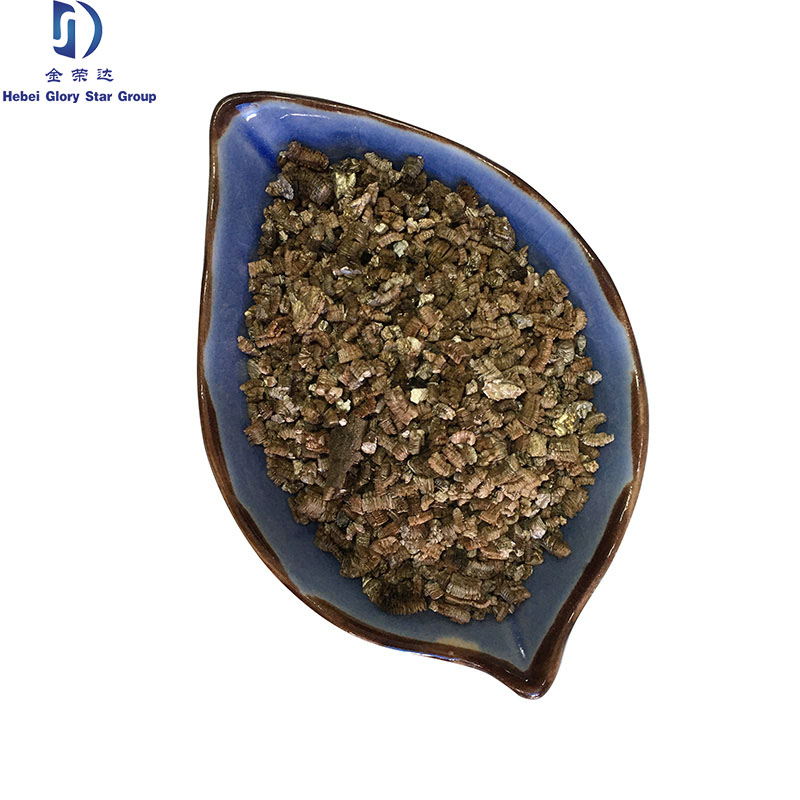
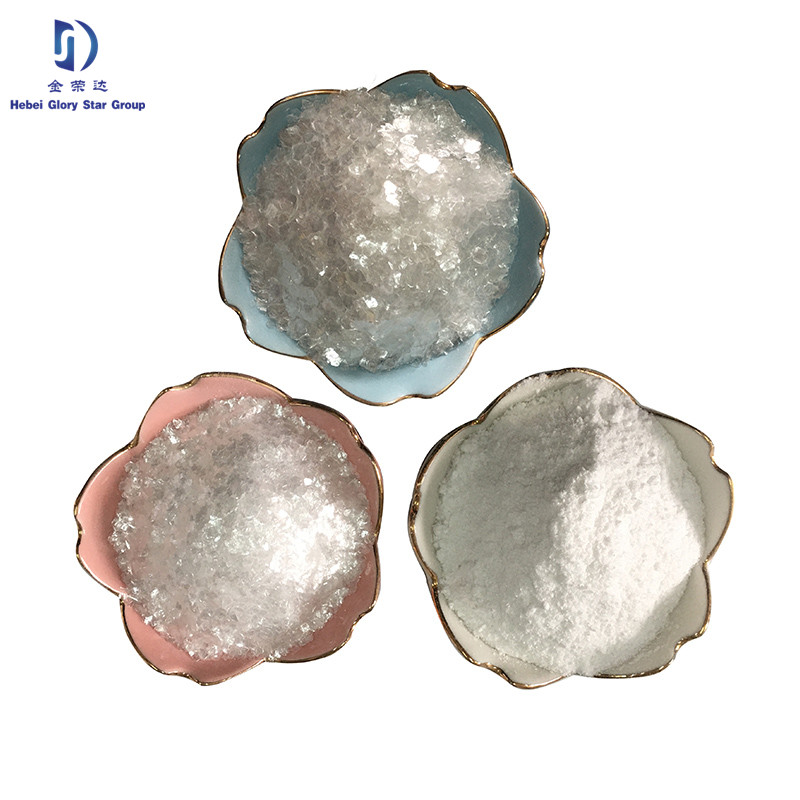
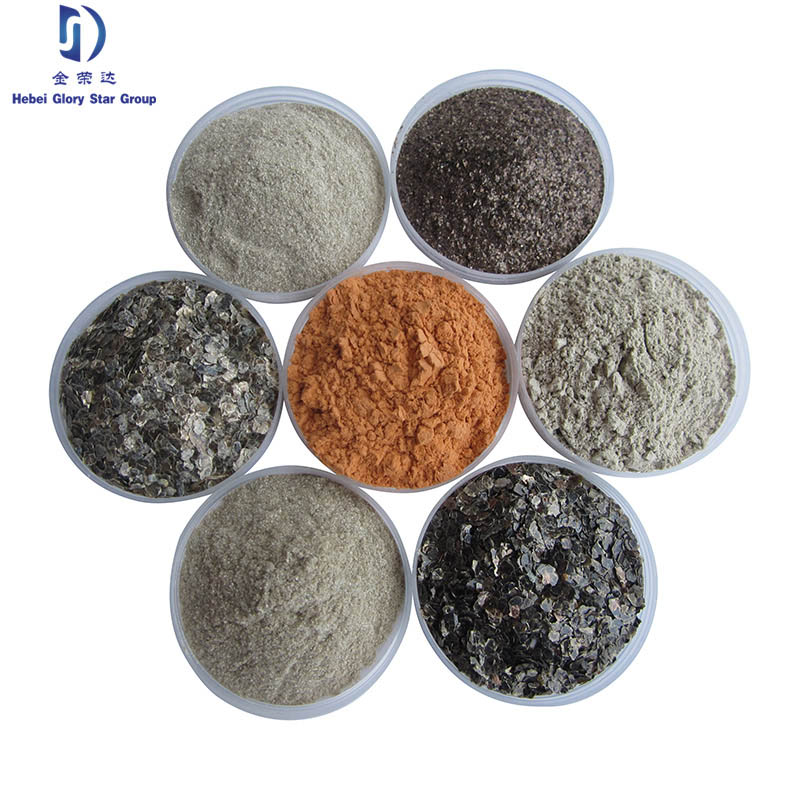
Simply put, perlite is a volcanic glass that expands when heated to about 850–900°C, creating lightweight, porous white granules. Vermiculite, on the other hand, is a mica-like mineral that swells when heated, resulting in soft, spongy flakes that hold water well.
In the gardening world, these two materials are often mixed into soils to improve structure. Perlite’s porous nature encourages aeration and drainage, preventing root rot. Vermiculite excels at retaining moisture and nutrients — basically acting as a natural sponge.
Their combined effect is particularly valuable, making soil lighter, better-drained, and nutritionally supportive — crucial for modern horticulture as well as humanitarian agriculture. Think of them as the unsung heroes enabling plants to breathe and drink properly.
Core Characteristics That Make Garden Perlite Vermiculite Stand Out
1. Water Retention & Aeration
Vermiculite’s cellular structure soaks up water like a tiny reservoir, slowly releasing moisture to plant roots. Meanwhile, perlite’s hollows keep the soil loose and well-ventilated. This balance avoids waterlogging without drying out roots — a delicate dance in plant care.
2. Lightweight and Easy to Handle
Both materials dramatically reduce soil weight, ideal for container gardens and rooftop farms. This portability is an advantage often overlooked, especially in urban agriculture and vertical farming where every ounce counts.
3. pH Neutrality and Non-toxic Nature
Neither perlite nor vermiculite alter soil pH significantly, making them versatile choices across various plants. Plus, they don’t introduce contaminants or decompose, providing lasting soil enhancement.
4. Sustainable & Environmentally Friendly
Being naturally sourced minerals, both materials are reusable and recyclable in many cases. Their usage reduces the need for synthetic soil conditioners or excessive irrigation.
5. Thermal Insulation
Interestingly, their porousness offers some soil insulation, protecting roots from extreme temperatures. This is particularly useful in climates with wide temperature shifts.
Garden Perlite Vermiculite in Practice: A Global Perspective
Applications span a remarkable range:
- Urban Gardening: Rooftop and balcony planters around Europe often rely on mixtures of perlite and vermiculite for healthy plant growth.
- Commercial Nurseries: In the US and Japan, seedling starters benefit from these additives to improve germination rates and root development.
- Agricultural Rehabilitation: In sub-Saharan Africa, NGOs use treated soils with these minerals to rebuild degraded farms suffering from drought and poor water retention.
- Disaster Relief Agriculture: Post-disaster zones in Asia have incorporated these minerals to support rapid crop revival efforts in fragile soils.
Product Specification Table: Typical Garden Perlite & Vermiculite Mix
| Parameter | Perlite | Vermiculite |
|---|---|---|
| Particle Size | 2-5 mm granules | 1-3 mm flakes |
| Water Retention Capacity | Low (~20%) | High (~200%) |
| Bulk Density | 90-110 kg/m³ | 90-130 kg/m³ |
| pH Level | 6.5-7.5 (neutral) | 6.0-8.5 (neutral slightly alkaline) |
| Thermal Conductivity | Low (insulating) | Low (insulating) |
Why Garden Perlite Vermiculite Is A Smart Long-Term Investment
Many gardeners and large agricultural operations swear by these minerals because:
- Cost-efficiency: Although slightly pricier upfront, their durability reduces ongoing soil amendments and watering costs.
- Sustainability: Both reduce water use and chemical fertilizer dependency, aligning with global eco-goals.
- Social Impact: Enabling food production in challenging soils supports community resilience and dignity.
- Reliability: Their mineral nature means they don’t break down under heat or moisture, lasting through seasons.
Emotionally, the idea of nurturing a healthy plant without the constant battle against soil compaction or drought adds a layer of satisfaction and peace. You know you’re working with nature, not against it.
Looking Forward: Innovations and Trends in Garden Perlite Vermiculite Usage
The future is quite interesting. Researchers are exploring nano-engineered vermiculite particles for improved nutrient delivery. Meanwhile, combined with digital soil sensors, perlite and vermiculite become part of smart irrigation systems, reducing water wastage.
Green energy integration means that mining and processing of these minerals aim to reduce carbon footprints. Some startups are investigating bio-based coatings to enhance these minerals’ nutrient holding capacity further.
Oddly enough, the seemingly simple garden perlite vermiculite dynamic is intersecting with digital agriculture, green tech, and automation — pretty cool for a humble soil additive!
Overcoming Challenges in Using Garden Perlite Vermiculite
Despite all advantages, there are caveats:
- Cost Barriers: High-quality perlite and vermiculite can be expensive and scarce in some developing regions.
- Environmental Concerns: Mining affects landscapes if not managed sustainably.
- Mixing Ratios: Improper use can lead to overly dry or soggy soils.
Experts suggest sourcing certified sustainable materials, educating users on proper mix ratios (usually 1:1 to 3:1 in favor of perlite), and integrating these with organic matter for balance.
Here's hoping for further innovations in material processing and wider availability soon.
FAQ: Frequently Asked Questions About Garden Perlite Vermiculite
- Q: Can garden perlite vermiculite be used for all types of plants?
- A: While generally versatile, delicate seedlings often prefer higher vermiculite content for moisture retention, whereas succulents do better with more perlite for drainage. Adjust mixture based on plant needs.
- Q: How does garden perlite vermiculite improve water usage efficiency?
- Vermiculite absorbs and retains water, releasing it slowly to roots, reducing watering frequency. Perlite improves drainage, preventing waterlogging and water waste.
- Q: Is it safe to use garden perlite vermiculite indoors?
- Yes, they are non-toxic and dust-free per processing standards. Still, avoid inhaling dust when handling loose material by moistening before mixing.
- Q: Where can I buy quality garden perlite vermiculite?
- Several specialized suppliers exist globally. For reliable sourcing and export-ready products, check garden perlite vermiculite providers with ISO certifications.
- Q: How long does a typical mix last in a raised garden bed?
- Due to their mineral nature, perlite and vermiculite can last several years without significant degradation, but mixing with organic matter means periodic replenishment to maintain soil fertility.
Vendor Comparison: Top Garden Perlite Vermiculite Suppliers
| Supplier | ISO Certification | Price Range (per ton) | Primary Market | Sustainability Practices |
|---|---|---|---|---|
| Glory Star Export | ISO 9001:2015 | $350 - $450 | Global, including Europe & Asia | Eco-friendly mining & recycling |
| Perlite International | ISO 14001 | $380 - $470 | North America & EU | Sustainable quarry management |
| EcoGrow Minerals | Pending | $300 - $400 | Africa & South America | Community mining partnerships |
Final Thoughts: Why Garden Perlite Vermiculite Is Worth the Attention
So, while these minerals may not headline the latest gardening trend or tech buzz, their impact is tangible and profound. Garden perlite vermiculite blends ancient geological processes with modern horticulture and sustainability goals. They've quietly seeded practical solutions to soil challenges worldwide. Whether you’re a home gardener or part of a massive agricultural supply chain, these materials offer enduring benefits — improving growth, conserving water, and supporting resilient crops.
If the idea of sustainable, smarter soil preparation appeals to you, or your next project needs a reliable soil amendment, consider exploring trusted suppliers like garden perlite vermiculite. Sometimes, the simplest natural materials can make all the difference.
References:
Post time: Nov-20-2025


.png "About")