

The Global Importance of Organic Vermiculite: What You Should Know
If you’ve never heard of organic vermiculite, you’re not alone — yet its significance stretches right across agriculture, construction, and environmental care worldwide. At first glance, it might seem like just another mineral-based product, but the truth is, organic vermiculite plays an important role in enhancing soil health, conserving water, and improving material sustainability.
Globally, issues like degraded soils, water scarcity, and the push for greener building materials have made organic vermiculite a quiet hero. Understanding its benefits isn’t just academic — it’s about connecting dots between ecology, economy, and even humanitarian relief efforts.
Mini takeaway: Organic vermiculite isn’t just a product; it’s a solution to some pressing global challenges around resource efficiency and sustainability.
The Global Perspective: Why Organic Vermiculite Matters More Than Ever
According to the United Nations, over 33% of the Earth’s soils are moderately to highly degraded due to erosion, nutrient depletion, and pollution (1). Meanwhile, climate change increases the urgency for materials that enhance water retention and promote sustainable agriculture. Here's where organic vermiculite enters the scene.
World Bank statistics also point to the rising demand for eco-friendly construction and soil enhancers, especially in Asia and Africa. In regions facing drought or poor soil, organic vermiculite’s properties offer a surprisingly effective fix.
Yet, the challenge remains: how to produce and deliver this resource efficiently without damaging natural reserves or inflating costs? That's a real hurdle for suppliers and users alike.
Mini takeaway: Organic vermiculite bridges environmental challenges and market demand but faces hurdles in scalability and cost-efficiency.
Defining Organic Vermiculite: What Exactly Is It?
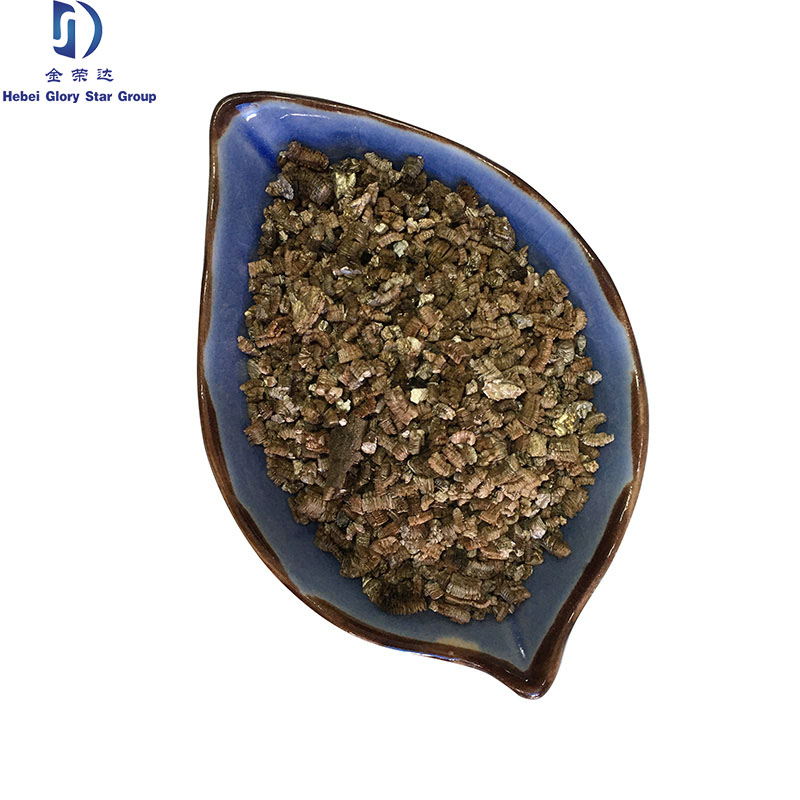
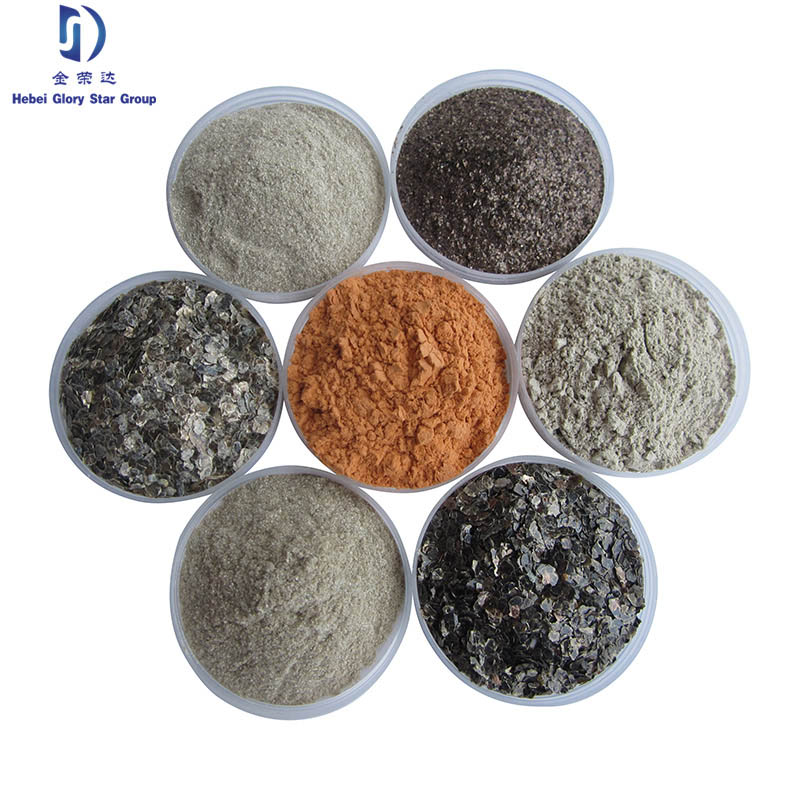
Let’s clear things up: vermiculite itself is a natural mineral composed mainly of hydrated laminar magnesium-aluminum-iron silicates. When heated, it expands into lightweight, porous flakes ideal for various uses.
Adding the “organic” part means these vermiculite flakes are often combined or treated with organic substances (like composted materials or bio-based additives) to boost their compatibility in agriculture and sustainable building products.
Put simply, organic vermiculite refers to vermiculite that enhances plant growth or soil quality by supporting microbial activity, improving aeration, and retaining moisture — but in an eco-conscious, natural way.
Mini takeaway: Organic vermiculite is vermiculite treated or combined with organic materials, making it especially suited for sustainable agriculture and eco-friendly products.
Key Factors that Define Organic Vermiculite’s Value
1. Water Retention and Aeration
One of organic vermiculite’s shining features is its ability to hold several times its weight in water, releasing it slowly to plants — no more worrying about overwatering or drought stress. At the same time, it keeps soil loose and airy, preventing compaction that leads to root suffocation.
2. Natural, Non-Toxic Composition
Fairly important — organic vermiculite is chemically inert and safe. Unlike synthetic soil additives or chemical fertilizers, it doesn’t introduce harmful substances. This characteristic is why many horticulturists and food producers prefer it.
3. Lightweight and Easy Handling
Because expanded vermiculite is light, transporting it is more efficient, saving energy and costs in logistics. Especially for remote farming communities or disaster zones, this matters a lot.
4. Thermal Insulation
In the construction sector, organic vermiculite is valued for its thermal properties. Incorporating it into plaster or lightweight blocks improves insulation, reducing energy consumption in buildings.
5. Biodegradability and Sustainability
Treated organically, it supports soil microbes and breaks down naturally without pollution. Not something you get from synthetic foams or other mineral additives.
Mini takeaway: Organic vermiculite offers a blend of water management, safety, handling convenience, and sustainability — a package that serves many practical needs.
Real-World Applications of Organic Vermiculite Across the Globe
You might wonder: where exactly does organic vermiculite make a difference?
- Agriculture & Horticulture: Used as a soil amendment in North America and Europe, especially organic farming, to reduce watering frequency and boost root health.
- Post-Disaster Relief: Emergency shelters in Asia’s flooding zones use vermiculite-enhanced earth blocks for thermal comfort and durability.
- Construction & Insulation: In Scandinavian countries, vermiculite-based plaster and lightweight concrete reduce heating needs.
- Packaging & Shipping: Some eco-sensitive manufacturers use organic vermiculite as a cushioning filler replacing plastics.
NGOs working in semi-arid African regions have found organic vermiculite in seedling trays helps young plants tolerate water stress — a small step with big impact on food security.
Mini takeaway: From farms to building sites to humanitarian aid, organic vermiculite’s reach is quite broad and growing.
Advantages & Long-Term Value: More Than Just a Mineral
The benefits speak to both tangible economics and emotional appeal:
- Cost Efficiency: Saves water and energy, cutting recurring expenses.
- Sustainability: Natural, reusable, and aligned with circular economy principles.
- Social Impact: Supports healthier crops and safer shelters, improving lives in vulnerable communities.
- Trust & Innovation: Brands offering organic vermiculite products gain reputation for quality and eco-consciousness.
It’s not just about money — using organic vermiculite makes you feel part of a solution, not a problem. That’s valuable in its own right in today’s conscientious market.
Mini takeaway: Organic vermiculite creates a win-win of economic thrift, environmental stewardship, and social uplift.
The Future: Innovations and Trends in Organic Vermiculite
Looking forward, expect to see:
- Bio-enhanced Vermiculite: Combining it with microbes or biochar to improve soil carbon sequestration.
- Smart Formulations: Tailored blends for particular crops or climates, optimized by digital agritech.
- Green Building Codes: Increasing mandates for natural insulation materials boost demand.
- Automation & Robotics: More precise application and packaging methods reduce waste.
Oddly enough, the material might even intersect with emerging clean energy projects, as thermal insulating substrates.
Mini takeaway: Innovation in organic vermiculite is quietly advancing across agriculture, construction, and sustainability tech.
Challenges in Deploying Organic Vermiculite and How They’re Tackled
It’s not all rosy. Some sticking points include:
- Supply Chain Constraints: Mining vermiculite isn’t infinite; sourcing sustainably requires care.
- Product Uniformity: Variability in organic blends can cause inconsistent performance.
- Cost Barriers: Upfront price can deter small-scale farmers despite long-term gains.
Solutions? Industry leaders focus on certification, R&D for optimized blends, plus partnerships with NGOs to subsidize costs. Digital platforms that connect producers and users also streamline logistics to underserved areas.
Mini takeaway: Challenges exist but don’t seem insurmountable — innovation and collaboration are key.
Product Specification Table: Typical Organic Vermiculite Characteristics
| Characteristic | Specification | Unit |
|---|---|---|
| Expansion Ratio | 8–12 times original volume | — |
| Bulk Density (expanded) | 80–110 | kg/m³ |
| Water Absorption | 3.5–4.5 | times its weight |
| pH Range | 6.5–8.5 | — |
| Organic Content (treated) | 10–20 | % |
Vendor Comparison: Leading Organic Vermiculite Suppliers
| Supplier | Organic Certification | Price Range (per ton) | Global Delivery | Specialty Products |
|---|---|---|---|---|
| EcoVermi Solutions | USDA Organic | $450–550 | Yes | Biochar blends |
| GreenMinerals Corp. | EU Organic | $400–480 | Limited (EMEA) | Seedling trays |
| Pure Earth Supplies | Global Organic Textile Standard | $500–600 | Yes | House insulation mixes |
Frequently Asked Questions about Organic Vermiculite
- What exactly makes organic vermiculite different from regular vermiculite?
- Organic vermiculite is usually enhanced or combined with organic matter, like compost or microbes, to improve its soil compatibility and environmental sustainability. Regular vermiculite is simply the mineral expanded for porosity.
- How does organic vermiculite improve plant growth?
- It retains water and nutrients, slowly releasing them to roots, while improving soil aeration. This encourages healthier root systems and reduces stress during drought conditions.
- Is organic vermiculite suitable for importing by NGOs in disaster relief?
- Yes, its light weight and safe nature make it ideal for shipping and using in varied environments, especially for soil restoration or building lightweight shelters.
- Can it be used in sustainable construction?
- Definitely. When mixed into plaster or concrete, organic vermiculite improves insulation and reduces material weight, contributing to green building standards.
- Does it require special storage or handling?
- Organic vermiculite is stable under normal conditions but should be kept dry and sealed to prevent contamination and moisture absorption before use.
Wrapping Up: Why Organic Vermiculite Is Worth Your Attention
So, is organic vermiculite just a niche product? Hardly. It’s quietly shaping the way we grow food, build homes, and sustain communities — especially where resources are stretched thin and innovation matters most. From enhancing soil moisture to improving insulation, its versatility and eco-friendly profile make it an excellent candidate for more widespread adoption.
If you’re curious or ready to explore its potential for your projects, do check out more about solutions like organic vermiculite. The future is about smarter materials and smarter choices — this one definitely fits in.
Mini takeaway: Organic vermiculite offers practical, sustainable benefits that align with global goals — and that’s why it could be a game changer.
References
Post time: Nov-22-2025

.png "About")