

Understanding Biotite Mica: A Critical Mineral for Industrial Applications
Biotite mica, a common phyllosilicate mineral, plays a pivotal role in numerous industrial applications due to its unique physical and chemical properties. Among these, its mechanical resilience, particularly its biotite mica hardness, stands out as a critical parameter influencing its suitability and performance. This comprehensive guide delves into the essential characteristics, manufacturing processes, and diverse applications of biotite mica, particularly focusing on its use in oil drilling and paper making.
The mineral's lamellar structure, combined with its specific hardness, contributes to its efficacy in specialized industrial contexts where heat resistance, electrical insulation, and chemical stability are paramount. We explore how these inherent properties are leveraged to meet stringent industry demands, ensuring optimal performance and longevity in demanding operational environments.
Key Industry Trends in Biotite Mica Utilization
The demand for high-performance industrial minerals is steadily increasing, driven by advancements in extraction technologies and the need for sustainable materials. For biotite mica, key trends include:
- Enhanced Environmental Performance: Growing emphasis on eco-friendly drilling fluids and paper production methods is boosting the adoption of natural, non-toxic minerals like biotite mica.
- Technological Integration: As industries become more data-driven, there's a trend towards standardized product specifications and quality assurance, making consistent biotite mica hardness and purity crucial.
- Supply Chain Optimization: Global industrial players are seeking reliable suppliers capable of delivering customized grades and volumes, often requiring advanced processing capabilities.
- Focus on Specialized Grades: Demand for specific particle sizes and purities is rising, tailoring biotite mica for niche applications requiring precise physical characteristics.
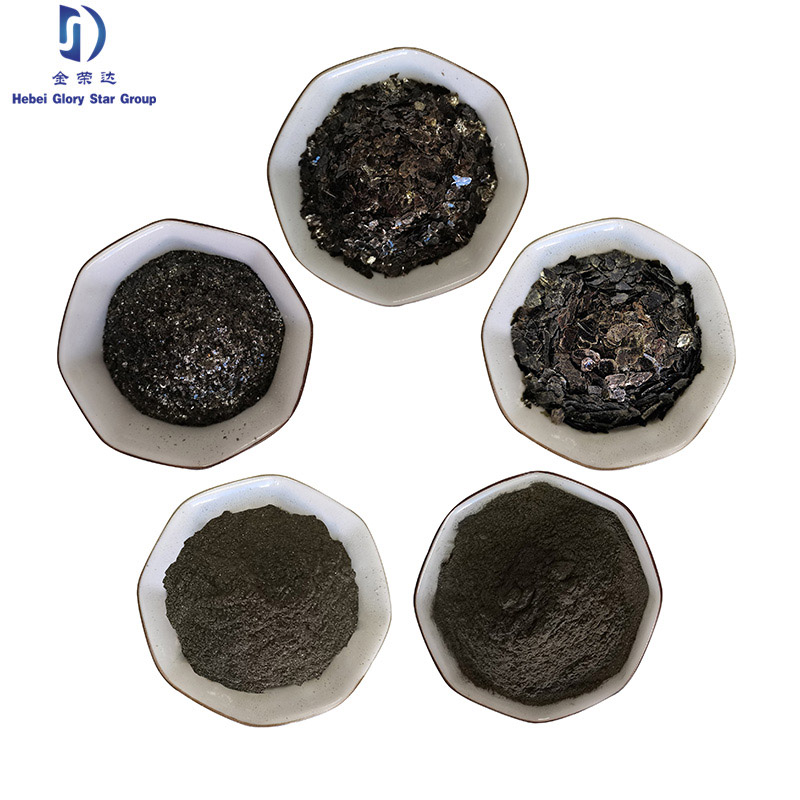
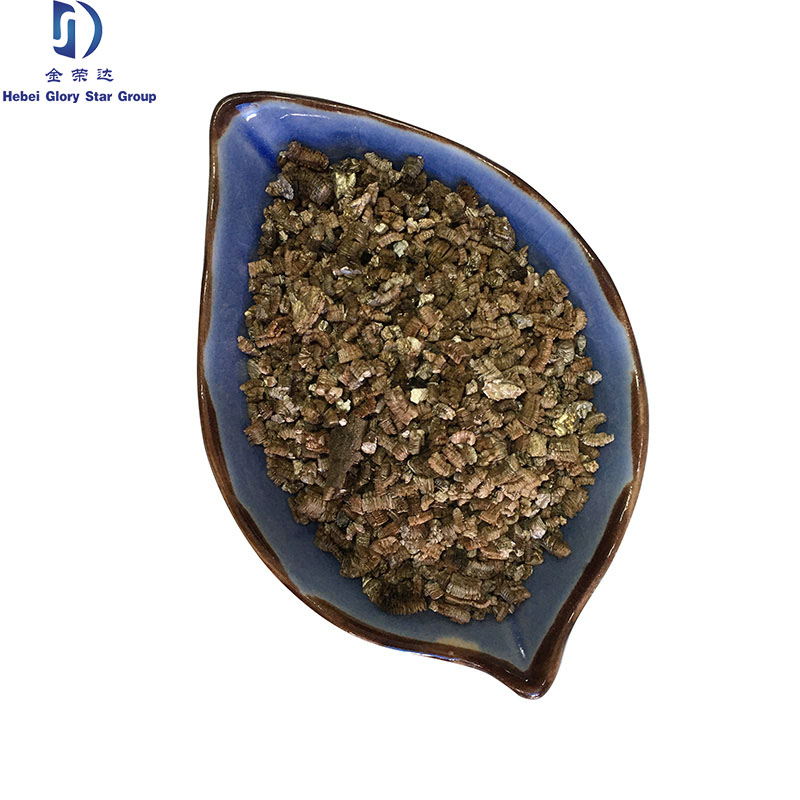
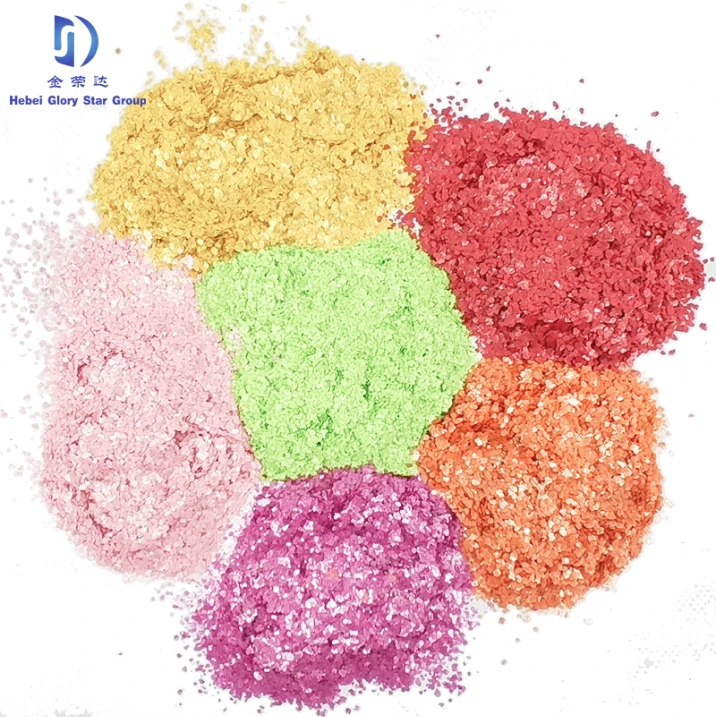
Figure 1: Raw biotite mica showcasing its characteristic appearance.
These trends highlight the evolving requirements for mineral suppliers to provide not just a product, but a comprehensive solution that integrates quality, sustainability, and technological alignment.
Technical Specifications and Properties of Biotite Mica
Biotite, a common rock-forming mineral, is a member of the mica group, characterized by its monoclinic crystal system and perfect basal cleavage. Its utility in industrial applications is directly linked to its precise physical and chemical properties.
Key Properties:
- Mohs Hardness: The biotite mica hardness ranges from 2.5 to 3.0 on the Mohs scale. This relatively soft nature, combined with its excellent cleavage, allows it to be easily ground into fine powders while maintaining its lamellar structure, crucial for applications like drilling fluids where it acts as a lost circulation material.
- Biotite Mica Luster: Typically submetallic to vitreous, particularly on cleavage surfaces. This characteristic contributes to its visual appeal and can be observed in various mineral formations, including biotite mica schist.
- Specific Gravity: Ranges from 2.7 to 3.1, indicating its density.
- Color: Usually black, dark brown, or dark green, owing to its iron and magnesium content.
- Biotite Mica Streak: White to grayish, often not visible on a streak plate due to its perfect cleavage and dark color.
- Cleavage: Perfect basal cleavage (one direction), resulting in thin, elastic sheets. This property is vital for its function as a filler and reinforcing agent.
- Optical Properties: Anisotropic, with strong pleochroism.
- Chemical Composition: Complex aluminosilicate, rich in iron (Fe) and magnesium (Mg), with potassium (K) as an essential constituent: K(Mg,Fe2+)3(Al,Fe3+)Si3O10(OH,F)2.
Typical Product Specifications (Biotite Mica For Oil Drilling Paper Making):
| Parameter | Typical Range / Value | Testing Standard |
|---|---|---|
| Mohs Hardness | 2.5 - 3.0 | ASTM E10 |
| Particle Size (D90) | 20 - 500 microns (customizable) | ISO 13320 |
| Specific Gravity | 2.7 - 3.1 g/cm³ | ASTM D854 |
| Moisture Content | < 0.5% | ASTM D280 |
| Oil Absorption | 30 - 60 g/100g | ISO 787-5 |
| Ignition Loss | 6 - 9% | ASTM C114 |
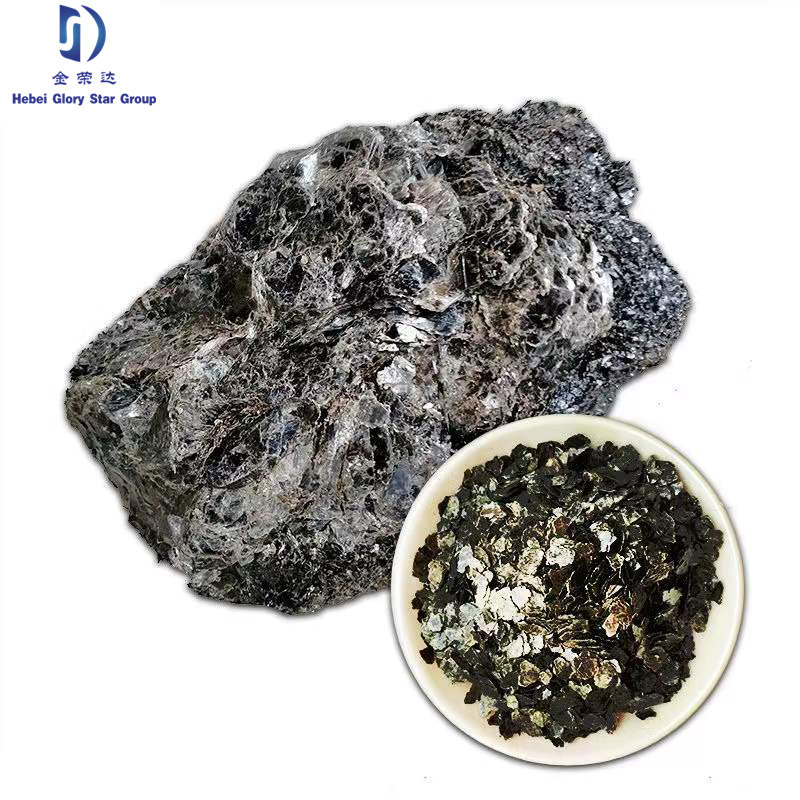
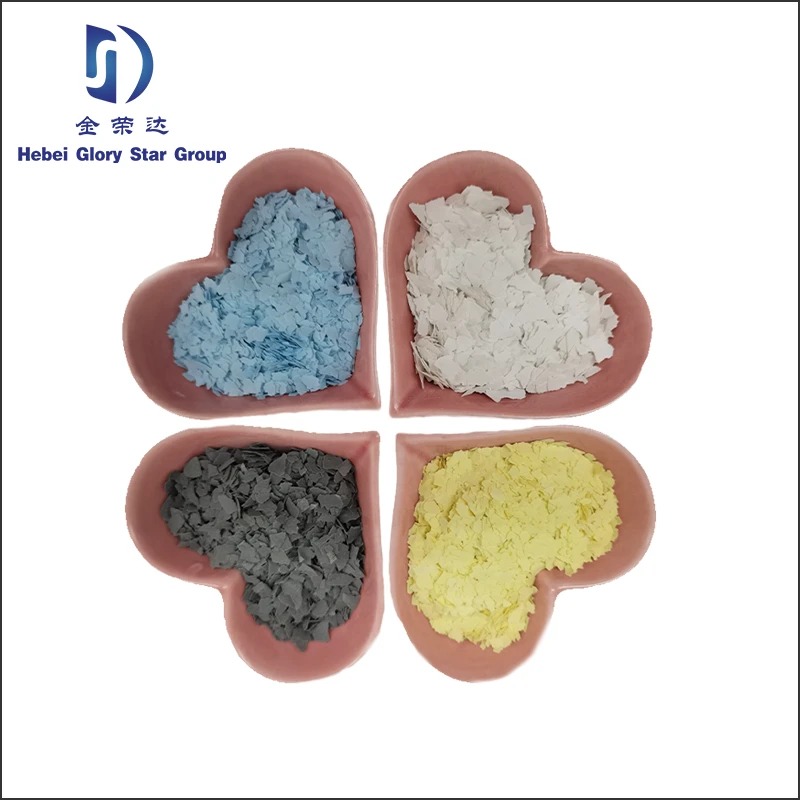
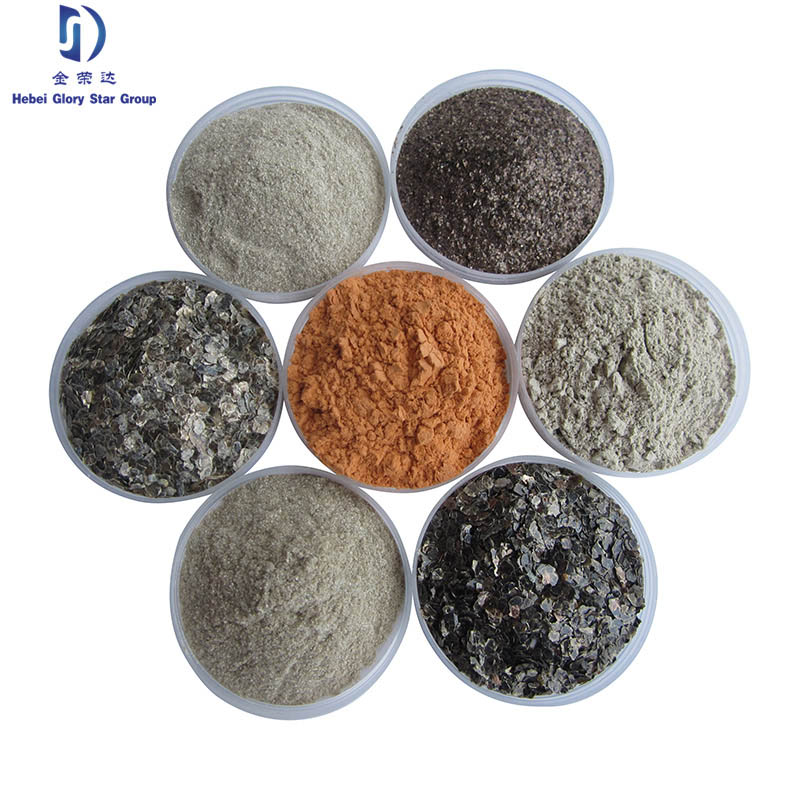
Figure 2: Close-up of processed biotite mica flakes.
Understanding these specific biotite mica properties is essential for engineers and product developers to select the optimal grade for their industrial requirements, ensuring peak operational efficiency and material integrity.
Manufacturing Process Flow for Industrial-Grade Biotite Mica
The production of industrial-grade biotite mica for sectors like oil drilling and paper making involves a series of carefully controlled steps, ensuring the final product meets stringent quality and performance criteria. The process emphasizes the preservation of the mineral's unique lamellar structure while achieving precise particle size distribution and purity.
1. Raw Material Sourcing
High-quality biotite mica ore, often from pegmatite or schist formations (e.g., biotite mica schist), is sourced from verified mines, ensuring optimal starting material with desirable biotite mica hardness.
2. Crushing & Primary Grinding
Large ore pieces are fed into jaw crushers and then secondary cone crushers to reduce size to a manageable coarse aggregate. This step is optimized to minimize damage to the flaky structure.
3. Delamination & Fine Grinding
Using specialized hammer mills or roller mills, the mica flakes are gently delaminated and ground to the desired fineness. This 'dry grinding' process is crucial for maintaining the lamellar integrity.
4. Air Classification / Screening
Advanced air classifiers or vibratory screens precisely separate the mica particles into various size fractions. This ensures strict adherence to client specifications for different applications.
5. Drying & De-dusting
The material is dried to achieve a low moisture content (<0.5%), preventing caking and improving flowability. De-dusting systems remove ultra-fine particles, ensuring purity.
6. Quality Control & Packaging
Batch samples undergo rigorous testing for particle size (ISO 13320), moisture, specific gravity (ASTM D854), and chemical composition using XRF. Certified products are then packaged in robust bags or bulk container111s.
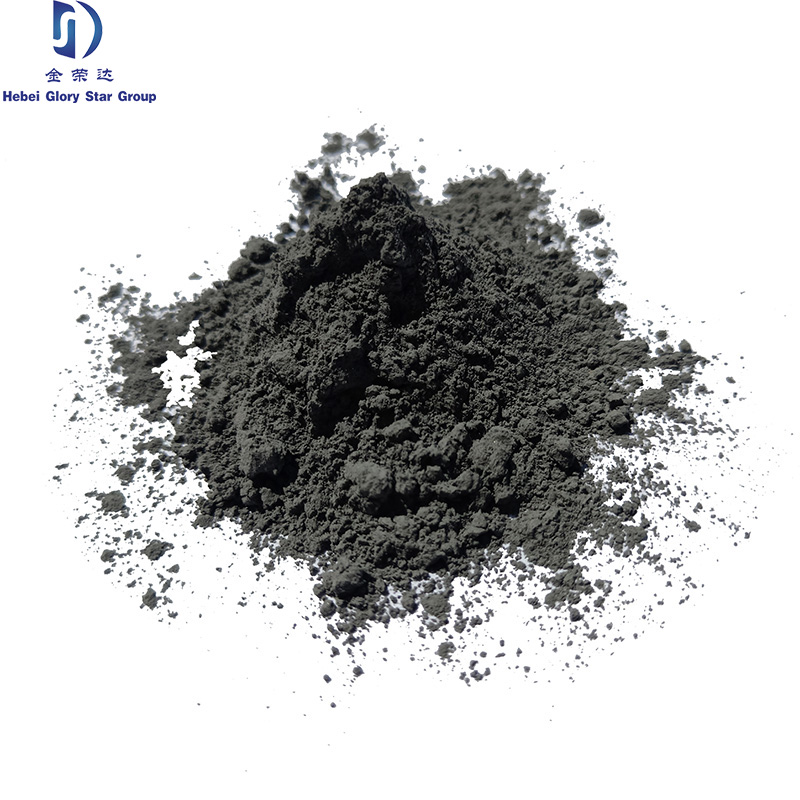
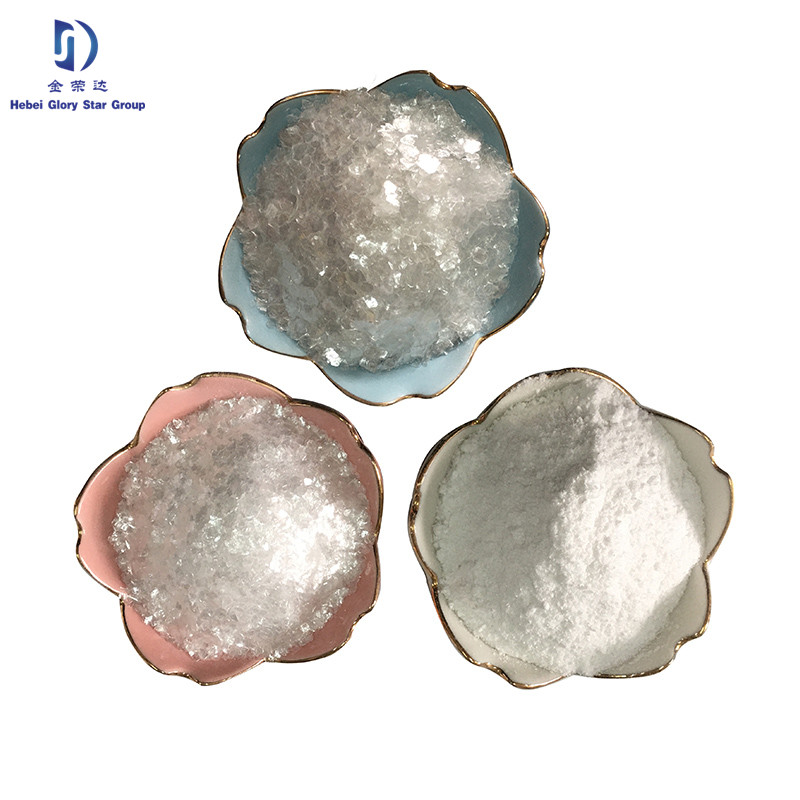
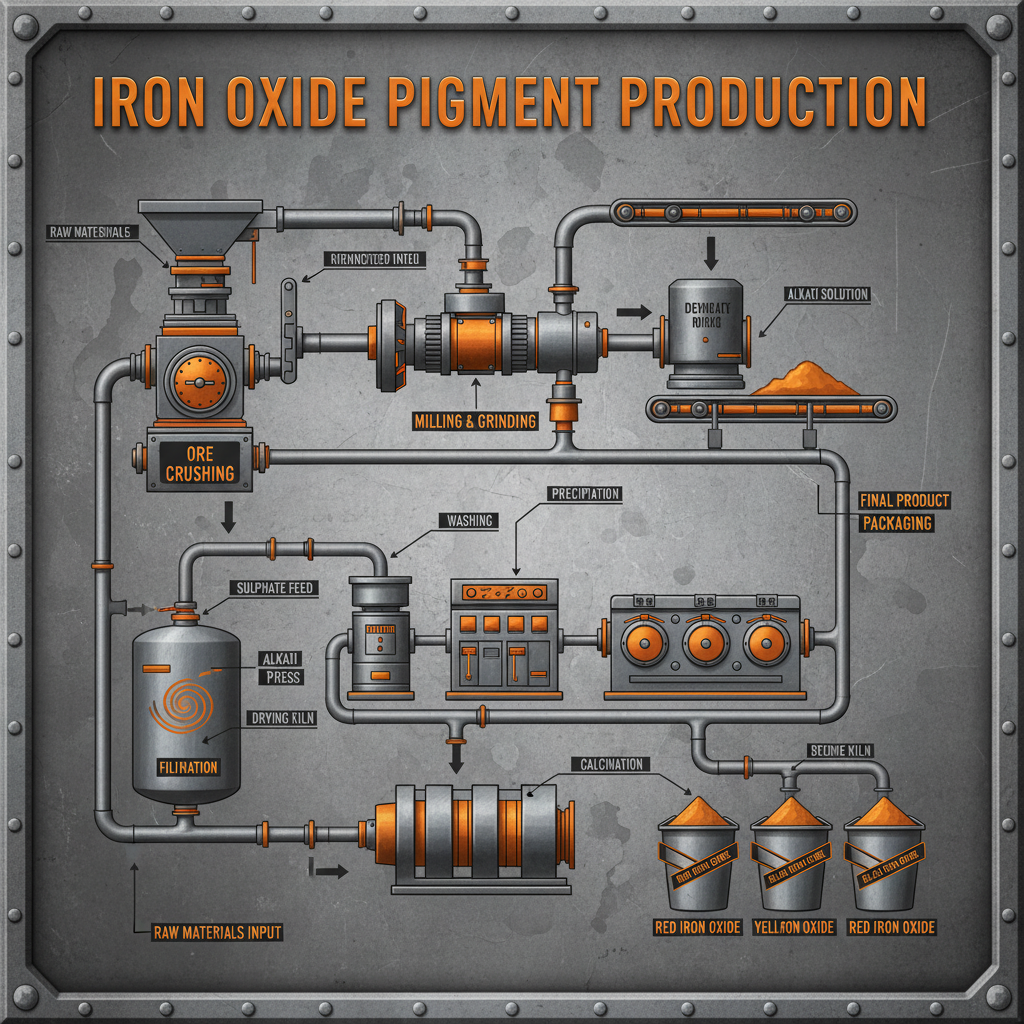
Figure 3: Quality control analysis of biotite mica samples.
Target Industries & Service Life: This finely processed biotite mica is primarily supplied to the petrochemical industry (oil and gas drilling) and the paper-making industry. When stored correctly in dry conditions, the product exhibits an indefinite shelf life and maintains its critical biotite mica properties for extended operational periods in its application.
Testing Standards: All manufacturing stages adhere to international standards such as ISO 9001 for quality management, and specific product testing follows ASTM and ISO methodologies (e.g., ISO 13320 for particle size, ASTM D854 for specific gravity), ensuring consistent quality and performance.
Application Scenarios: Biotite Mica in Oil Drilling and Paper Making
The unique biotite mica properties make it indispensable in several high-demand industrial sectors.
1. Oil and Gas Drilling (Petrochemical Industry):
In drilling operations, biotite mica serves as a crucial Lost Circulation Material (LCM). Its lamellar structure and moderate biotite mica hardness allow it to effectively seal permeable formations and fractures in the wellbore, preventing the costly loss of drilling fluids.
- Lost Circulation Prevention: The flaky particles interlock and bridge across micro-fractures, forming an impermeable seal. This is particularly effective in highly fractured or porous geological strata.
- Wellbore Stability: By minimizing fluid invasion into rock formations, biotite mica helps maintain wellbore integrity, reducing the risk of collapses and improving drilling efficiency.
- Environmental Safety: As a natural, non-toxic mineral, it is an environmentally preferred choice over synthetic alternatives, aligning with stringent industry regulations.
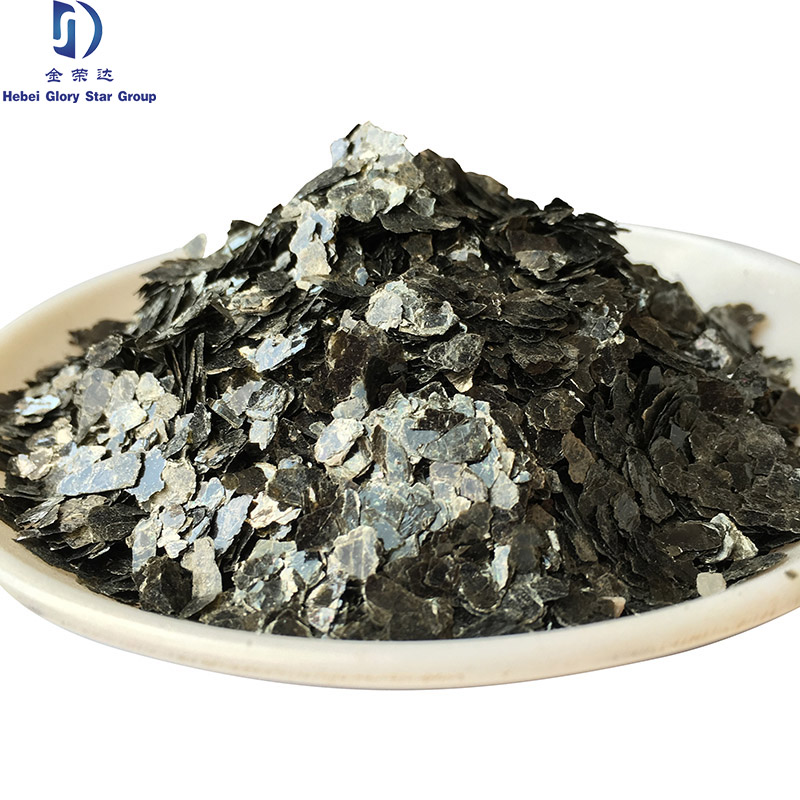
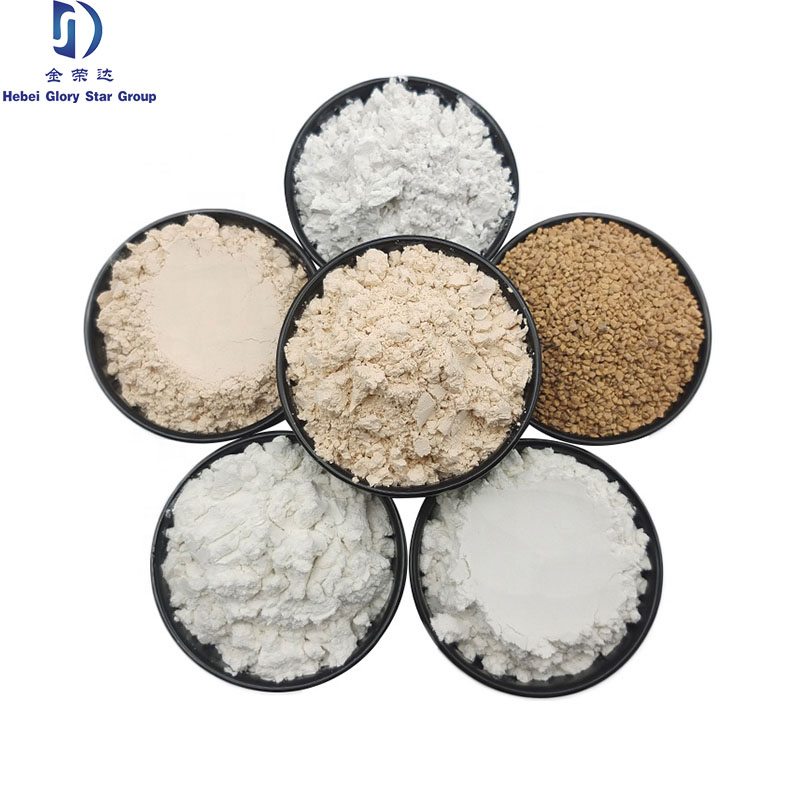
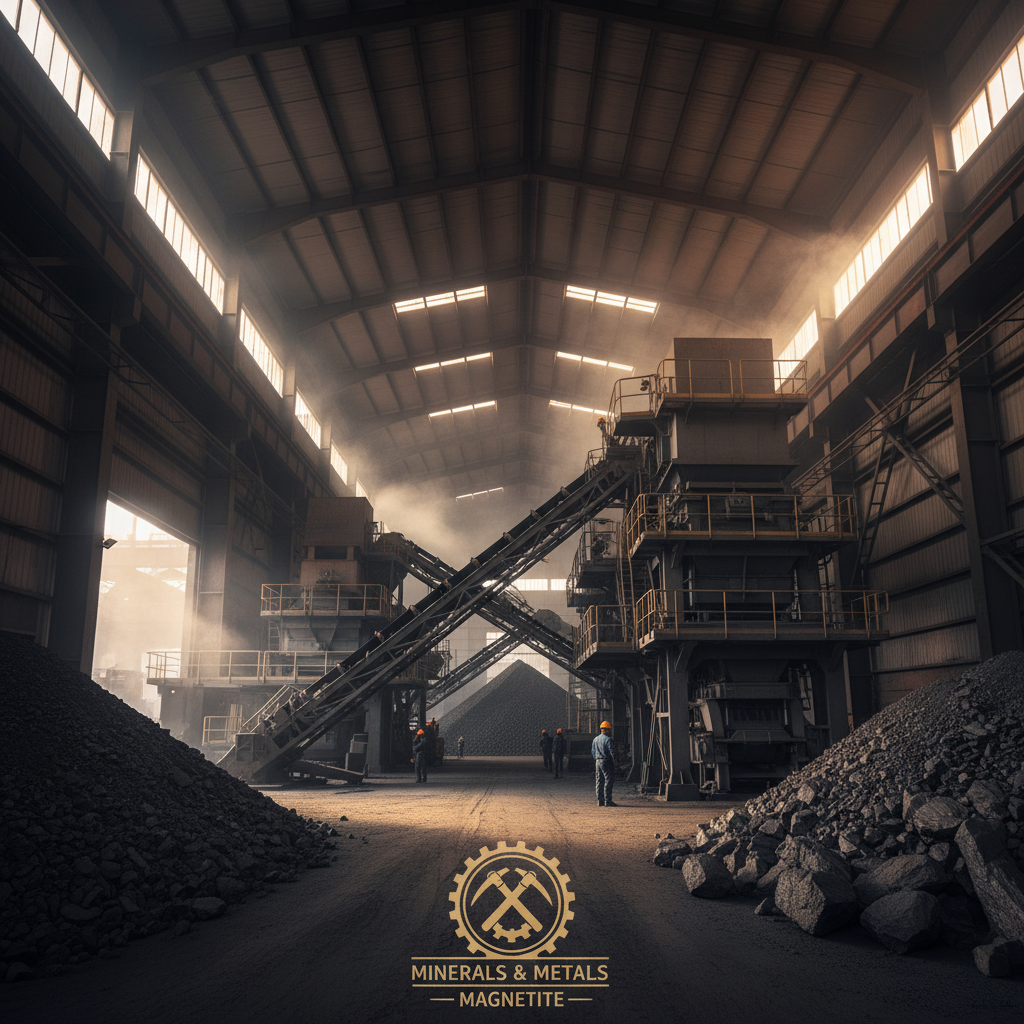
Figure 4: Biotite mica used as a component in drilling fluid. The hardness and morphology of biotite flakes are crucial for their sealing function in drilling applications.
2. Paper Making Industry:
In paper manufacturing, biotite mica is utilized as a functional filler and coating additive, imparting several beneficial characteristics to the final paper product.
- Improved Opacity and Brightness: The high aspect ratio flakes enhance light scattering, leading to improved paper opacity and a brighter appearance without excessive fiber usage.
- Reduced Porosity: Mica fills microscopic voids in the paper structure, reducing porosity and improving barrier properties, which is beneficial for packaging and specialty papers.
- Dimensional Stability: Its inert nature and platelet structure contribute to better dimensional stability and reduced curling or warping in finished paper products.
- Printability Enhancement: A smoother surface finish and improved ink holdout can be achieved, leading to sharper images and text.
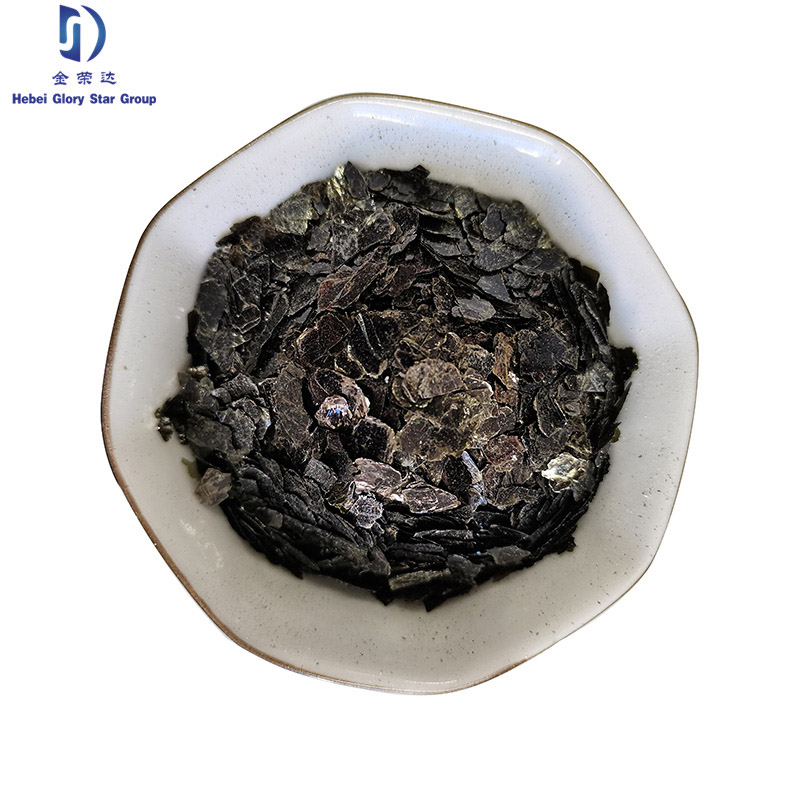
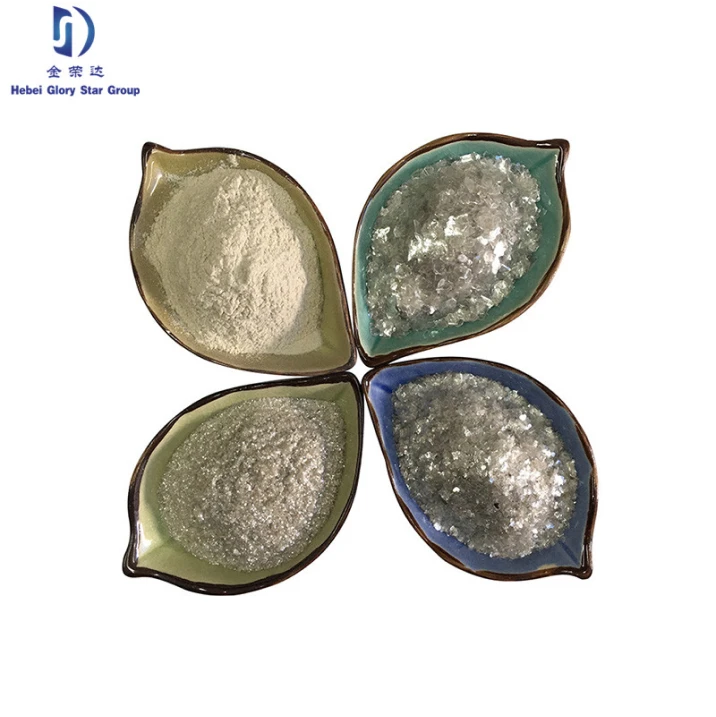
Figure 5: Biotite mica as a filler and coating agent in paper production.
The adaptability of biotite mica across these diverse applications underscores its importance as a versatile industrial mineral, driven by its inherent physical biotite mica properties.
Technical Advantages of Using Biotite Mica
The deliberate choice of biotite mica over other minerals or synthetic materials in critical applications is driven by a suite of distinct technical advantages:
- Exceptional Chemical Inertness: Biotite mica is highly resistant to chemical attack, making it ideal for use in aggressive environments such as corrosive drilling fluids or chemically active paper slurries. This corrosion resistance extends the service life of both the product and the equipment it interacts with.
- High Thermal Stability: With excellent resistance to high temperatures, biotite mica maintains its integrity and functional properties even under extreme thermal conditions encountered in deep drilling or high-speed paper processing.
- Superior Electrical Insulation: Its inherent dielectric strength makes it valuable in applications requiring electrical insulation, even if not its primary use in oil drilling or paper making, it underlines its stable material nature.
- Cost-Effectiveness & Energy Saving: As a natural mineral, biotite mica is often a more economical choice compared to synthetic alternatives. In paper making, its ability to enhance opacity can reduce the need for more expensive titanium dioxide, leading to energy savings in drying processes due to lower filler weight. In drilling, preventing lost circulation saves significant operational costs and time.
- Non-Abrasive Nature: Despite its moderate biotite mica hardness, its flaky structure makes it relatively non-abrasive, minimizing wear on processing equipment and machinery, thus reducing maintenance costs.
- Versatile Particle Morphology: The ability to process biotite into various particle sizes and aspect ratios means it can be precisely tailored to optimize performance in specific applications, from coarse LCM in drilling to fine fillers in coatings.
These advantages collectively underscore why biotite mica continues to be a preferred material for engineers and procurement specialists seeking reliable, high-performance, and cost-effective solutions.
Vendor Comparison and Customized Solutions
Selecting the right supplier for industrial minerals like biotite mica is crucial for ensuring consistent product quality, reliable supply, and tailored solutions. When comparing vendors, B2B decision-makers should consider several key factors:
Key Comparison Factors:
| Feature | High-Quality Vendor | Standard Vendor |
|---|---|---|
| Product Consistency | ISO 9001 certified, tight tolerance on biotite mica hardness, particle size, purity. Batch-to-batch identical. | Variable quality, wider tolerances, occasional deviations. |
| Customization Capability | Offers bespoke particle sizing, specific chemical purity levels, and specialized packaging. Dedicated R&D. | Limited standard grades, no flexibility for unique project requirements. |
| Technical Support | Experienced technical team, application engineers, post-sales support, troubleshooting. | Basic order processing, minimal technical guidance. |
| Supply Chain Reliability | Robust logistics, global distribution network, strategic warehousing, transparent lead times. | Local or limited reach, potential for delays and supply disruptions. |
| Certifications & Compliance | Full compliance with ISO, ANSI, REACH, and other regional/industry-specific standards. | Limited or no verifiable certifications, unclear compliance. |
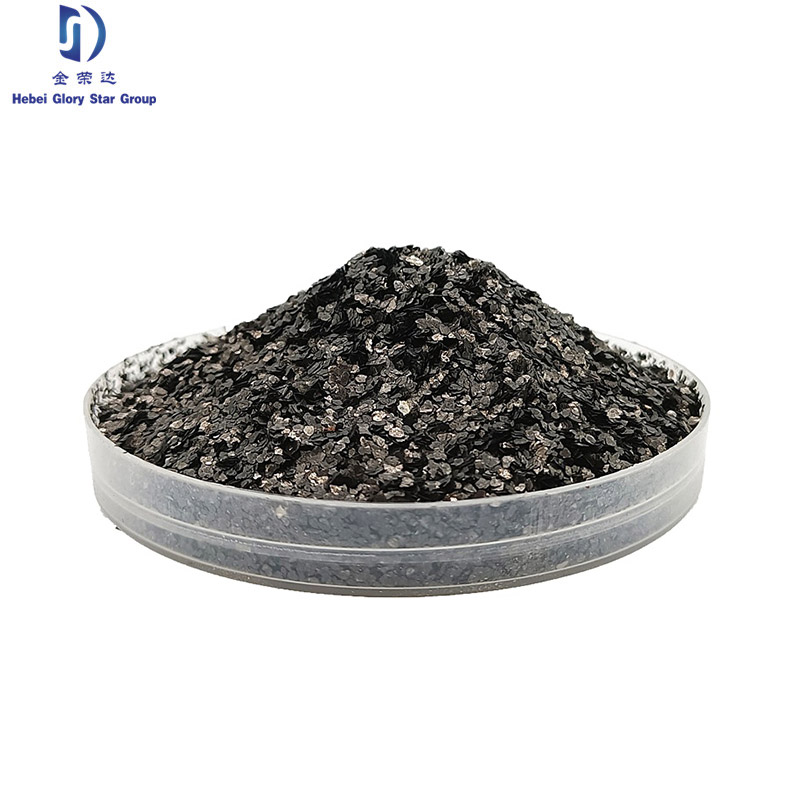
Figure 6: Packaging of biotite mica products for industrial shipment.
Customized Solutions: A superior vendor understands that off-the-shelf solutions may not always suffice. They offer tailored grades of biotite mica, adjusting parameters like particle size distribution, aspect ratio, and even surface treatments to meet unique application challenges. For example, a specialized paper grade might require a finer, more delaminated mica to enhance print gloss, while an oil drilling application might demand a coarser, more robust flake to combat severe lost circulation. Such customization is underpinned by strong R&D capabilities and a deep understanding of biotite mica properties and behavior.
Our company, with over 15 years of experience in mineral processing, prides itself on delivering biotite mica that consistently meets and exceeds industry standards. Our ISO 9001 certification and adherence to global testing standards (e.g., ANSI, ASTM) reflect our commitment to quality and reliability, ensuring that every batch of biotite mica, with its optimized biotite mica hardness and flake integrity, performs as expected.
Application Case Studies
Real-world applications demonstrate the tangible benefits of utilizing high-quality biotite mica.
Case Study 1: Mitigating Lost Circulation in Offshore Drilling
- Challenge: A major offshore drilling operation in the Gulf of Mexico encountered severe lost circulation zones with highly fractured shale formations, leading to significant drilling fluid losses and increased operational costs. Traditional LCMs were proving ineffective.
- Solution: The drilling company integrated a specialized coarse-grade biotite mica into their drilling fluid system. The product's consistent flake size and appropriate biotite mica hardness allowed it to effectively bridge and seal the fractures.
- Results: Fluid loss was reduced by over 70% within 48 hours of application. This resulted in a 15% reduction in overall drilling time for that section, translating into substantial cost savings and improved wellbore stability. Customer feedback highlighted the mica's superior performance compared to fibrous and granular LCMs in highly permeable formations.
Case Study 2: Enhancing Opacity and Print Quality in Packaging Paper
- Challenge: A leading packaging paper manufacturer aimed to improve the opacity and print surface smoothness of its lightweight carton board without significantly increasing basis weight or material costs.
- Solution: A fine-particle-size biotite mica, specifically processed for high aspect ratio flakes, was incorporated as a partial replacement for expensive fillers in the paper coating formulation.
- Results: The addition of biotite mica led to a 5% increase in paper opacity (measured by TAPPI T425), allowing for a slight reduction in fiber usage while maintaining excellent print-through resistance. The smooth, lamellar structure also improved ink receptivity and gloss uniformity, enhancing the visual appeal of printed packaging. This resulted in an estimated 8% reduction in overall raw material costs for the coating process.
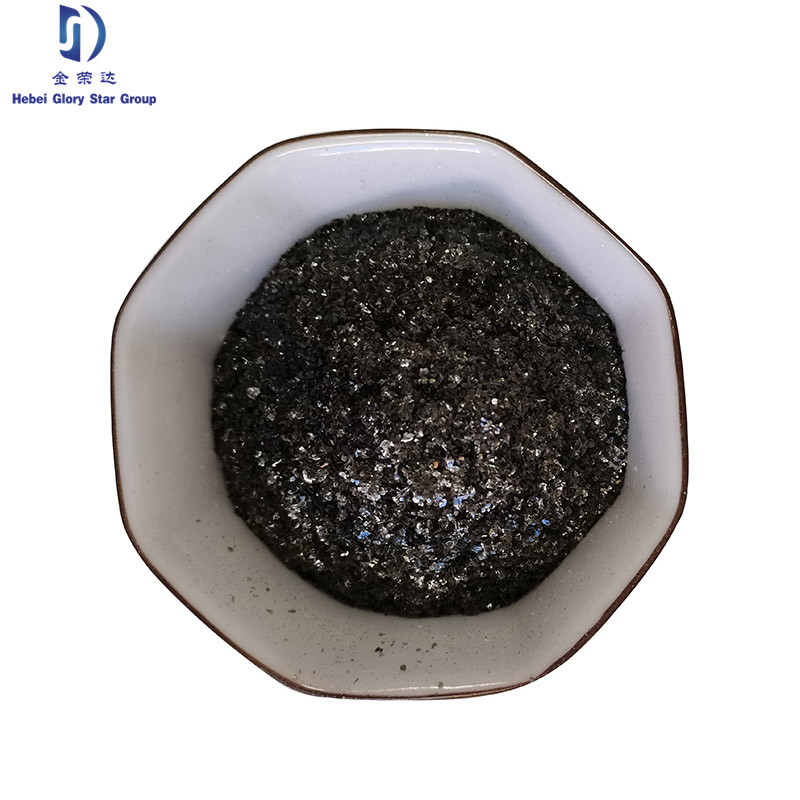
Figure 7: Biotite mica in its final industrial application form.
These case studies underscore the versatility and performance benefits derived from optimized biotite mica products, affirming its critical role in modern industrial processes.
Frequently Asked Questions (FAQ)
- Q1: What is the primary role of biotite mica in oil drilling?
- A1: In oil drilling, biotite mica functions as a Lost Circulation Material (LCM). Its flaky structure effectively seals permeable formations and fractures in the wellbore, preventing drilling fluid loss and maintaining wellbore stability. The moderate biotite mica hardness ensures it can create a robust seal without causing excessive abrasion.
- Q2: How does biotite mica benefit the paper making industry?
- A2: Biotite mica is used as a functional filler and coating additive. It improves paper opacity, brightness, dimensional stability, and printability. Its lamellar structure helps reduce porosity and enhances the surface finish of paper products.
- Q3: What are the typical Mohs hardness values for biotite mica?
- A3: The biotite mica hardness typically ranges from 2.5 to 3.0 on the Mohs scale. This relatively soft nature is crucial for its ability to be ground into fine flakes while preserving its lamellar structure, making it effective for its industrial applications.
- Q4: Are there environmental benefits to using biotite mica?
- A4: Yes, as a natural, non-toxic mineral, biotite mica is an environmentally friendly alternative to many synthetic materials. Its use aligns with the growing demand for sustainable and eco-conscious industrial practices, especially in sensitive applications like drilling fluids.
- Q5: Can biotite mica be customized for specific industrial needs?
- A5: Absolutely. Reputable suppliers offer customized solutions, including tailored particle size distribution, specific purities, and specialized packaging. This ensures the biotite mica product is optimized for unique application challenges and performance requirements.
Logistics, Warranty, and Support
- Lead Time & Fulfillment: Our standard lead time for biotite mica orders is typically 7-14 business days, depending on volume and customization requirements. We maintain strategic inventories and leverage a robust global logistics network to ensure timely and efficient delivery worldwide. Expedited shipping options are available upon request.
- Warranty Commitments: We guarantee that all Biotite Mica For Oil Drilling Paper Making products conform to the specified technical data sheet and are free from defects in material and workmanship. Our products are backed by a comprehensive 12-month warranty from the date of shipment, ensuring peace of mind regarding quality and performance.
- Customer Support & After-Sales Service: Our dedicated technical support team is available to assist with product selection, application guidance, and troubleshooting. We offer comprehensive after-sales support, including detailed product documentation, safety data sheets (SDS), and expert consultation to optimize product utilization. Our goal is to ensure long-term satisfaction and successful application outcomes for our clients.
References
- Deer, W. A., Howie, R. A., & Zussman, J. (1992). An Introduction to the Rock-Forming Minerals (2nd ed.). Prentice Hall.
- International Organization for Standardization. (ISO Standards). Retrieved from iso.org
- American Society for Testing and Materials. (ASTM Standards). Retrieved from astm.org
- Pettijohn, F. J., Potter, P. E., & Siever, R. (1987). Sand and Sandstone (2nd ed.). Springer-Verlag.
- Grim, R. E. (1968). Clay Mineralogy (2nd ed.). McGraw-Hill.
Post time: Sep-11-2025





.png "About")