

Understanding Biotite Mica: Properties and Industrial Relevance
Biotite mica, a common phyllosilicate mineral, holds significant importance across various industrial applications due to its unique physical and chemical characteristics. Among these, the biotite mica hardness is a critical parameter influencing its utility in demanding environments such as oil drilling and paper manufacturing. Known for its perfect basal cleavage, elasticity, and thermal stability, biotite provides distinct advantages when processed into industrial-grade materials. This article delves into the technical specifications, processing methodologies, and diverse applications of biotite mica, emphasizing its role in enhancing product performance and operational efficiency in B2B sectors.
The mineral's inherent properties, including its distinctive biotite mica luster, contribute to its aesthetic and functional appeal. Its layered structure and chemical composition, typically involving potassium, magnesium, iron, and aluminum, imbue it with excellent electrical insulating properties and resistance to chemical degradation. Such attributes make it an invaluable additive and raw material in numerous high-performance applications, underscoring the need for precise understanding of its characteristics for optimal industrial utilization.
Industry Trends and Market Dynamics for Biotite Mica
The market for industrial minerals, including biotite mica, is continuously evolving, driven by advancements in material science and increasing demand from key sectors. Current industry trends indicate a growing emphasis on high-purity, finely ground biotite products tailored for specific applications. For instance, in oil and gas, the push for environmentally friendly drilling solutions has increased the demand for inert, non-toxic additives. Similarly, in paper manufacturing, the desire for improved optical properties and strength-to-weight ratios fuels innovation in filler and coating technologies.
Technological advancements in processing, such as advanced grinding and classification techniques, allow for greater control over particle size distribution and morphology, which directly impacts performance. End-users are increasingly seeking suppliers who can provide consistent quality, rigorous testing, and the capability for customized solutions. The relevance of biotite mica properties in these high-stakes applications underscores its continued importance in the global industrial minerals market. Forecasts suggest steady growth, particularly in regions with robust infrastructure development and energy exploration activities.
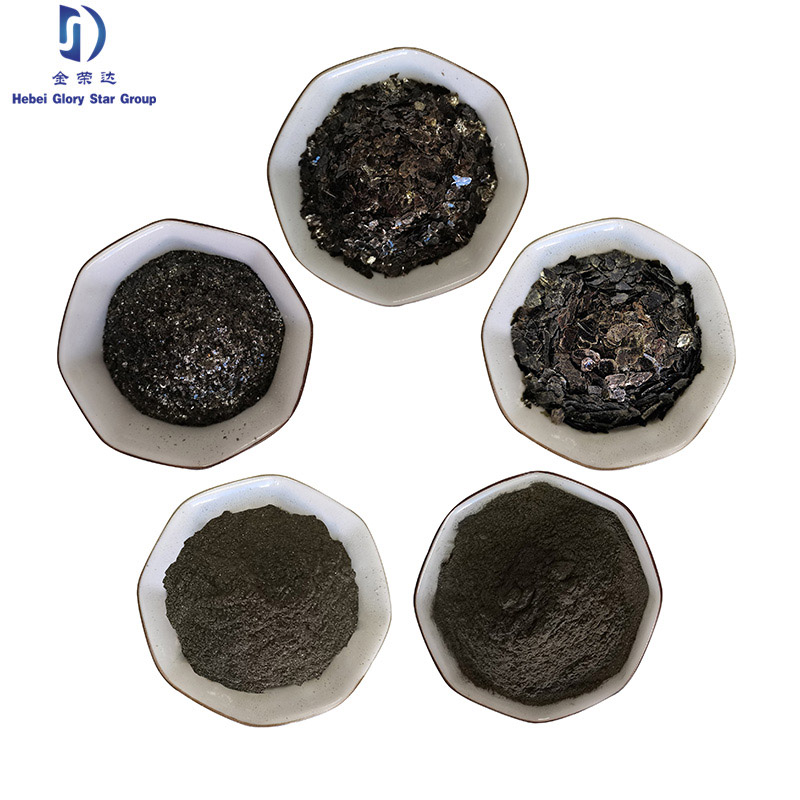
Manufacturing Process Flow for Industrial-Grade Biotite Mica
The production of high-quality biotite mica for industrial applications like oil drilling and paper making involves a meticulously controlled process flow, designed to optimize particle size, purity, and functional characteristics. Glorystar Export’s manufacturing ensures that our Biotite Mica For Oil Drilling Paper Making meets stringent industry standards.
Process Steps:
- Quarrying and Raw Material Selection: High-grade biotite-rich ore is selectively mined. The raw material undergoes initial visual inspection to ensure minimal impurities, focusing on superior mineralogy for optimal biotite mica hardness and other intrinsic properties.
- Crushing: Large ore lumps are fed into primary jaw crushers, followed by secondary cone crushers, reducing the material to a manageable size range (e.g., <50 mm). This stage emphasizes minimizing fine generation while achieving uniform reduction.
- Grinding/Milling: The crushed material is then introduced into pulverizers or hammer mills, where it is finely ground to achieve the desired particle size distribution. For oil drilling and paper making, typically fine powders (e.g., 200 mesh to 325 mesh) are required. Wet grinding methods can be employed to enhance particle shape and surface characteristics.
- Classification and Screening: Air classifiers or vibrating screens are utilized to separate particles based on size. Multi-stage screening ensures precise control over the final product’s granulometry, which is crucial for specific industrial performance. This stage helps eliminate oversized particles and ensures consistency.
- Washing and Purification: Depending on the required purity, the mica may undergo washing processes to remove adhering clays, silts, and other mineral impurities. Flotation or magnetic separation techniques can be applied to enhance the concentration of biotite.
- Drying: The purified mica slurry or damp powder is dried using rotary or flash dryers to achieve a very low moisture content (typically <0.5%), preventing caking and ensuring free-flowing product.
- Quality Control & Packaging: Throughout the process, samples are rigorously tested against international standards such as ISO 9001:2015 and ANSI. Parameters like particle size distribution, purity, specific gravity, moisture content, and chemical composition are verified. The final product is then packaged in various formats, including bulk bags or smaller sacks, suitable for global logistics.
This meticulous process ensures that the resulting biotite mica product offers superior performance in target industries like petrochemical (oil drilling), metallurgy (refractories), and water supply & drainage (sealants), demonstrating advantages in energy saving due to reduced friction, and excellent corrosion resistance as a filler in protective coatings.
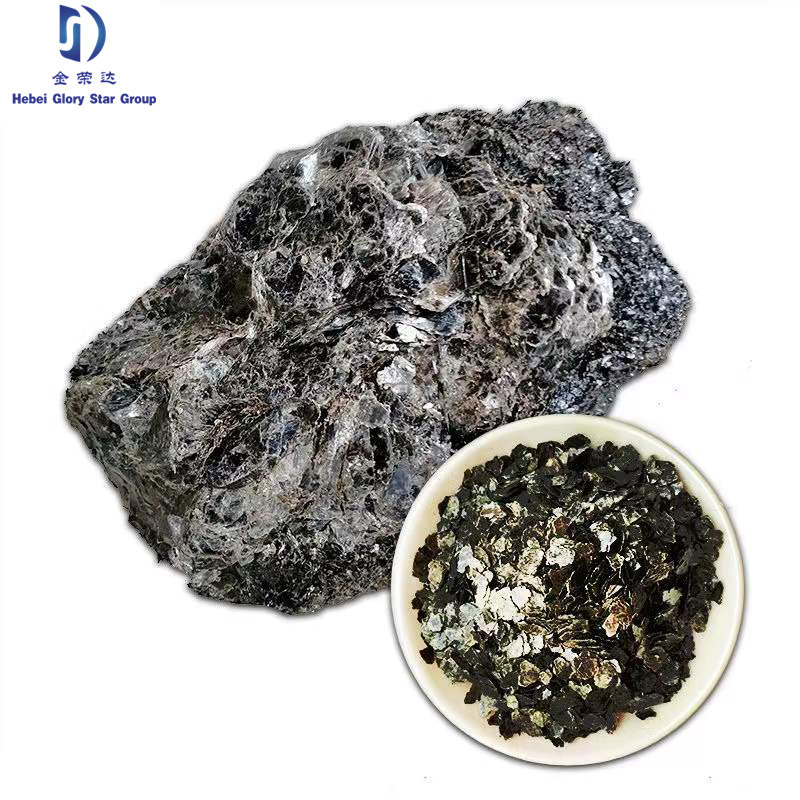
Technical Specifications and Core Properties
The performance of biotite mica in industrial applications is directly attributable to its intrinsic technical specifications. Understanding these parameters is crucial for engineers and procurement specialists to ensure optimal material selection.
Key Physical and Chemical Properties:
- Mohs Hardness: The biotite mica hardness typically ranges from 2.5 to 3.0 on the Mohs scale, classifying it as a relatively soft mineral. This property is advantageous in applications where a friable yet durable material is required, preventing excessive wear on processing equipment while maintaining integrity.
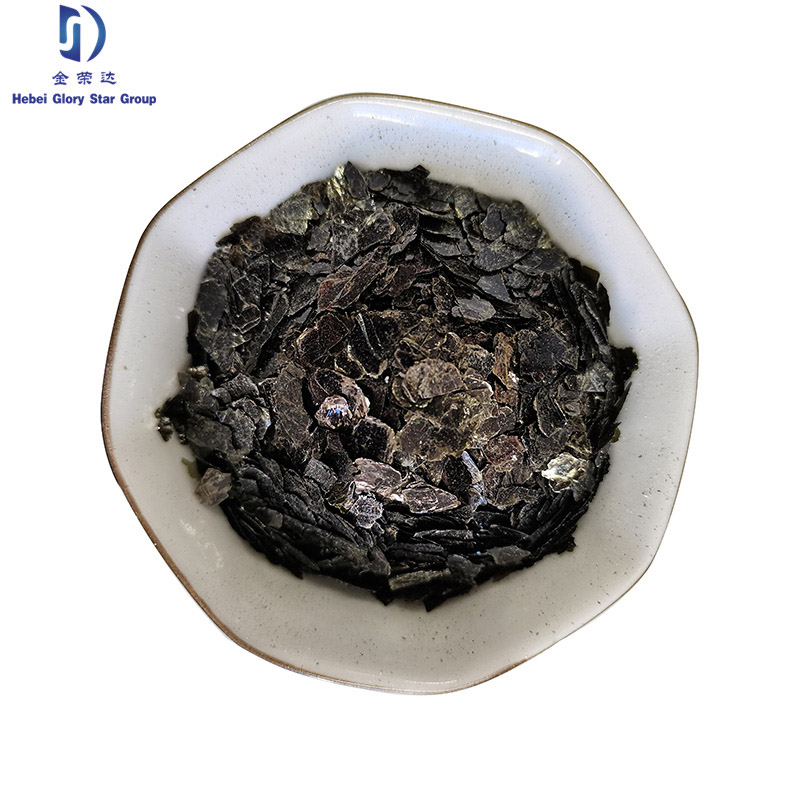
- Luster: Biotite exhibits a vitreous to pearly luster, often appearing submetallic in thicker flakes, which is termed biotite mica luster. This characteristic contributes to its visual appeal and can be relevant in certain coating and decorative applications.
- Cleavage: Perfect basal cleavage in one direction is a defining feature of biotite. This allows it to split into extremely thin, flexible sheets, which is critical for its use as a filler or extender where lamellar particles are desired.
- Specific Gravity: Ranging from 2.8 to 3.2, biotite's specific gravity indicates it is denser than many other industrial minerals, which can be beneficial in applications requiring weight or improved suspension characteristics.
- Chemical Inertness: Biotite is largely inert to most chemical reagents, offering excellent resistance to acids and alkalis, making it suitable for aggressive chemical environments.
- Thermal Stability: With a decomposition temperature typically above 900°C, biotite maintains its structural integrity and performance under high-temperature conditions.
Biotite Mica Product Specification Table (Glorystar Export)
| Property | Typical Value (Glorystar Export) | Test Standard |
|---|---|---|
| Mohs Hardness | 2.5 - 3.0 | ASTM D471 |
| Specific Gravity (g/cm³) | 2.9 - 3.1 | ISO 787-10 |
| Biotite Content (%) | > 90% | XRD Analysis |
| Moisture Content (%) | < 0.5% | ISO 787-2 |
| Particle Size (D90, µm) | Customizable (e.g., 45-75 µm for 200-325 mesh) | Laser Diffraction |
| Oil Absorption (g/100g) | 30 - 50 | ISO 787-5 |
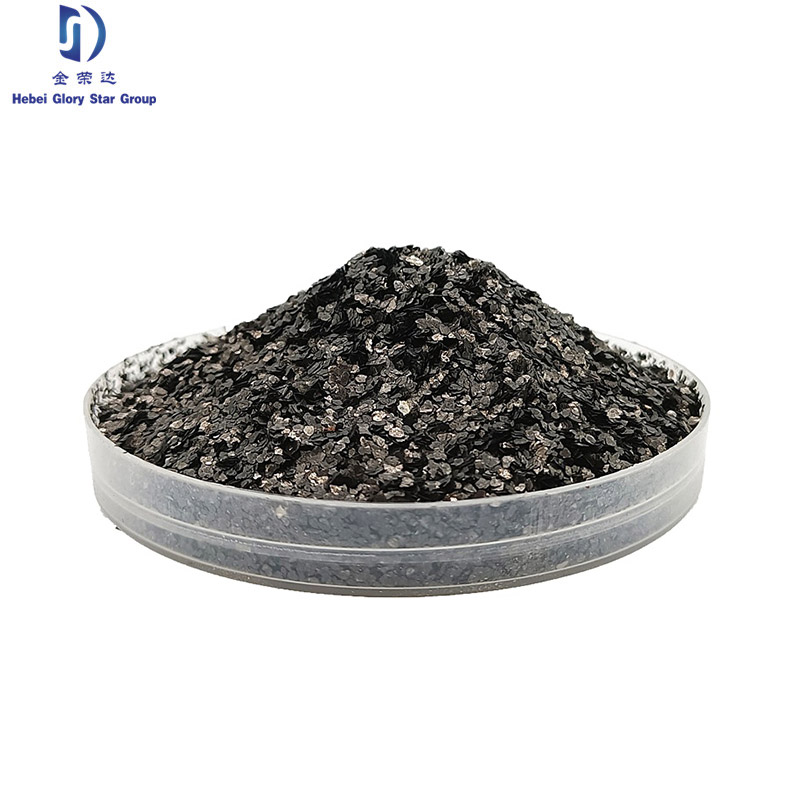
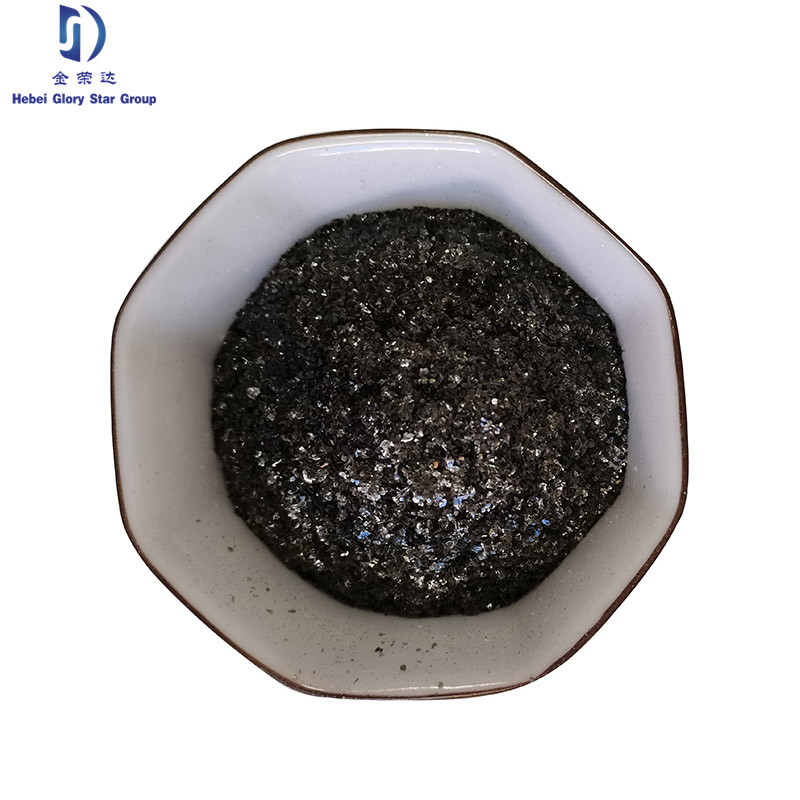
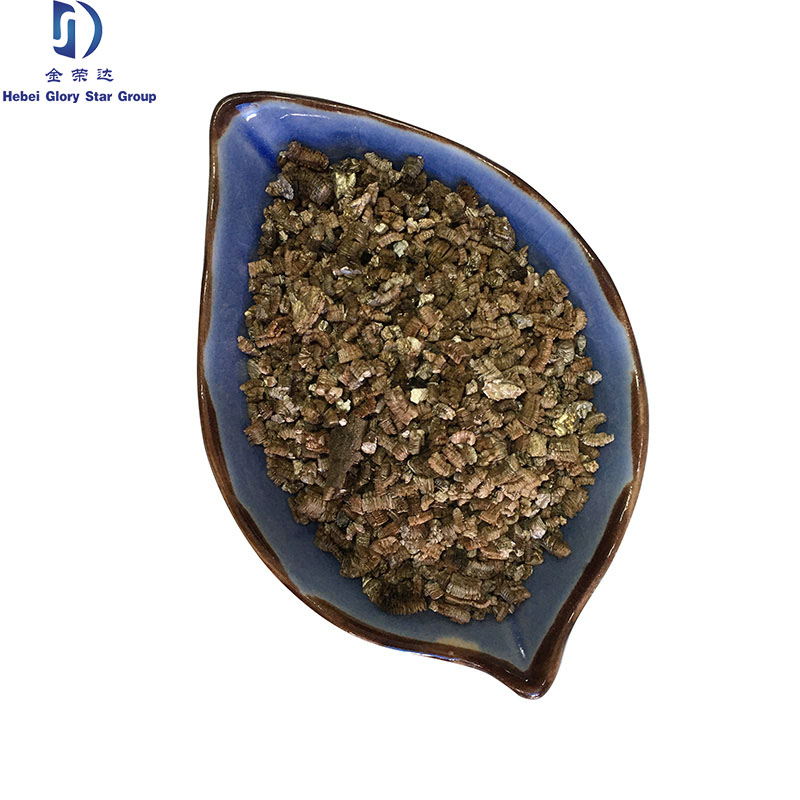
| Color | Dark brown to black | Visual Inspection |
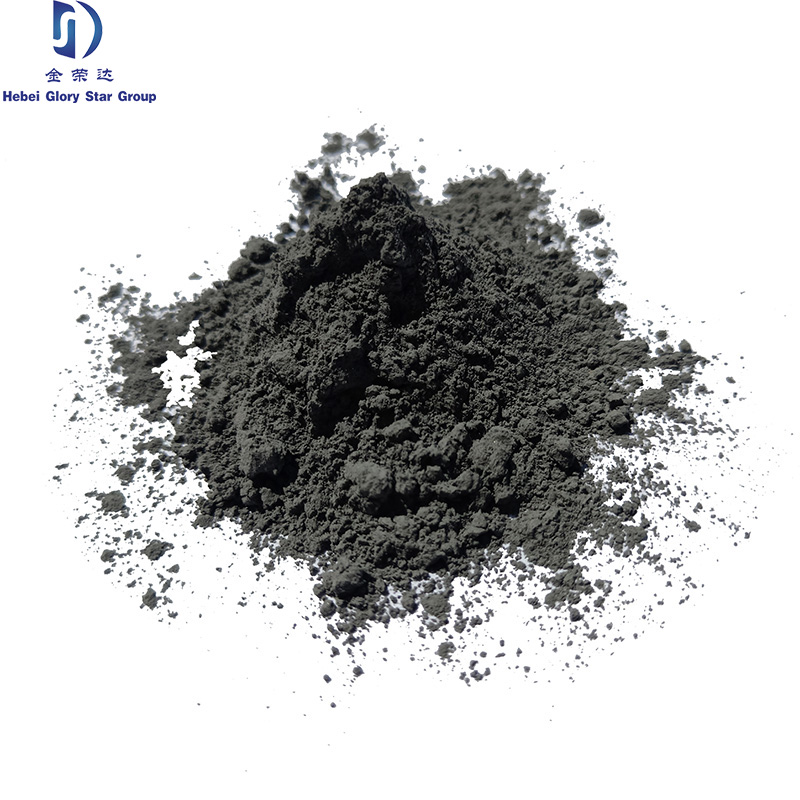
Application Scenarios: Biotite Mica in Key Industries
The versatility of biotite mica, largely attributed to its unique biotite mica properties and mechanical strength, enables its application across a spectrum of industrial sectors. Its laminar structure, chemical inertness, and thermal resistance make it particularly valuable.
Oil & Gas Drilling Fluids:
In drilling operations, biotite mica serves as a crucial lost circulation material (LCM) and a rheology modifier. Its platy particles effectively plug fractures and porous formations, preventing the loss of expensive drilling fluids into the surrounding rock. The specific biotite mica hardness ensures that it resists excessive degradation under shear forces within the drilling fluid system, maintaining its functionality. It also helps to stabilize boreholes, reducing the risk of wellbore instability.
Paper Manufacturing:
As a functional filler in paper and paperboard, biotite mica enhances opacity, brightness, and smoothness. Its lamellar structure contributes to improved sheet formation and dimensional stability. Furthermore, its chemical inertness ensures no adverse reactions with pulp or processing chemicals, extending the service life of paper products and reducing overall manufacturing costs. The unique biotite mica luster can also contribute to the aesthetic qualities of specialized papers.
Paints, Coatings, and Plastics:
Biotite mica is incorporated into paints and coatings to improve barrier properties, UV resistance, and crack prevention. In plastics, it acts as a reinforcing filler, increasing stiffness, heat deflection temperature, and dimensional stability, particularly in engineering plastics. Its biotite mica streak and inherent color also find utility in certain color-specific applications.
Construction Materials:
In cementitious materials and gypsum products, biotite mica enhances workability, reduces shrinkage, and improves fire resistance. Its platy structure contributes to better bonding and overall material integrity.
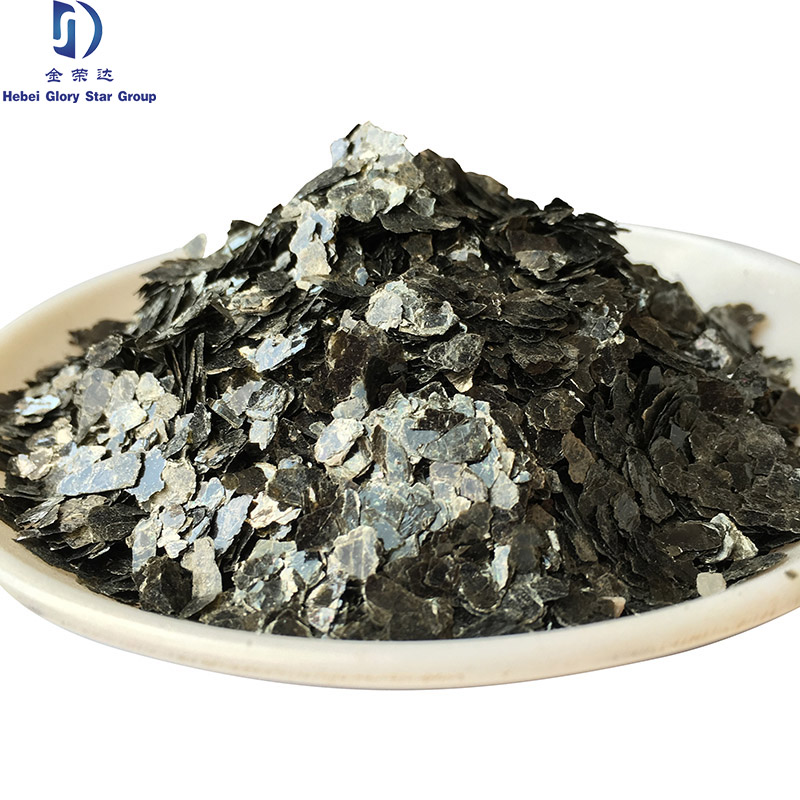
Technical Advantages of Glorystar's Biotite Mica
Glorystar Export's Biotite Mica for oil drilling and paper making offers a range of distinct technical advantages, positioning it as a preferred choice for discerning industrial clients. Our commitment to quality and precise processing ensures superior performance.
- Optimized Particle Morphology: Through advanced grinding and classification, we achieve a highly lamellar particle shape. This morphology maximizes surface area interaction, enhancing rheological control in drilling muds and improving barrier properties in coatings.
- Exceptional Chemical Inertness: Our biotite mica exhibits outstanding resistance to acids, alkalis, and other aggressive chemicals, ensuring long-term stability and performance in challenging environments, such as deep-well drilling or corrosive industrial processes.
- Superior Thermal Stability: With excellent heat resistance, our product maintains its structural integrity and functional benefits at elevated temperatures, crucial for high-temperature/high-pressure (HTHP) drilling applications and thermally stable composites.
- Consistent Particle Size Distribution: Rigorous quality control guarantees a narrow and consistent particle size distribution, which is vital for predictable performance in all applications, from filtration systems to precision paper coatings.
- Enhanced Mechanical Reinforcement: The specific biotite mica hardness and plate-like structure provide effective mechanical reinforcement in polymers and other matrices, improving tensile strength, flexural modulus, and impact resistance.
- Cost-Effectiveness and Longevity: By delivering high purity and consistent quality, our biotite mica reduces the need for higher dosages, providing a cost-effective solution with a longer service life in end-products.
Vendor Comparison: Choosing the Right Biotite Mica Supplier
Selecting a reliable supplier for industrial minerals like biotite mica is paramount for ensuring consistent product quality and operational efficiency. When comparing vendors, B2B decision-makers should consider several critical factors beyond just price.
Key Comparison Criteria:
- Purity and Consistency: A top-tier vendor will provide biotite mica with minimal non-mica impurities and a highly consistent chemical composition batch-to-batch. This impacts performance directly, especially in sensitive applications.
- Particle Size Control: The ability to consistently deliver specific particle size distributions (PSD) and control morphology (e.g., aspect ratio) is crucial for tailored applications.
- Quality Certifications: Adherence to international standards (e.g., ISO 9001:2015 for quality management) demonstrates a commitment to excellence and reliability.
- Technical Support and Customization: A reputable supplier offers expert technical guidance and the flexibility to develop customized solutions for unique application requirements.
- Supply Chain Reliability: Global logistics capabilities, inventory management, and a track record of on-time delivery are essential for minimizing production downtime.
- Transparency in Testing: Providing comprehensive test reports and data on parameters like biotite mica hardness, specific gravity, and chemical analysis builds trust and validates product claims.
Biotite Mica Vendor Comparison
| Feature/Attribute | Generic Supplier | Glorystar Export (Biotite Mica For Oil Drilling Paper Making) |
|---|---|---|
| Product Purity | Variable, typically 80-85% | >90% consistent biotite content |
| Particle Size Control | Broad distribution, limited customization | Precise D90 control, customizable from 45µm to 300µm |
| Quality Certifications | Often lacking or basic | ISO 9001:2015 certified processes, comprehensive testing |
| Technical Support | Minimal or generalized | Dedicated B2B technical team, application-specific advice |
| Supply Chain | Local or regional, less robust | Global logistics network, reliable on-time delivery |
| Customization Options | Limited or unavailable | Extensive customization for particle size, aspect ratio, packaging |
Customized Solutions and Application Case Studies
Recognizing that every industrial application has unique demands, Glorystar Export excels in providing customized biotite mica solutions. Our expertise allows us to fine-tune product specifications to meet precise performance criteria, optimizing client operations.
Tailored Solutions:
Customization options include particle size distribution (from coarse flakes to ultra-fine powders), aspect ratio control, and specific purity levels. For instance, in sensitive electronic applications, ultra-high purity biotite with low heavy metal content can be developed. For specific drilling fluid formulations, a precise average particle size and controlled biotite mica hardness are engineered to maximize lost circulation prevention while minimizing abrasion.
Application Case Study: Enhanced Drilling Efficiency in Geothermal Wells
A major energy company faced significant challenges with lost circulation and wellbore instability during the drilling of high-temperature geothermal wells in Southeast Asia. Traditional lost circulation materials (LCMs) were failing due to the extreme heat and corrosive downhole conditions.
- Problem: Excessive drilling fluid loss into fractured formations at temperatures exceeding 250°C, leading to increased operational costs and prolonged drilling times.
- Solution: Glorystar Export provided a custom-ground biotite mica, specifically engineered for high thermal stability and an optimized particle size distribution (ranging from 100-500 microns). The chosen biotite mica hardness ensured resilience in the aggressive environment.
- Results: The customized biotite mica effectively sealed off lost circulation zones, reducing fluid loss by over 70%. The wellbore stability improved significantly, leading to a 15% reduction in overall drilling time and a substantial saving in drilling fluid expenses. The client reported excellent satisfaction with the product's performance under extreme conditions.
Application Case Study: Improved Printability and Opacity in High-End Packaging Paper
A leading global paper manufacturer sought to enhance the printability and opacity of their premium packaging paper while maintaining excellent mechanical strength and reducing reliance on more expensive synthetic fillers.
- Problem: Achieving superior optical properties and print definition in lightweight paper grades without compromising tear strength or increasing material costs.
- Solution: Glorystar Export supplied a micronized biotite mica powder with a tightly controlled particle size (D90 at 20 microns) and a high aspect ratio. This specific grade of biotite mica was selected for its exceptional lamellar structure and consistent biotite mica luster.
- Results: The incorporation of Glorystar’s biotite mica led to a 12% improvement in opacity and a 5% increase in surface smoothness, significantly enhancing printability. Furthermore, the overall cost of fillers was reduced by 8%, demonstrating the economic and performance advantages of tailored biotite solutions.
Trustworthiness and Support: FAQ, Lead Time, Warranty, and After-Sales
At Glorystar Export, we prioritize building long-term, trustworthy relationships with our B2B clients through transparent processes, reliable products, and dedicated support.
Frequently Asked Questions (FAQ):
- Q1: What makes Glorystar's biotite mica suitable for high-temperature drilling?
- A1: Our biotite mica undergoes stringent quality control ensuring high thermal stability, typically resisting degradation up to 900°C. Its lamellar structure and specific biotite mica hardness also contribute to its resilience in HTHP drilling environments.
- Q2: Can your biotite mica be customized for specific paper brightness requirements?
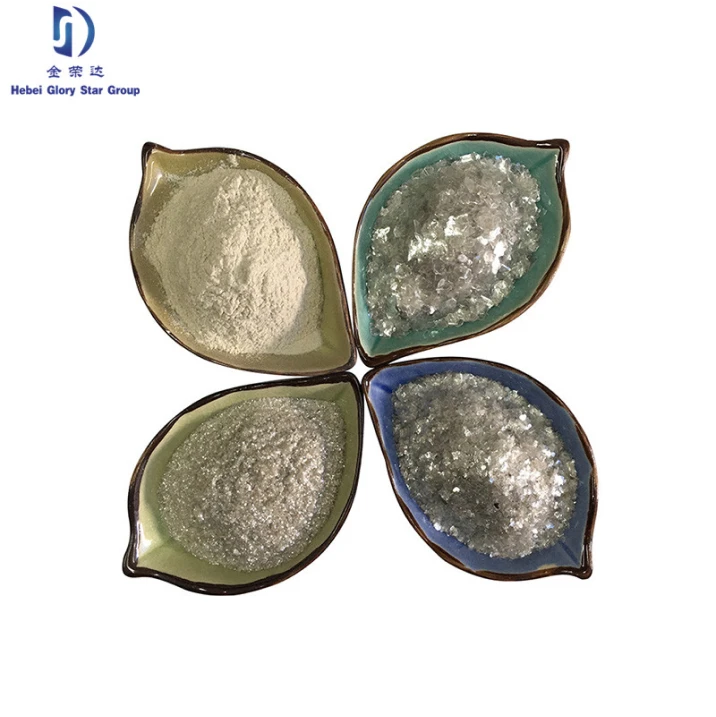
- A2: Yes, while biotite itself is dark, we can offer specific grades or blends with other minerals to achieve desired optical properties or fine-tune particle size for optimal light scattering, impacting opacity and brightness as a filler.
- Q3: What are the typical lead times for bulk orders?
- A3: For standard products, lead times generally range from 2-4 weeks, depending on order volume and destination. Customized orders may require slightly longer. We maintain efficient production and robust logistics to ensure timely delivery.
Lead Time & Fulfillment:
Glorystar Export is committed to efficient order fulfillment. With a strong global supply chain and strategic inventory management, we ensure that standard product orders are processed and shipped within industry-leading timeframes. For urgent requirements or large-scale projects, we work closely with clients to establish tailored production and logistics schedules. Our decades of experience in mineral export guarantee reliable and consistent supply.
Warranty Commitments:
We stand behind the quality of our Biotite Mica. All products are guaranteed to meet or exceed the specified technical parameters and industry standards (e.g., ISO, relevant ASTM/ANSI specifications). We offer full transparency with comprehensive Certificates of Analysis (CoA) for every shipment. Any material found to be non-conforming to agreed specifications will be addressed promptly through replacement or credit, subject to our standard terms and conditions.
Customer Support:
Our dedicated customer support team and technical experts are available to assist with product selection, application guidance, and troubleshooting. From initial inquiry to post-delivery support, we ensure a seamless and responsive experience. Contact us via our website or direct email for expert assistance with your specific requirements.
Conclusion
Biotite mica, with its distinctive biotite mica hardness, cleavage, and thermal properties, remains an indispensable mineral in diverse industrial applications, notably in oil drilling and paper manufacturing. The meticulous processing and stringent quality controls employed by Glorystar Export ensure a superior product that meets the demanding specifications of B2B clients worldwide. From enhancing rheological properties in drilling fluids to improving the optical characteristics of paper, our biotite mica delivers tangible technical and economic advantages. Partnering with a reliable supplier that offers customized solutions, technical expertise, and unwavering support is crucial for leveraging the full potential of this versatile mineral in today's competitive landscape.
References
- Deer, W.A., Howie, R.A., & Zussman, J. (1992). An Introduction to the Rock-Forming Minerals. Longman Scientific & Technical.
- Gribble, C.D., & Hall, A.J. (1992). Optical Mineralogy: Principles and Practice. Chapman & Hall.
- Schlumberger Oilfield Glossary. (n.d.). Lost Circulation Material (LCM). Retrieved from Schlumberger website.
- TAPPI (Technical Association of the Pulp and Paper Industry). (n.d.). TAPPI Standards and Test Methods.
- USGS (United States Geological Survey). (n.d.). Mica: The Mineral and Its Uses. Retrieved from USGS website.
Post time: Sep-12-2025





.png "About")