

Navigating the Calcium Carbonate Industry: Innovations and Applications
The calcium carbonate industry is a cornerstone of modern manufacturing, supplying a fundamental mineral crucial for a vast array of industrial applications. As a versatile compound, calcium carbonate (CaCO3) is indispensable across sectors ranging from construction and agriculture to paints, plastics, and paper. Its unique properties, including high brightness, excellent opacity, and low abrasion, make it a preferred filler and extender, driving efficiency and performance in end products. This article delves into the contemporary landscape of the calcium carbonate sector, exploring its intricate manufacturing processes, technical specifications, diverse application scenarios, and the strategic advantages it offers to B2B stakeholders. We will also examine key industry trends, vendor considerations, customization capabilities, and real-world case studies to provide a comprehensive understanding of its impact and potential.
Current Industry Trends and Market Dynamics
The global calcium carbonate industry is experiencing dynamic shifts, driven by increasing demand from emerging economies, technological advancements in processing, and a growing emphasis on sustainable practices. Key trends include the rising adoption of ultrafine grades for high-performance applications, particularly in plastics and coatings, where enhanced mechanical properties and optical characteristics are paramount. Furthermore, there's a significant push towards developing functionalized calcium carbonate, featuring surface modifications that improve dispersion, adhesion, and compatibility with various polymer matrices. This allows for superior product attributes, such as increased impact strength in plastics or improved rheology in paints. The market is also witnessing consolidation among major producers to leverage economies of scale and optimize supply chains, while niche players focus on specialized grades and customized solutions. Sustainability initiatives are also influencing the sector, with efforts to reduce energy consumption in grinding processes and explore more environmentally friendly mining and processing techniques.
Demand for ground calcium carbonate (GCC) and precipitated calcium carbonate (PCC) remains robust. GCC, derived from naturally occurring limestone, marble, or chalk, dominates in volume due to its cost-effectiveness and broad utility. PCC, synthesized through a carbonation process, offers greater control over particle size, morphology, and surface area, making it ideal for applications requiring higher purity, brightness, and specific functionalities like optical brightening or thixotropic properties. The interplay between these two forms continually shapes the competitive landscape and innovation within the calcium carbonate industry.
Manufacturing Process Flow of Industrial Calcium Carbonate
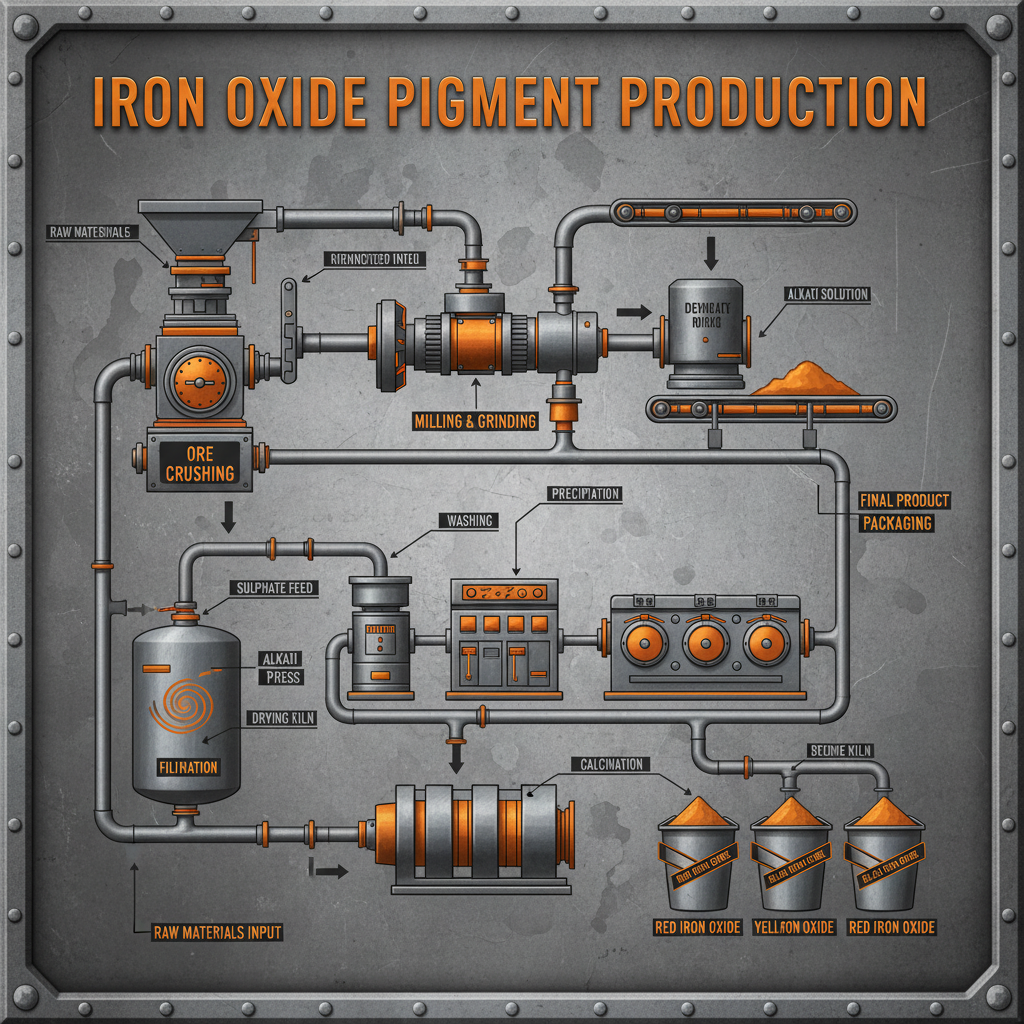
The production of industrial calcium carbonate involves a multi-stage process designed to achieve specific particle size distributions, purities, and surface characteristics. For Ground Calcium Carbonate (GCC), the process primarily involves mechanical methods, while Precipitated Calcium Carbonate (PCC) involves chemical synthesis.
Process Flow for Ground Calcium Carbonate (GCC)
Raw Material: High-purity Limestone
- 1. Crushing: Large limestone blocks are fed into primary jaw crushers, followed by secondary cone crushers, reducing the material to sizes typically between 10mm to 50mm. This initial mechanical processing step is critical for subsequent grinding efficiency.
- 2. Pre-Grinding: The crushed material undergoes further reduction in impact mills or roller mills to achieve a finer feed for the final grinding stage, often down to a few hundred microns.
- 3. Fine Grinding: Advanced grinding technologies, such as ball mills, vertical roller mills, or specialized jet mills, are employed to achieve the desired micron-sized particles, sometimes down to sub-micron levels. This stage is crucial for producing high-transparency grades.
- 4. Classification: Air classifiers are used to precisely separate particles based on size. Oversized particles are recirculated for further grinding, while appropriately sized material proceeds. This ensures a tight particle size distribution (PSD), vital for consistent product performance.
- 5. Drying & Surface Treatment: The finely ground calcium carbonate is dried to a very low moisture content. For specific applications, particles may undergo surface treatment (e.g., with stearic acid) to render them hydrophobic, improving dispersion in polymer matrices and reducing oil absorption.
- 6. Quality Control & Packaging: The final product undergoes rigorous testing for particle size, whiteness, purity (e.g., CaCO3 content typically >98%), moisture, and specific surface area, adhering to international standards such as ISO 1247. The finished calcium carbonate is then packaged into bags or bulk container111s.
Typical Target Industries & Advantages
The industrial use of calcium carbonate spans numerous sectors. For instance, in the plastic industry, high transparency CaCO3 enhances stiffness and impact resistance, reduces material costs, and improves processability. In paints and coatings, it acts as a functional filler, contributing to whiteness, opacity, and rheology control, while also improving scrub resistance and reducing titanium dioxide consumption. In the paper industry, it serves as a filler and coating pigment, improving brightness, smoothness, and printability, leading to energy saving in the drying process due to its lower density compared to other fillers.
Testing standards like ISO 787 (General methods of test for pigments and extenders) and specific industry standards for particle size (e.g., ASTM D1199 for paint) ensure product quality and consistency. The service life of calcium carbonate as a filler is directly tied to the end product's durability, where it contributes to the structural integrity and performance longevity, for example, improving UV resistance in outdoor plastics or corrosion resistance in coated metals indirectly by reinforcing the coating layer. The overall manufacturing process prioritizes energy efficiency through optimized grinding and classification systems, reducing environmental impact while maintaining product quality.
Technical Specifications of High Transparency Calcium Carbonate
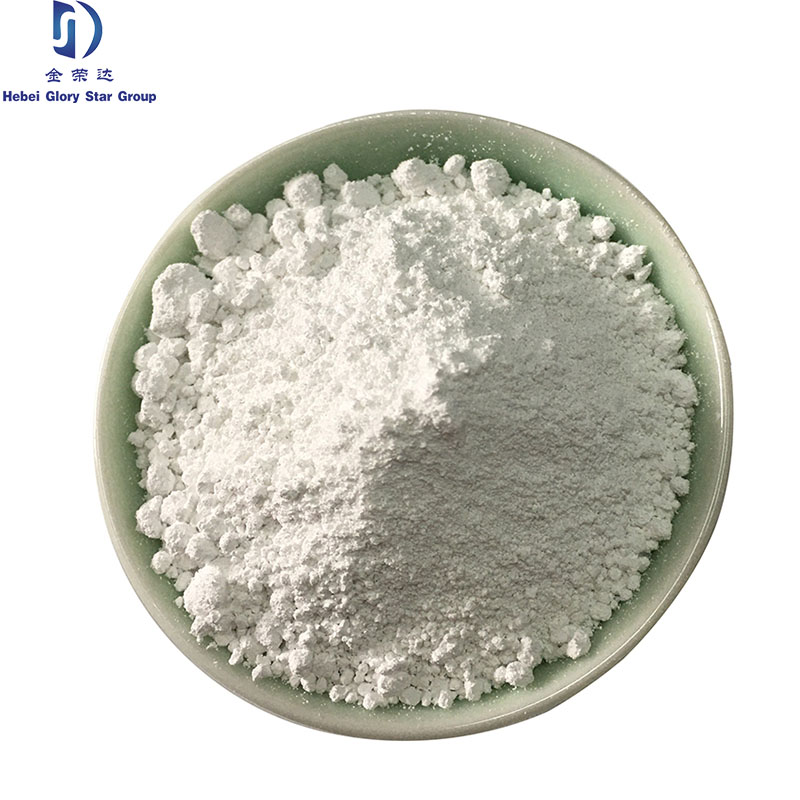
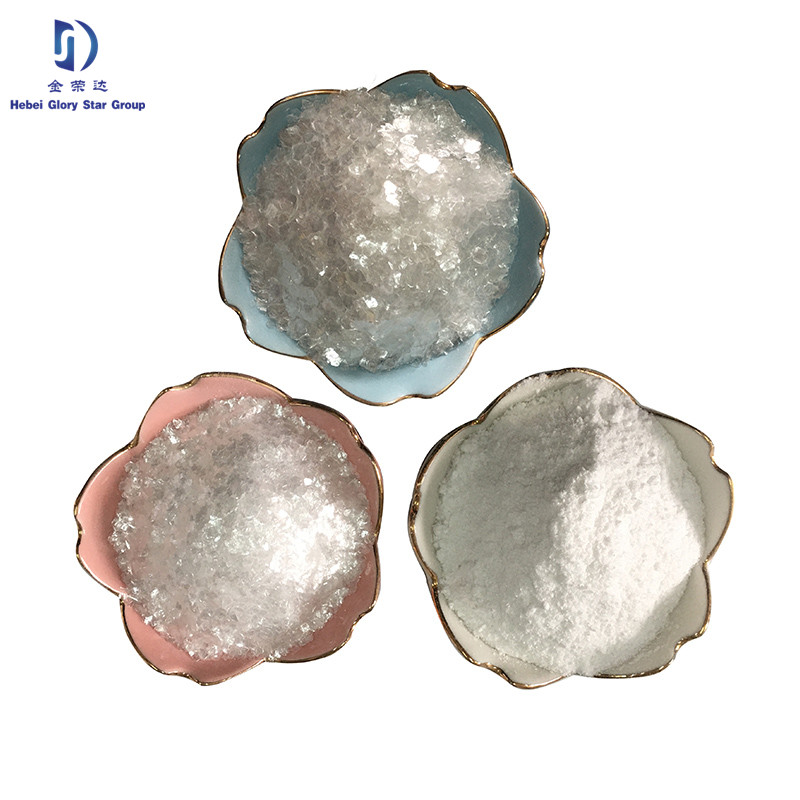
High Transparency Calcium Carbonate is a premium grade product specifically engineered to meet stringent requirements in applications where optical properties and fine particle dispersion are critical. This material is widely recognized in the plastic, paint, and paper industries for its ability to reduce gloss, enhance clarity, and improve mechanical properties without compromising the aesthetic appeal of the final product. The precise control over particle size, morphology, and surface chemistry during its production results in its unique performance attributes. Below is a representative specification table for such a product:
Product Specification Table: High Transparency Calcium Carbonate Caco3
| Parameter | Unit | Value Range / Description | Test Method (e.g.) |
|---|---|---|---|
| CaCO3 Content | % | > 98.5% | ISO 3262-5 |
| Whiteness (R457) | % | > 95% | ISO 2470-1 |
| Median Particle Size (D50) | µm | 0.7 - 1.5 µm | ISO 13320 (Laser Diffraction) |
| Top Cut (D97) | µm | < 5 µm | ISO 13320 |
| Oil Absorption | g/100g | 20 - 28 | ISO 787-5 |
| Specific Gravity | g/cm³ | 2.7 g/cm³ (approx.) | ISO 787-10 |
| Moisture Content | % | < 0.2% | ISO 787-2 |
| pH Value (10% slurry) | - | 9.0 - 9.5 | ISO 787-9 |
These parameters are critical for specifying the suitability of calcium carbonate for diverse applications. For instance, a lower D50 and D97 value indicate finer particles, which contribute to higher transparency and better dispersion. Lower oil absorption is often desirable in plastics to maintain polymer integrity, while higher whiteness is crucial for paper and paint industries. The consistency of these specifications, verified by adherence to ISO standards, underscores the reliability and performance of industrial calcium carbonate products.
Diverse Application Scenarios in the Calcium Carbonate Industry
The versatility of calcium carbonate makes it a key additive across numerous industrial sectors, each leveraging its specific properties for enhanced product performance and cost efficiency. The calcium carbonate industry delivers tailored solutions that meet the demanding requirements of these diverse applications.
Paint and Coatings Industry
In paints, calcium carbonate serves multiple critical functions. It acts as an extender pigment, allowing for the reduction of more expensive titanium dioxide without sacrificing opacity or brightness. Fine and ultrafine grades improve paint rheology, brushability, and leveling. For architectural paints, it enhances scrub resistance, gloss control, and weathering durability. Surface-treated grades, in particular, improve dispersion in solvent-based systems, leading to more stable formulations and extended shelf life. The use of calcium carbonate contributes to the overall corrosion resistance of coated surfaces by providing a denser film structure.
Plastics Industry
In plastics, calcium carbonate is an invaluable filler that significantly reduces production costs while often improving mechanical properties. In polypropylene (PP) and polyethylene (PE) applications, it enhances stiffness, impact strength, and dimensional stability. For PVC profiles and pipes, it improves extrusion rates, reduces shrinkage, and contributes to surface finish. High transparency grades, with their extremely fine particle size and narrow distribution, are crucial for films and sheets where clarity is essential, such as in BOPP films or cling wraps, preventing optical distortion and maintaining transparency. The ability to precisely control particle size and surface chemistry allows manufacturers to optimize polymer composites for specific performance targets.
Paper Industry
The paper industry is one of the largest consumers of calcium carbonate, utilizing it as both a filler and a coating pigment. As a filler, it enhances paper brightness, opacity, and smoothness, while reducing the need for more costly wood pulp. Its alkaline nature also facilitates acid-free papermaking, improving paper permanence. In paper coatings, calcium carbonate provides excellent printability, ink holdout, and a smooth surface finish for high-quality graphic papers. The use of calcium carbonate in paper production also translates to significant energy saving in drying processes due to its ability to absorb moisture efficiently.
Other Industrial Uses
- Sealants and Adhesives: Acts as a rheology modifier and filler, improving consistency and reducing costs.
- Rubber: Enhances mechanical properties such as tensile strength and abrasion resistance in rubber products.
- Construction: Used in concrete, mortar, and asphalt as an aggregate or filler, improving workability and durability.
- Agriculture: Employed as a soil conditioner to neutralize acidity and provide essential calcium to crops.
Technical Advantages of Modern Calcium Carbonate Solutions
The evolution of processing technologies within the calcium carbonate industry has led to significant technical advantages that empower manufacturers to optimize their products and processes. These advantages are particularly evident when utilizing high-quality, engineered grades of calcium carbonate, such as the high transparency variety.
- Cost Reduction: As a high-performance filler, calcium carbonate can partially replace more expensive raw materials like titanium dioxide in paints or polymers in plastics, leading to substantial cost savings without compromising product quality.
- Enhanced Mechanical Properties: Ultrafine and surface-treated calcium carbonate particles act as reinforcing agents in polymer matrices. They improve tensile strength, flexural modulus, impact strength, and hardness in plastics, extending the service life of end products.
- Improved Optical Properties: For high transparency applications, precise control over particle size (often below the wavelength of visible light) minimizes light scattering, maintaining clarity. In other applications, its inherent whiteness and high refractive index enhance brightness and opacity.
- Optimized Rheology and Processability: Calcium carbonate can function as a rheology modifier, improving the flow characteristics of paints, coatings, and polymer melts. This leads to smoother processing, faster extrusion rates, and better surface finishes, contributing to energy saving in manufacturing.
- Chemical Stability and Durability: Calcium carbonate is chemically inert and offers good UV resistance, contributing to the long-term stability and durability of composites, coatings, and paper. In specific applications, it can enhance corrosion resistance by creating a robust barrier layer.
- Environmental Benefits: Sourcing and processing high-purity natural calcium carbonate offers a more sustainable alternative to synthetic fillers. Furthermore, its use can reduce the overall carbon footprint of final products by displacing more energy-intensive materials.
Vendor Comparison and Selection in the Calcium Carbonate Industry
Choosing the right supplier in the calcium carbonate industry is paramount for ensuring consistent product quality, reliable supply, and optimized total cost of ownership. B2B decision-makers should evaluate vendors based on a comprehensive set of criteria that go beyond mere price per ton.
Key Vendor Evaluation Criteria:
- Product Portfolio & Purity: Does the vendor offer a diverse range of calcium carbonate grades (GCC, PCC, surface-treated) with consistently high CaCO3 purity and whiteness, matching specific application needs?
- Particle Size Consistency: The ability to deliver precise and consistent particle size distribution (PSD) is critical for performance. Ask for D50, D97, and other relevant metrics with tight tolerances.
- Quality Assurance & Certifications: Look for ISO 9001, ISO 14001, and potentially industry-specific certifications (e.g., REACH compliance, FDA for food contact grades) that validate robust quality management systems.
- Technical Support & R&D: A strong vendor provides technical expertise, application support, and R&D capabilities to help optimize formulations or develop customized solutions.
- Supply Chain Reliability: Assess the vendor's logistics, warehousing capabilities, and contingency plans to ensure on-time delivery and mitigate supply disruptions.
- Sustainability Practices: Evaluate commitment to environmental responsibility, energy efficiency in production, and responsible sourcing.
Comparison of Calcium Carbonate Grades
| Characteristic | Ground Calcium Carbonate (GCC) | Precipitated Calcium Carbonate (PCC) | High Transparency GCC (e.g., this product) |
|---|---|---|---|
| Origin | Mined Limestone | Chemical Synthesis | Mined Limestone (highly processed) |
| Particle Morphology | Irregular, rhombohedral | Uniform, varied (scalenohedral, aragonite, rhombohedral) | Highly uniform, ultra-fine, compact |
| Median Particle Size (D50) | 0.5 - 50 µm | 0.02 - 2 µm | 0.7 - 1.5 µm (typically) |
| Whiteness (R457) | 90-97% | 95-98% | > 95% |
| Primary Use | General filler, construction, paper | High-end paper, paints, specialty plastics | High-transparency films, specialty coatings, adhesives |
| Cost | Low | Medium to High | Medium |
Customized Solutions and Application Case Studies
The complexity of modern industrial applications often necessitates tailored approaches to material science. Recognizing this, leading suppliers in the calcium carbonate industry offer customized solutions, leveraging their R&D capabilities to meet specific client requirements. This includes developing unique particle size distributions, applying specialized surface treatments, and optimizing chemical compositions for niche applications. For example, a plastics manufacturer might require a specific stearate coating to ensure excellent dispersion in a particular polymer blend, or a paint producer might need a blend of different particle sizes for optimal gloss control and film integrity.
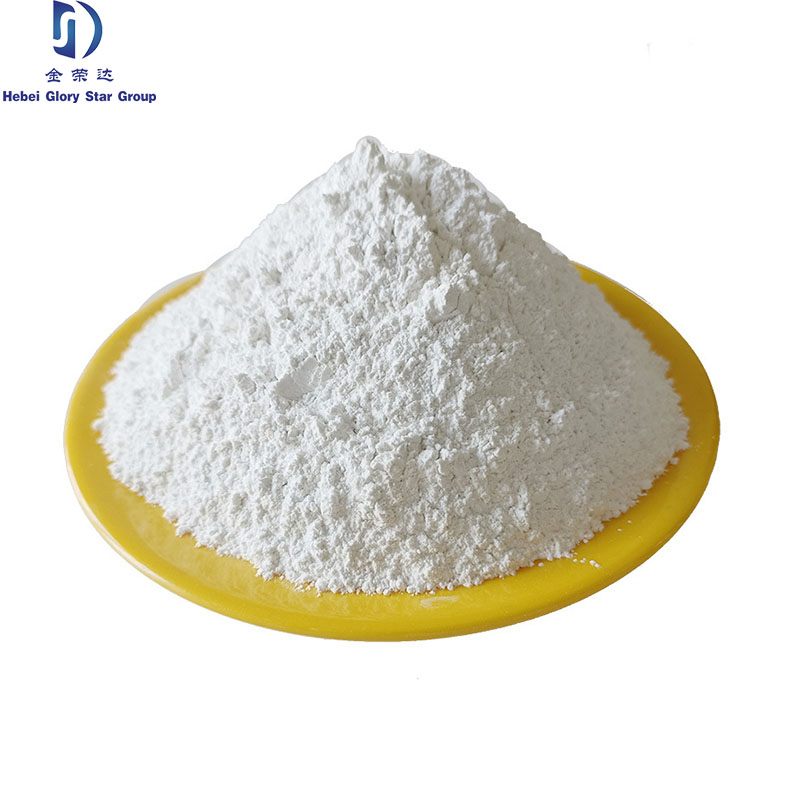
Application Case Study 1: High-Performance Agricultural Films
A major agricultural film producer sought to enhance the mechanical strength and UV resistance of their greenhouse films while maintaining optical clarity. Standard calcium carbonate fillers often compromised transparency. Through close collaboration, our team developed a customized high transparency calcium carbonate, with a tightly controlled D50 of 1.0 µm and a specific hydrophobic surface treatment. This innovation allowed the client to increase filler loading by 15%, resulting in a 10% improvement in tear strength and a 5% increase in UV stability, all while preserving the required light transmission properties. The optimized solution also led to a 7% reduction in raw material costs for the client.
Application Case Study 2: Eco-Friendly Architectural Paints
An international paint manufacturer aimed to launch a new line of low-VOC (Volatile Organic Compound) architectural paints with superior scrub resistance and matte finish. Traditional extenders often led to issues with film integrity and color consistency in low-VOC formulations. We provided a specialized ultrafine calcium carbonate grade (D97 < 3 µm) with a unique particle morphology that enhanced pigment packing density. This custom solution allowed the client to achieve the desired matte finish and significantly improved wet scrub resistance (over 500 cycles according to ASTM D2486) at a reduced formulation cost, contributing to a more sustainable and high-performing product line.
Ensuring : Expertise, Experience, Authoritativeness, and Trustworthiness
In the B2B sphere, demonstrating Expertise, Experience, Authoritativeness, and Trustworthiness () is crucial for building lasting partnerships. Our commitment to these principles underpins every aspect of our operations within the industrial use of calcium carbonate.
Expertise & Experience
Our team comprises materials scientists and chemical engineers with deep specialization in mineral processing and polymer chemistry. We regularly engage in R&D to push the boundaries of calcium carbonate functionality, offering insights into particle engineering, surface modification techniques, and application-specific formulation optimization. Decades of operational experience, coupled with continuous learning, ensure that our advice is grounded in both theoretical knowledge and practical, real-world application. Leading manufacturers across the paint, paper, and plastic sectors consistently report improved product performance and cost efficiencies through our tailored calcium carbonate solutions.
Authoritativeness
Our products are manufactured under stringent quality management systems, certified to ISO 9001:2015 standards, ensuring consistent quality from raw material sourcing to final delivery. We adhere to international testing protocols, including ISO, ASTM, and ANSI, providing transparent data for all our product specifications. Our long-standing partnerships with major industry players globally, some spanning over two decades, attest to our role as an authoritative and reliable supplier in the calcium carbonate industry. We regularly contribute to industry discussions and white papers, further solidifying our position as thought leaders.
Trustworthiness
Frequently Asked Questions (FAQ)
Q1: What is the typical lead time for an order of high transparency calcium carbonate?
A1: Standard orders for our high transparency calcium carbonate typically have a lead time of 2-4 weeks, depending on order volume and specific customization requirements. Expedited options are available upon request and depend on current production schedules.
Q2: How do you ensure consistent particle size distribution for specialty grades?
A2: We employ advanced laser diffraction analysis and rigorous in-process quality control at multiple stages of grinding and classification. Each batch undergoes thorough testing to ensure the D50 and D97 values meet the precise specifications, often with tight tolerances, documented by a Certificate of Analysis (CoA).
Q3: What are your warranty commitments for product quality?
A3: We guarantee that our products will conform to the agreed-upon technical specifications and are free from defects in material and workmanship at the time of shipment. Any deviations are handled promptly in accordance with our comprehensive quality assurance policy.
Lead Time & Fulfillment
Our robust supply chain and optimized production planning enable efficient order fulfillment. We manage global logistics, offering various shipping options (FOB, CIF, DDP) to ensure timely delivery to your facilities. For large or recurring orders, we establish dedicated inventory management systems to guarantee continuous supply, minimizing any risk of disruption to your manufacturing processes.
Warranty & After-Sales Support
Beyond our product quality warranty, we offer comprehensive after-sales support. This includes technical assistance for product integration, troubleshooting, and performance optimization. Our dedicated customer service team is readily available to address any inquiries, ensuring a seamless experience and sustained value from our calcium carbonate solutions.
Conclusion
The calcium carbonate industry remains a pivotal force in industrial material supply, consistently evolving to meet the complex demands of modern manufacturing. From intricate processing technologies yielding high transparency grades to bespoke solutions for diverse applications, calcium carbonate offers unparalleled advantages in cost-efficiency, performance enhancement, and sustainability. As industries continue to innovate, the strategic selection of calcium carbonate products and partners, guided by robust technical specifications and a commitment to principles, will be critical for achieving superior product outcomes and maintaining a competitive edge. The versatility and continuous advancement of the industrial use of calcium carbonate ensure its enduring relevance across a multitude of global sectors.
References
- Mineral Information Institute. "Calcium Carbonate: A Versatile Mineral for Industry." minerals.org.
- European Council of the Paint, Printing Ink and Artists' Colours Industry (CEPE). "Fillers in Paints and Coatings." cepe.org.
- Technical Association of the Pulp and Paper Industry (TAPPI). "Calcium Carbonate in Paper Making." tappi.org.
- Plastics Industry Association. "Additives for Plastics: Calcium Carbonate." plasticsindustry.org.
- ISO (International Organization for Standardization). "Standards for Pigments and Extenders." iso.org.
Post time: Sep-10-2025









.png "About")