

Vinyl Flake Epoxy Floor Flakes For Coating: field notes, specs, and what’s actually working on job sites
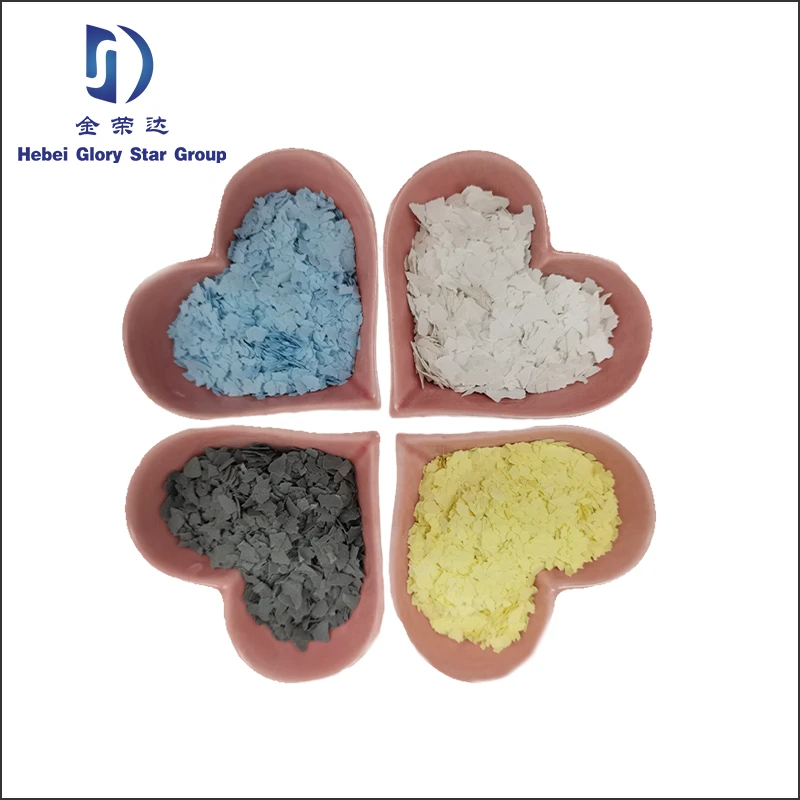
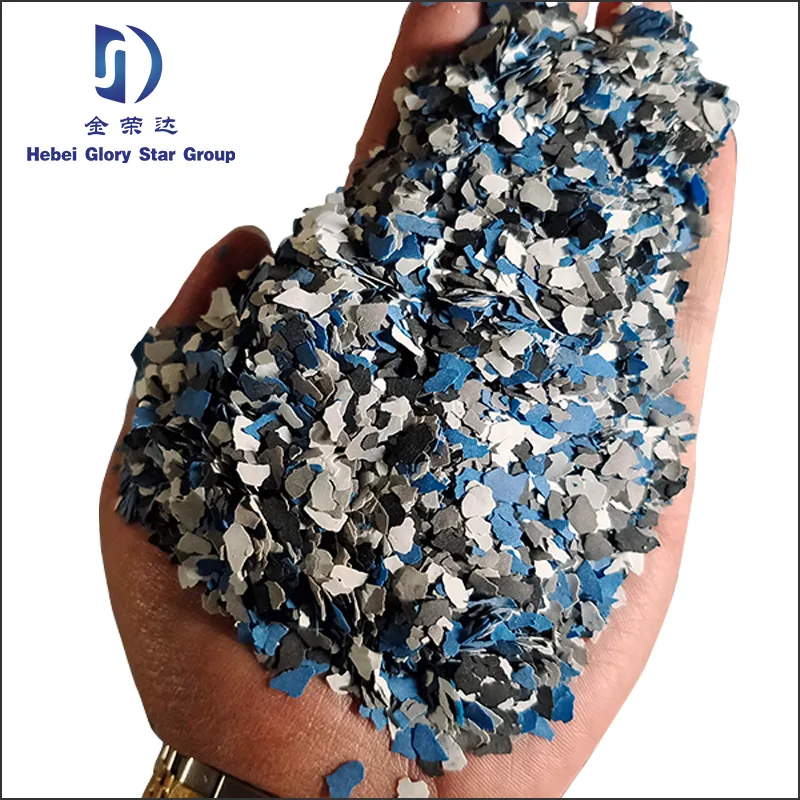
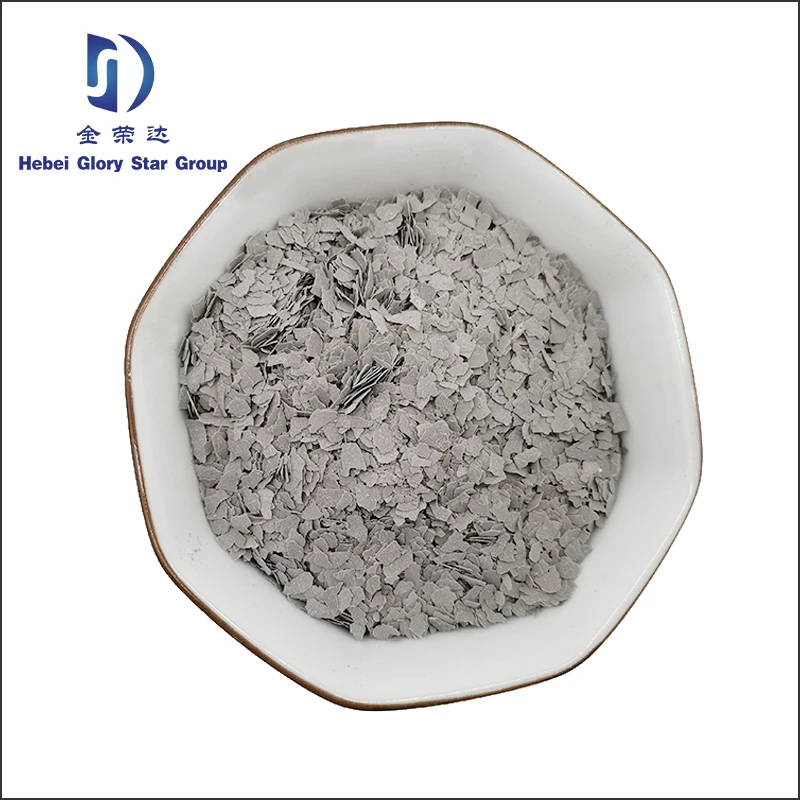
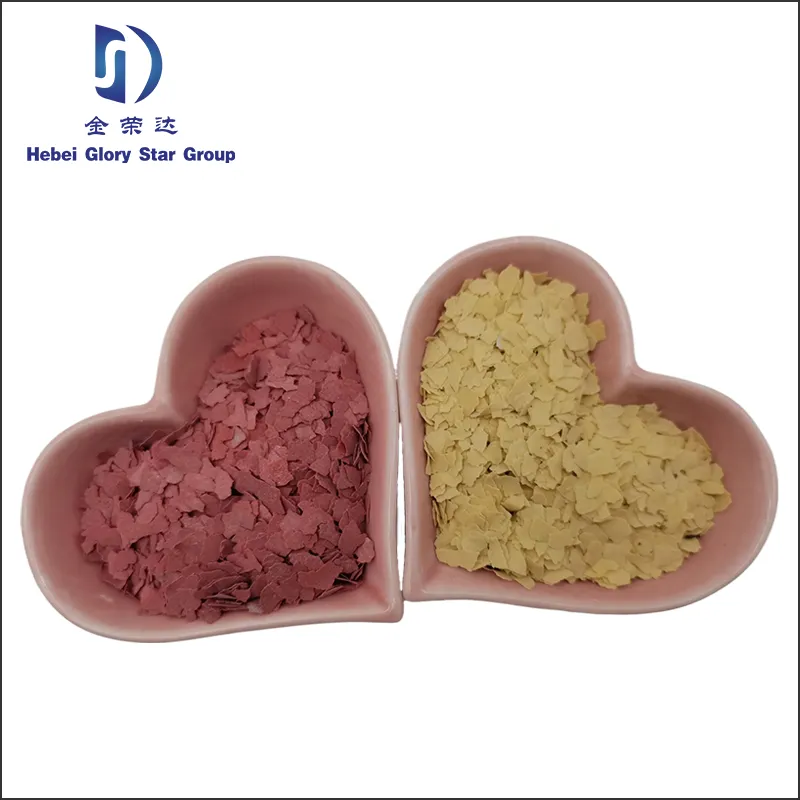
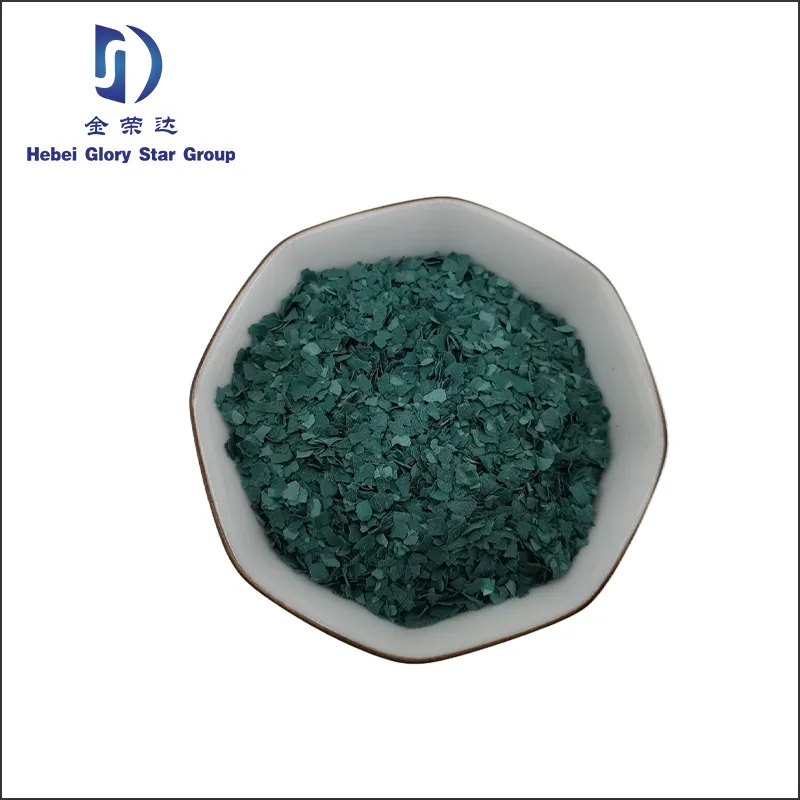
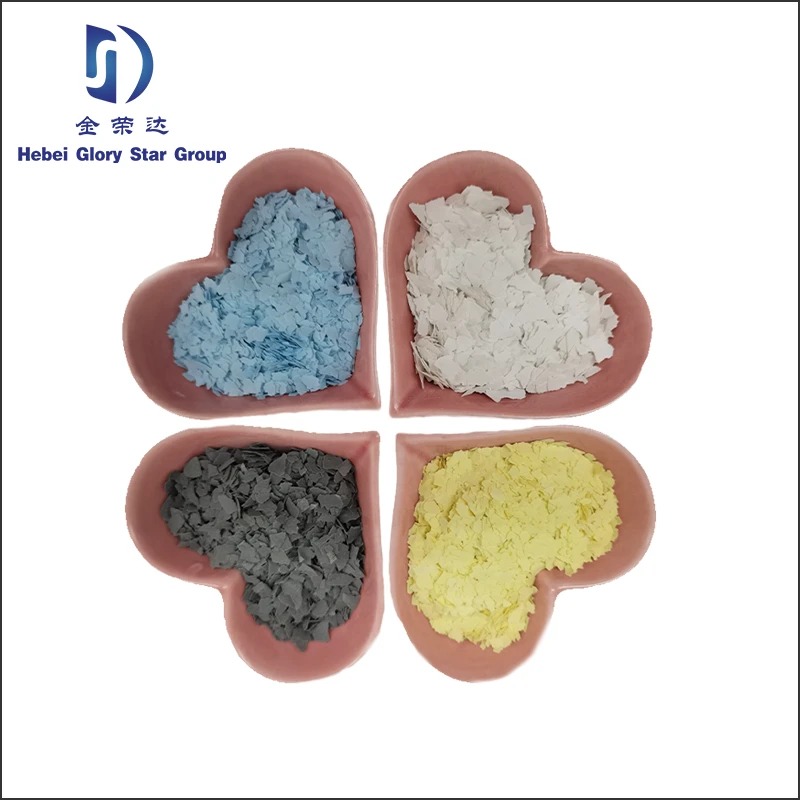
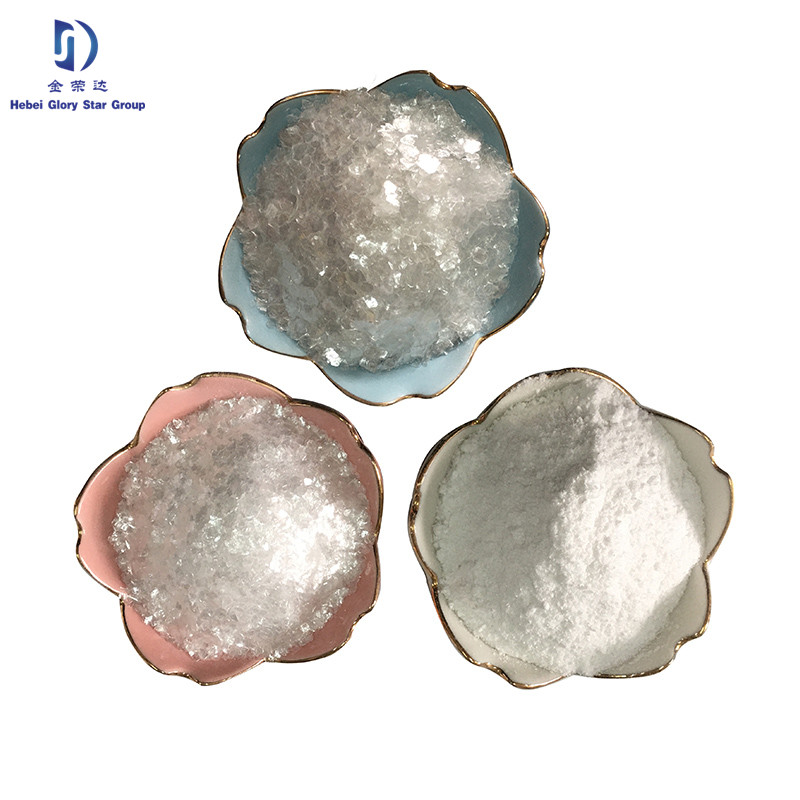
When people in the trade say Vinyl Flakes, they’re often talking about a deceptively simple ingredient that turns a basic resin floor into something durable, slip-resistant, and frankly, good-looking. I’ve walked a lot of mechanical rooms and showrooms, and—surprisingly—the floors that keep their pop after years of forklift traffic almost always use a full broadcast of Vinyl Flakes. The version I’m reviewing here is “Vinyl Flake Epoxy Floor Flakes For Coating,” produced in 368 Youyi North Street, Shijiazhuang, Hebei, China. The manufacturer calls them Composite Rock Chips: inorganic materials plus high‑molecular polymer, non‑toxic additives, and a surfactant package tuned for resin systems.
Trend check: why architects keep specifying Vinyl Flakes
Three currents I keep hearing in pre-bid calls: faster turnarounds, lower VOCs, and finishes that hide abuse without looking like a garage. Vinyl Flakes hit all three. Full broadcast builds a forgiving visual, so stains and scuffs blend in; low-odor resin systems are now common; and installers can deliver weekend cutovers in retail and healthcare. Also gaining momentum: micro-flake blends (1/32–1/16 in) for a more terrazzo-like look.
What’s inside and where it’s used
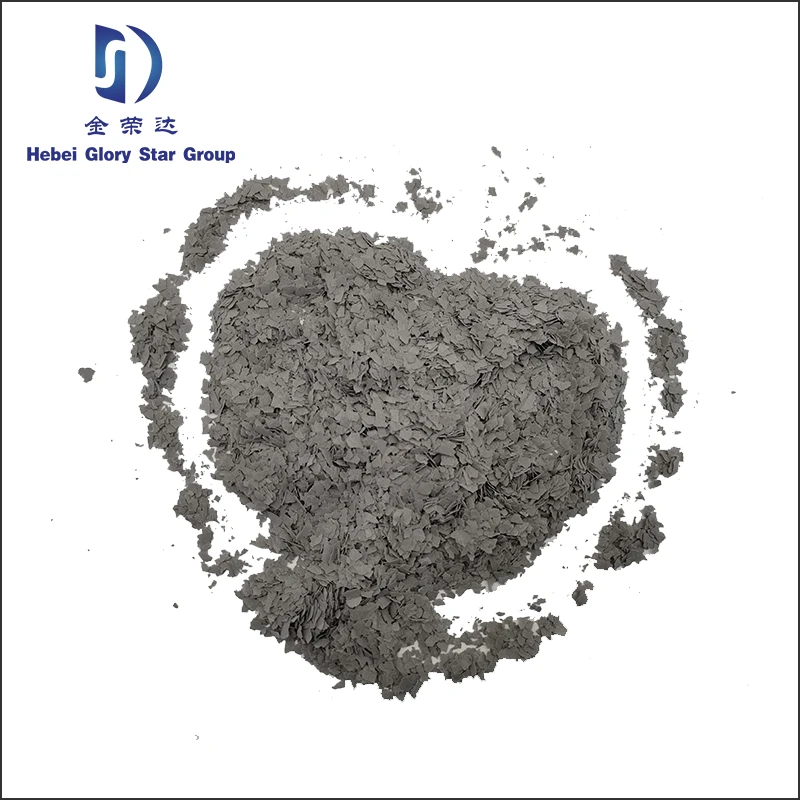
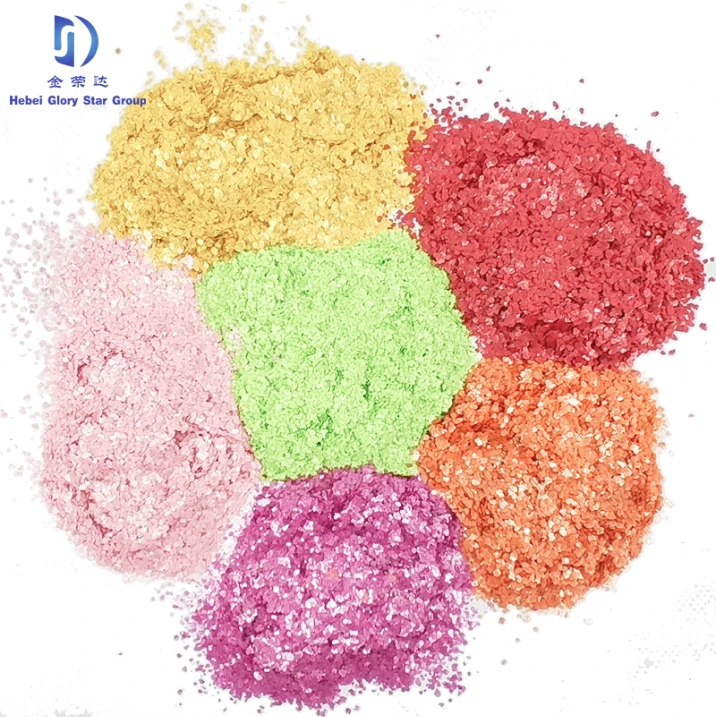
These flakes mimic natural granite colors and particle sizes, so they pair with epoxy, polyaspartic, or PU topcoats for interiors, and even exterior wall granite paints. You’ll see Vinyl Flakes in car dealerships, school corridors, clinics, breweries, animal care, fire stations—anywhere stain camouflage and cleanability matter.
How the system goes down (real-world flow)
- Surface prep: ICRI CSP 2–4 via shot blast or diamond grind; moisture check per ASTM F2170.
- Prime coat: low-viscosity epoxy, 6–10 mils.
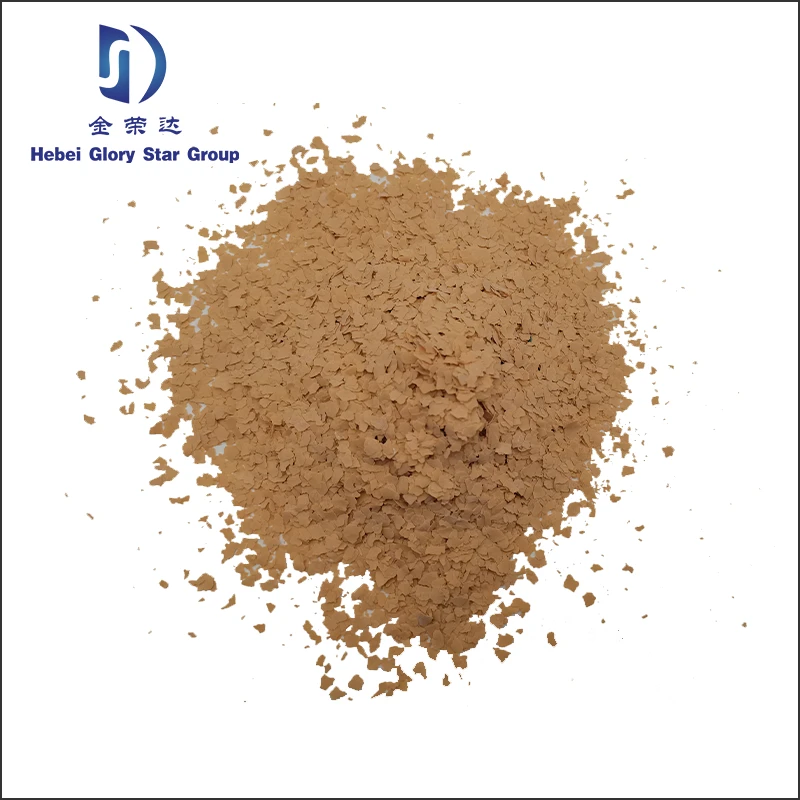
- Body coat: 100% solids epoxy or polyaspartic, then broadcast Vinyl Flakes to rejection (0.15–0.30 lb/ft²) or partial (for salt-and-pepper).
- Scrape and vacuum: two directions to flatten.
- Topcoat: chemical-resistant PU or polyaspartic, 8–14 mils. Optional extra coat for wet areas.
Service life is typically 7–12 years in light/medium traffic; heavy industrial may see 5–8 years—maintenance and cleaning chemistry matter more than people think.
Product specs (installer-friendly)
| Material | Composite Rock Chips (inorganic fillers + polymer matrix; non-toxic additives; surfactant) |
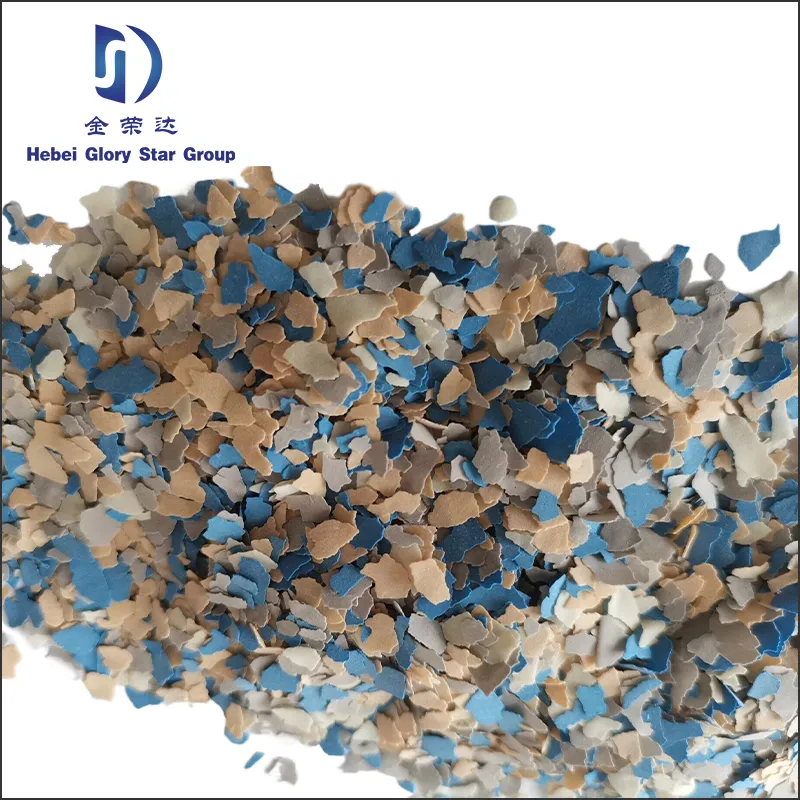
| Flake sizes | ≈ 1/32 in, 1/16 in, 1/8 in, 1/4 in; custom on request |
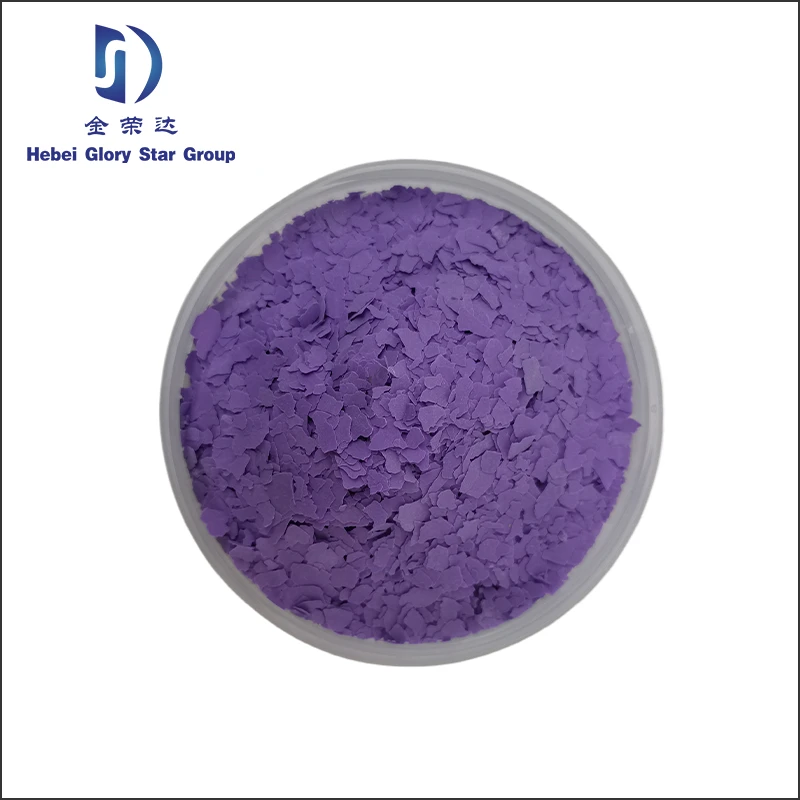
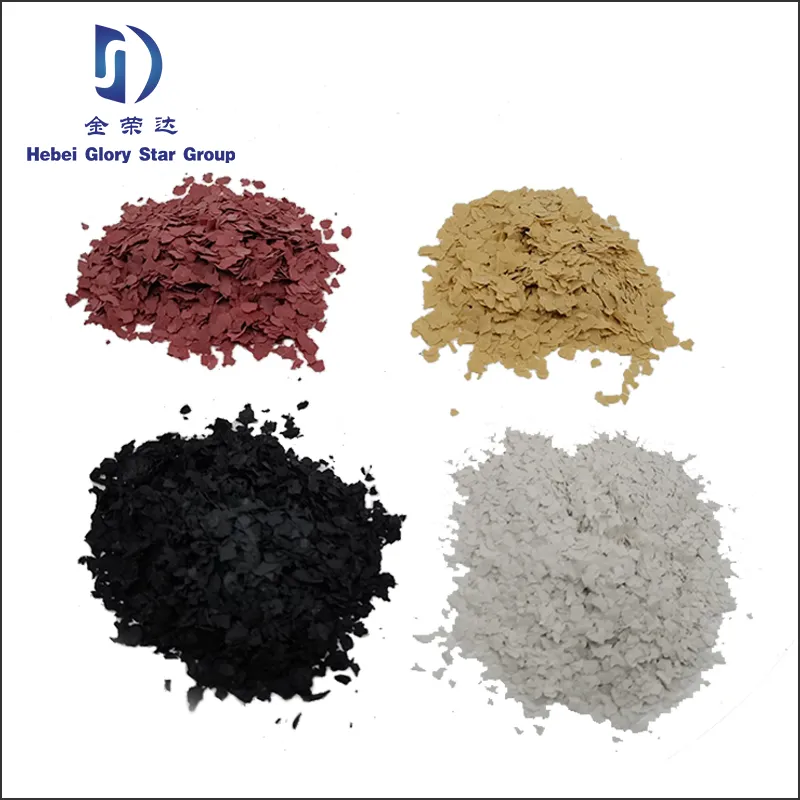
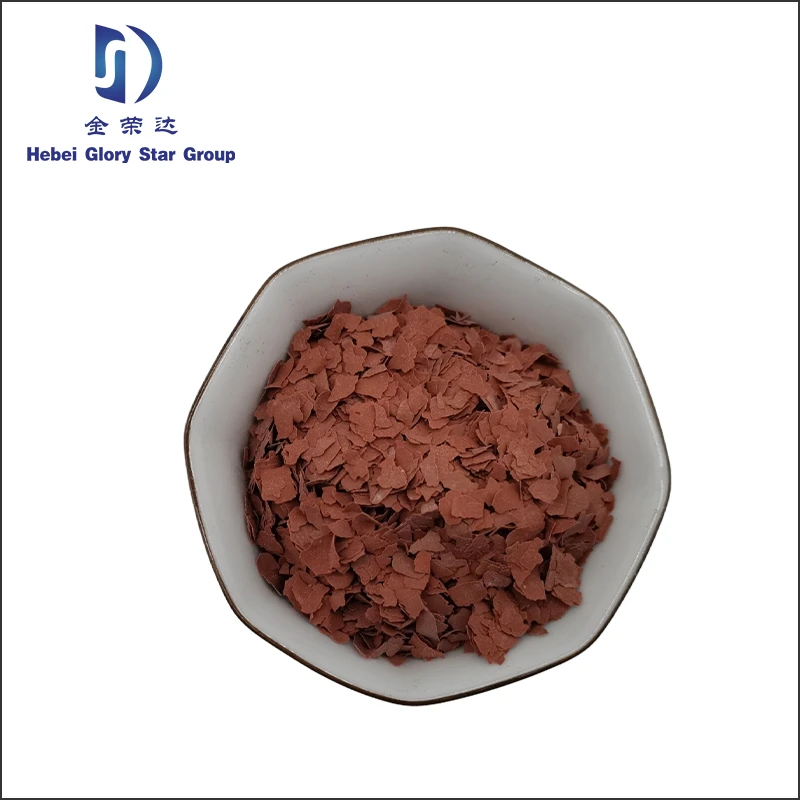
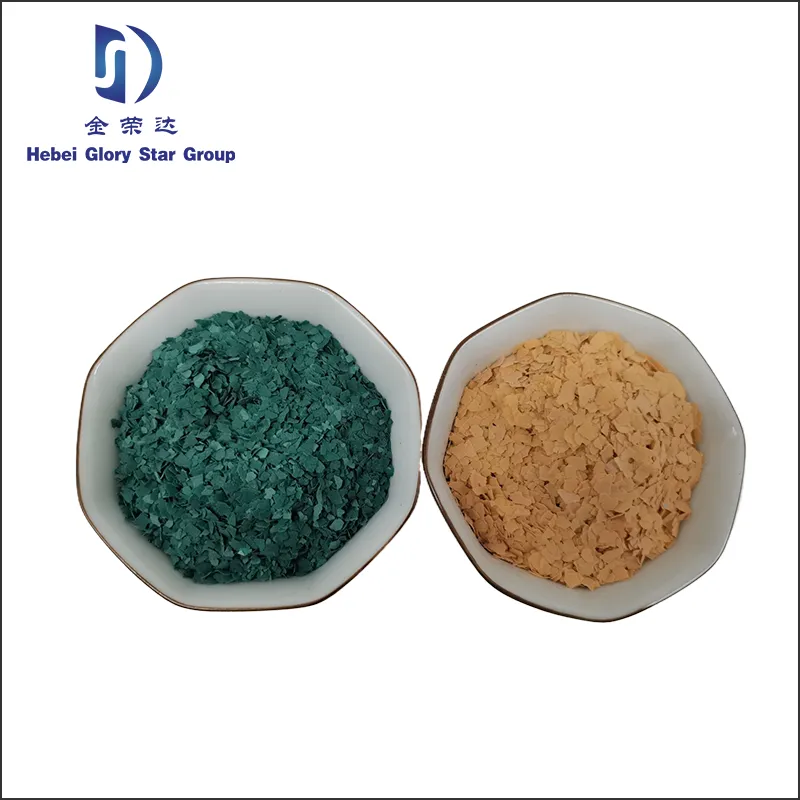
| Colorways | Granite-mimic, solids, speckles; custom blends matched to RAL/Pantone (≈) |
| Bulk density | ≈ 0.9–1.2 g/cm³ (real‑world use may vary) |
| Recommended coverage | Partial: 0.03–0.08 lb/ft²; Full: 0.15–0.30 lb/ft² |
Verification, testing, and data points
- Adhesion (ASTM D7234 pull-off on concrete): 250–400 psi typical with substrate failure noted (indicative).
- Abrasion (ASTM D4060, CS-17, 1000 g/1000 cycles): ≤ 70 mg loss with high-solids topcoat (system-dependent).
- Slip (ANSI A326.3 DCOF): ≥ 0.42 dry with matte PU topcoat; add traction additive for wet zones.
- Flame (ASTM E84): Class A achievable with appropriate resin system.
- VOC (EPA Method 24): 0–150 g/L depending on resin/topcoat; flakes themselves are non-VOC solids.
- Certifications: ISO 9001 manufacturing; RoHS and REACH statements available from the vendor.
Vendor comparison (quick buyer’s matrix)
| Vendor | Customization | Lead Time | Certs | Notes |
|---|---|---|---|---|
| Glory Star Export (Hebei, China) | High (color/size blends) | ≈ 10–20 days | ISO 9001, REACH/RoHS docs | Granite-match palettes, export packaging |
| Regional Blender A | Medium | 1–2 weeks | Factory QA, SDS | Good for small MOQs |
| OEM Aggregator B | Low–Medium | 2–5 weeks | Varies | Broad availability, less traceability |
Customization that actually helps designers
Pick flake size by space: micro for lobbies, 1/8 in for corridors, 1/4 in for garages. Blend warm and cool tones to tie into millwork, then choose sheen via the topcoat. Hybrid looks—like mixing Vinyl Flakes with quartz or metallic accents—are trending in boutique fitness and pet care. To be honest, sample boards save arguments later; order a few.
Case study: auto showroom refresh
8,000 ft² dealership retrofit, Southwest US. Substrate: 15-year slab with oil staining. They went full broadcast Vinyl Flakes, 1/8 in blend, two PU topcoats. After 18 months, the facility manager reported easier cleaning and fewer visible tire marks; maintenance time down “about a third,” his words. Not scientific, but it tracks with what many customers say.
Installer notes and pitfalls
- Humidity swings can fish-eye topcoats; keep RH and slab temp in spec.
- Broadcast early and heavy for full flake; late throws cause telegraphing.
- For kitchens, add silica or polymer traction additive to the final coat.
Buying checklist
Ask for: color match samples, flake size confirmation, SDS, ISO 9001 and REACH/RoHS statements, suggested spread rates, and cleaning guidance. If you’re sourcing from Glory Star Export, note their export-ready packaging and direct ship from Hebei; lead times are reasonable, but factor customs.
Citations
Post time: Nov-11-2025





.png "About")