

Industrial Grade Talc for Coatings, Rubber, Ceramics, Plastic — A Field Report
I’ve walked more than a few powder rooms (the industrial kind), and the first thing process managers ask is predictably the same: can your Talcum Powder hold dispersion, keep viscosity steady, and not wreck the budget? Short answer: yes, if it’s milled right and tested honestly. Below is what I’ve learned—on the line, not just in brochures.
What makes this Talcum Powder different
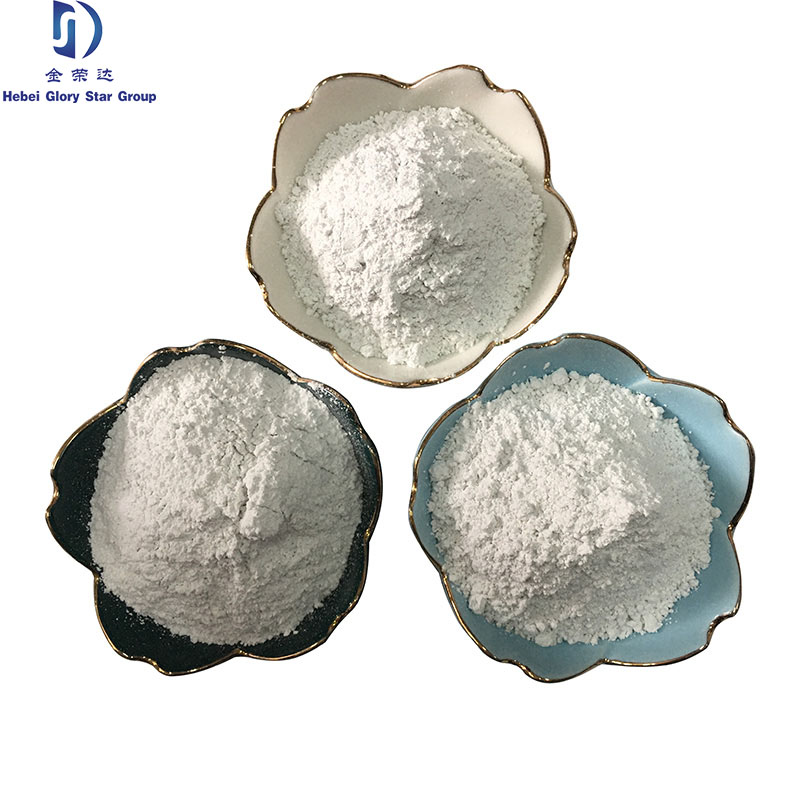
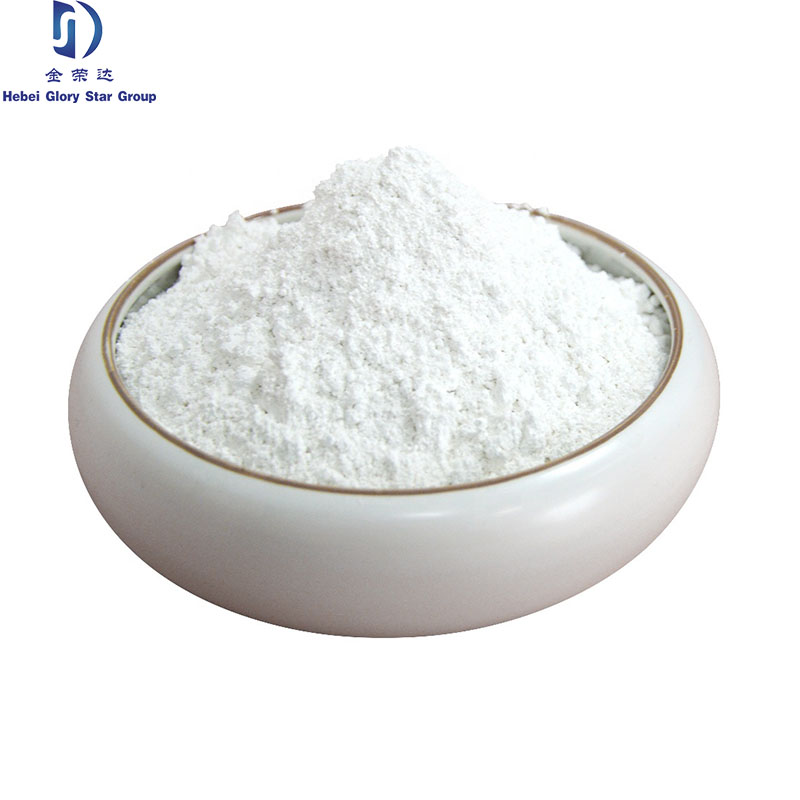
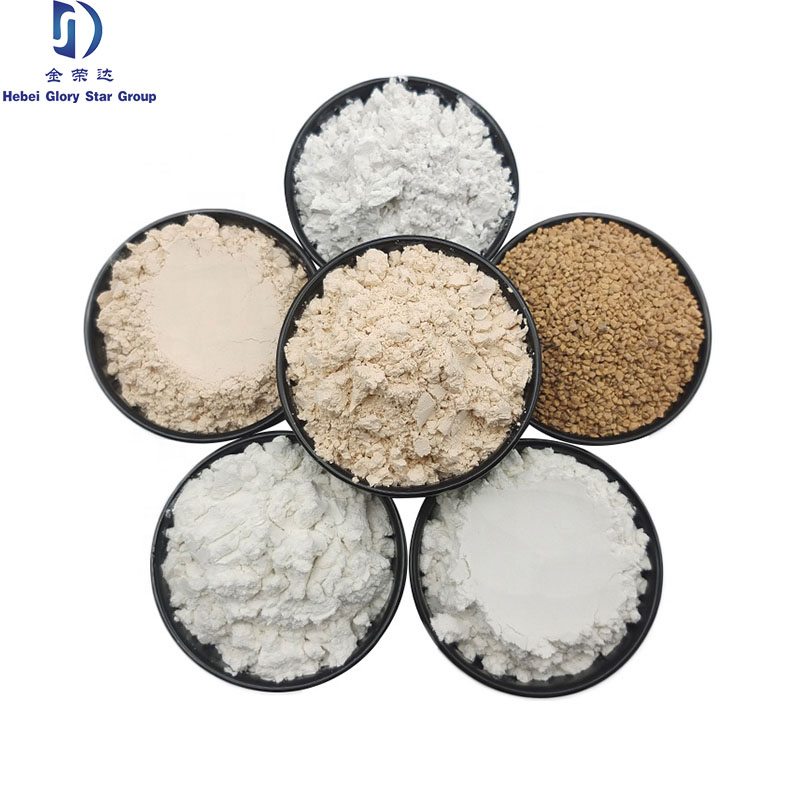
Origin: 368 Youyi North Street, Shijiazhuang, Hebei, China. It’s a high-whiteness, 1250 mesh grade, made via Raymond and high-pressure milling. Whiteness typically lands around 85–96%. In real plants, the perks are fairly consistent: lubricity, anti-caking, flow aid, acid resistance, insulation, high melting point, and that subtle hiding power coatings people quietly love.
Process flow (shop-floor view)
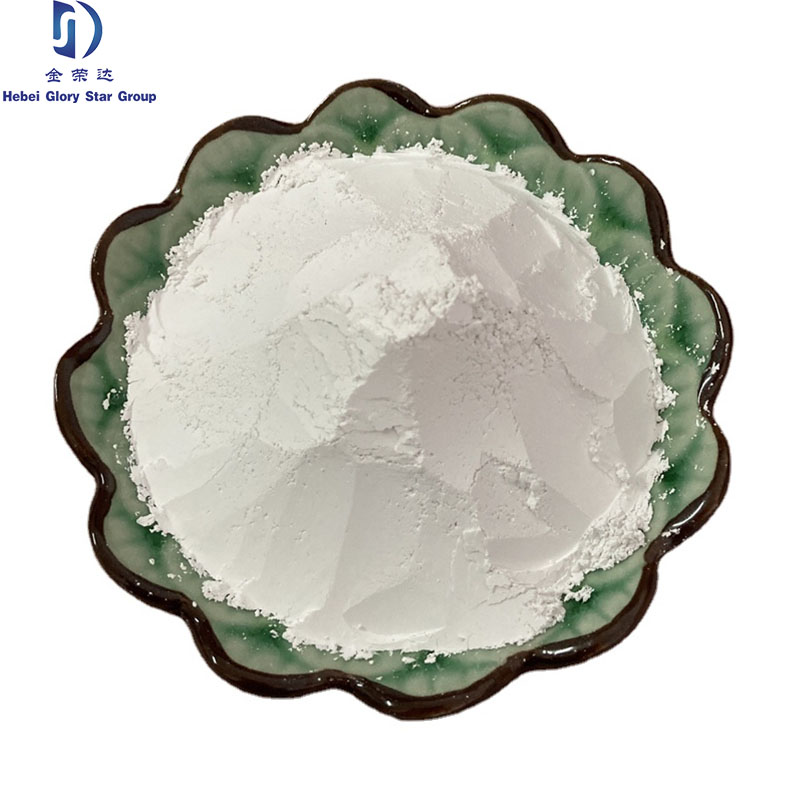
- Ore selection and sorting → primary crushing → Raymond/high-pressure grinding → air classification (≈1250 mesh) → optional surface treatment (stearic or silane, if needed) → dust-controlled packaging (25 kg bags or FIBCs). QA checks each lot for particle-size distribution (laser diffraction), whiteness index, moisture, LOI, and residue on sieve.
Where it actually works
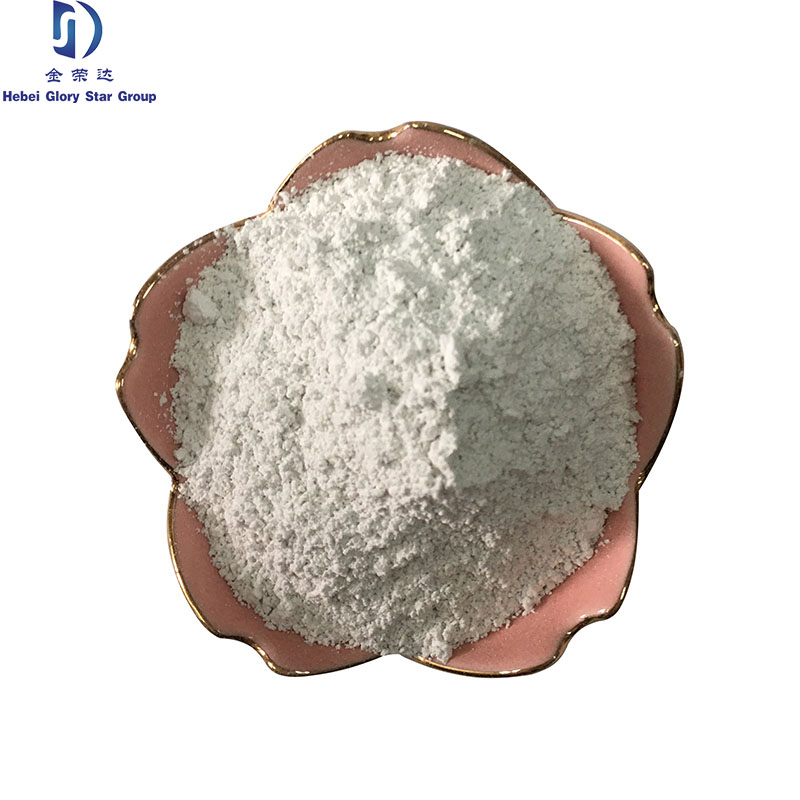
- Coatings: TiO₂ spacer, matting aid, film reinforcement; keeps sheen predictable. Many customers say it stabilizes viscosity on hot days.
- Rubber: lowers compound shrinkage, improves extrusion flow; die swell behaves better.
- Plastics (PP, PE, PVC): stiffness and HDT go up; warp risk drops with the right loading.
- Ceramics: green strength and firing stability—especially body formulations for tiles and sanitaryware.
Testing standards and service life
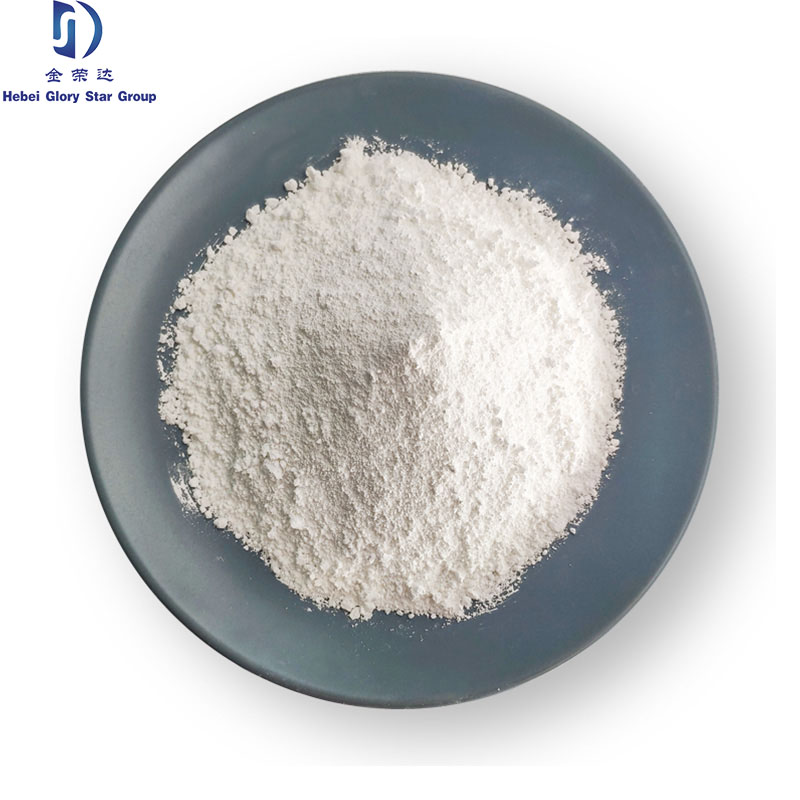
We reference ISO 3262-4 for talc as an extender, ISO 13320 for PSD (laser diffraction), ASTM E313 for whiteness, and ISO 787 series for general pigment tests (oil absorption, moisture). Asbestos-free verification is conducted by accredited labs (XRD/PLM per ISO 22262-1). In normal sealed storage, shelf life is ≈24 months—real-world use may vary with humidity.
Typical specifications (1250 mesh, indicative)
| Parameter | Spec (≈) | Test/Standard |
|---|---|---|
| Whiteness Index | 85–96 | ASTM E313 |
| PSD (D50 / D97) | ≈2.5–3.5 μm / 8–12 μm | ISO 13320 |
| Moisture | ≤0.5% | ISO 787-2 |
| Oil Absorption | ≈26–32 g/100 g | ISO 787-5 |
| SiO₂ / MgO | ≈60–62% / 30–32% | XRF |
Vendor comparison (quick glance)
| Vendor | Whiteness | Mesh | Certs | Lead Time | Customization |
|---|---|---|---|---|---|
| GloryStar (Hebei) | 85–96 | 800–3000 | ISO, REACH reg. | 7–14 days | Surface-treated, PSD tuning |
| Vendor A | 82–90 | 600–2000 | Basic ISO | 10–20 days | Limited |
| Vendor B | 88–94 | 1000–2500 | ISO, ROHS | 14–21 days | Some surface options |
Customization & QC
Options include mesh 800–3000, stearate/silane treatment for plastics, moisture control, low-iron grades for ceramics, and tailored packaging. Each batch ships with COA, PSD curve, whiteness, moisture, and asbestos-free declaration (per ISO 22262-1 lab reports). To be honest, the extra paperwork saves headaches at incoming QC.
Mini case notes
- Waterborne coating plant cut TiO₂ by ≈5–8% using Talcum Powder as a spacer, no gloss drift after 30 days at 40°C.
- PP compounder lifted HDT by ≈6°C at 15% talc loading; warpage complaints dropped noticeably.
- EPDM profile line reported smoother extrusion and fewer die cleans—small win, big savings.
Authoritative references:
- ISO 3262-4: Extenders for paints — Specifications and methods of test — Part 4: Talc.
- ISO 13320: Particle size analysis — Laser diffraction methods.
- ASTM E313: Standard Practice for Calculating Yellowness and Whiteness Indices.
- ECHA REACH: Talc (ECHA Substance Information).
- ISO 22262-1: Bulk materials — Determination of asbestos by XRD/PLM.
Post time: Nov-07-2025




.png "About")