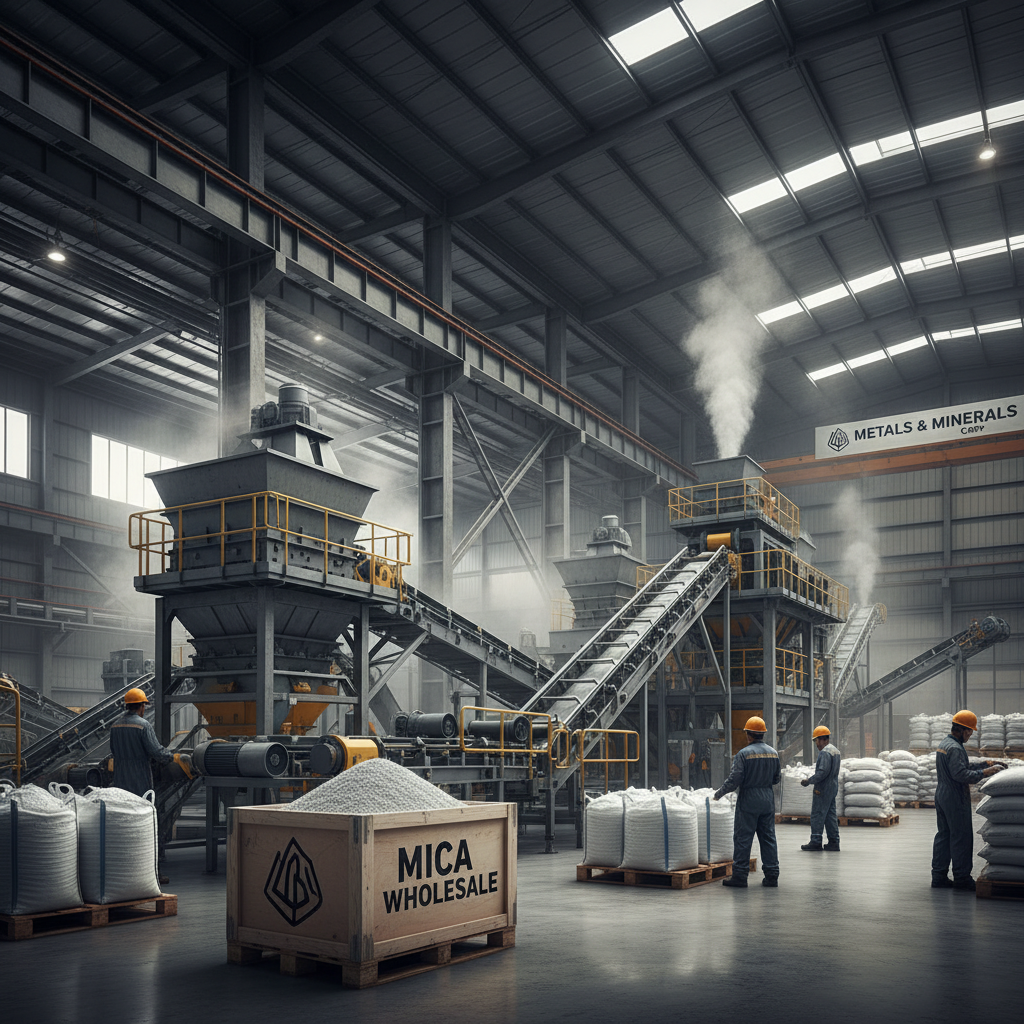
The modern world increasingly relies on efficient and rapidly deployable infrastructure, and at the heart of this need lies the importance of a robust mineral factory. These facilities aren't merely about processing raw materials; they represent a fundamental building block for construction, manufacturing, and even disaster relief efforts across the globe. Understanding the capabilities and nuances of these operations is crucial for anyone involved in supply chain management, infrastructure development, or humanitarian aid.
The global demand for mineral-based products continues to soar, driven by urbanization, population growth, and technological advancements. A strategically positioned and efficiently run mineral factory can significantly reduce transportation costs, minimize environmental impact, and enhance the resilience of local economies. The integration of advanced technologies and sustainable practices within these factories is no longer a luxury, but a necessity for long-term viability.
Ultimately, investing in and understanding the intricacies of the mineral factory landscape is investing in the future. From supplying the components for cutting-edge renewable energy technologies to providing the raw materials for essential infrastructure projects, these facilities play an indispensable role in shaping a more sustainable and prosperous world.
The Core Components of a Mineral Factory
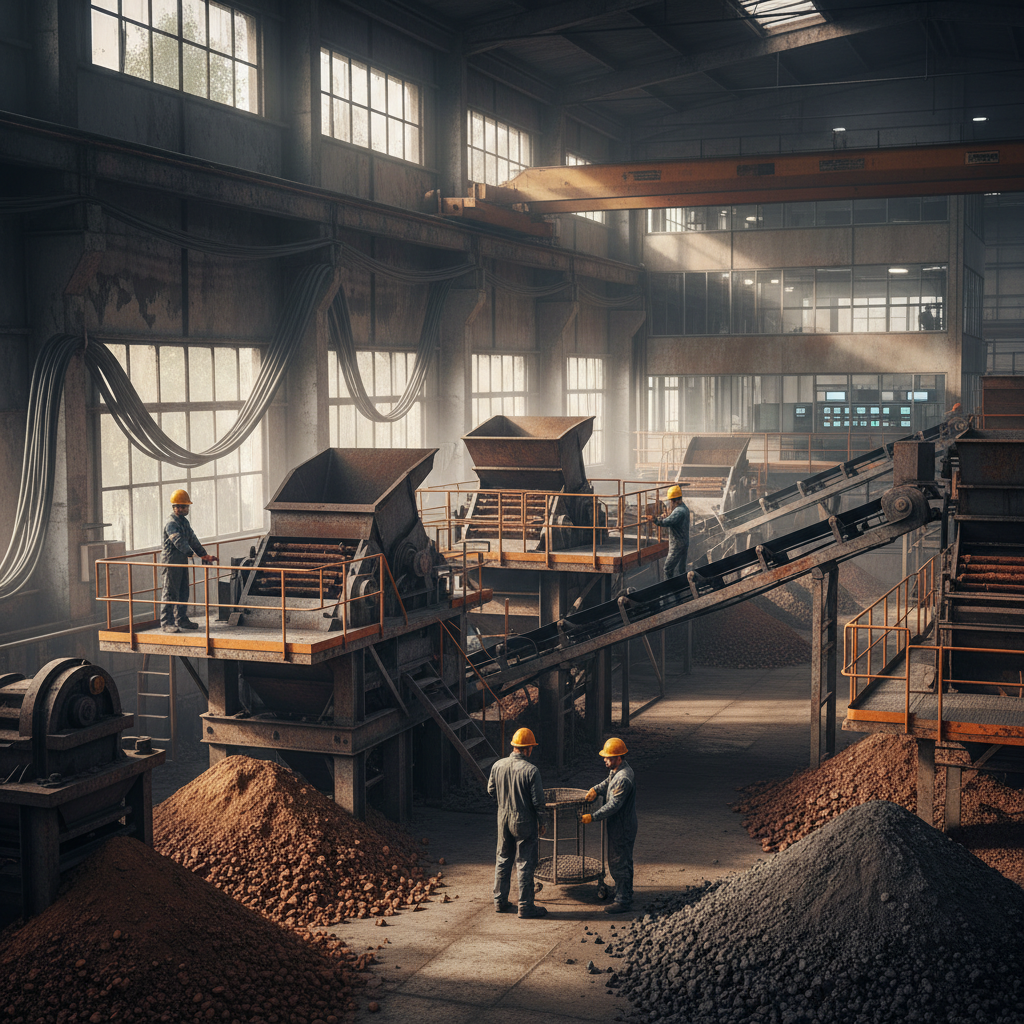
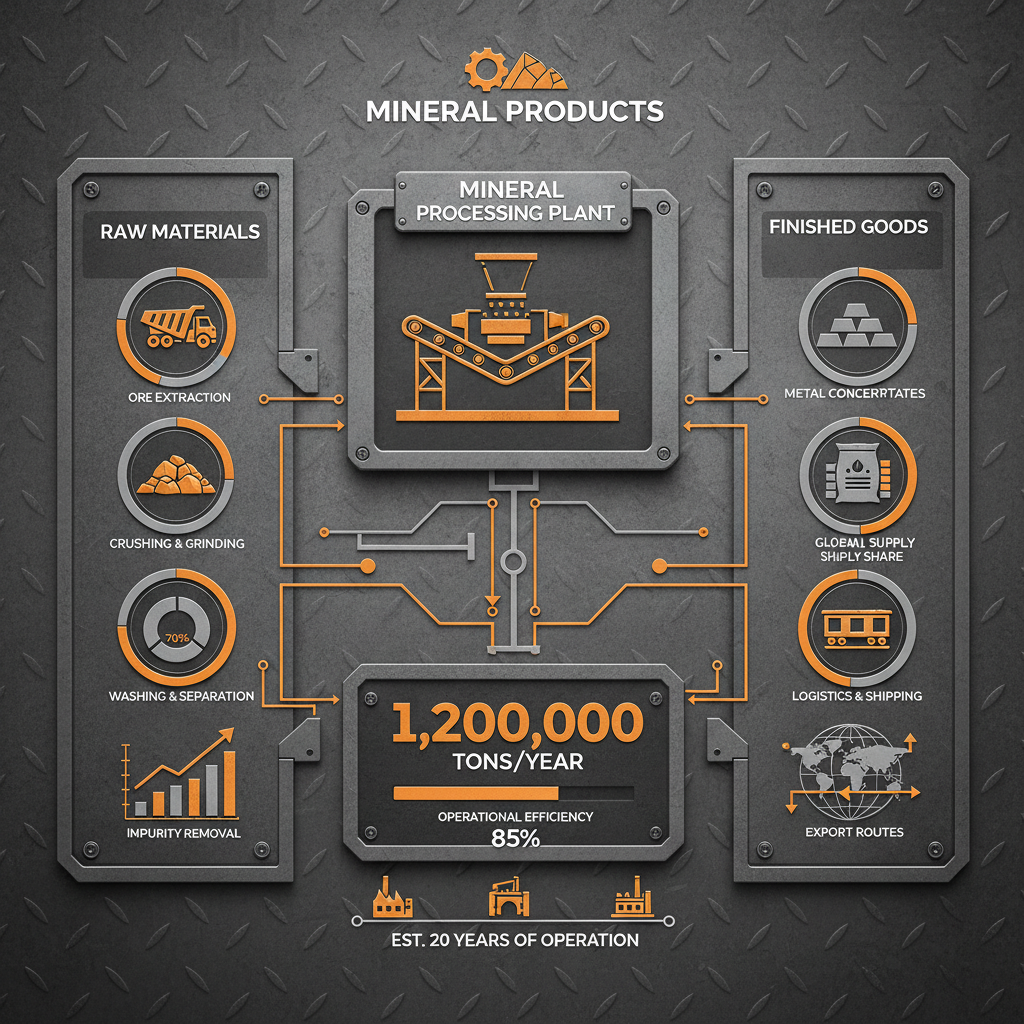
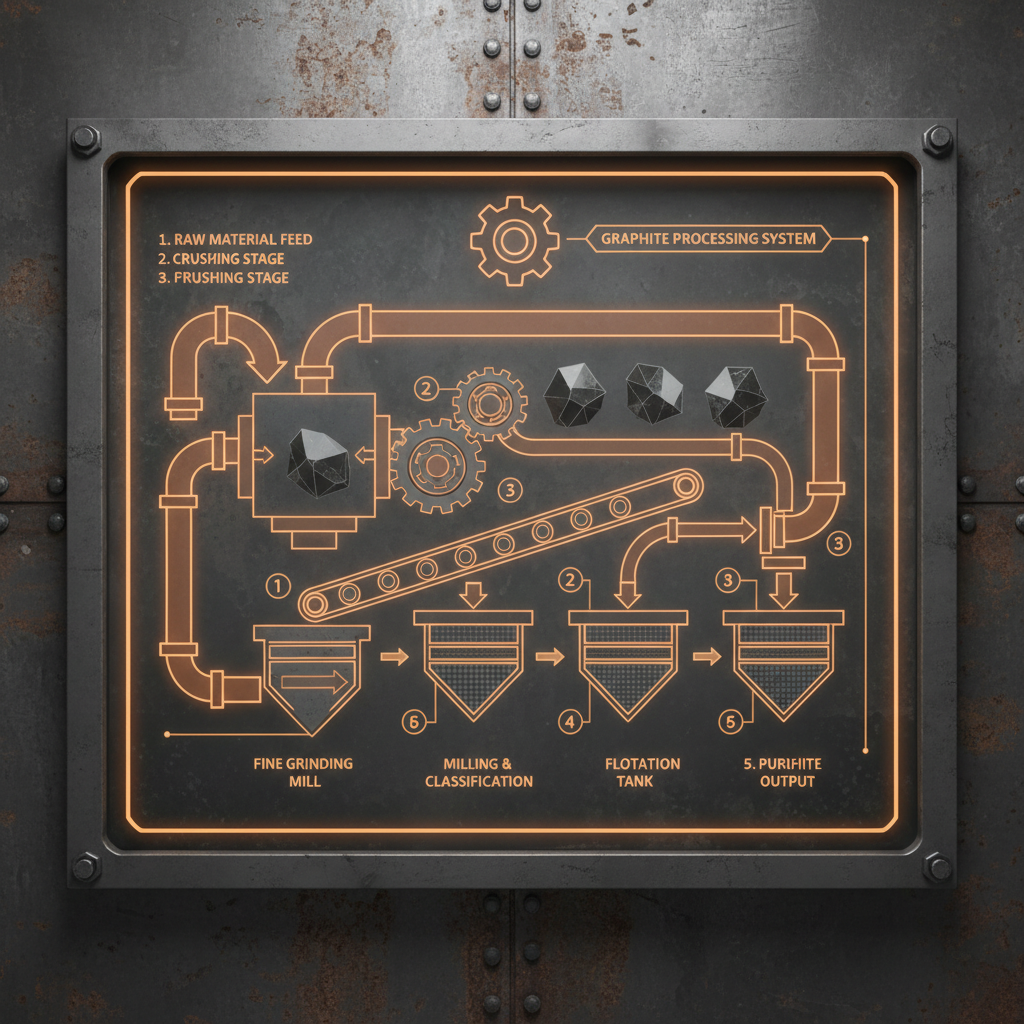
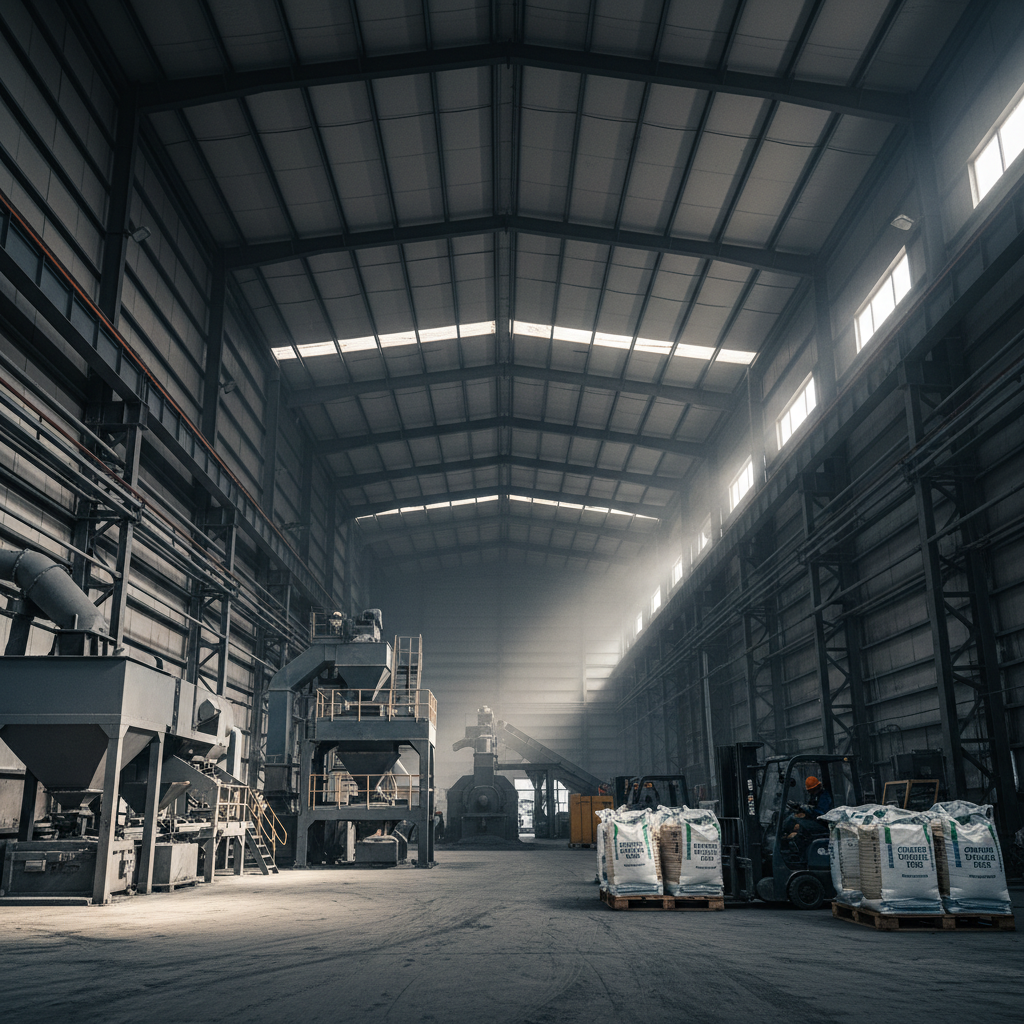
A fully functional mineral factory isn't a single entity, but rather a complex system of interconnected components. These typically include raw material sourcing and handling, crushing and grinding equipment, beneficiation processes (separating valuable minerals from waste), and refining or chemical processing stages. The efficiency of each component directly impacts the overall productivity and cost-effectiveness of the factory.
Beyond the core processing steps, a successful mineral factory relies heavily on supporting infrastructure. This encompasses energy supply, water management, waste disposal systems, quality control laboratories, and skilled personnel capable of operating and maintaining the equipment. Strategic location is also paramount, considering proximity to raw material sources, transportation networks, and potential markets.
Defining a Modern Mineral Factory
A modern mineral factory transcends the traditional image of a dusty, labor-intensive operation. Today's facilities increasingly incorporate automation, data analytics, and advanced process control systems. These technologies enable real-time monitoring of key parameters, optimization of energy consumption, and predictive maintenance, ultimately leading to higher yields and reduced operational costs.
The definition extends beyond mere production capacity. A truly modern facility prioritizes sustainability, minimizing its environmental footprint through responsible waste management, water conservation, and the adoption of cleaner energy sources. Furthermore, a commitment to worker safety and community engagement are integral components of a responsible mineral factory.
These facilities play a critical role in modern industry, providing essential raw materials for countless applications, from construction and manufacturing to electronics and renewable energy technologies. Their efficient operation is vital for maintaining a stable and sustainable global supply chain.
Key Operational Factors for Mineral Factories
One crucial factor is scalability. A well-designed mineral factory should be capable of expanding its capacity to meet growing demand without requiring a complete overhaul of its infrastructure. Modular designs and standardized equipment can greatly facilitate this process, reducing both time and cost.
Cost efficiency is paramount, encompassing everything from raw material procurement to energy consumption and labor costs. Implementing lean manufacturing principles, optimizing supply chain logistics, and investing in energy-efficient technologies are all vital strategies for achieving competitive pricing and maximizing profitability in a mineral factory.
Durability and reliability are essential, given the harsh operating conditions often associated with mineral processing. Selecting robust equipment built to withstand abrasive materials, extreme temperatures, and continuous operation is critical for minimizing downtime and extending the lifespan of the facility. Regular maintenance and preventative inspections are also non-negotiable.
Global Applications and Industry Impact of Mineral Factories
Mineral factories serve as the backbone of numerous industries worldwide. In the construction sector, they provide the cement, aggregates, and other mineral-based materials essential for building infrastructure, from roads and bridges to skyscrapers and housing developments. Similarly, the manufacturing industry relies on minerals for producing everything from automobiles and appliances to electronics and machinery.
The impact extends to emerging technologies. The production of batteries for electric vehicles and energy storage systems relies heavily on lithium, cobalt, and other minerals processed in specialized mineral factories. Furthermore, the renewable energy sector requires minerals for manufacturing solar panels, wind turbines, and other components.
Geographically, regions rich in mineral resources, such as Australia, South America, and parts of Africa, often host a significant concentration of mineral factories. These facilities contribute significantly to local economies, providing employment opportunities and generating revenue.
Mineral Factory Process Efficiency Ratings
Advantages and Long-Term Value of Mineral Factories
The advantages of investing in and optimizing a mineral factory are multi-faceted. Tangible benefits include reduced production costs, increased efficiency, and enhanced product quality. These improvements translate directly into higher profitability and a stronger competitive position in the market.
However, the value extends beyond purely financial considerations. Sustainable practices within a mineral factory contribute to environmental protection, resource conservation, and positive community relations. These factors build trust with stakeholders and enhance the long-term viability of the operation.
Future Trends in Mineral Factory Technology
The future of mineral factories is intrinsically linked to technological advancements. Artificial intelligence (AI) and machine learning (ML) are poised to revolutionize process control, predictive maintenance, and resource optimization. Digital twins, virtual representations of the physical factory, will enable real-time simulation and optimization of operations.
Automation will continue to play a crucial role, with robotic systems handling hazardous tasks, improving precision, and increasing overall efficiency. Furthermore, the integration of Internet of Things (IoT) sensors will provide a constant stream of data, enabling proactive monitoring and faster response times.
Challenges and Solutions in Mineral Factory Operation
Operating a mineral factory presents several inherent challenges. These include managing fluctuating raw material prices, navigating complex environmental regulations, and ensuring worker safety in potentially hazardous conditions. The demand for sustainable practices also adds complexity, requiring investment in cleaner technologies and responsible waste management.
Solutions lie in embracing innovation and adopting proactive strategies. Implementing robust supply chain management systems can mitigate the impact of price volatility. Investing in advanced safety systems and providing comprehensive training for workers can minimize risks. And adopting circular economy principles can transform waste into valuable resources.
The key is to view these challenges not as obstacles, but as opportunities to improve efficiency, reduce environmental impact, and enhance the long-term sustainability of the mineral factory.
Key Performance Indicators for Modern Mineral Factory Operations
| Process Efficiency |
Energy Consumption |
Safety Incident Rate |
Waste Recycling Rate |
| Overall throughput and yield of mineral processing. |
Kilowatt-hours (kWh) consumed per ton of mineral produced. |
Number of recordable incidents per 100 full-time employees. |
Percentage of waste materials successfully recycled or repurposed. |
| Downtime percentage due to equipment failure or maintenance. |
Cost of energy as a percentage of total operating expenses. |
Severity rate of incidents, accounting for lost workdays. |
Volume of hazardous waste generated per ton of mineral produced. |
| Accuracy of mineral grade analysis and quality control. |
Percentage of energy sourced from renewable sources. |
Compliance with all relevant safety regulations. |
Cost savings achieved through waste reduction and recycling. |
| Efficiency of water usage in the mineral processing stages. |
Carbon footprint of the factory's operations. |
Employee training hours dedicated to safety procedures. |
Utilization rate of by-products from mineral processing. |
| Raw material utilization rate and minimization of losses. |
Investment in energy-efficient technologies. |
Near-miss incident reporting rate and corrective actions. |
Environmental impact assessment scores. |
| Supply chain resilience and sourcing diversity. |
Cost of implementing environmental protection measures. |
Level of employee engagement in safety initiatives. |
Community engagement and social responsibility programs. |
FAQS
When selecting a location for a new mineral factory, several factors are paramount. Proximity to raw material sources is crucial to minimize transportation costs. Access to reliable infrastructure, including transportation networks (roads, rail, ports), energy supply, and water resources, is also essential. Furthermore, environmental regulations, local labor availability, and community acceptance should be carefully considered. A thorough site assessment is vital to ensure long-term viability and sustainable operation.
Mineral factories can significantly reduce their environmental impact through various strategies. These include implementing closed-loop water systems to minimize water consumption, utilizing energy-efficient technologies, investing in dust control measures, and adopting responsible waste management practices. Rehabilitation of mined areas and the restoration of biodiversity are also crucial. Furthermore, embracing circular economy principles by repurposing waste materials can minimize landfill waste.
Automation is transforming mineral processing by enhancing efficiency, improving safety, and reducing costs. Robotic systems can handle hazardous tasks, such as sorting and handling dangerous materials, minimizing risks to workers. Automated process control systems optimize energy consumption and ensure consistent product quality. The integration of AI and machine learning further enables predictive maintenance and proactive problem-solving, ultimately leading to increased productivity.
Worker safety is a paramount concern in mineral factories. Challenges include exposure to dust, noise, and hazardous chemicals, as well as the risk of accidents involving heavy machinery. Effective safety measures require comprehensive training programs, the provision of personal protective equipment (PPE), regular safety inspections, and a strong safety culture that prioritizes proactive hazard identification and risk mitigation.
Sustainable sourcing of raw materials is increasingly important for mineral factories. Consumers and investors are demanding greater transparency and accountability in supply chains. Ethical sourcing practices ensure that materials are obtained responsibly, minimizing environmental damage and respecting the rights of local communities. Traceability and certification schemes can help verify the sustainability of raw material sources.
Several key trends are shaping the future of mineral processing. These include the development of more energy-efficient technologies, the adoption of artificial intelligence and machine learning for process optimization, the use of advanced sensors and data analytics for real-time monitoring, and the increasing focus on circular economy principles and waste valorization. Furthermore, advancements in biotechnology are paving the way for more sustainable and environmentally friendly mineral extraction methods.
Conclusion
In conclusion, the mineral factory remains a cornerstone of global industry, playing a vital role in supplying the raw materials essential for countless applications. From construction and manufacturing to emerging technologies and renewable energy, these facilities underpin modern society. Embracing innovation, prioritizing sustainability, and investing in advanced technologies are crucial for ensuring the long-term viability and responsible operation of these operations.
Looking ahead, the future of mineral factories will be defined by a commitment to efficiency, environmental stewardship, and social responsibility. By embracing these principles, we can unlock the full potential of these facilities to contribute to a more sustainable and prosperous future. To learn more about our solutions, visit our website: www.glorystarexport.com





.png "About")