




Seedling Trays: A Strategic Guide for Importers & Wholesalers on Sourcing Quality
For import managers, brand owners, and sourcing agents, finding a reliable supplier for seedling trays involves balancing cost, quality, and logistics. This guide addresses core procurement questions: how to ensure consistent product quality, manage OEM/ODM projects effectively, leverage China's supply chain for competitive lead times, and mitigate risks in the horticulture and agriculture supply chain.
Industry Challenges in Sourcing Seedling Trays
Procurement professionals face specific pain points when sourcing horticultural supplies like seedling trays:
- Inconsistent Quality & Breakage: Trays that crack during transit or after repeated use, leading to customer complaints and loss.
- Unreliable Lead Times: Delays in production or shipping disrupting planting schedules and retail inventory.
- Limited Customization: Suppliers unable to support OEM/ODM requests for unique cell counts, colors, or branding.
- Compliance Uncertainties: Questions about material safety (e.g., food-contact for herb trays) and lack of verifiable certifications.
- Hidden Costs: Poor packaging leading to high damage rates, or unclear MOQ policies locking buyers into unsuitable volumes.
These issues highlight the need for a supplier that functions as a strategic partner, not just a factory.
A Solution Built on Manufacturing Expertise & Supply Chain Integration
The solution lies in partnering with an established manufacturer that controls the production process and understands export logistics. Glory Star Group, leveraging its foundation in precision manufacturing since 2004, applies rigorous quality systems from the mineral industry to the production of durable plastic seedling trays. Our approach integrates:
- Vertical Oversight: In-house mold design and production in our 5000 m² facility ensure control over the first step of quality.
- Data-Driven Production: Utilizing ISO 9001 principles to monitor every batch for consistency in wall thickness, dimensional accuracy, and material purity.
- Supply Chain Coordination: Direct relationships with raw material suppliers and logistics partners enable reliable high-speed delivery schedules.
Product Advantages: Specifications That Matter for B2B Buyers
Moving beyond generic claims, here is a detailed look at the key specifications and options for our seedling trays.
Technical Parameters & Material Options
| Feature | Specification / Option | Buyer Benefit |
|---|---|---|
| Primary Material | PP (Polypropylene) or PS (Polystyrene) | PP offers flexibility and durability; PS provides rigidity. Choice depends on crop type and handling. |
| Cell Count | Standard: 72, 128, 200, 288 cells. Custom molds available. | Optimizes space and yield for different seedlings, from tomatoes to bedding plants. |
| Drainage & Aeration | Precision-designed holes in each cell. | Prevents waterlogging, promotes healthy root development, and reduces disease risk. |
| Stackability & Nesting | Engineered ribs and design for secure stacking. | Saves up to 60% on storage and shipping volume, reducing logistics costs. |
Note: Specific parameters may vary by custom design. Please refer to the technical datasheet provided with your quotation.
Compliance & Quality Assurance
For buyers targeting markets in the USA, EU, and Australia, compliance is non-negotiable. Our systems are designed to support your market entry:
- ISO 9001:2015 Certified Factory: This management system certification verifies our consistent, traceable production processes.
- Material Compliance: We can source resins that meet general safety standards. For specific certifications like FDA for food-contact applications or EU REACH, please discuss during project planning so we can arrange material testing with accredited labs.*
- Inspection Protocols: Every batch undergoes checks for dimensional tolerance, structural integrity, and visual defects before packing.
*Certifications for finished goods are typically arranged and held by the importer/brand owner. We facilitate the process by providing compliant materials and production transparency.
OEM/ODM Design & Customization Capability
For brand owners and wholesalers, differentiation is key. Our OEM/ODM design support covers:
- Mold Development: In-house tooling shop for creating custom cell patterns, tray sizes, or unique features like integrated labels.
- Color Matching: Custom colors to match your brand identity.
- Branding: Embossed or debossed logos, text, or handling instructions directly on the tray.
- Packaging: Custom carton printing, bundle quantities, and retail-ready packaging options.
Typical MOQ for Custom Projects: MOQ for a new mold project starts at one 40-foot container load. For standard tray modifications (e.g., color change on existing mold), MOQ can be as low as 5000 pieces. Final MOQ and costs are confirmed during project feasibility analysis.
Logistics, Terms & The Procurement Process
Clear terms and reliable execution define a successful partnership.
- Lead Time: For standard items in stock: 15-20 days. For custom/OEM orders: 30-45 days after mold confirmation and deposit. These are estimates and can vary based on order volume and seasonality.
- Packaging: Standard export cartons, palletized, and shrink-wrapped for ocean freight. Custom packaging available.
- Shipping Terms: We primarily work on FOB (Free On Board) basis from Chinese ports like Tianjin or Qingdao. CIF quotes to major global ports can be provided upon request.
- Payment Terms: Standard terms are 30% T/T deposit with order, 70% balance against copy of Bill of Lading. Other terms are negotiable for established partners.
- After-Sales: We provide support for quality claims, which must be documented with photos and the batch number within 30 days of receipt at destination port.
Trust Endorsement: What Partners Say
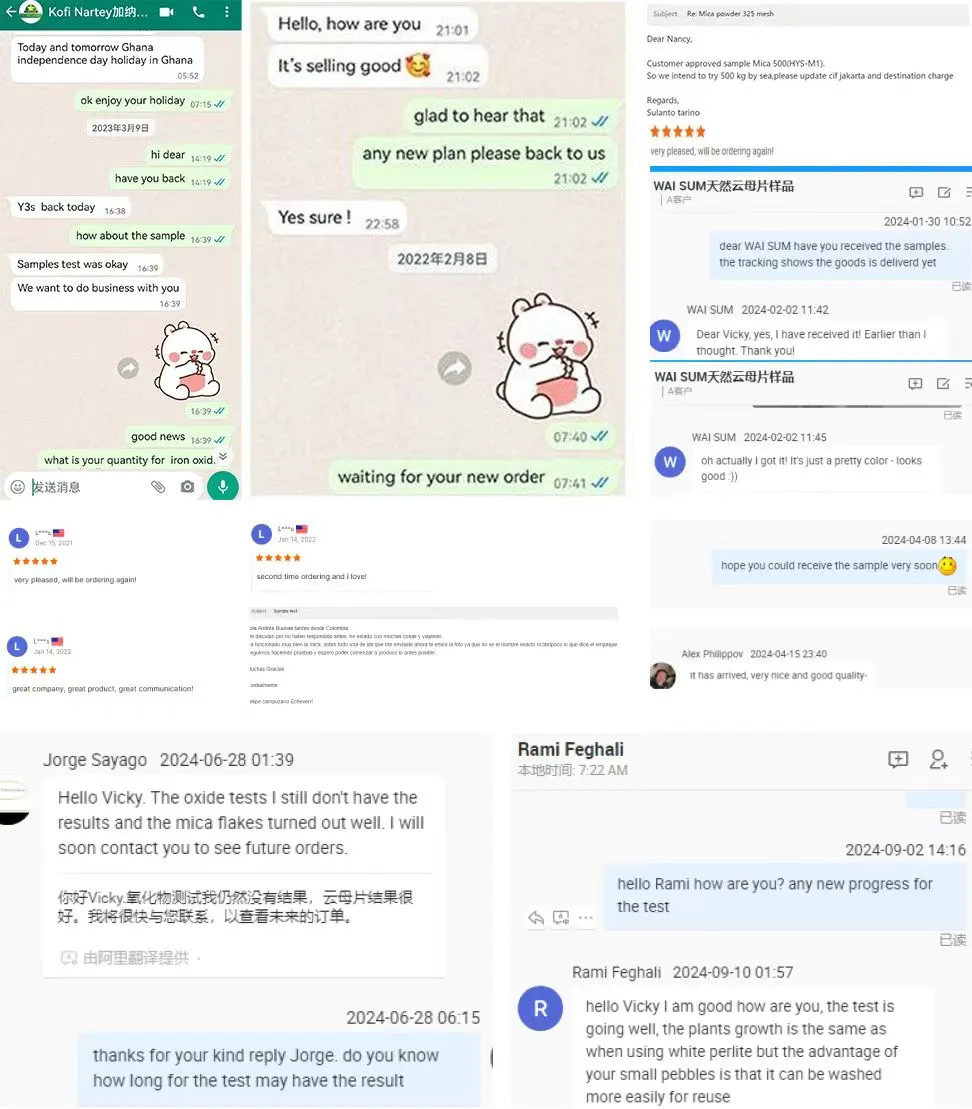
Here is feedback from professionals who have sourced seedling trays through our supply chain:
Michael R., Import Manager for a Midwest Horticultural Distributor (USA): "We switched to Glory Star after issues with breakage from another supplier. The consistency is notable. Their trays nest perfectly, which cut our container costs by about 15%. The lead time communication is accurate, which helps our planning immensely."
Sarah L., Owner of a Sustainable Herb Brand (Canada): "We needed a custom-sized tray for our live herb pots. Their ODM team guided us through the mold design process. The first sample was spot-on. It felt like working with a partner, not just a vendor. The quality has helped reduce transplant shock for our plants."
David K., Sourcing Agent for European Garden Centers: "I value transparency. When I asked about material data sheets for REACH, they had them ready. The factory's ISO 9001 audit report gave my clients confidence. For large-volume, standard tray orders, they are a reliable part of my supply chain."
Ready to Optimize Your Seedling Tray Supply Chain?
Take the next step with a supplier that combines manufacturing power with export expertise.
Contact: Vicky | Tel/WhatsApp: +86-13323215153 | Email: vicky@glorystarexport.com
Frequently Asked Questions (FAQ) for Seedling Tray Buyers
Q: What is the minimum order quantity (MOQ) for standard seedling trays?
A: Our standard MOQ for existing mold products is typically 5000 pieces, which allows for efficient container loading. This can be a mix of different standard models. For smaller trial orders, please contact us to discuss possibilities.
Q: Can you produce trays that are compliant with FDA or EU food-contact regulations?
A: We can source and utilize raw materials that are commonly used in food-contact applications and can provide material data sheets from our suppliers. The final product certification (like FDA filing) is typically managed by the importer, but we ensure the production process uses the specified compliant materials.
Q: How do you ensure trays don't break during shipping?
A: We employ a multi-step approach: 1) Using durable PP/PS materials with tested impact resistance. 2) Designing trays with reinforced ribs. 3) Packing in strong export cartons with proper dividers. 4) Palletizing and shrink-wrapping units securely to prevent movement. Our standard packaging has resulted in a damage rate of well under 1% for our clients.
Q: What is the cost and timeline for developing a custom mold?
A: Mold cost depends entirely on complexity, size, and material. A simple tray mold might start around $3,000-$5,000 USD, while larger, more complex designs cost more. The development timeline is usually 25-30 days for mold manufacturing and sample testing. The mold cost is typically amortized over the first order or can be owned by the client.
Q: Do you provide samples? What are the terms?
A: Yes, we provide samples of our standard products. Sample costs are usually free, but the customer pays for international courier fees (e.g., DHL, FedEx). For custom OEM projects, sample costs and terms are discussed during the project proposal phase.
Author Bio:

James Peterson is a Supply Chain Consultant with over 15 years of experience specializing in horticultural and agricultural inputs. He has worked with manufacturers, distributors, and large-scale growers across North America and Europe to optimize their sourcing strategies for products like propagation trays, pots, and growing systems. His writing focuses on practical insights into manufacturing quality, logistics, and building resilient B2B supplier relationships.
Disclaimer: The information provided in this article, including specifications, lead times, MOQs, and compliance capabilities, is for general guidance. All details are subject to change and must be verified and confirmed in the final sales contract or order confirmation with Glory Star Group. Specific product claims and certifications are dependent on final material selection and intended use.






.png "About")