



Unveiling the Secrets of Seed Starting Trays: A Guide to Germination Mastery
Introduction to Seed Starting Trays
As a seasoned gardener, I've seen the evolution of seed starting trays from simple plastic pots to sophisticated gardening tools. These trays aren't just for planting seeds; they're the foundation of a thriving garden. Let's dive into why they're crucial and how to choose the right ones.
The Glory Star Group: A Pillar of Quality
When it comes to quality seed starting trays, the Glory Star Group stands out. Founded in 2004, they've been a trusted name in the industry, producing over 100,000mts per year. Their ISO9001 Certification ensures that every tray is a testament to their commitment to excellence.
Product Specifications
Glory Star Group offers a range of seed starting trays, each designed to cater to different gardening needs. Here's a sneak peek at some of their specifications:
| Tray Type | Material | Cells | Size (cm) |
|---|---|---|---|
| Standard Cell Tray | High-quality polyethylene | 72 cells | 28 x 14 |
| Mini Cell Tray | UV-stabilized polypropylene | 96 cells | 20 x 12 |
| Deeper Cell Tray | Bio-degradable material | 24 cells | 35 x 22 |
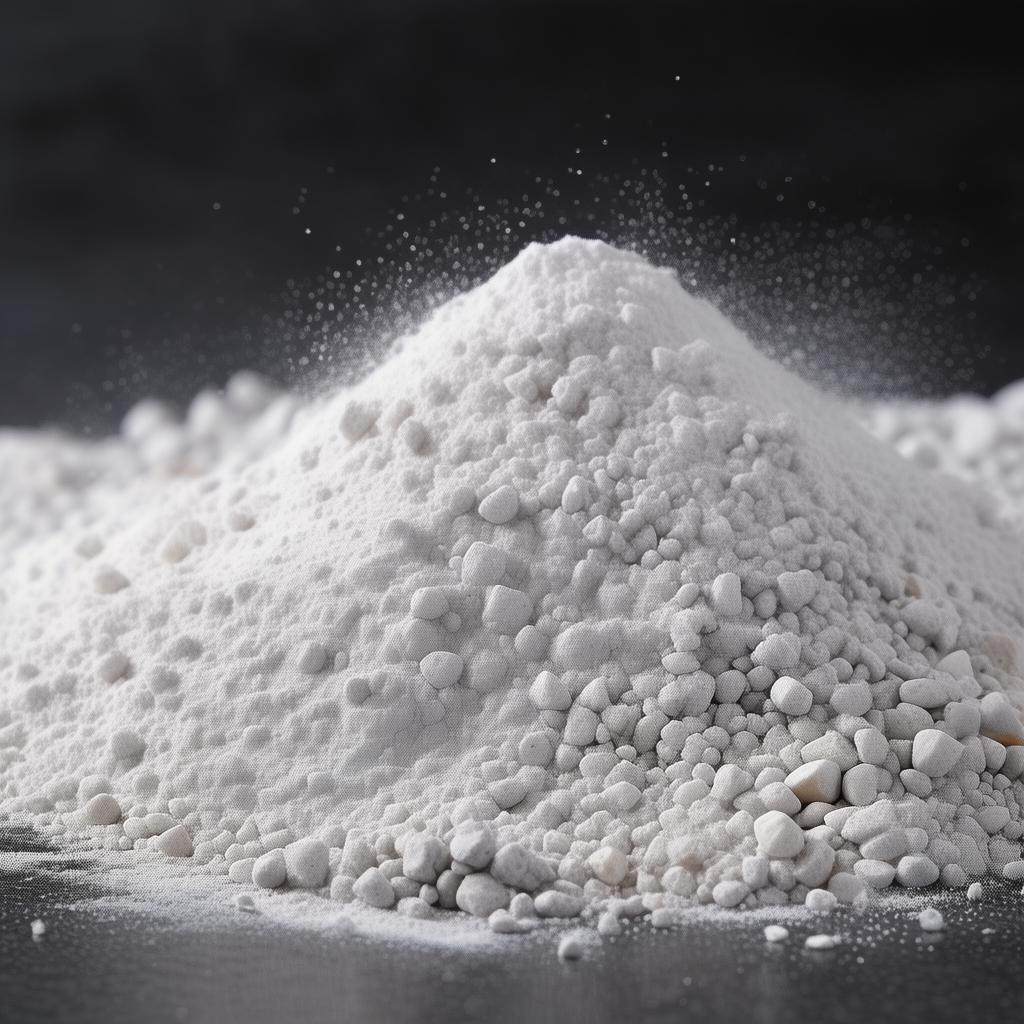
seed starting vermiculite seed starting kits valve trays
Why Seed Starting Trays Matter
Seed starting trays are more than just a convenient way to plant seeds. They offer numerous benefits:
- Controlled Environment: Trays provide a stable environment that's perfect for germination, with controlled temperature and moisture levels.
- Ease of Transplanting: Transplanting seedlings from trays to pots is much easier than handling individual seeds.
- Space Efficiency: They allow for efficient use of space, especially in small gardens or balconies.
Choosing the Right Seed Starting Tray
Selecting the right tray can make a big difference in your gardening success. Here are some factors to consider:
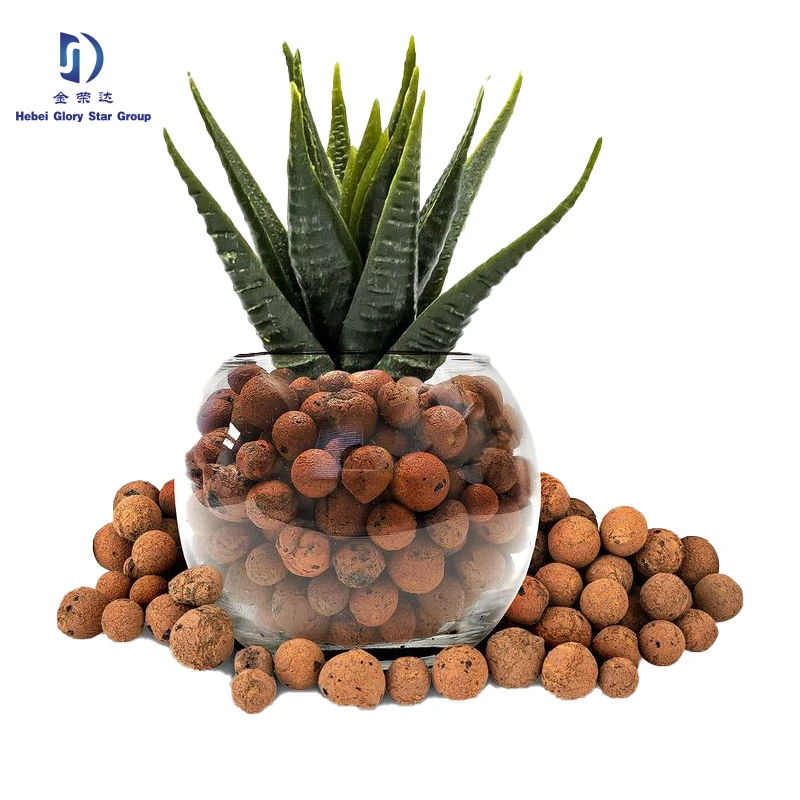
- Material: Different materials offer different advantages. For example, polyethylene is durable and easy to clean, while biodegradable materials are eco-friendly.
- Cell Size: Choose a tray with cells that are appropriate for the type of seedlings you'll be growing.
- Depth: Deeper trays are better for root development, while shallower trays are great for small seeds.
The Germination Process
Once you've chosen the right tray, it's time to start germinating. Here's a step-by-step guide:
- Prepare the Tray: Fill the tray with high-quality seed starting mix, and moisten it thoroughly.
- Plant the Seeds: Sow your seeds according to the packet instructions, ensuring they're not overcrowded.
- Cover and Water: Cover the seeds with a thin layer of soil or vermiculite, and water gently.
- Provide Light and Heat: Keep the tray in a warm, well-lit area. Some seeds require light to germinate.
- Monitor and Transplant: Once the seeds have germinated and the seedlings have grown a few inches, transplant them to a larger pot or garden bed.
Real-World Example
One of my favorite projects involves growing tomatoes using seed starting trays. The process is straightforward, and the results are always impressive. Last year, I grew over 50 tomato plants, all from seed starting trays. It's a rewarding experience that starts with the right tools and materials.
Conclusion
Seed starting trays are a vital tool for any gardener looking to achieve success with their seeds. With the right tray and a bit of patience, you can enjoy a bountiful garden all year round. So, why not give them a try? Trust me, you won't be disappointed.
Looking for more gardening tips and tricks? Visit our website at https://www.glorystarexport.com/contactus.html to stay connected with the Glory Star Group and other gardening enthusiasts.









.png "About")