

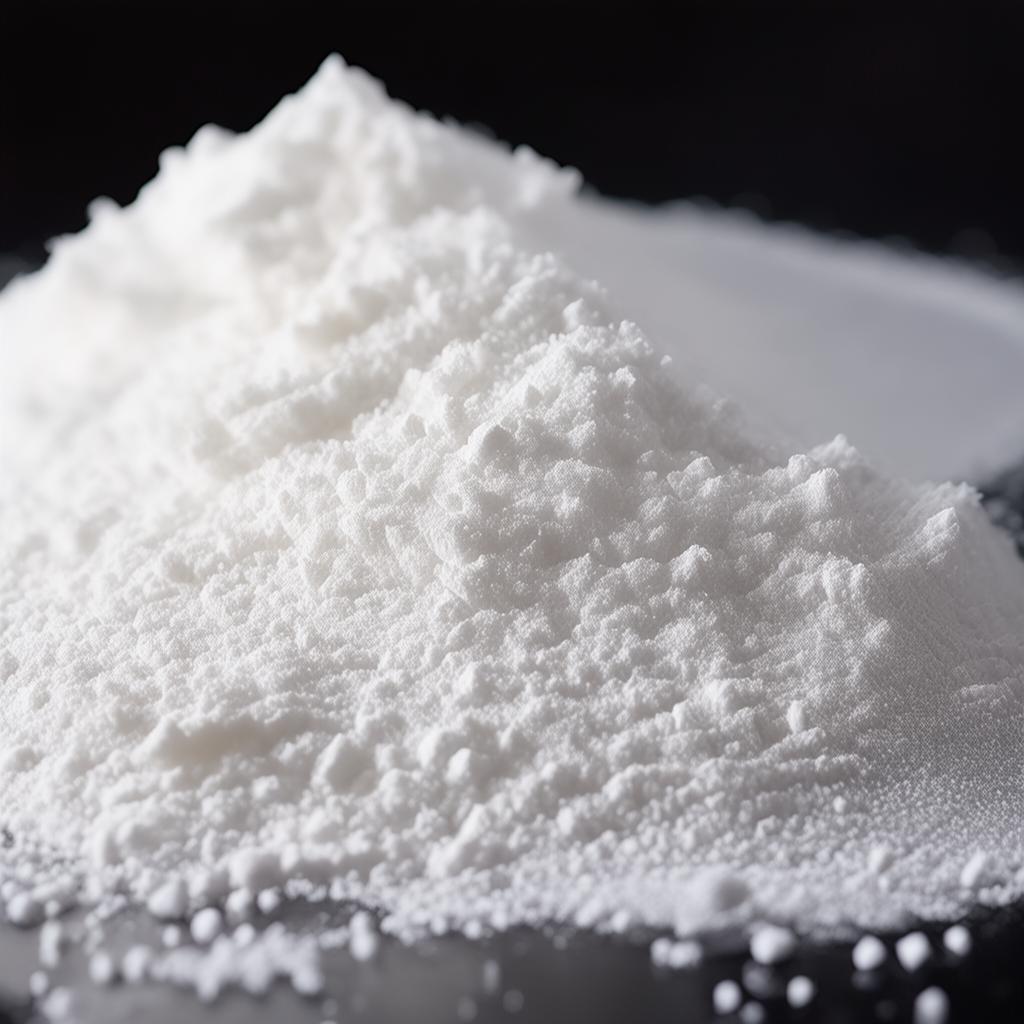


The Ultimate Guide to Heat Insulating Materials: What You Need to Know
Understanding the Importance of Heat Insulation
Heat insulation is a crucial aspect of modern building and industrial design. It's not just about keeping your home warm in the winter or cool in the summer; it's about energy efficiency, comfort, and sustainability. Let's dive into the world of heat insulating materials and discover why they are so vital.
What Are Heat Insulating Materials?
Heat insulating materials are designed to reduce the transfer of heat through a material. They come in various forms, from traditional fibrous materials like fiberglass to innovative foams and even natural alternatives like sheep's wool. These materials work by trapping air or other gases, which act as poor conductors of heat.
Types of Heat Insulating Materials
- Fiberglass: A popular choice for both residential and commercial buildings, fiberglass is made from tiny glass fibers and is highly effective at reducing heat transfer.
- Cellulose: Made from recycled paper, cellulose is another eco-friendly option that provides excellent insulation properties.
- Mineral Wool: Made from stone or slag, mineral wool is durable and can withstand high temperatures, making it ideal for industrial applications.
- Expanded Polystyrene (EPS): EPS is a foam plastic that is lightweight and has excellent thermal resistance, often used in construction for its insulating properties.
- Thermal Insulation Boards: These are rigid boards made from various materials like polystyrene, polyurethane, or mineral wool, offering high thermal resistance.
How Do They Work?
Heat insulating materials work by creating a barrier that slows down the transfer of heat. This is achieved through various mechanisms, such as trapping air, reflecting heat, or simply having a low thermal conductivity. The key is to choose the right material for the right application to maximize efficiency.
Key Factors to Consider
- R-value: This is a measure of a material's ability to resist heat flow. The higher the R-value, the better the insulation.
- Thermal Conductivity: This is the measure of how quickly heat can move through a material. Lower thermal conductivity means better insulation.
- Water Resistance: Insulation materials should be able to withstand moisture without losing their insulating properties.
- Fire Resistance: Some applications require insulation materials that are flame-retardant or non-combustible.
Applications of Heat Insulating Materials
Heat insulating materials are used in a wide range of applications, from residential homes to industrial facilities. Here are some common uses:
Residential Applications
- Attic Insulation
- Wall Insulation
- Roof Insulation
- Windows and Doors
Industrial Applications
- Equipment Enclosures
- Boilers and Furnaces
- Refrigeration Units
- Chemical Storage Tanks
Choosing the Right Material
Choosing the right heat insulating material depends on several factors, including the application, budget, and environmental considerations. Here are some tips to help you make the best choice:
Consider the Application
Think about where the insulation will be used and the specific requirements of that application. For example, industrial applications may require materials that can withstand high temperatures and mechanical stress.
Budget Considerations
While cost is an important factor, it's also crucial to consider the long-term benefits of choosing a higher-quality insulation material. A more expensive material may provide better long-term energy savings and durability.
Environmental Impact
Consider the environmental impact of the insulation material. Some materials, like cellulose, are made from recycled materials and are more sustainable than others.
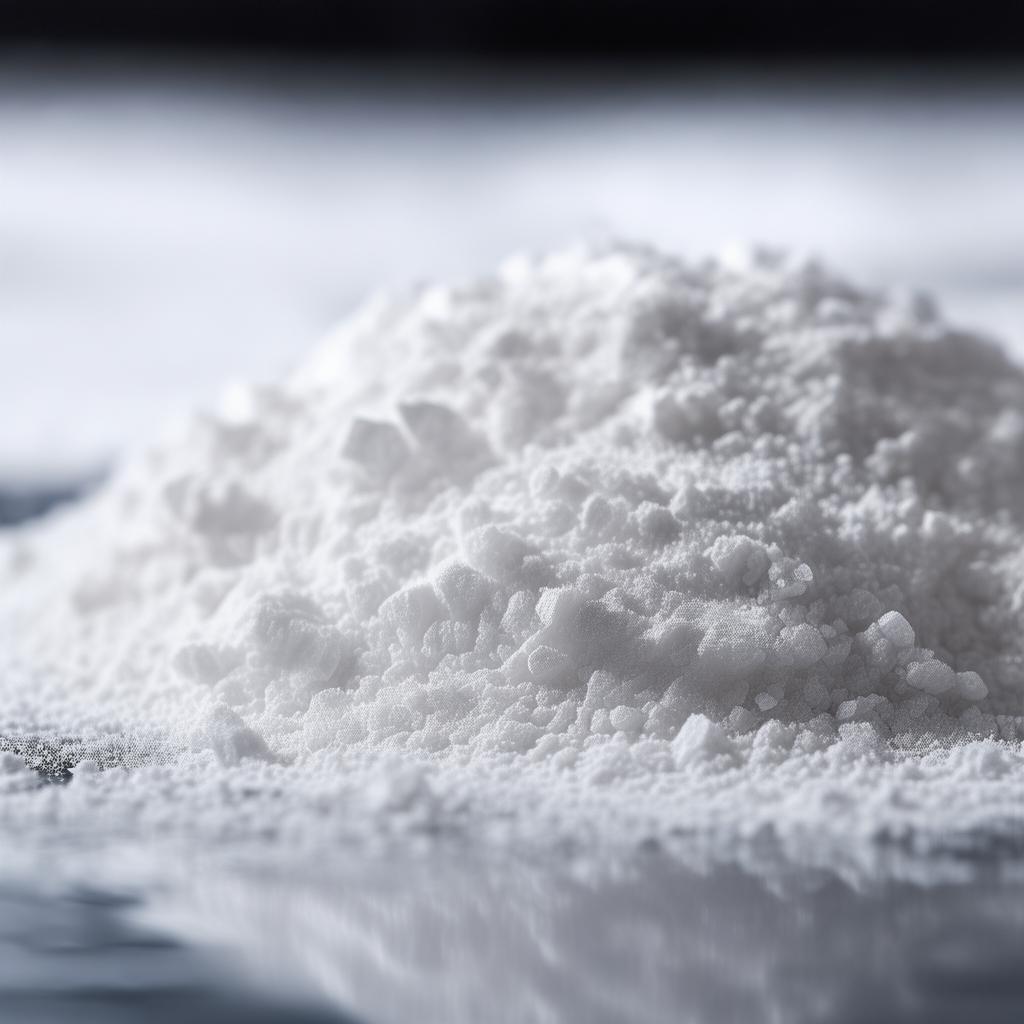
Case Study: Glory Star Group's Heat Insulating Materials
Let's take a look at how Glory Star Group, a leading manufacturer of heat insulating materials, has been making a difference in the industry.
Product Specifications
Glory Star Group offers a range of high-quality heat insulating materials, including fiberglass, mineral wool, and thermal insulation boards. Here are some key specifications:
| Material | R-value | Thermal Conductivity | Fire Resistance |
|---|---|---|---|
| Fiberglass | 3.0-4.0 per inch | 0.033 W/m·K | Non-combustible |
| Mineral Wool | 2.8-3.2 per inch | 0.044 W/m·K | Non-combustible |
| Thermal Insulation Boards | 3.0-4.0 per inch | 0.030 W/m·K | Non-combustible |
high temperature insulating materials Heat Insulation Materials Manufacturers heat resistant materials for furnace
Real-World Example
One of Glory Star Group's clients, a large commercial building in China, used their thermal insulation boards to insulate the roof. The project resulted in significant energy savings and improved comfort for the building's occupants.
Conclusion
Heat insulating materials play a crucial role in modern construction and industrial applications. By choosing the right material, you can achieve energy savings, improve comfort, and contribute to a more sustainable future. Glory Star Group offers high-quality, reliable heat insulating materials that can help you achieve your goals. Contact them today to learn more about their products and services.
For more information, please visit Glory Star Group's contact page.





.png "About")