



Maximizing Plant Growth with Expanded Clay Aggregate for Hydroponics
Introduction to Expanded Clay Aggregate for Hydroponics
Hydroponics has revolutionized the way we grow plants, and the use of expanded clay aggregate (ECA) has taken this method to new heights. As a hydroponic grower, you're always on the lookout for innovative solutions that can enhance your plants' growth and yield. In this article, we'll dive into the world of expanded clay aggregate and explore how it can be a game-changer for your hydroponic setup.
Understanding Expanded Clay Aggregate (ECA)
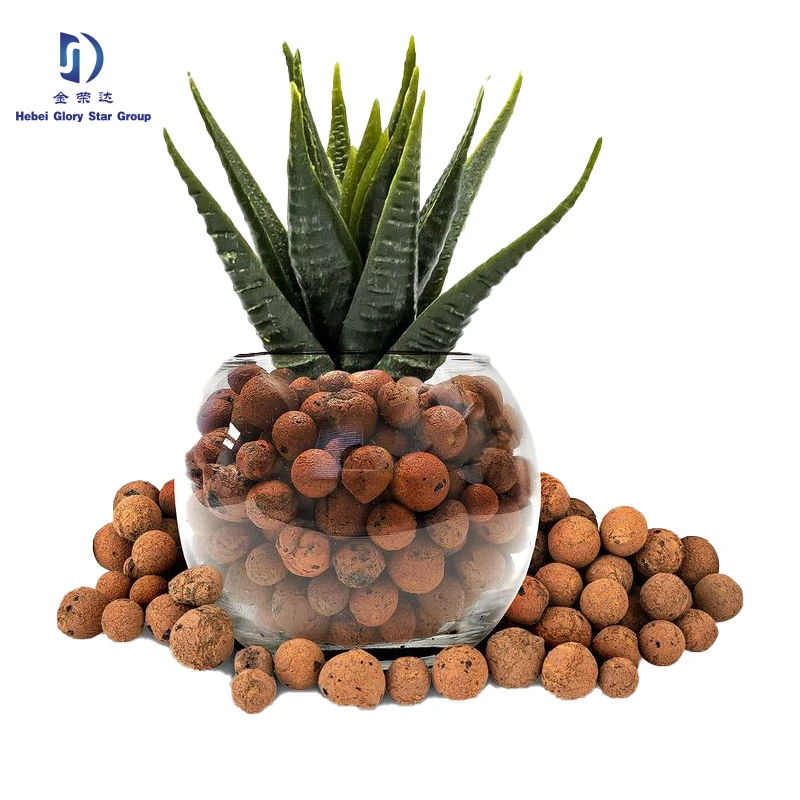
Expanded clay aggregate is a lightweight, porous material made from natural clay. The process involves heating the clay to a high temperature, which expands it and creates numerous tiny air pockets. These air pockets make ECA an excellent choice for hydroponic systems, as they provide both an ideal environment for root development and a means to retain moisture and nutrients.
Product Specifications
| Property | Value |
|---|---|
| Particle Size | 0.5-5 mm |
| Porosity | 50-60% |
| Water Retention Capacity | 30-40% |
| Weight Per Cubic Foot | 50-60 lbs |
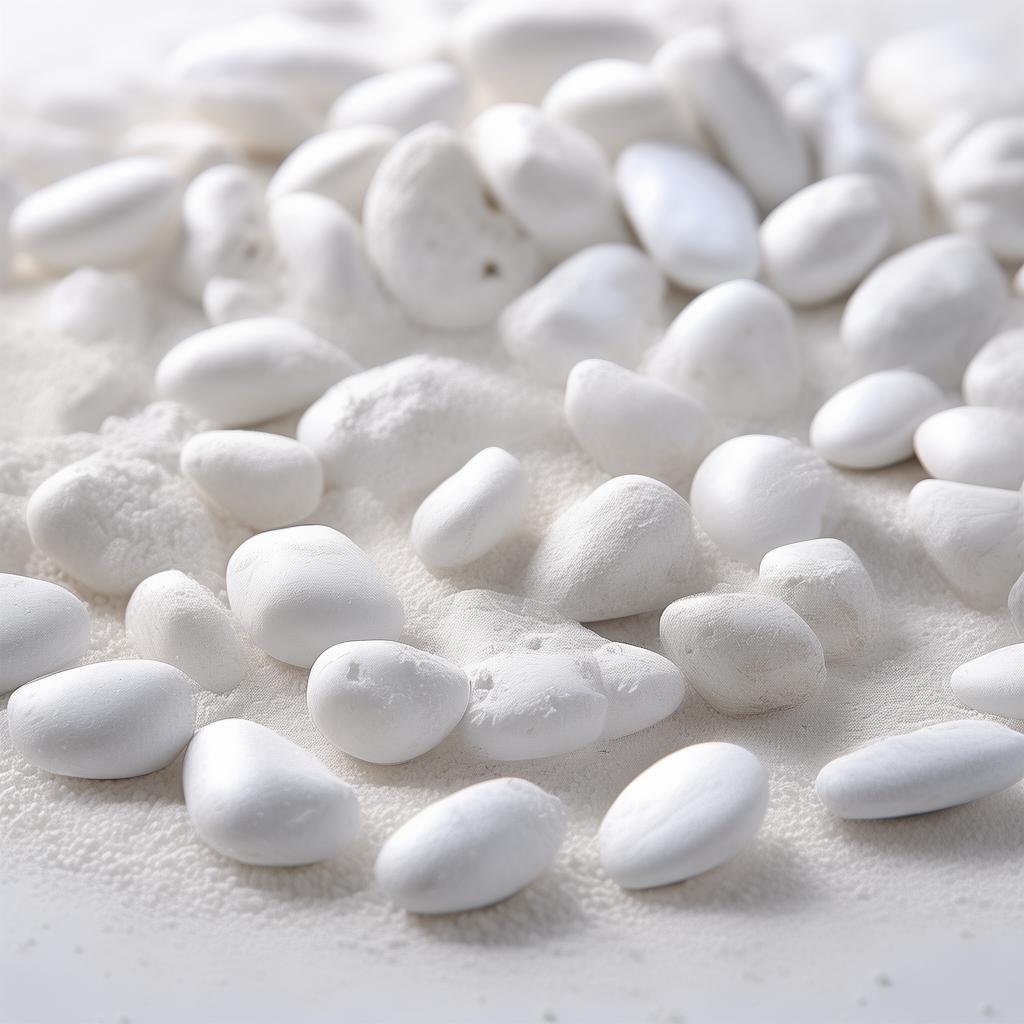
Lightweight Expanded Clay Aggregate lightweight expanded clay aggregate lightweight expanded clay aggregate for plants
Benefits of Using ECA in Hydroponics
- Superior Drainage and Aeration: ECA allows for excellent drainage and aeration, which is crucial for the health of your plant roots.
- Longevity: ECA is durable and can last for many growing cycles, reducing the need for frequent replacements.
- Even Water Distribution: The porous nature of ECA ensures that water and nutrients are distributed evenly throughout the growing medium.
- Reduction of Disease: ECA's excellent drainage properties help prevent the buildup of excess water, which can lead to root rot and other diseases.
- Customizable Size: ECA is available in various sizes, allowing you to choose the best option for your specific hydroponic system.
How to Use Expanded Clay Aggregate in Your Hydroponic System
Integrating ECA into your hydroponic system is straightforward. Here's a step-by-step guide to help you get started:
- Choose the Right ECA: Select the appropriate size of ECA based on your system and plant requirements.
- Preparation: Rinse the ECA thoroughly to remove any fine particles and dust.
- Planting: Plant your seeds or seedlings into the ECA, ensuring that they are firmly seated.
- Watering: Begin watering your plants with a nutrient solution, adjusting the pH and EC levels as needed.
- Monitoring: Regularly check the moisture level of the ECA and adjust your watering schedule accordingly.
Case Study: Growing Tomatoes with ECA
One of our customers, Sarah, has been using ECA in her hydroponic tomato garden. She noticed significant improvements in her plant's growth and yield. Sarah shared, "The tomatoes are healthier and more productive than ever before. The ECA keeps the roots aerated and well-hydrated, resulting in lush, delicious tomatoes." Sarah's success story is a testament to the benefits of using ECA in hydroponic systems.
Conclusion
Expanded clay aggregate is a versatile and beneficial material for hydroponic systems. By providing superior drainage, aeration, and nutrient retention, ECA can help your plants thrive. So, why not give it a try? Your plants will thank you with bountiful harvests and robust growth.
For more information on expanded clay aggregate and other hydroponic solutions, contact Glory Star Group at https://www.glorystarexport.com/contactus.html. Let us help you take your hydroponic garden to the next level!







.png "About")