

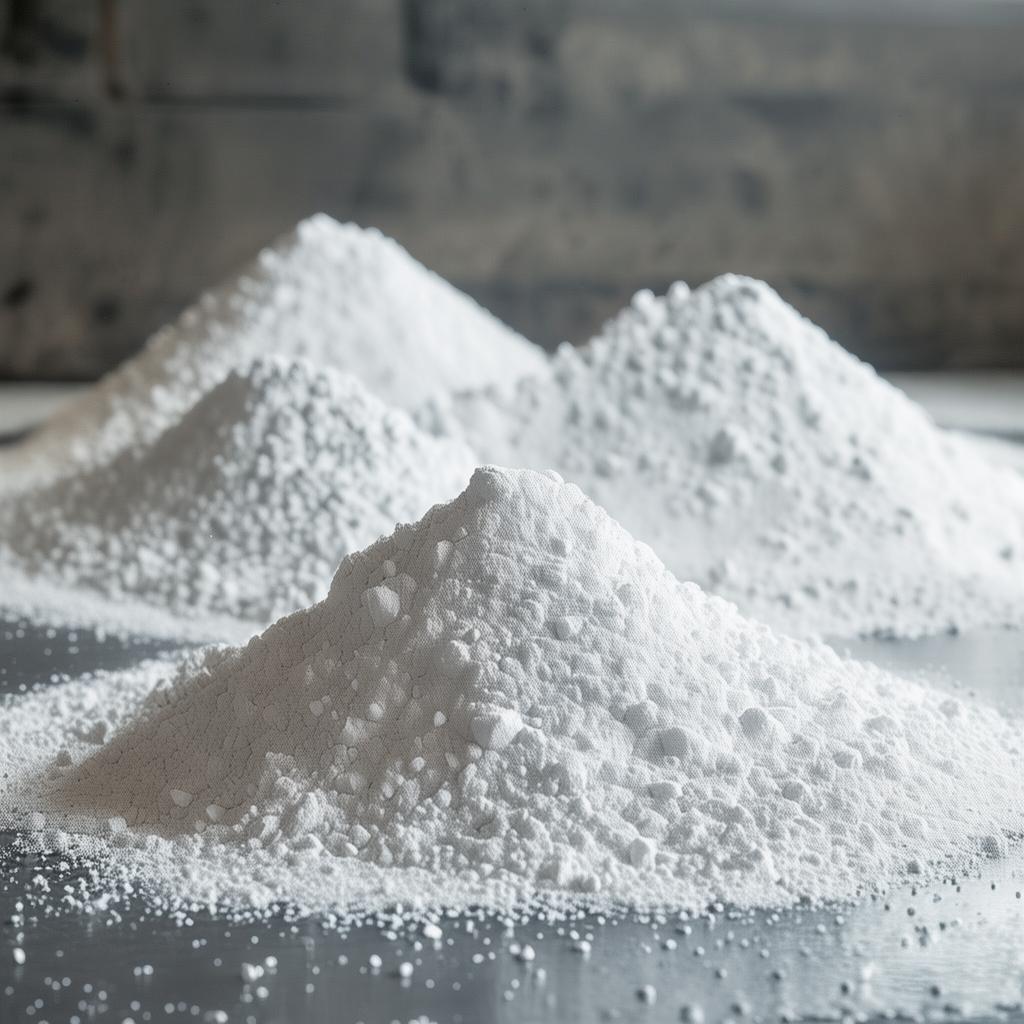


If you're in the market for artificial grass, you've probably come across the term "artificial grass infill sand." But what exactly is it, and why is it such a crucial component? In this article, we'll dive into the world of infill sand, explore its benefits, and discuss how it contributes to the longevity and performance of your artificial grass. Let's get started!
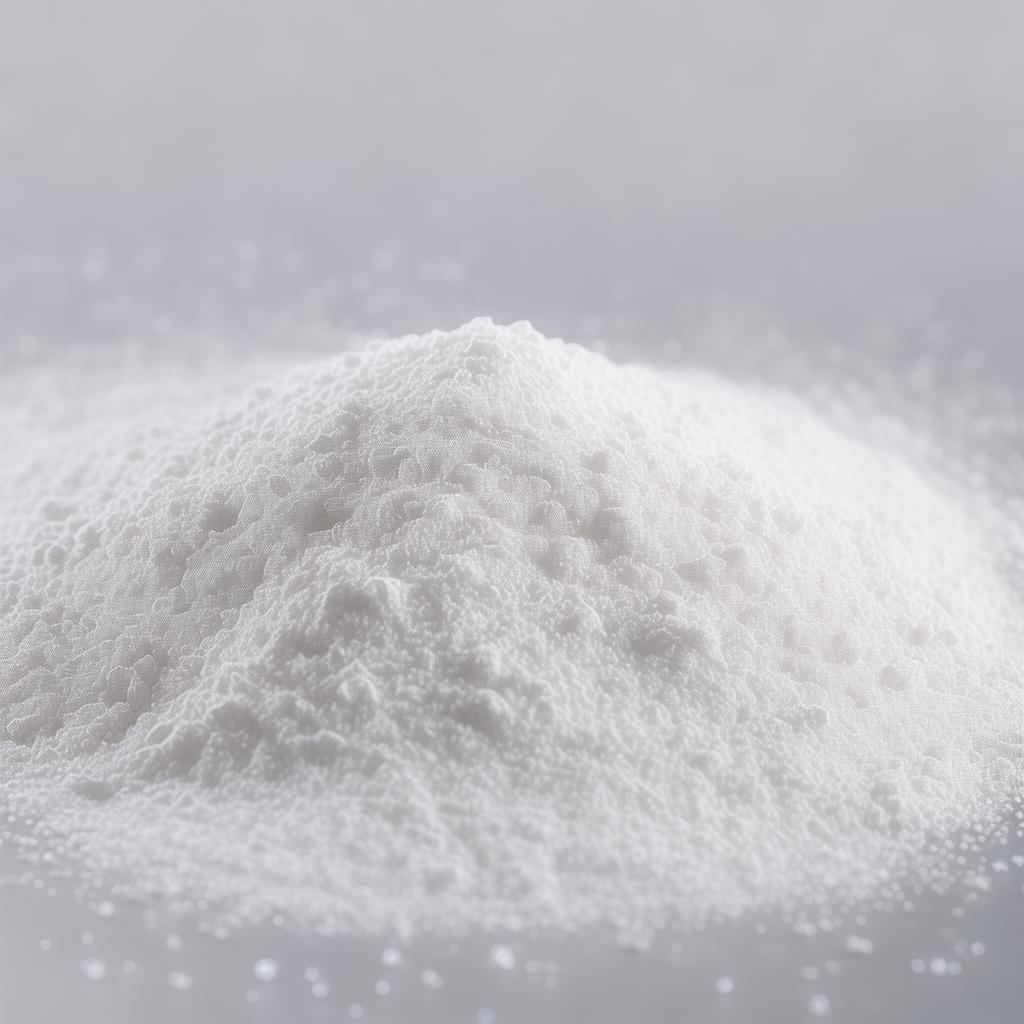
Artificial Grass Infill Sand
Contact Us
The Ultimate Guide to Artificial Grass Infill Sand: What You Need to Know
About Glory Star Group
Glory Star Group, established in 2004, is the export company of Hebei Huayuan Minerals Co., Ltd. With ISO9001 Certification and a production capacity of over 100,000mts per year, we are one of the largest mica manufacturers in Lingshou County, China. Our commitment to quality and innovation has made us a trusted name in the industry.
For more information, contact us:
- Phone: +86-15102245195
- Whatsapp: +86-13323215153
- Email: vicky@glorystarexport.com
- Address: 368 Youyi North Street, Shijiazhuang, Hebei, China
- Contact Page: https://www.glorystarexport.com/contactus.html
What is Artificial Grass Infill Sand?
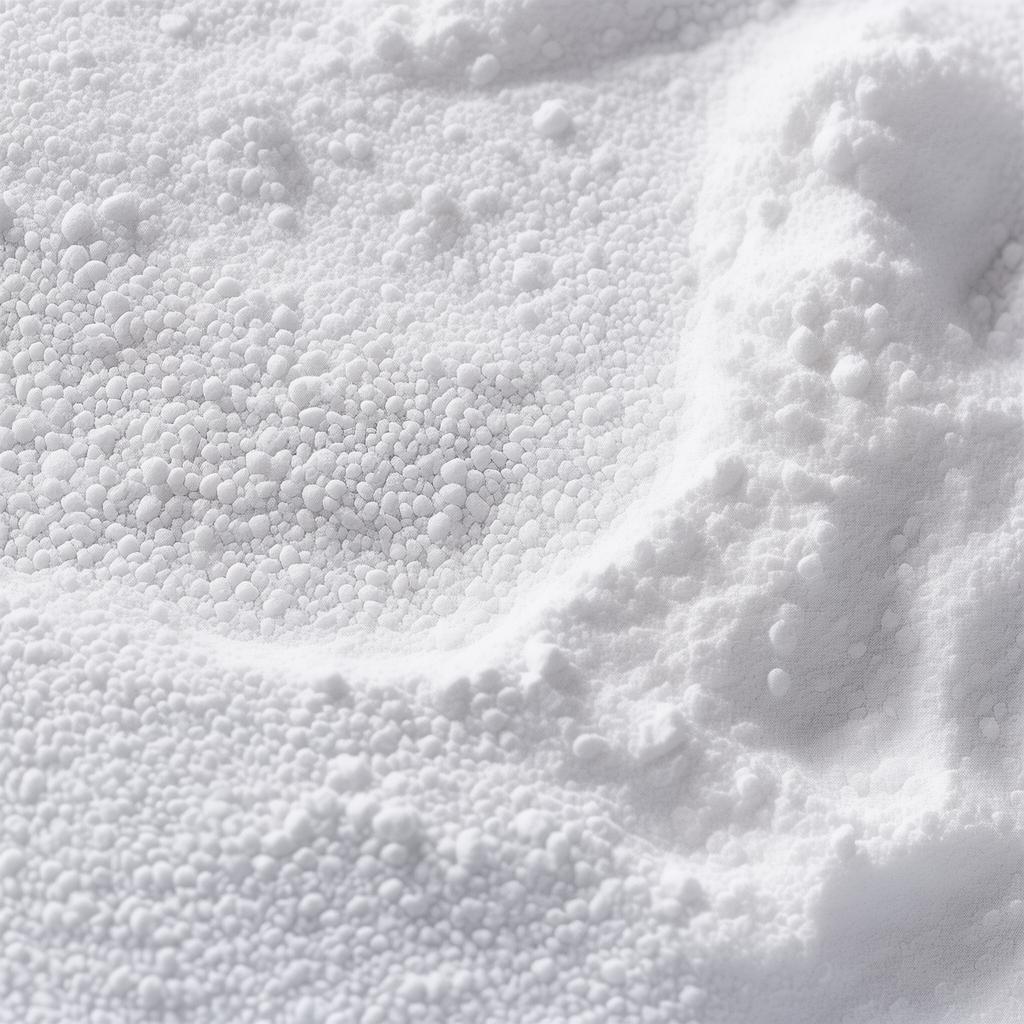
Artificial grass infill sand, often referred to simply as "infill," is a critical component used in the installation of artificial grass. It is essentially a fine-grained sand that is sprinkled between the grass blades to fill the gaps. This not only gives the grass a more natural look but also enhances its performance and lifespan.
Benefits of Infill Sand
1. Weight and Stability
Infill sand adds weight to the artificial grass, making it more stable and less likely to shift or move. This is particularly important for areas with heavy foot traffic or sports activities.
2. Durability
The sand helps to protect the blades from wear and tear, extending the life of your artificial grass. It also prevents the blades from matting down, maintaining the grass's texture and appearance.
3. Drainage
Proper infill helps improve the drainage of your artificial grass, reducing the risk of waterlogging and mold growth.
4. Temperature Regulation
Infill sand can help regulate the temperature of the artificial grass, making it more comfortable to use throughout the year.
Types of Infill Sand
1. Silica Sand
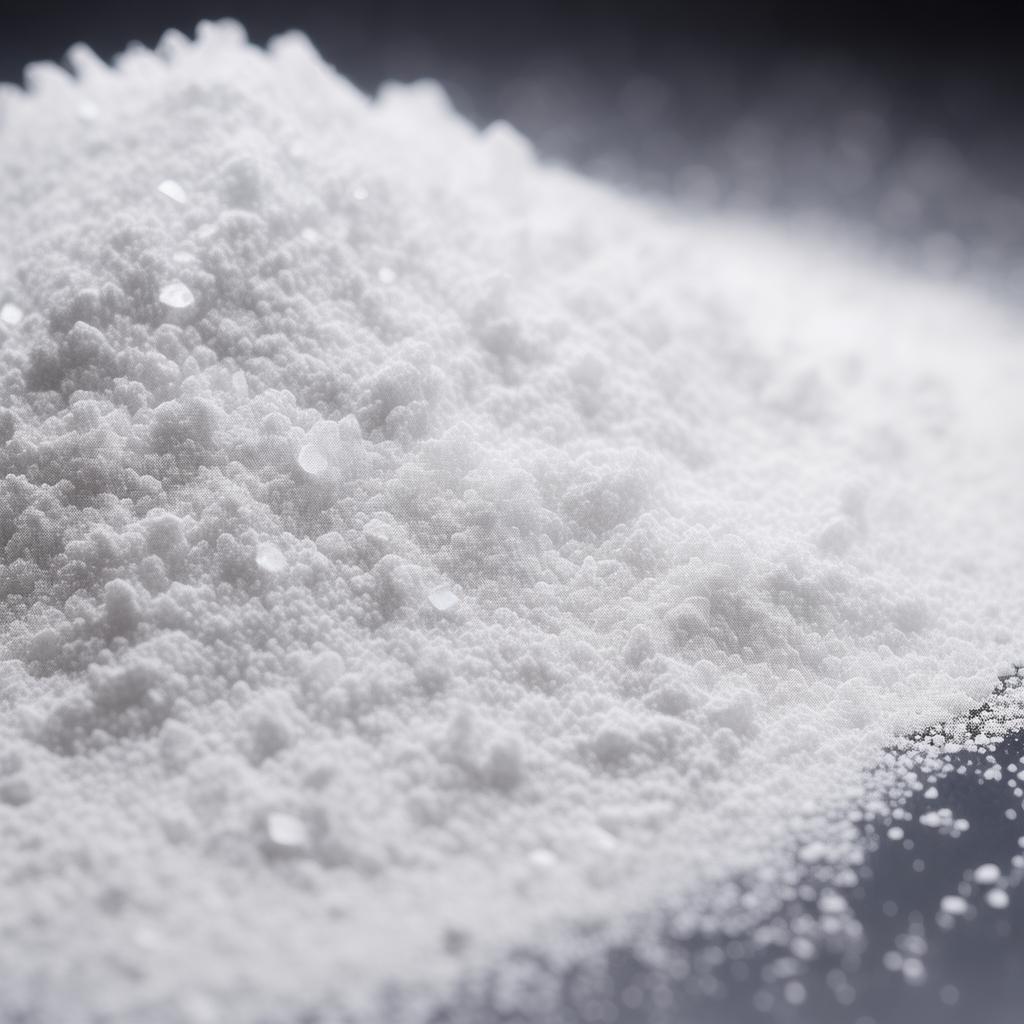
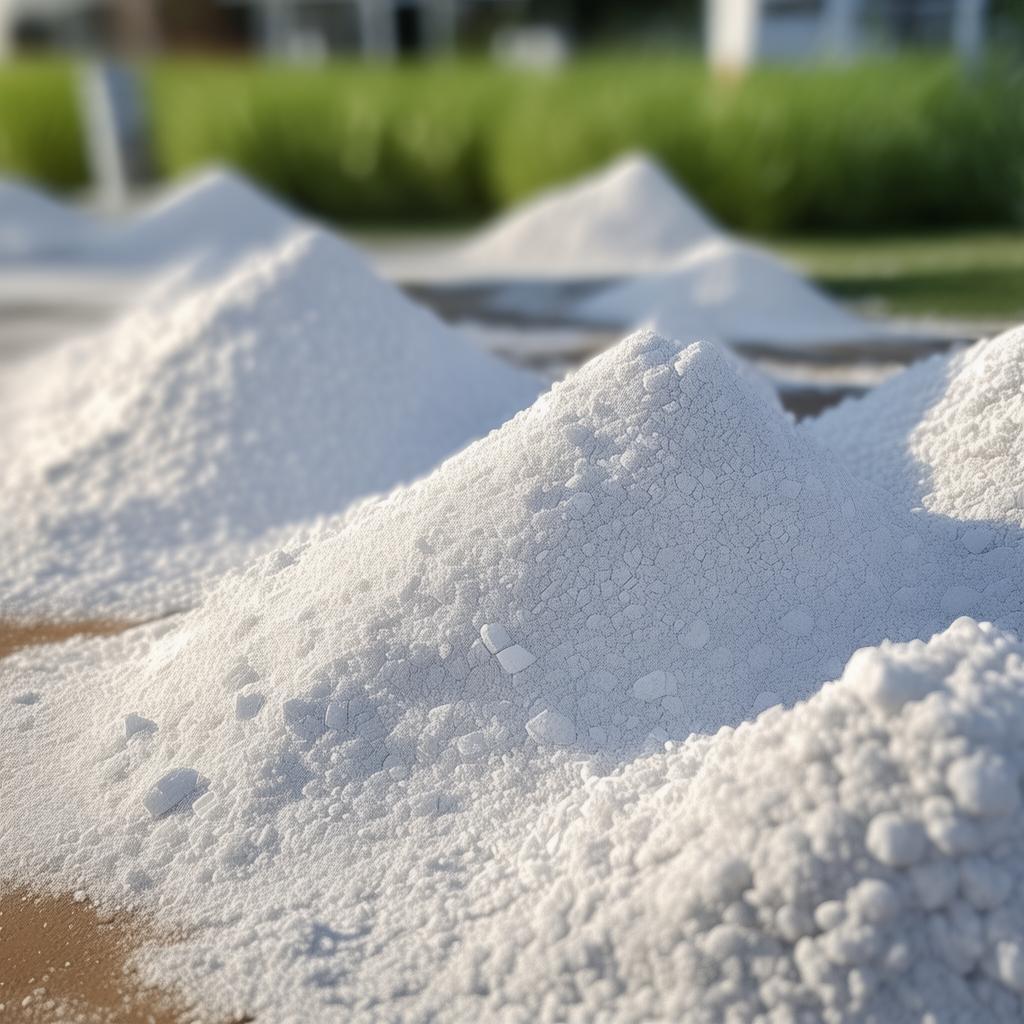
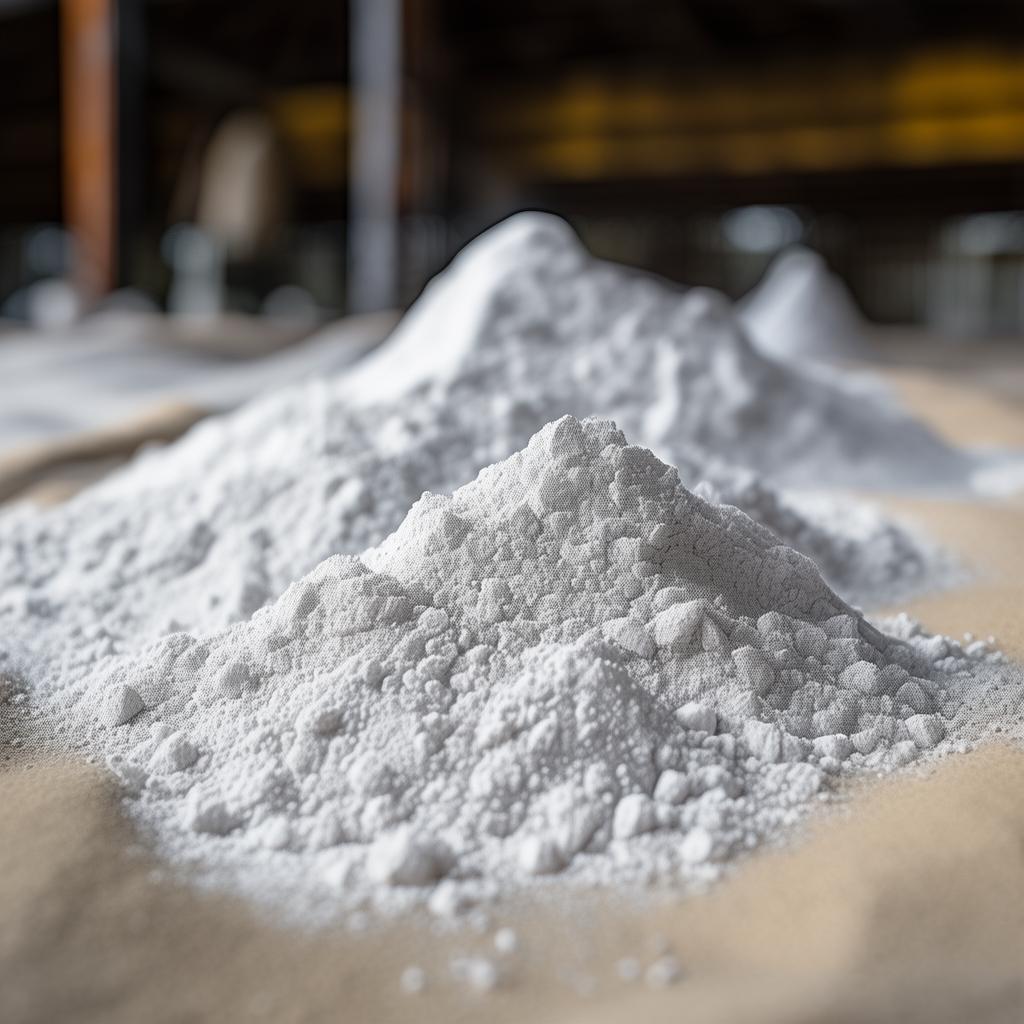
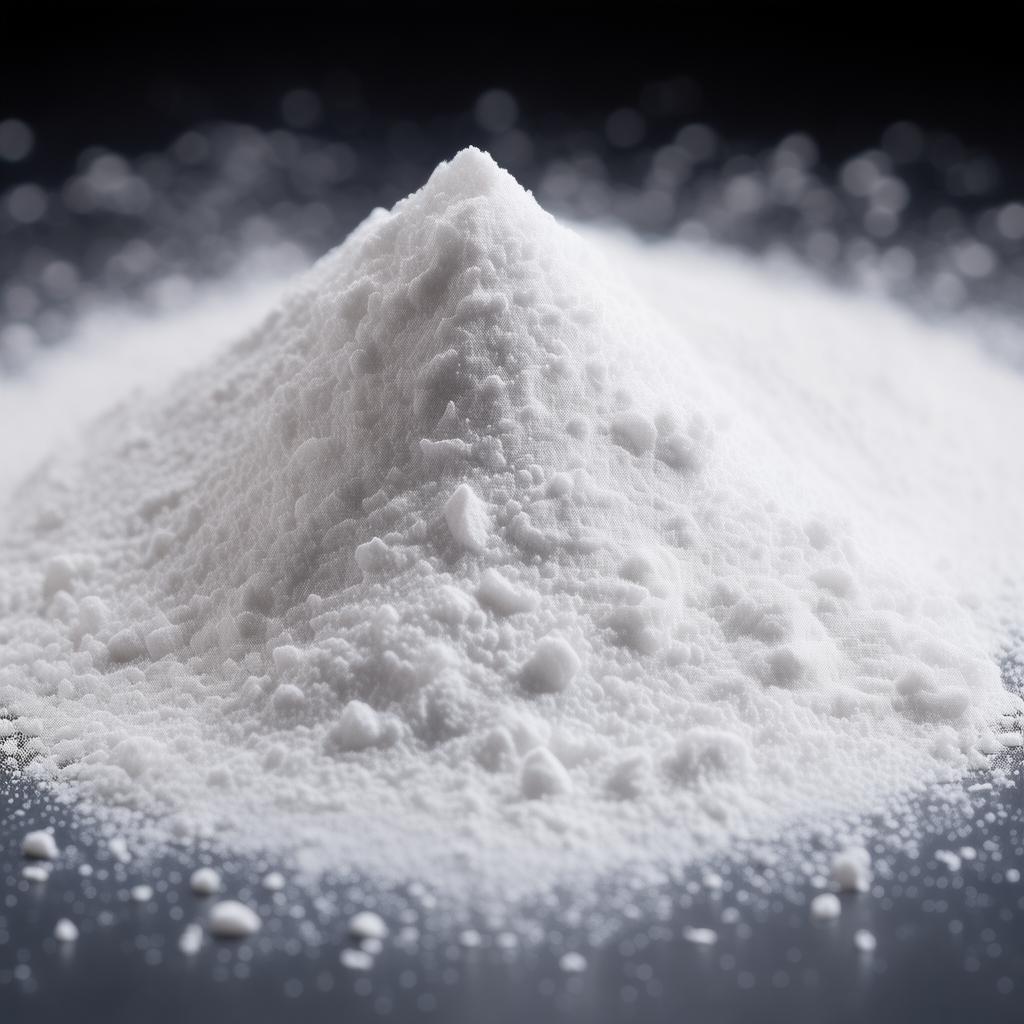
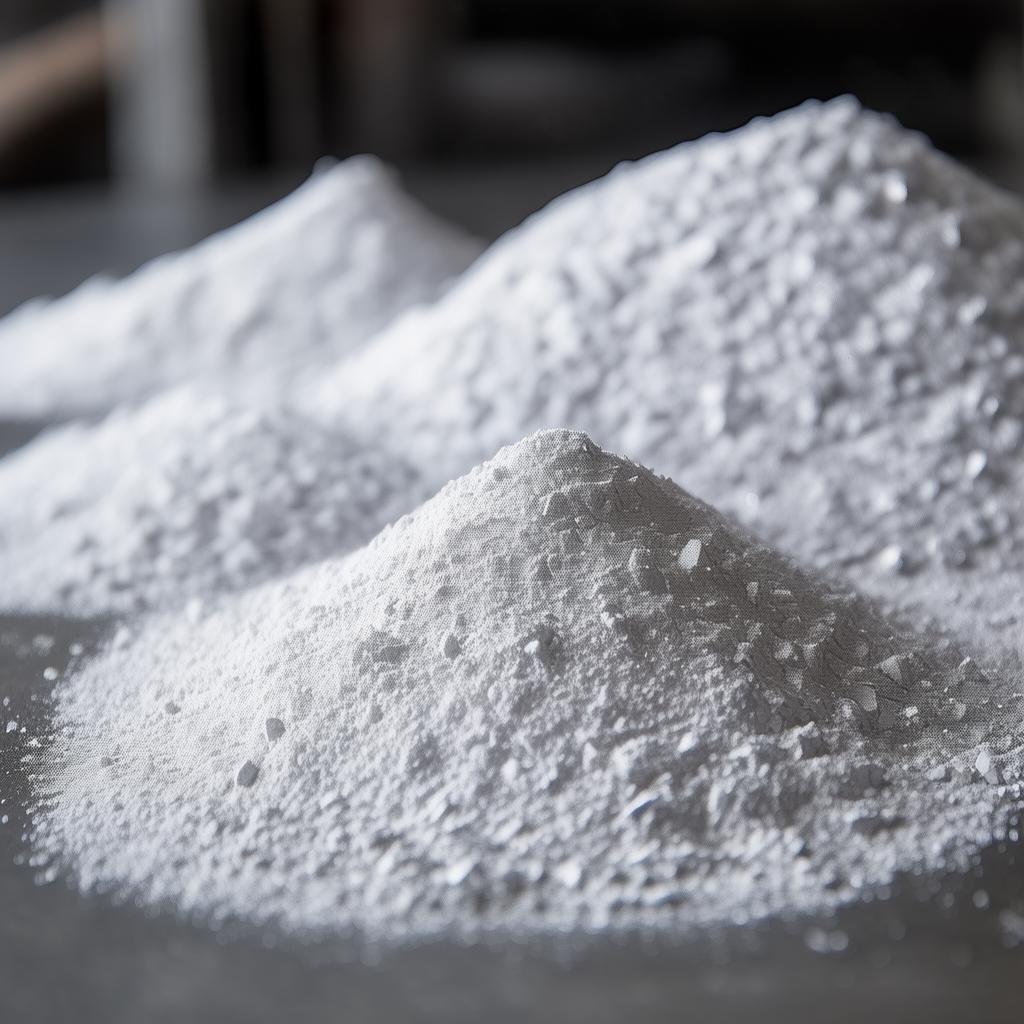
silica sand infill for artificial grass artificial grass sand sand for artificial grass
Silica sand is the most common type of infill sand. It is finely ground and provides excellent weight distribution and stability. However, it can be more expensive and may not be as environmentally friendly as other options.
2. Cellulose Fiber
Cellulose fiber is a more sustainable alternative to silica sand. It is made from recycled paper and is a good option for those looking to reduce their carbon footprint.
3. Recycled Glass
Recycled glass is another eco-friendly option. It is durable and can withstand heavy traffic, but it may not provide the same level of weight distribution as silica sand.
Choosing the Right Infill Sand
When choosing the right infill sand for your artificial grass, it's important to consider factors such as cost, environmental impact, and performance. Here are some tips to help you make the best choice:
1. Consult with a Professional
A professional installer can provide valuable advice on the best type of infill sand for your specific needs.
2. Consider Your Budget
While more expensive options like silica sand may provide better performance, there are more affordable and sustainable alternatives that can still deliver great results.
3. Evaluate the Environmental Impact
If sustainability is a priority, consider using eco-friendly options like cellulose fiber or recycled glass.
The Role of Infill Sand in Artificial Grass Maintenance
Maintaining your artificial grass is crucial for ensuring its longevity and appearance. Infill sand plays a vital role in this process:
1. Regular Inspections
Regularly inspect your artificial grass for signs of wear or infill loss. Promptly addressing any issues can prevent further damage.
2. Re-Infilling
Over time, infill sand may become compacted or washed away, requiring re-infilling. This is a simple process that can be done by a professional installer.
3. Cleaning
Keeping your artificial grass clean will help maintain its appearance and performance. Use a leaf blower or a stiff-bristled brush to remove debris.
Infill sand is a crucial component of artificial grass, contributing to its stability, durability, and performance. By understanding the different types of infill sand and their benefits, you can make an informed decision for your project. And remember, choosing the right partner, like Glory Star Group, can make all the difference. Contact us today for high-quality, sustainable infill sand solutions!
If you're in the market for artificial grass, you've probably come across the term "artificial grass infill sand." But what exactly is it, and why is it such a crucial component? In this article,
GET IN TOUCH WITH US
-
 35 Years ExperienceWith 35 years of experience, we deliver unmatched expertise and quality in every project. Our deep industry knowledge ensures reliable, innovative solutions that eet your needs.
 -
 Professional ServiceExperience excellence with our professional service! We deliver top-quality solutions, tailored to your needs, ensuring efficiency, reliability, and customer satisfaction every time.
 -
 Powerful Technology SupportEmpowered by cutting-edge technology, we provide strong support for your business needs. Our advanced solutions drive innovation, efficiency, and growth, ensuring you stay ahead of the competition.
 -
 Strict Quality Control ProcessOur strict quality control process ensures every product meets the highest standards. From raw materials to final inspection, we prioritize precision and reliability, delivering exceptional quality and consistency.
.png "About")