

Vinyl Flake Epoxy Floor Flakes For Coating: Insider Notes, Specs, and Real-World Use
To be honest, I’ve specified and walked on a lot of decorative broadcast floors, and the honest answer is this: vinyl flakes keep punching above their weight in 2025. They mask substrate flaws, add slip resistance, and deliver that “granite look” without the price or mess. Many customers say the finished surface looks richer than photos—surprisingly true.
What they’re made of (and why it matters)
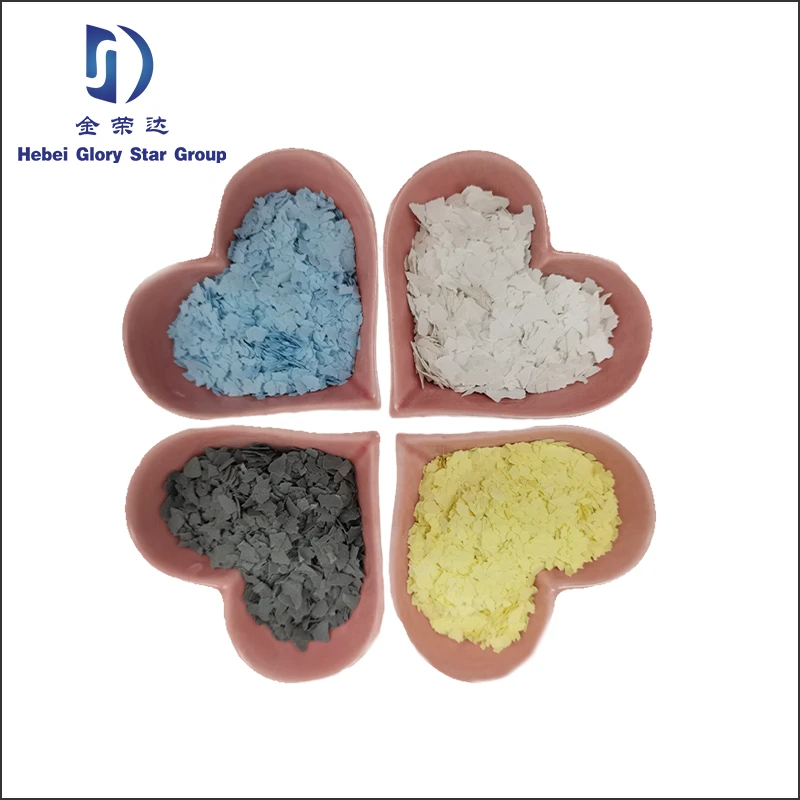
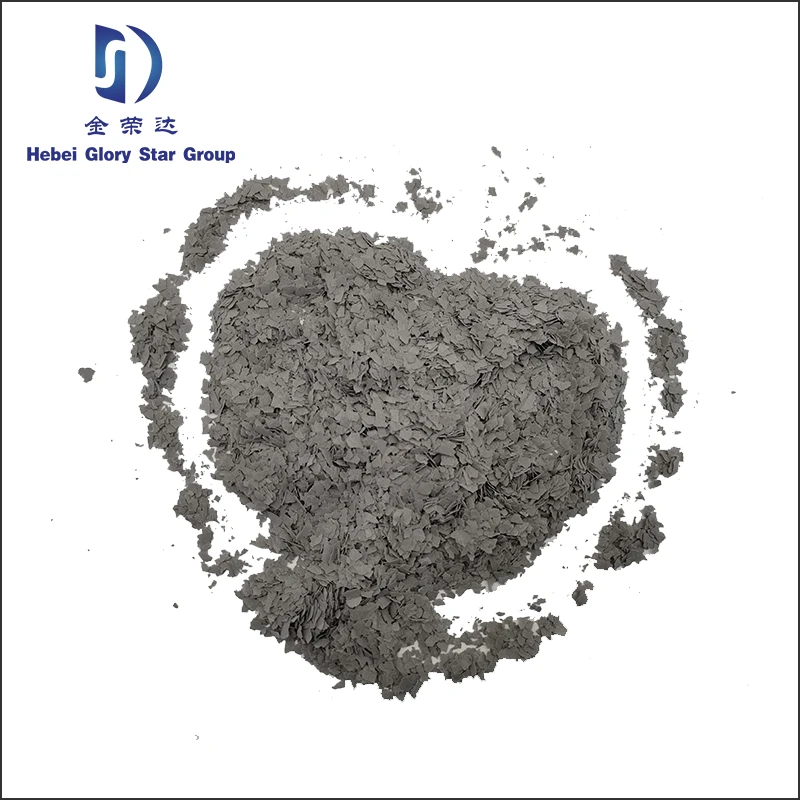
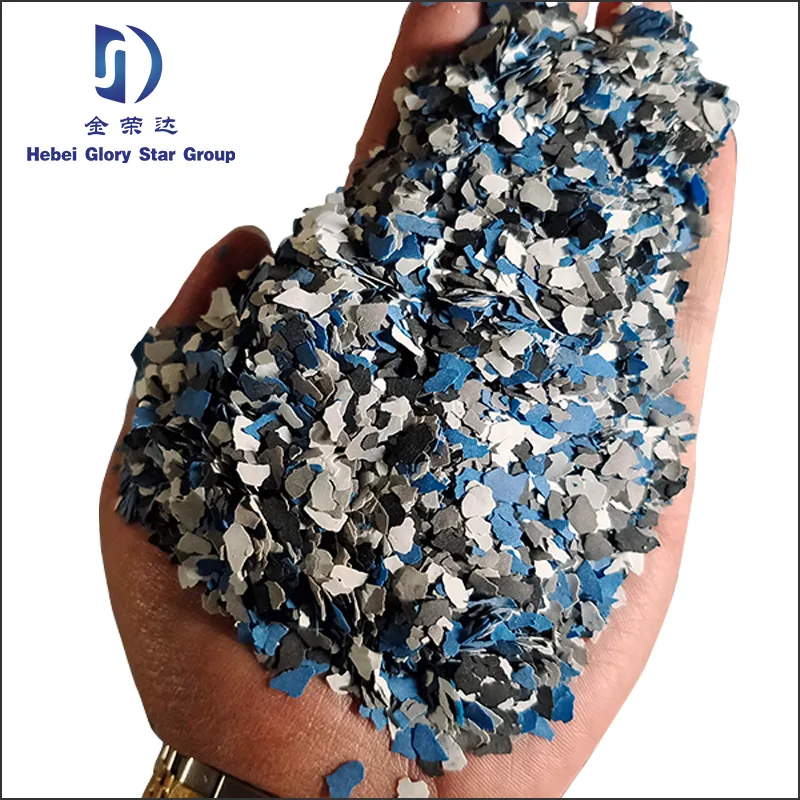
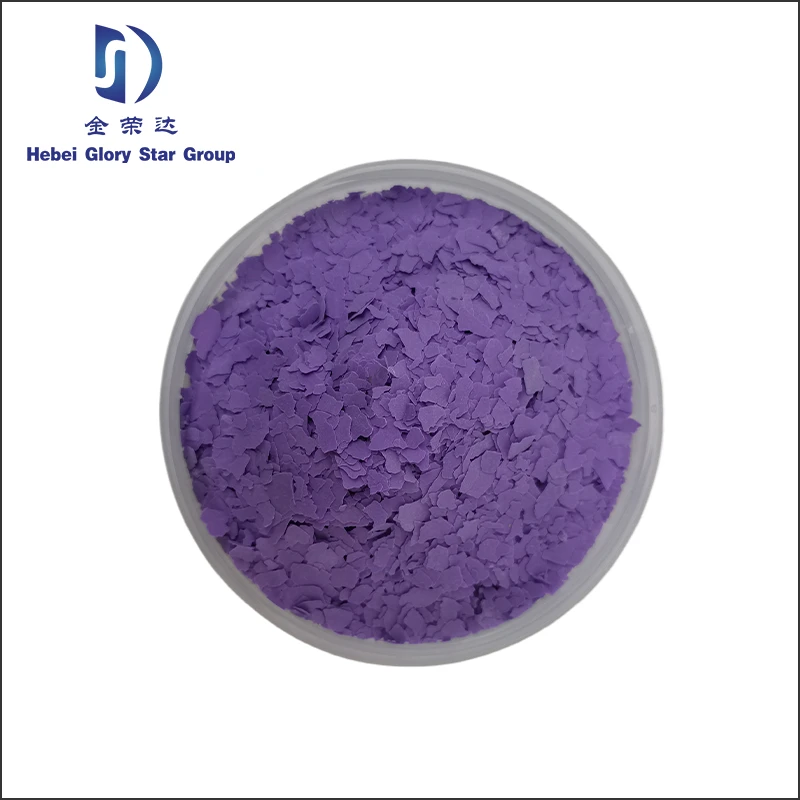
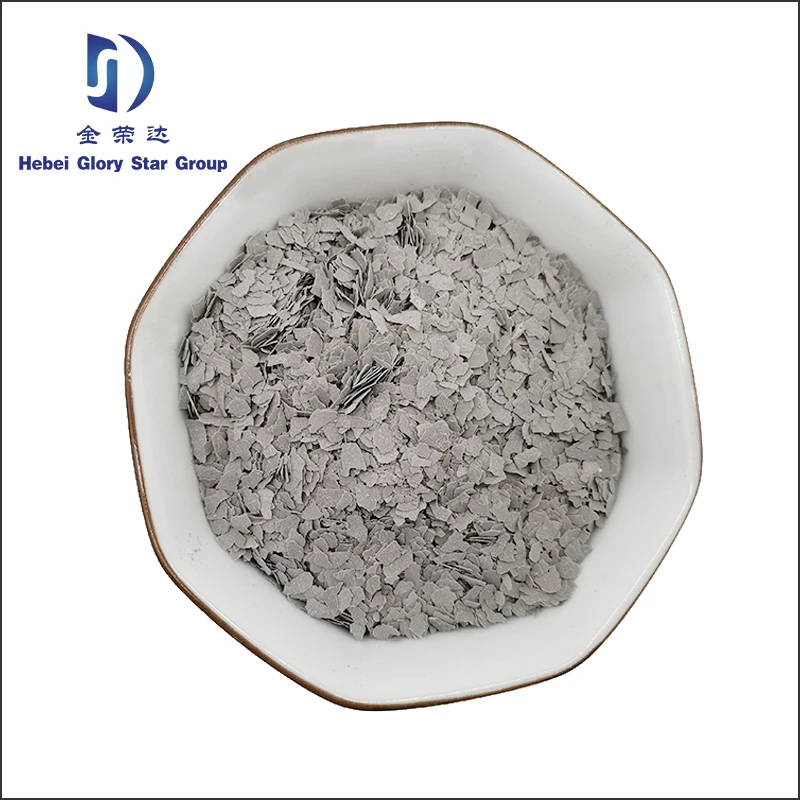
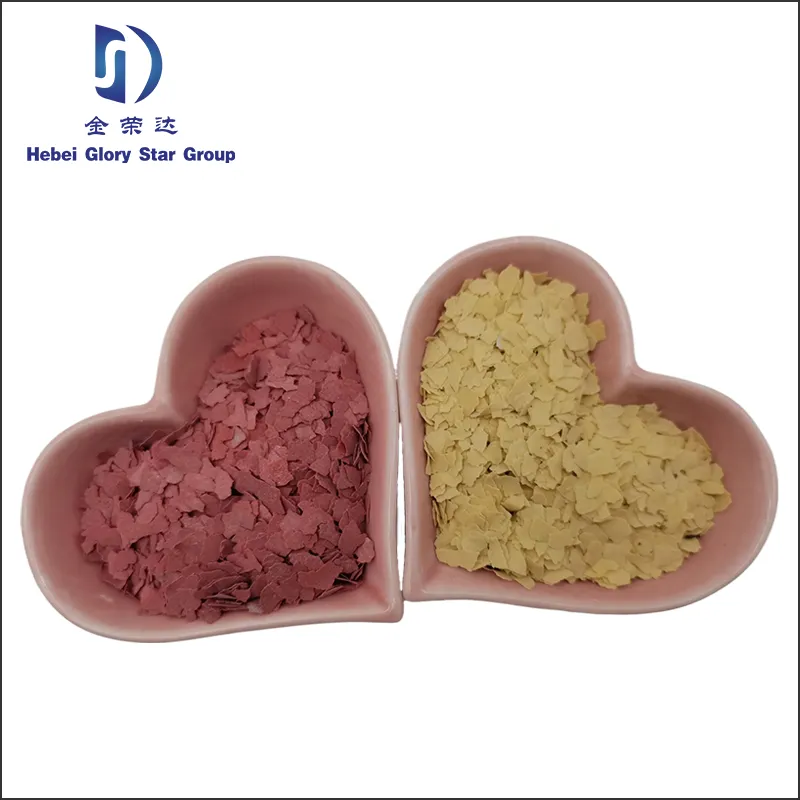
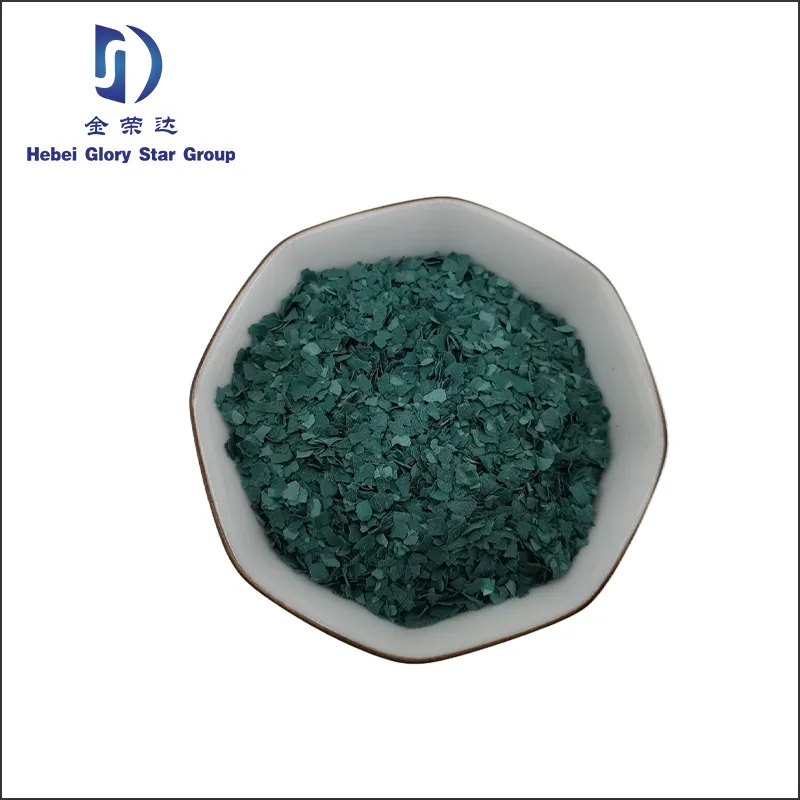
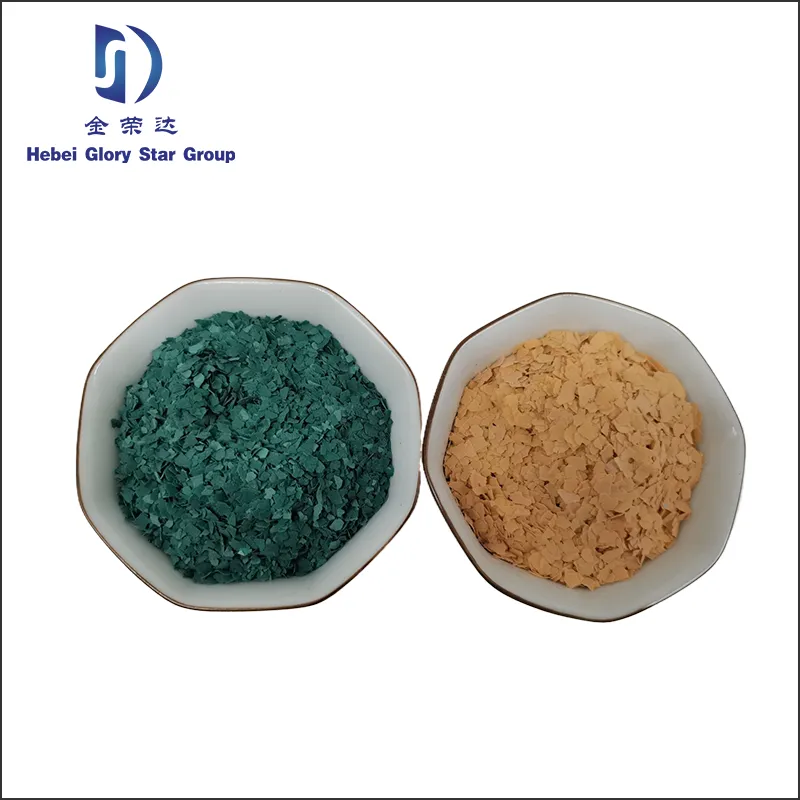
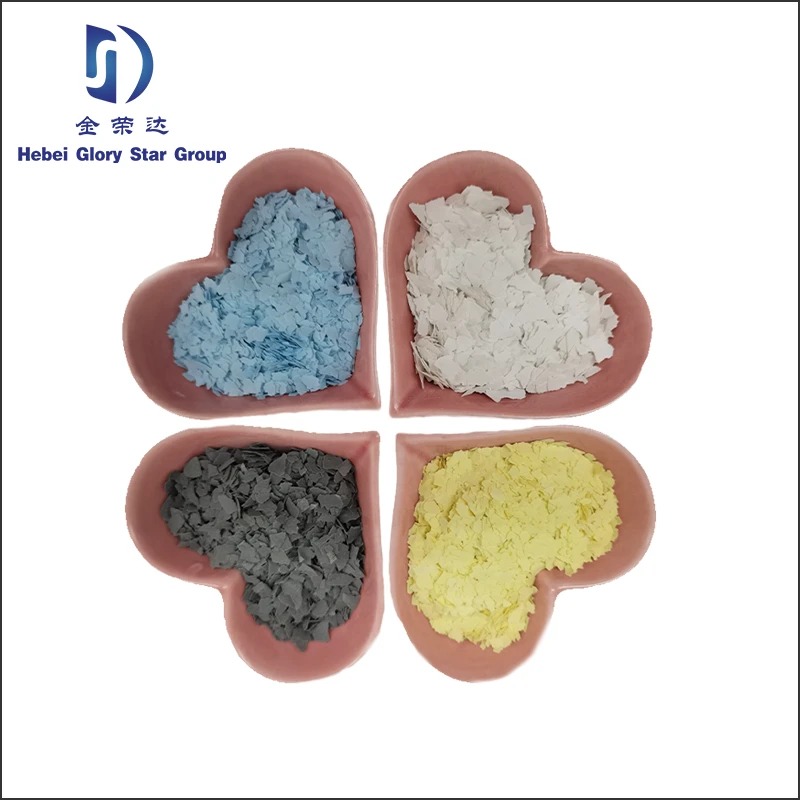
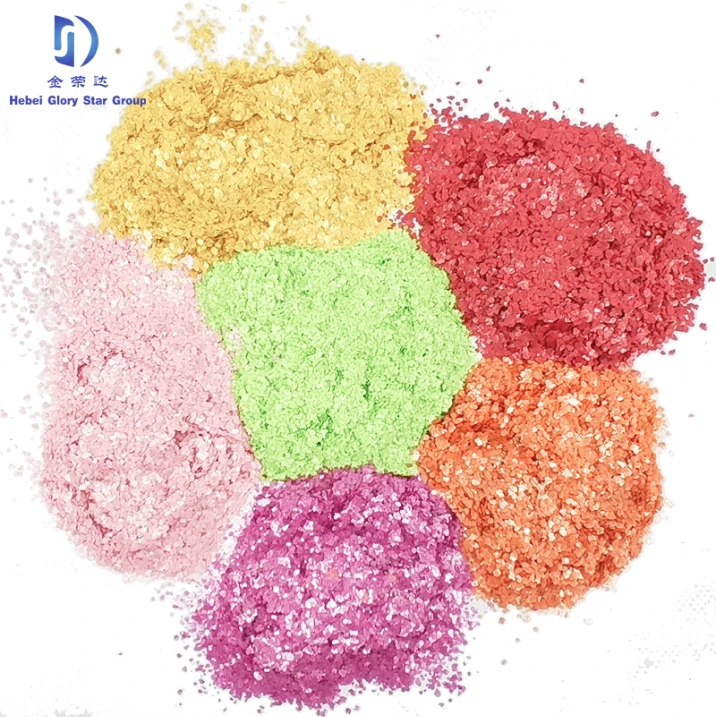
Glorystar’s Composite Rock Chips are an engineered blend of inorganic fillers, high‑molecular polymer, non‑toxic additives, and surfactants—formulated to mirror natural granite colorways. That chemistry means stable color, good suspension in resin, and easy broadcast-to-rejection. In fact, the system makes spec work predictable.
Industry trends I’m seeing
- Micro and hybrid blends: tighter “salt-and-pepper” looks with 1–2 mm sizes.
- Faster turnarounds: polyaspartic topcoats to reopen garages/retail in hours.
- Sustainability: low‑VOC resin systems and REACH‑aware pigments.
- Healthcare/vet: antimicrobial topcoats over vinyl flakes to reduce seams.
Product snapshot
| Product | Vinyl Flake Epoxy Floor Flakes For Coating |
| Composition | Inorganic fillers + polymer matrix, non‑toxic additives |
| Typical Sizes | ≈ 1–2 mm (micro), 3–5 mm, 6–8 mm; common: 1/16", 1/8", 1/4" |
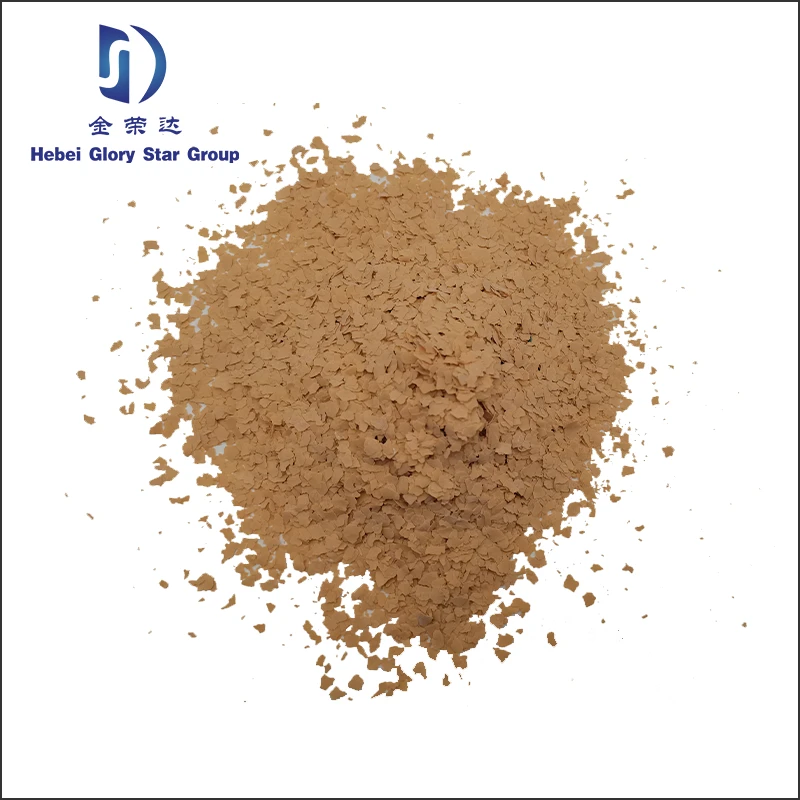
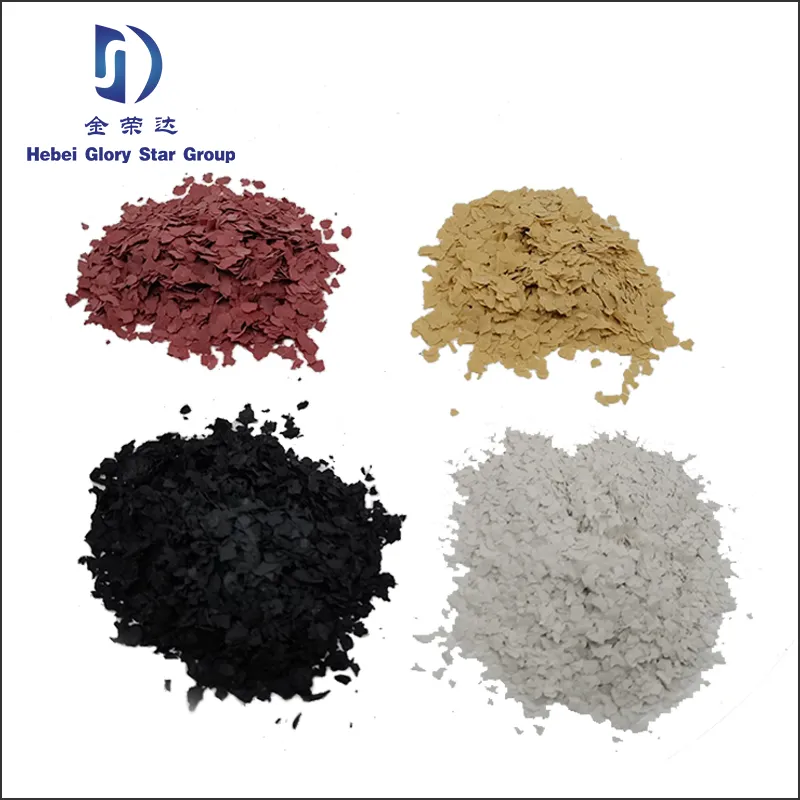
| Colorways | Granite-inspired blends; custom matching available |
| Bulk Density | ≈ 0.4–0.7 g/cm³ (real‑world use may vary) |
| Use | Epoxy/PU/polyaspartic broadcast systems, interior/exterior coatings |
| Origin | 368 Youyi North Street, Shijiazhuang, Hebei, China |
Process flow and testing (field-proven)
- Prep: Shot-blast or grind to ICRI CSP 2–3; moisture test per ASTM F2170 if needed.
- Prime: 100% solids epoxy primer; address pinholes.
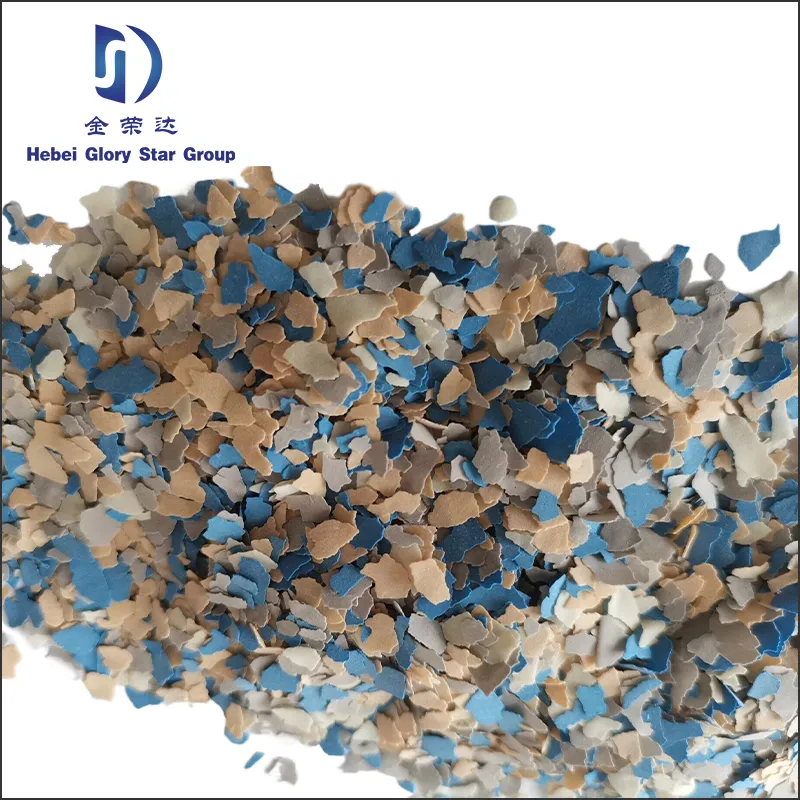
- Base coat: Pigmented epoxy. While wet, broadcast vinyl flakes to rejection.
- Scrape and vacuum: Remove loose flakes; edges should feel flat-ish.
- Topcoats: Polyaspartic or PU for UV/scratch; add AO/Grit for slip resistance.
- QA/QC: Adhesion ASTM D4541 (pull-off), Abrasion ASTM D4060, Cross-hatch ASTM D3359, Slip ASTM D2047.
Typical system data (indicative): Taber loss ≤ 70 mg/1000 cycles CS‑17/1 kg; Pull-off ≥ 2.8 MPa on concrete; COF (dry) ≥ 0.6 with AO additive; VOC of topcoat often
Where they shine
- Garages and EV workshops—oil masking, easy cleanup, quick return to service.
- Healthcare, vet, education—continuous surface, fewer dirt-catching seams.
- Retail, showrooms, breweries—brandable color blends, anti-slip over vinyl flakes.
- Food/Lab—chemical-resistant topcoats, coved base optional.
Vendor comparison (quick take)
| Vendor | Certifications | MOQ | Custom Colors Lead Time | Notes |
|---|---|---|---|---|
| Glorystar | ISO 9001; REACH-aware pigments | Around 100–200 kg | ≈ 7–14 days | Granite-matched blends; stable supply |
| Vendor A | ISO 9001 | ≈ 300 kg | 2–3 weeks | Limited microflake palette |
| Vendor B | — | Flexible | 3–4 weeks | Budget option; color variance risk |
Customization and logistics
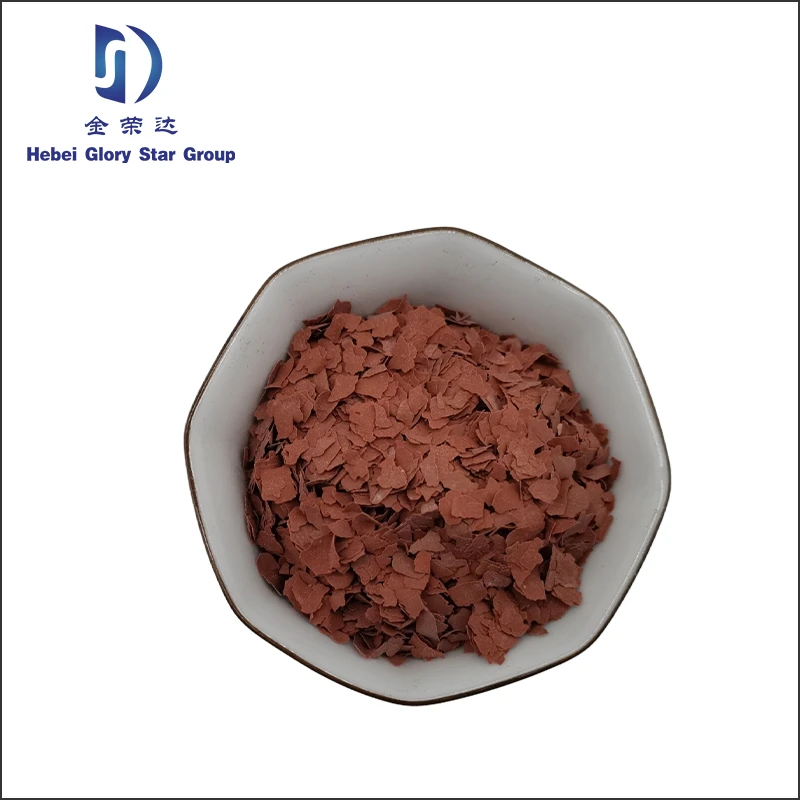
You can tweak size blends (say 30/70 micro to standard), request brand colors over vinyl flakes, and pick gloss/satin finishes. Packaging is usually multi-wall bags or lined cartons. From Shijiazhuang, Hebei, freight consolidation to coastal ports is straightforward—I’ve seen consistent lead times.
Case snippets (short and real)
- 2000 m² logistics hub: medium-gray base with vinyl flakes; Taber loss averaged 62 mg—still crisp after 18 months of forklifts.
- Clinic corridor: microflake in warm neutrals; COF 0.62 dry with satin PU topcoat; nurses praised “quiet” look.
- Craft brewery: high-build epoxy + polyaspartic; vinyl flakes hide patchwork concrete, hot-water splash tolerated fine.
Advantages at a glance
- Masks substrate imperfections; consistent granite aesthetic.
- Improved slip resistance with topcoat additive.
- Fast install; low odor options; predictable QC over vinyl flakes.
- Service life: ≈ 5–10 years in commercial use, longer with maintenance.
Certs and compliance: ISO 9001 production; pigment selection in line with REACH; systems can be formulated to meet low‑VOC targets (e.g., SCAQMD Rule 1113) depending on the chosen resin/topcoat.
Authoritative references
- ASTM D4060 Taber Abrasion Standard.
- ASTM D4541 Pull-Off Strength of Coatings.
- ASTM D3359 Adhesion by Tape Test.
- ASTM D2047 Static Coefficient of Friction.
- ICRI Guideline No. 310.2R Concrete Surface Prep.
- ISO 9001 Quality Management Systems.
Post time: Oct-20-2025







.png "About")