

Industrial Grade Talc: What Buyers Really Need to Know in 2025
If you’ve been sourcing mineral fillers for coatings, rubber, ceramics, or plastics, you’ve probably wrestled with grades, mesh sizes, and real-world performance. I’ve walked a few plants where a minor change in filler spec saved a production shift. That’s why the latest talcum powder offering from Shijiazhuang, Hebei, caught my eye—mostly for its consistency and honest specs.
Product at a Glance
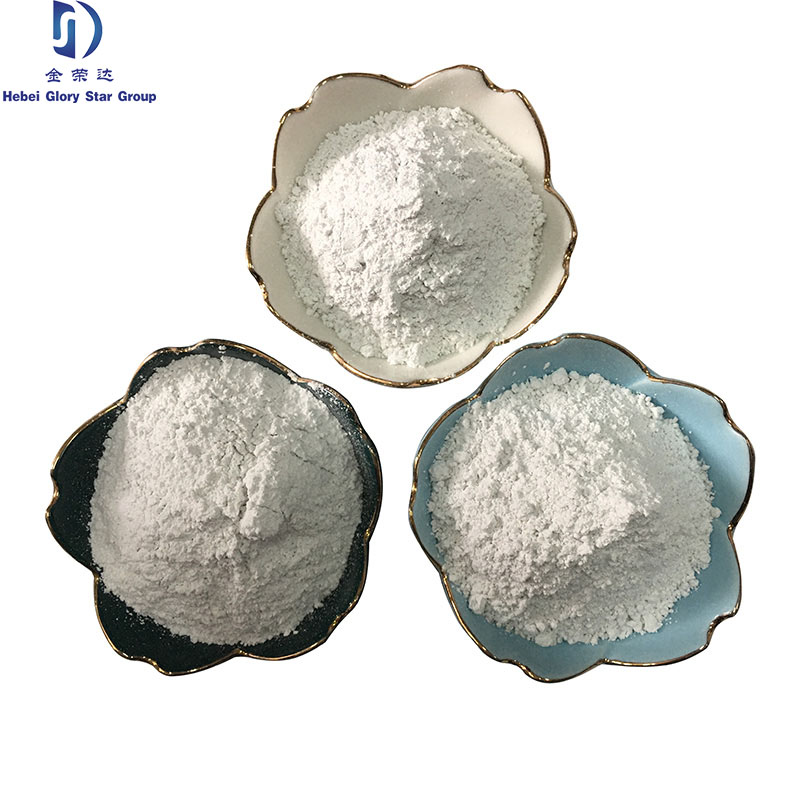
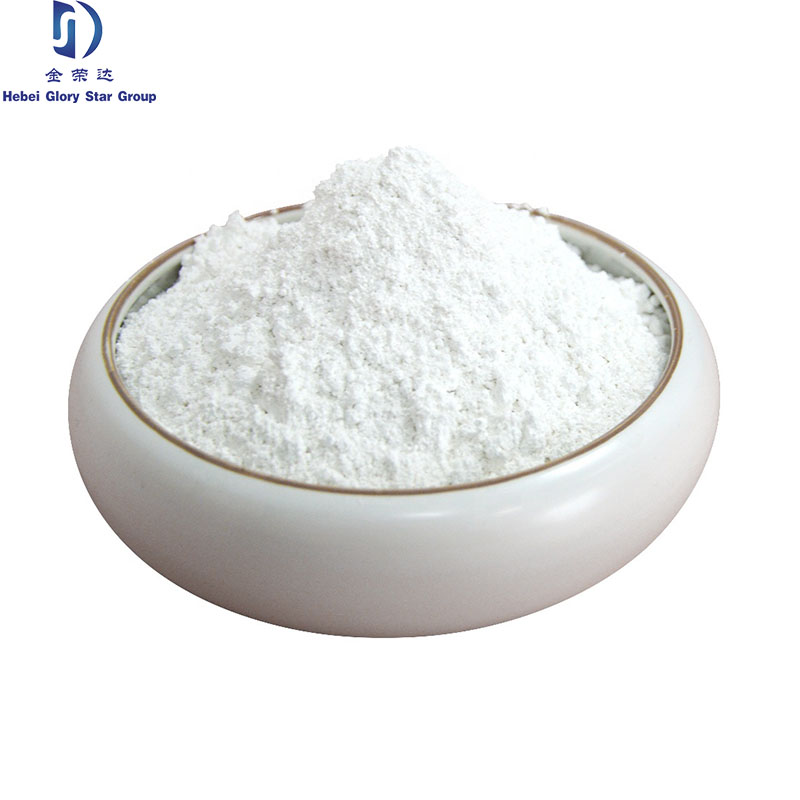
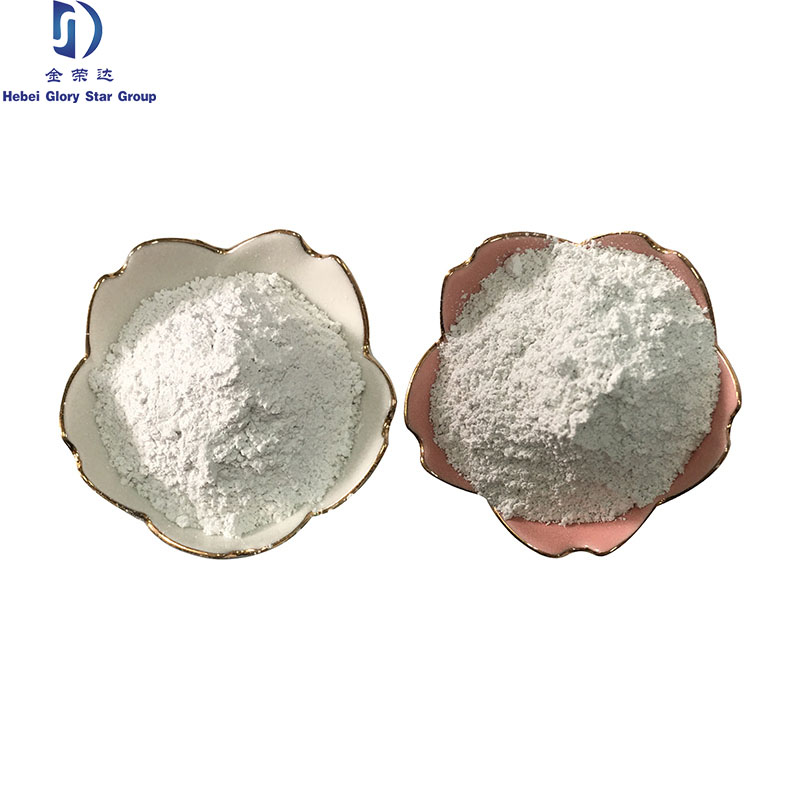
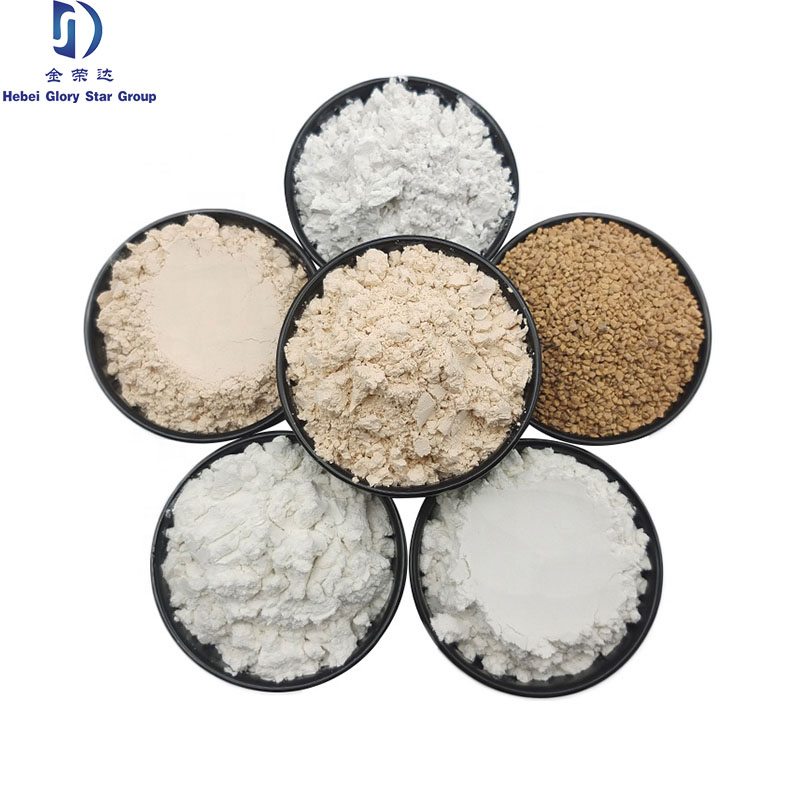
Industrial Grade Talcum Powder High Whiteness Talc Powder 1250mesh for coating, rubber, ceramics, and plastic. Made via Raymond milling with high-pressure refinement, whiteness ≈85–96%. In practice, talcum powder offers lubricity, anti-viscosity, flow aid, acid resistance, insulation, high melting point, and notably good hiding power. Origin: 368 Youyi North Street, Shijiazhuang, Hebei, China.
Process Flow and Quality Control
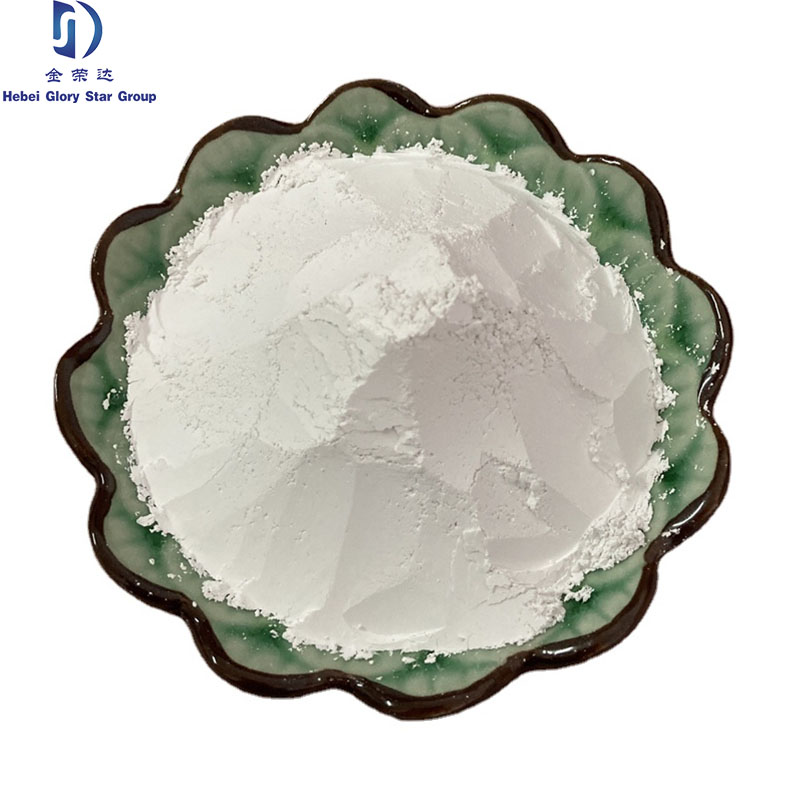
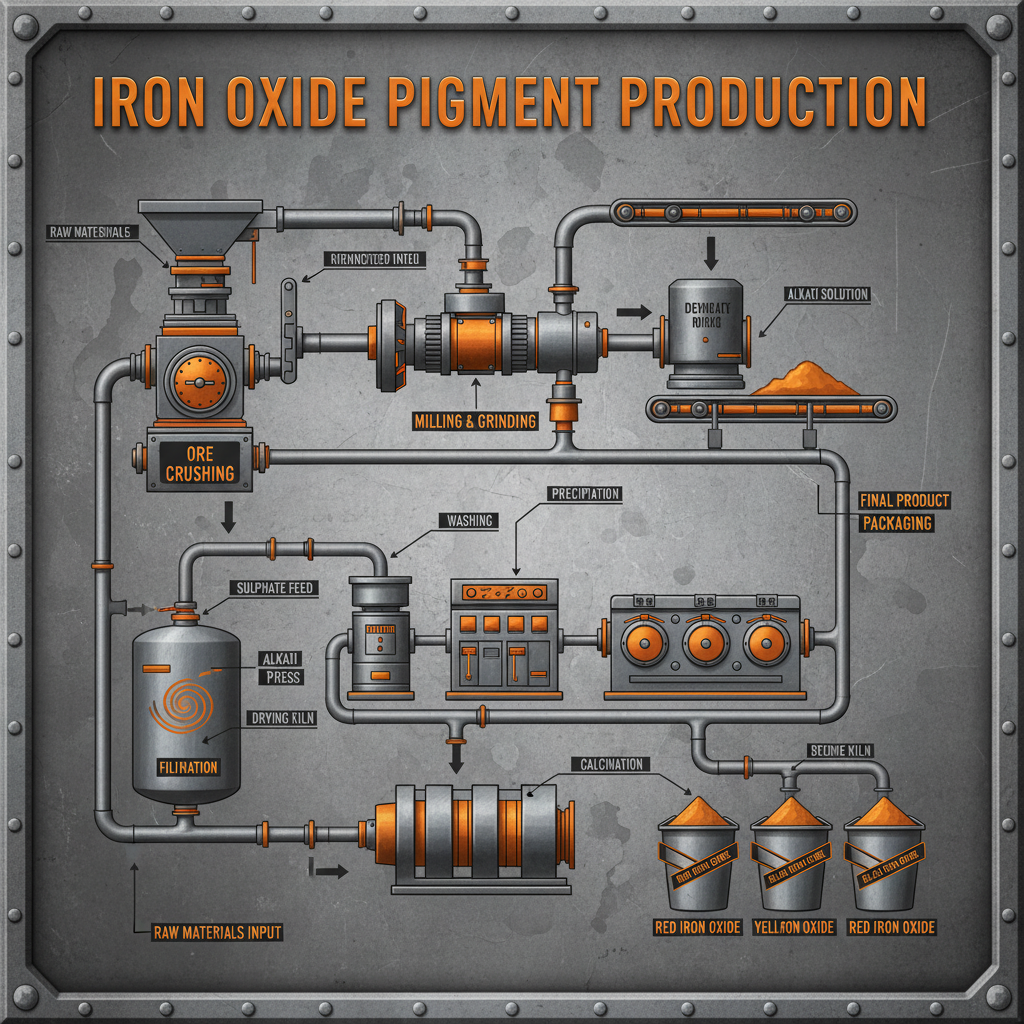
Ore selection → jaw crushing → Raymond mill + high-pressure micro-grinding → air classification → magnetic separation → dedusting → optional surface modification (e.g., stearic acid for plastics) → packaging. Testing typically follows ISO 3262-10 for extenders, ISO 787 methods for pigments (moisture, oil absorption, pH), ISO 13320 for particle size analysis, and ISO 22262 for asbestos determination in bulk materials. To be honest, the tighter the classification step, the fewer surprises on your line.
Technical Specifications (typical)
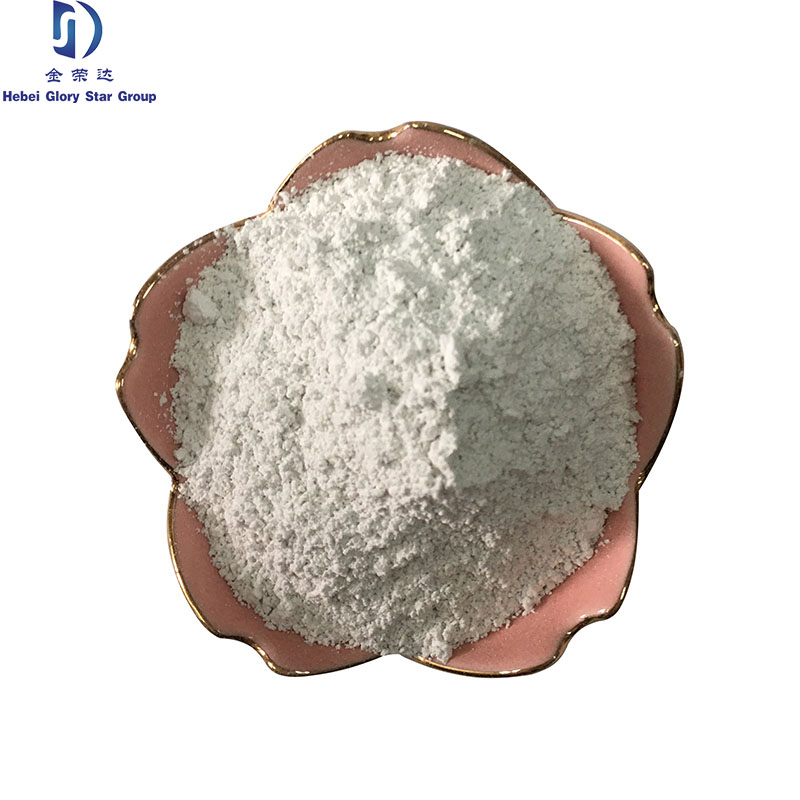
| Property | Spec (1250 mesh) | Method/Standard |
|---|---|---|
| Whiteness | ≈85–96% | ISO 7724 colorimetry (internal correlation) |
| Particle size | D50 ≈ 8–12 µm; D97 ≤ 15 µm | ISO 13320 (laser diffraction) |
| Oil absorption | 25–35 g/100 g | ISO 787-5 |
| Moisture | ≤0.5% | ISO 787-2 |
| pH (slurry) | 8–10 | ISO 787-9 |
| Asbestos content | None detected | ISO 22262-1/-2 (bulk) |
Applications and Advantages
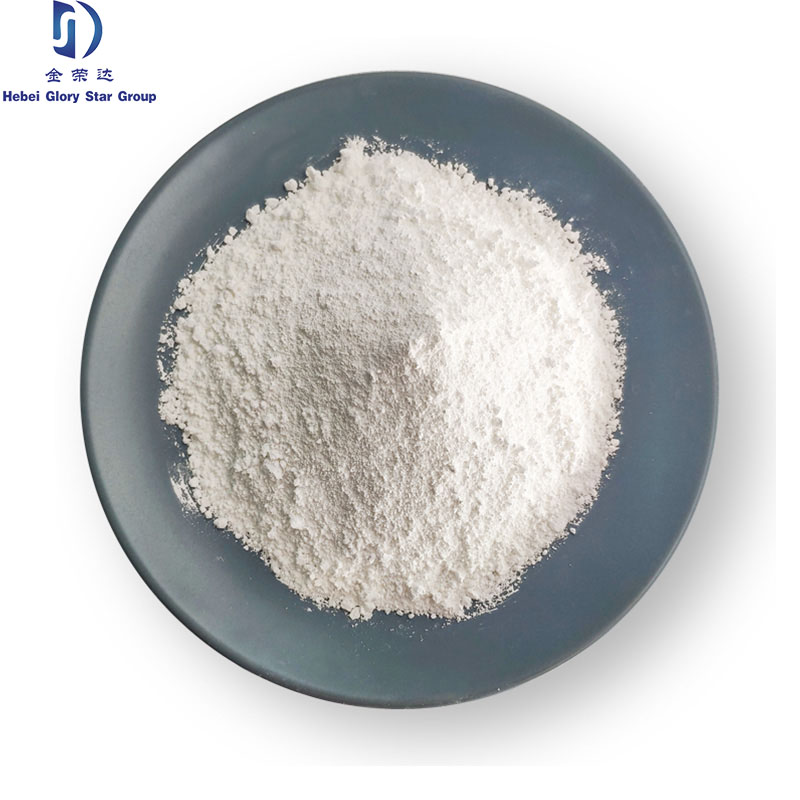
Coatings: boosts matte control, Hegman fineness, hiding, and scrub resistance. Rubber: improves anti-stick processing and abrasion behavior. Ceramics: stabilizes shrinkage; helps firing. Plastics (PP/PE/ABS): raises stiffness and HDT; surface-modified talcum powder can lift Izod impact vs. unmodified. Many customers say the flow improvement alone is worth the switch.
Service life in real projects: coatings 7–12 years outdoor (climate-dependent), plastics 5–10 years in automotive interiors, rubber 3–5 years in footwear/industrial goods; your mileage may vary with binder systems and UV exposure.
Vendor Comparison (snapshot)
| Vendor | Mesh Options | Whiteness | Certs | Lead Time | Customization |
|---|---|---|---|---|---|
| Glorystar Export (Hebei) | 800–3000 | ≈85–96% | ISO 9001, REACH, MSDS | 7–15 days | Surface-modified, tailored D50 |
| AsiaMinerals Co. | 600–2500 | ≈80–93% | ISO 9001 | 10–20 days | Limited |
| Local Distributor | 400–1250 | ≈78–90% | Basic COA | Stock-based | MOQ-dependent |
Customization and Safety Notes
Customization often includes surface treatment (stearic acid, silane) for plastics, tighter D97 for high-gloss coatings, and silo-ready bulk packaging. For safety, handle talcum powder as a fine mineral dust: follow OSHA/ACGIH exposure limits (respirable fraction ≈2 mg/m³), use local exhaust and suitable PPE, and request asbestos-free certification with ISO 22262 testing. REACH registration and GHS-compliant SDS should be on your shortlist before approval.
Quick Case Notes
- Coil coatings plant (SE Asia): switching to 1250 mesh talcum powder raised Hegman from 6.0 to 6.5 and cut sag by ~12% at equal PVC. Procurement said color consistency (L variation) improved week to week.
- PP automotive interior: using surface-modified talcum powder lifted flexural modulus ~15% and kept Izod impact within spec; VOC/odor stayed stable per OEM limits, which surprised the lab team, frankly.
Standards, Certifications, and References
Typically supplied with COA, ISO 9001, REACH, and asbestos-free report. Request test methods by number to keep audits smooth.
- ISO 3262-10: Extenders for paints—Specifications and methods of test—Part 10: Talc.
- ISO 787 series: General methods of test for pigments and extenders.
- ISO 13320: Particle size analysis—Laser diffraction methods.
- ISO 22262-1/-2: Bulk materials—Determination of asbestos content.
- OSHA 29 CFR 1910.1000: Air Contaminants—Talc (not containing asbestos).
- ECHA REACH Regulation (EC) No 1907/2006—Substance Registration and SDS.
- ACGIH TLV for talc (respirable particulate matter).
Post time: Oct-20-2025


.png "About")