
Understanding Vermiculite Rock: Why It Matters Around the World
If you’ve ever wondered about a mineral that quietly shapes industries, protects lives, and supports sustainability — vermiculite rock might be your new best friend. Globally, this naturally occurring mineral is prized for its lightweight, fire-resistant, and absorbent properties, making it an unsung hero from construction sites to disaster relief operations.
Why care about vermiculite rock? Because from improving soil health to insulating homes, it offers practical benefits with a surprisingly broad impact on economy and environment. In the next few minutes, you’ll get a solid grip on what vermiculite rock is, why it is so valuable, and how it fits into a global puzzle of responsible resource use.
Vermiculite Rock in the Big Picture: Industry & Global Significance
Vermiculite has found itself in the spotlight thanks to booming industries and urgent global challenges. According to United Nations ESCAP statistics, mineral-based products like vermiculite underpin essential infrastructure growth across Asia-Pacific and beyond. The ISO standards even classify vermiculite insulation for green building initiatives, signaling its role in reducing global carbon footprints.
Yet there’s a challenge: many regions face a shortage of affordable, sustainable materials suitable for extreme climates or emergency scenarios. Here, vermiculite rock steps in as both a technical and humanitarian solution, bridging the gap between nature’s gift and modern needs.
So, What Is Vermiculite Rock?
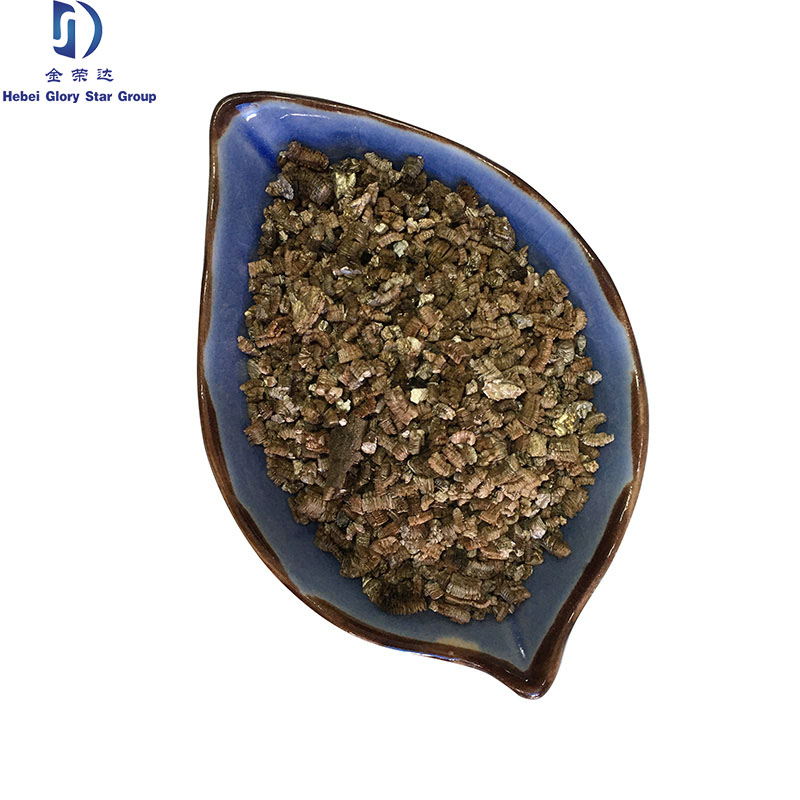
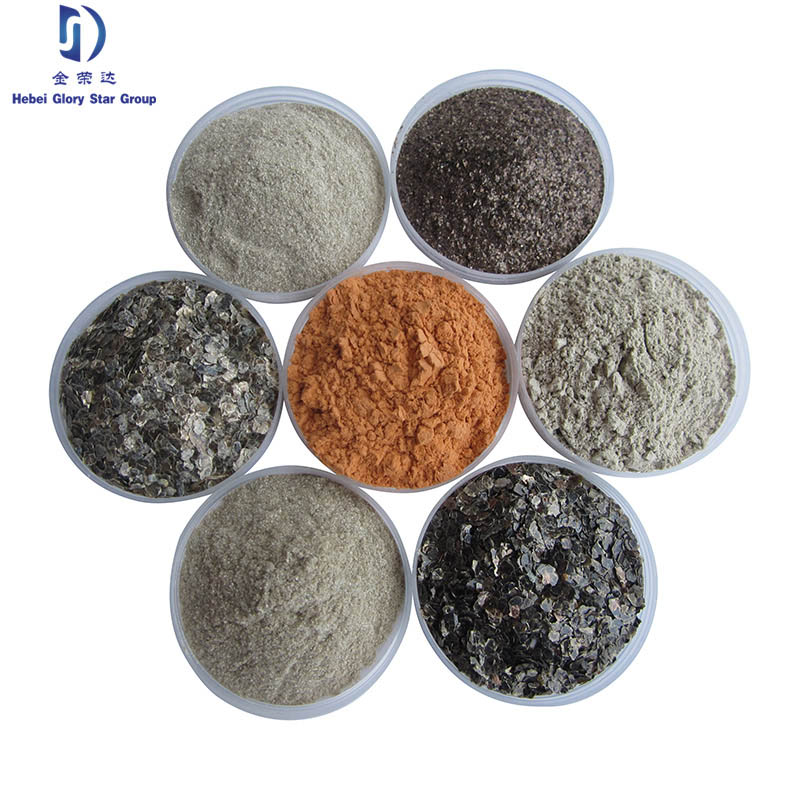
Imagine a mica-like mineral that expands when heated—this is vermiculite rock. It’s a hydrated laminar magnesium-aluminum-iron silicate, but don’t let the jargon scare you. When mined, it looks like a flaky, shiny rock, but once exfoliated (heated rapidly), it puffs into tiny, sponge-like particles.
This expanded form gives vermiculite unique qualities — lightweight, great thermal insulation, fire resistance, and moisture retention — making it a versatile player in agriculture, construction, and even specialized packaging. In essence, vermiculite rock ties natural mineral wealth directly to pressing human needs, from soil enrichment to safe shelter.
Key Characteristics That Make Vermiculite Rock Special
1. Thermal Insulation & Fire Resistance
Many engineers swear by vermiculite’s ability to withstand temperatures beyond 1000°C without breaking down. This makes it ideal for insulating furnaces, fireproofing buildings, or even protecting sensitive electrical components.
2. Lightweight & Expandability
When heated, vermiculite expands up to 30 times its original volume. It’s light as a feather—which means construction materials become easier to handle, transport, and use without compromising performance.
3. Moisture Retention and Aeration
Gardeners love vermiculite for its capacity to hold water and improve soil aeration. This combination aids seed germination and root growth, especially in reforestation projects or urban farming—hobbies and vital industries alike.
4. Chemical Inertness
Vermiculite won’t react with most chemicals or decompose easily, which lends itself well to packaging toxic or sensitive materials, plus uses in hydroponics and spill control.
Mini takeaway:
- Vermiculite rock’s versatility comes from its thermal, physical, and chemical properties, fitting numerous industrial and environmental roles.
- Its lightweight and expandable nature make logistics and handling much friendlier.
How Vermiculite Rock Is Used Worldwide
From the sprawling deserts of the Middle East to the tropical climates of South America, vermiculite finds a home. For example:
- Construction: In Europe and North America, vermiculite is a key ingredient in lightweight concrete and plaster, enhancing insulation while lowering energy costs.
- Agriculture: African and Asian nations rely heavily on vermiculite to boost soil quality, conserving water in drought-prone regions.
- Disaster Relief: Post-natural disaster, international organizations use vermiculite insulation panels to build quick, safe shelters resistant to fire and moisture.
- Industrial Packaging: Electronics manufacturers in East Asia use vermiculite-based fillers to protect delicate components during shipping.
Mini takeaway:
Vermiculite rock’s global footprint spans continents and sectors, proving its remarkable adaptability and essential value.
Practical Specifications of Vermiculite Rock
| Parameter | Description | Typical Value |
|---|---|---|
| Bulk Density (expanded) | Lightweight; affects insulation ability | 80-160 kg/m³ |
| Max Operating Temp. | Fire resistance threshold | 1100 °C |
| Water Absorption | Retention for horticulture or spill control | 1.2 - 1.5 ml/g |
| pH Range | Neutral to mildly alkaline | 7.0 - 9.5 |
| Expansion Ratio | Volume increase after exfoliation | Up to 30x |
Comparing Top Vermiculite Suppliers
| Supplier | Origin | Product Range | Quality Certifications | Specialty |
|---|---|---|---|---|
| Glory Star Export | India | Raw & exfoliated vermiculite | ISO 9001, ASTM compliant | Bulk export for agriculture & construction |
| Palabora Mining Co. | South Africa | Expanded vermiculite products | ISO 14001, CE certified | High-temperature insulation |
| Kaiser Vermiculite | USA | Horticulture & industrial grades | ASTM, US EPA approved | Eco-friendly soil amendments |
Long-Term Benefits: Why Vermiculite Rock Is a Smart Choice
Frankly, vermiculite rock offers a rare mix: sustainability, affordability, and performance. For one, its thermal insulation dramatically reduces energy consumption in buildings—cutting costs and pollution over decades. For humanity, improved soil water retention translates to better crop yields and food security, especially where water is scarce.
On another note, there’s an emotional dimension too. In disaster zones, shelters insulated with vermiculite feel safer, more livable — restoring dignity amid hardship. Innovation meets empathy here, a poignant reminder that materials are never just “stuff” but enablers of life and progress.
Looking Ahead: Future Trends in Vermiculite Applications
With global focus gravitating towards green construction and circular economies, vermiculite’s eco-friendly credentials are shining brighter. Industry insiders expect it to pair increasingly with recycled materials and smart automation in manufacturing.
Digital transformation promises real-time quality monitoring of vermiculite batches, leading to tailored mixes for highly specialized uses like enhanced thermal batteries or advanced horticulture systems. It’s an exciting time for this humble mineral — kind of poised for a quiet revolution.
Challenges & Practical Solutions
No product is without hurdles. Vermiculite mining is geographically limited to certain regions, sometimes producing inconsistent quality. Also, handling expanded vermiculite can create dust concerns, demanding proper safety measures.
Thankfully, expert manufacturers are refining extraction techniques and blending vermiculite with complementary materials to overcome these issues. Advanced packaging solutions, combined with moisture-sealed transport, are minimizing contamination and environmental footprint. It feels like a good balance of progress and respect for nature’s limits.
Frequently Asked Questions about Vermiculite Rock
- Q: How does vermiculite rock improve soil quality?
- Vermiculite enhances soil by retaining moisture and nutrients, creating aeration, and fostering root development. Its lightweight nature avoids compacting soil, which helps plants breathe and absorb vital minerals more effectively.
- Q: Is vermiculite safe for use in residential insulation?
- Yes, modern vermiculite products are carefully processed to remove harmful contaminants and are widely approved for insulation. However, older vermiculite (especially from certain mines) may contain asbestos and should be tested before use.
- Q: Can vermiculite be used in all climate zones?
- Vermiculite’s thermal and moisture control properties make it adaptable to a broad range of climates, from humid tropics to arid deserts. Proper installation and blending with other materials optimize its performance for local conditions.
- Q: What’s the delivery scope for bulk vermiculite suppliers?
- Top suppliers like Glory Star Export offer international bulk shipments, often tailoring order sizes and packaging to customer needs, including export documentation support for cross-border logistics.
Wrapping Up: Why Vermiculite Rock Deserves a Closer Look
All told, vermiculite rock is more than a mineral—it’s a multi-faceted resource that combines scientific ingenuity with practical human benefit. Whether you’re in construction, agriculture, or humanitarian work, understanding and utilizing vermiculite can open doors to cost savings, sustainability wins, and improved quality of life.
Curious to explore vermiculite rock for your projects? Visit Glory Star Export — they’re industry leaders with a strong track record of quality and commitment.
References & Further Reading
Post time: Nov-26-2025
.png "About")