

Understanding Vermiculite for Potted Plants: Why It Matters More Than You Think
If you’ve ever wondered what that funny flaky mineral you see in plant stores is, you’re not alone—vermiculite for potted plants is more than just a gardening quirk. Globally, it plays a surprisingly vital role in horticulture, botany, and even humanitarian projects related to soil conditioning and plant growth. Understanding this humble mineral unlocks benefits like better plant aeration, moisture retention, and even sustainability advantages, which are increasingly crucial as urban gardening and green initiatives grow worldwide.
The Global Context of Vermiculite in Plant Cultivation
The use of vermiculite is more than a backyard hobbyist’s trend. According to the United Nations Environmental Program, sustainable urban agriculture is rapidly growing — with an estimated 800 million people worldwide engaged in it. Vermiculite fits right into this picture by boosting soil quality and plant health without heavy chemical inputs.
In fact, ISO standards for horticulture increasingly promote organic soil amendments like vermiculite to address both food security and eco-responsibility. The core challenge it addresses? Soil degradation and inefficient water use, especially in water-scarce regions and urban environments.
Mini Takeaway: Vermiculite is a small mineral player in a big global movement towards sustainable and productive plant cultivation — making it more relevant every day.
What Exactly Is Vermiculite for Potted Plants?
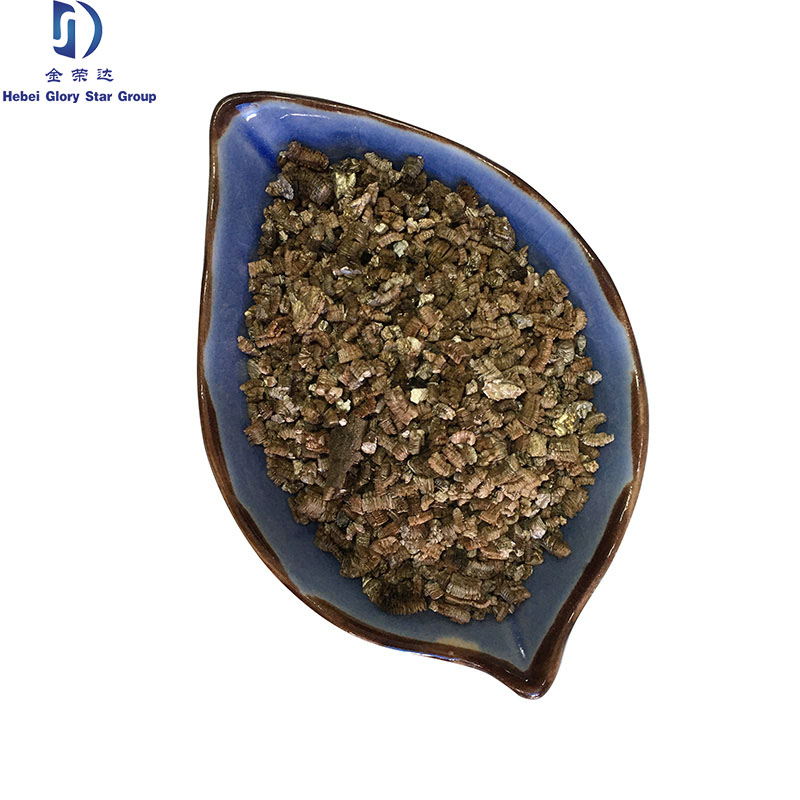
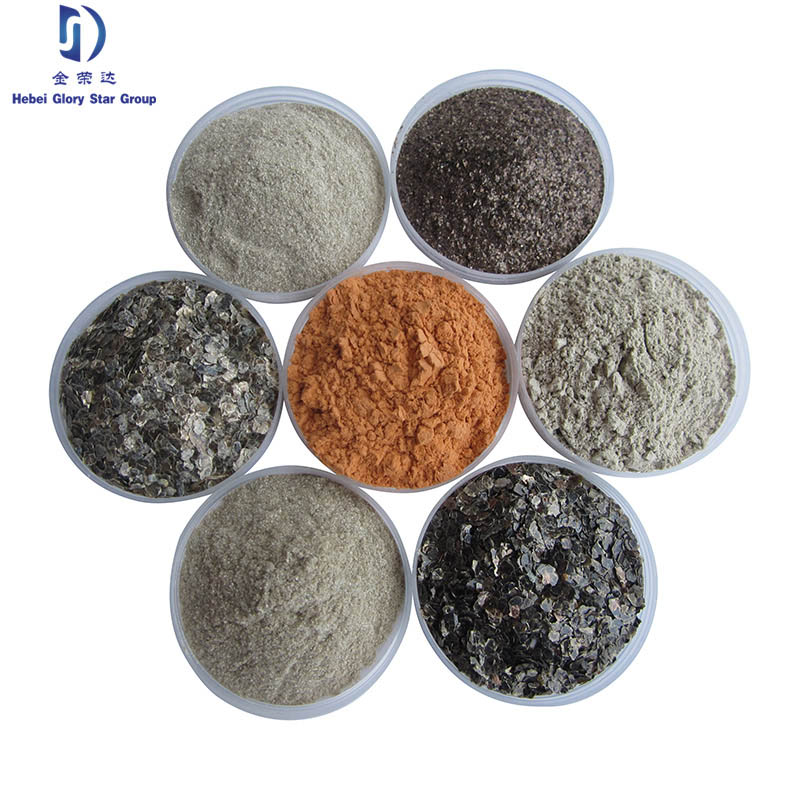
Vermiculite is a naturally occurring mineral that, when heated, expands into lightweight, accordion-like flakes. In the context of potted plants, it serves as an amendment to soil. Think of it as a sponge and air conditioner rolled into one: it holds water and nutrients while creating air pockets that help roots breathe—a nifty combo, right?
Its link to modern industry and humanitarian needs is through its role in enhancing crop yields and promoting greener landscapes without synthetic chemicals. In communities facing soil infertility or disrupted agriculture, vermiculite can be a simple, cost-effective fix. Oddly enough, it also finds applications in insulation and packaging, but for plants, it’s mainly about promoting healthy growth.
Key Aspects That Make Vermiculite Ideal for Potted Plants
1. Water Retention
Vermiculite can absorb several times its weight in water—making sure that potted plants don’t dry out quickly, reducing the frequency of watering, especially useful in hot or arid climates.
2. Aeration
The flaky texture creates tiny air pockets, preventing soil compaction and improving oxygen flow to roots—vital for healthy root respiration and preventing root rot.
3. Nutrient Holding Capacity
Unlike sand or perlite, vermiculite holds onto essential minerals like potassium, calcium, and magnesium, releasing them slowly to the plant.
4. Lightweight & Sterile
Its lightness reduces overall pot weight, and being naturally sterile, it’s free from pests or pathogens—a benefit for seed starting or sensitive plants.
5. pH Neutral
With a near-neutral pH, vermiculite doesn’t alter soil acidity, making it friendly for a wide variety of plants.
Mini Takeaway: The magic of vermiculite lies in balancing moisture, air, and nutrients—basically everything a thriving root system needs.
Real-World Uses of Vermiculite for Potted Plants Across the Globe
Take urban rooftop growers in New York using vermiculite-enriched soil mixes for better retention through summer heat waves. Or look at community gardens in drought-prone California, where every drop of water counts and vermiculite makes a notable difference.
International nonprofits leverage vermiculite to aid farmers in sub-Saharan Africa, improving poor soils without expensive fertilizers. In disaster relief settings, it’s used to help quickly establish green spaces that stabilize soil and provide fresh food.
Even commercial houseplant producers benefit by incorporating vermiculite into potting mixes to boost transplant success rates and reduce fungal issues—helping the supply chain with healthier plants delivered to stores.
Product Specifications of Common Vermiculite Grades for Potting Mixes
| Specification | Fine Grade | Medium Grade | Coarse Grade |
|---|---|---|---|
| Particle Size (mm) | 0.5 – 2.0 | >2.0 | |
| Water Holding Capacity | 3.5x weight | 3x weight | 2.5x weight |
| Bulk Density (kg/m³) | 90 – 130 | 80 – 110 | 70 – 100 |
| pH Range | 6.5 – 8.5 | 6.5 – 8.0 | 6.0 – 7.5 |
| Typical Applications | Seed starting, cuttings | General potting mix | Soil conditioning, mulching |
Comparing Leading Vermiculite Vendors: What to Look For
| Vendor | Origin | Grade Options | Price Range (per ton) | Sustainability Claims |
|---|---|---|---|---|
| Glory Star Export | South Africa | Fine, Medium, Coarse | $400 – $550 | Eco-friendly mining, low dust |
| Minerals Inc. | USA | Medium, Coarse | $450 – $600 | Energy-efficient beneficiation |
| EarthPure Ltd. | India | Fine, Medium | $350 – $500 | Community mining operations |
Why Choose Vermiculite? Advantages & Long-Term Value
Using vermiculite in your potted plants isn't just about aesthetics or quick results. It’s a long-term investment in plant health, water savings, and soil vitality. Many gardeners and urban growers notice fewer dead plants and less need for chemical fertilizers or frequent watering, which simply feels like a win.
Emotionally, there’s a satisfaction in knowing your garden is healthier and more sustainable—contributing a tiny bit to environmental upkeep. Logically, the cost efficiency gained by reducing fertilizer and water use balances the initial purchase price over time.
Future Trends: Innovations on the Horizon
The world of vermiculite is quietly evolving. Researchers are looking into nano-scale vermiculite particles to deliver nutrients more precisely. Moreover, there is a push to combine vermiculite with biochar or other organic matter for super soil mixes that sequester carbon efficiently.
Policy-wise, some countries are restricting peat use—which often goes hand-in-hand with vermiculite in potting mixes—paving the way for vermiculite to take center stage as a sustainable alternative. Digital soil sensors combined with vermiculite-enhanced substrates are helping growers optimize watering schedules, blending technology and tradition.
Challenges and How Experts Suggest Facing Them
Of course, vermiculite isn’t perfect. It can compact over time if not mixed correctly and may be costlier than locally available alternatives like sand or perlite. Not all grades are equal, so sourcing from reputable vendors matters a lot.
Experts suggest blending vermiculite with organic compost and ensuring good drainage to avoid waterlogging—a killer for many plants. Also, educating growers on the right application prevents misuse. Thankfully, vendors like Glory Star Export provide detailed technical sheets and recommendations, which is a huge plus.
FAQ: Frequently Asked Questions About Vermiculite for Potted Plants
Q1: How much vermiculite should I mix with potting soil for optimal growth?
A: Typically, mixing vermiculite at a 1:3 ratio (vermiculite to potting mix by volume) works well for most potted plants. This ensures good aeration and moisture retention without oversaturating the soil.
Q2: Can vermiculite improve soil for succulents and cacti?
A: Vermiculite holds water well, which succulents and cacti dislike if overdone. For these plants, mixing vermiculite with more porous materials like perlite or sand helps maintain drainage while improving nutrient retention.
Q3: Is vermiculite safe indoors and around pets?
A: Yes, vermiculite is non-toxic and safe indoors. However, always avoid breathing in dust during handling, and gently water to settle the material to minimize airborne particles.
Q4: Where is vermiculite typically sourced from?
A: Major mining regions include South Africa, the USA, and India. Responsible sourcing focuses on minimizing environmental impact, and vendors often provide certification regarding mining practices.
Q5: How does vermiculite compare to perlite for potting plants?
A: Vermiculite holds more water and nutrients, while perlite offers better aeration and drainage. Many growers combine both to balance these qualities based on the plant’s needs.
To Sum It Up: Why Vermiculite Should Be Part of Your Planting Strategy
Whether you’re an urban gardener experimenting on your balcony or a large-scale grower pushing for sustainable soil amendments, vermiculite for potted plants proves its worth daily. Its water-holding capacity, nutrient retention, and ability to keep soil airy create a nurturing environment very few other minerals offer. For those curious to explore or scale their growing potential, Glory Star Export is a great place to start sourcing trusted vermiculite.
As global demands for green spaces and food security rise, so will the importance of such natural, efficient solutions. You might say vermiculite is quietly helping make our world a little greener, one potted plant at a time.
References:
Post time: Nov-26-2025



.png "About")