

Understanding Vermiculite Price: Why It Matters in Today's Global Markets
If you’ve ever dabbled in gardening, construction, or even disaster relief logistics, chances are you’ve bumped into the term “vermiculite.” Now, what’s often overlooked is the economics behind it — the vermiculite price — and why it’s a crucial barometer for sectors ranging from agriculture to insulation. At first glance, vermiculite might seem like just another industrial mineral, but its pricing and availability actually ripple across global supply chains, sustainability efforts, and even humanitarian projects.
In a nutshell, understanding vermiculite price is about grasping how a small, flaky mineral fits into massive webs of industry and aid. It’s a classic example of something seemingly niche but surprisingly impactful.
The Global Landscape: Why Vermiculite Price Captures Industry Attention
Globally, vermiculite is mined mainly in the US, South Africa, China, and Brazil — and these geographic concentrations impact the market price significantly. According to the United Nations Commodity Trade Statistics Database (UN Comtrade), the global trade volume of vermiculite has hovered around several hundred thousand metric tons annually, with market prices fluctuating based on demand from agriculture, construction, and industrial insulation sectors.
World Bank data reveals a growing demand for lightweight and fire-resistant building materials, in which vermiculite is a key player. Yet, inconsistent supply chains, geopolitical tensions, and transportation costs create pricing instability, posing challenges for manufacturers and end-users alike. With rising costs for energy and raw materials worldwide, vermiculite price becomes a kind of thermometer for certain industry health indicators.
Oddly enough, despite its long use—dating back centuries—modern industries still wrestle with how to maintain cost efficiency while ensuring quality when sourcing vermiculite.
What Exactly Is Vermiculite Price?
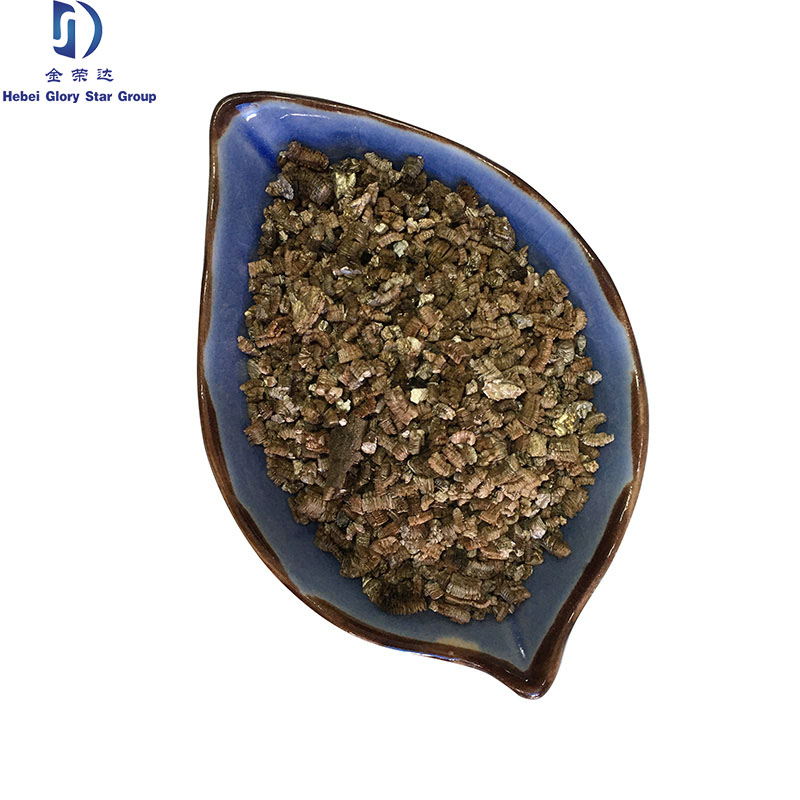
Simply put, vermiculite price refers to the market cost per unit (usually per metric ton or cubic meter) of vermiculite, an exfoliated mineral that's used as a soil conditioner, insulation material, and filler in construction.
This price is influenced by extraction costs, processing methods, market demand, transportation, and geopolitical factors. It’s not just a number; it reflects the practical availability of vermiculite in industries such as horticulture (where it improves soil aeration), refractory materials for high-temperature processes, and protective packaging.
In humanitarian contexts—think post-disaster relief—vermiculite’s affordability and thermal properties can make it desirable for quick shelters and insulation. Thus, vermiculite price isn’t just academic; it directly impacts project planning and budgeting worldwide.
Key Factors Shaping Vermiculite Price
Extraction and Processing Costs
Mining vermiculite involves opening quarries, often in remote regions, then exfoliating the ore by heating. Energy requirements and labor costs directly affect the final price. For instance, higher fuel costs mean pricier vermiculite, which can particularly hurt small-scale consumers.
Quality and Grade
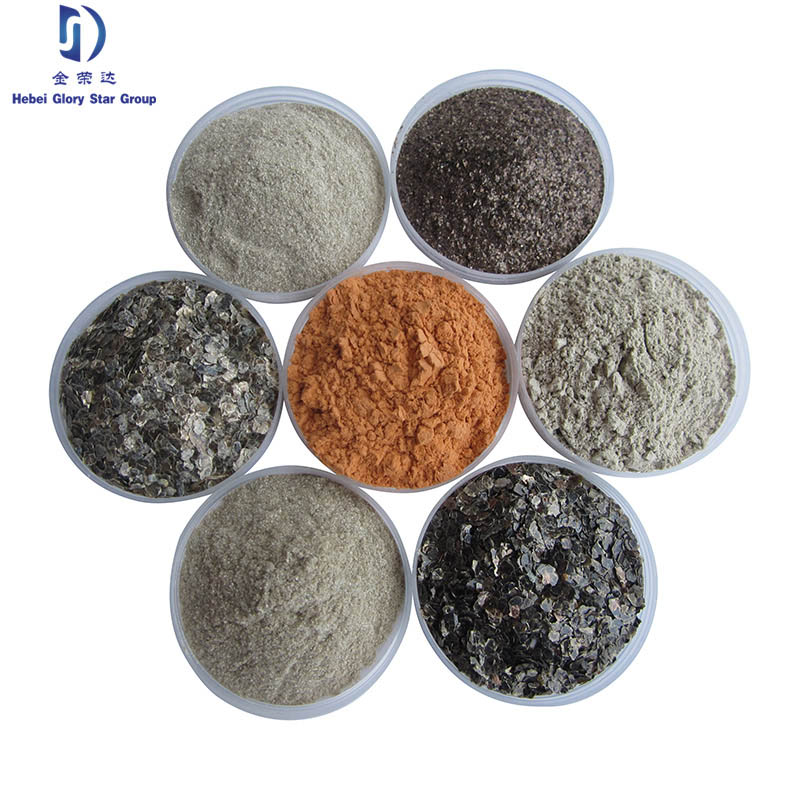
Not all vermiculite is created equal. For agricultural uses, fine grades that improve water retention are preferred, whereas construction might need coarser grades with better fire resistance. Higher purity and specific particle size push the cost up.
Transportation and Logistics
Given vermiculite’s lightweight but bulky nature, shipping fees—especially cross-continent—can spike prices unexpectedly. Producers close to ports or rail hubs generally offer better pricing.
Demand Fluctuations
Seasonal changes in agriculture and construction schedules create volatility. For example, peak building seasons hike demand, nudging prices upward.
Regulatory and Environmental Compliance
Mining regulations and environmental impact assessments add operational expenses. Increasingly strict rules have nudged some producers to invest in cleaner, but costlier, methods—priced into the vermiculite cost.
Currency Exchange Rates
For global buyers who deal in multiple currencies, exchange rate swings can translate into unexpected price shifts.
Mini Takeaway: Vermiculite price oscillates based on a complex mix of mining costs, quality specs, logistics, and global economics — a cocktail of forces that every buyer should keep an eye on.
Typical Specification for a High-Quality Vermiculite Product
| Specification | Parameter | Typical Value |
|---|---|---|
| Bulk Density | kg/m³ | 80 - 200 |
| Grade Size | Mesh size (US Sieve) | 4 - 40 |
| Thermal Conductivity | W/m·K | 0.06 - 0.08 |
| Moisture Content | Percentage | 1 - 3% |
| pH Level | - | 7.0 - 9.0 |
Where Vermiculite Price Makes a Difference: Global Applications and Use Cases
In agriculture, vermiculite enhances soil aeration and water retention, crucial in drought-prone regions like parts of Africa and Australia. For growers, a stable vermiculite price means predictable input costs.
In construction, especially in North America and Europe, vermiculite is prized for its fire resistance and insulation qualities. Builders rely on steady pricing to plan materials for energy-efficient homes.
Humanitarian organizations, like the Red Cross or FEMA, use vermiculite in post-disaster relief for temporary shelter insulation, especially in cold climates. When vermiculite prices spike, such relief efforts face tougher budgeting constraints.
Manufacturers of lightweight concrete or refractory bricks also monitor vermiculite pricing carefully. In Asia’s booming industrial zones, slight price changes can drastically affect profit margins.
Vendor Comparison: Vermiculite Pricing and Key Features
| Vendor | Price Per Ton (USD) | Typical Grade | Shipping Options | Key Markets |
|---|---|---|---|---|
| MineralCo USA | $350–420 | Coarse 8-16 Mesh | Rail, Truck | NA, Europe |
| Verm-Asia Traders | $320–400 | Fine 20-40 Mesh | Sea Freight | Asia, Australia |
| Green Earth Minerals | $370–450 | Mixed Grades | Truck, Rail | EU, NA |
| South Africa Minerals | $300–380 | Medium 12-24 Mesh | Sea Freight, Rail | Africa, EU |
Advantages and Long-Term Value of Monitored Vermiculite Pricing
- Cost predictability: Close tracking avoids sudden budget overruns in projects.
- Environmental sustainability: Efficient sourcing reduces mining waste and supports greener constructions.
- Reliability and availability: Stable pricing usually means stable supply chains, essential for large-scale manufacturers and aid groups.
- Improved innovation: When prices are reasonable, industries experiment more freely with new composites and insulation techniques.
- Social impact: Affordable vermiculite helps communities by enabling better infrastructure, especially in developing regions.
Looking Forward: Trends Shaping Vermiculite Pricing
Green technology pushes for lower-carbon mining and smarter logistics, which might raise upfront costs but promise longer-term savings—both financial and environmental. Digital platforms now offer real-time pricing updates and inventory tracking, making vermiculite price more transparent than ever before.
Automation in exfoliation processes improves quality consistency, which could influence pricing tiers. Also, policies promoting circular economies might encourage recycling mineral-based insulation materials, shifting some demand patterns.
Challenges and Practical Solutions in Vermiculite Sourcing
Price volatility remains a headache due to geopolitical risk, energy price swings, and supply bottlenecks. Smaller buyers in remote regions often pay a hefty premium.
Industry experts suggest:
- Bulk purchasing agreements to smooth out price fluctuations.
- Partnering with regional suppliers to cut shipping costs.
- Investing in predictive analytics for better budgeting.
- Encouraging diversification into alternative mineral additives where appropriate.
Frequently Asked Questions About Vermiculite Price
1. What are the main factors influencing vermiculite price fluctuations?
The key influences include extraction costs, energy prices, transportation fees, demand cycles tied to agriculture and construction, and geopolitical factors affecting mining regions.
2. How can I get the best vermiculite price for bulk purchases?
Consider negotiating with vendors for volume discounts, opting for local or regional suppliers to minimize high freight costs, and timing your purchases outside peak demand seasons.
3. Are there significant quality differences that affect vermiculite pricing?
Yes. Grades vary widely from fine to coarse, each tailored for specific uses. Higher purity and precise mesh sizes normally cost more but deliver better performance.
4. Is vermiculite price expected to rise with green energy transitions?
Likely yes, in the short term, as mining adopts cleaner but more expensive methods. However, these investments may stabilize prices and reduce environmental impact over time.
5. Can NGOs procure vermiculite affordably for disaster relief across borders?
NGOs usually work with specialized suppliers offering favorable terms, but must plan for customs, shipping delays, and currency fluctuations to keep costs manageable.
Conclusion
In real terms, tracking and understanding vermiculite price isn’t just about numbers—it’s about optimizing access to a versatile mineral that supports agriculture, construction, and crucial humanitarian efforts worldwide. Grasping its nuances helps businesses forecast better, innovate confidently, and support communities sustainably.
For up-to-date vermiculite pricing and sourcing options, definitely check out our website. Staying informed is the first step toward smart buying decisions.
References:
Post time: Dec-01-2025
.png "About")