

Understanding Vermiculite Price Per Kg: Why It Matters Globally
Vermiculite price per kg might sound like just another commodity detail, but it’s actually a bellwether for industries ranging from agriculture to construction worldwide. This mineral, known for its lightweight, absorbent, and fire-resistant properties, plays a surprisingly critical role in many sectors. Knowing the price of vermiculite per kilogram helps businesses plan sustainably, manage costs, and even make humanitarian relief logistics more efficient.
In a world increasingly aware of resource efficiency and environmental impact, understanding the economics behind vendors’ vermiculite pricing can unlock smarter sourcing decisions — whether you run an urban farm, manufacture insulation materials, or coordinate emergency supplies.
Global Context: Why Vermiculite Pricing Is More Relevant Than Ever
Globally, markets for industrial minerals have seen sharp fluctuations, driven by supply chain challenges and growing demand. According to UN trade data and World Bank resources, vermiculite exports have risen steadily in emerging countries. The demand surge comes from construction booms in Asia-Pacific and Africa plus a pivot toward eco-friendly materials in Europe and North America.
However, one core challenge looms: how to balance cost with quality and sustainability. Vermiculite pricing per kg directly impacts this balancing act because it influences how easily industries can shift to greener insulation, soil conditioning, or fireproofing solutions without overshooting budgets.
So, understanding vermiculite price per kg impacts much more than just your bottom line — it folds into global efforts for sustainable growth and disaster resilience.
Quick takeaway:
- The price of vermiculite per kg is a key market indicator reflecting supply & demand trends globally.
- It influences strategic resource allocation in sustainable industries and humanitarian aid.
What Exactly Does Vermiculite Price Per Kg Mean?
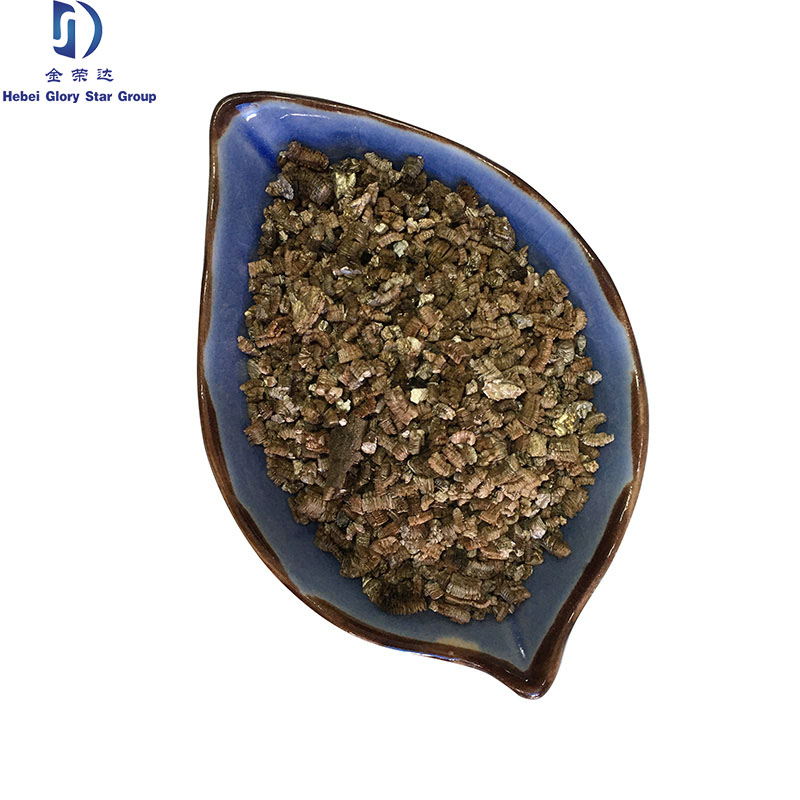
In simple terms, “vermiculite price per kg” is the cost to purchase one kilogram of vermiculite — that’s the lightweight, flaky mineral often heated and expanded for various applications. Since this price can vary based on grade, purity, processing methods, and shipping, it’s a benchmark for buyers worldwide to compare offers and plan investments.
Think of it as the “exchange rate” for this mineral. It helps manufacturers know if they can afford to scale up production or if NGOs can budget for enough materials for rebuilding efforts in disaster zones.
What Influences Vermiculite Price Per Kg? Core Components Explained
1. Quality & Grade
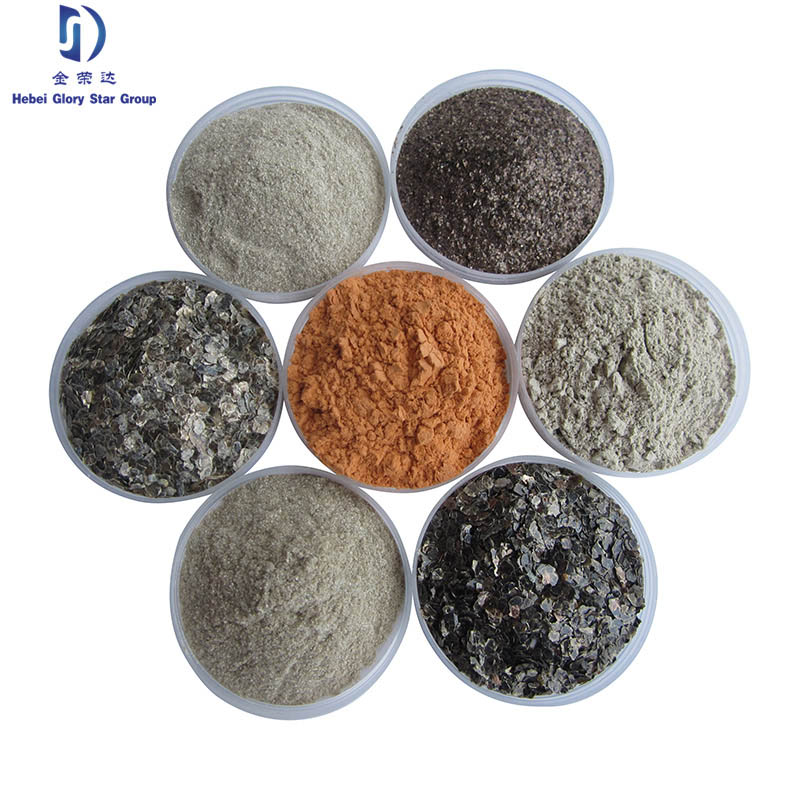
Not all vermiculite is created equal. Prices fluctuate with purity level, particle size, and expansion volume. Higher-grade vermiculite, often used in fireproofing or aerospace insulation, commands a premium. Lower grades might suffice for soil amendments.
2. Processing & Treatment
Raw vermiculite is usually heat-treated (exfoliated) to expand it and enhance utility. The sophistication of this process influences cost. For example, micronized or treated variants designed for controlled-release fertilizers might cost more.
3. Logistics & Supply Chain
Because vermiculite mines are geographically limited—mostly South Africa, USA, China—shipping costs and tariffs have a large effect on the final price per kg delivered. Disruptions or long transport routes bump prices sharply.
4. Market Demand & Industry Trends
When construction spikes or agriculture seasons ramp up, demand surges, reflecting in price increases. Similarly, supply shortages due to mining restrictions can inflate costs temporarily.
5. Sustainability Certification & Compliance
Increasingly important: vermiculite sourced under environmental and social compliance standards may cost more but appeal to green-conscious buyers.
Mini takeaway:
- Price per kg includes factors from raw quality to global logistics.
- Understanding these helps you anticipate cost changes before they hit your budget.
Real-World Applications Influenced by Vermiculite Pricing
Vermiculite’s price per kg directly affects its usage in diverse sectors:
- Agriculture: As a soil conditioner and carrier for fertilizers, farmers depend on affordable vermiculite to enhance crop yields sustainably.
- Construction: Lightweight vermiculite boards and plasters aid insulation and fireproofing — crucial for energy-efficient buildings in cold and hot climates alike.
- Disaster Relief & Humanitarian Aid: Vermiculite’s thermal and moisture control properties help build temporary shelters that are safer and more comfortable, especially when budgets are tight.
- Industry & Manufacturing: Used as a packing material for hazardous chemicals or as a thermal barrier in steel production, cost considerations here impact safety and operational efficiency.
For instance, in remote industrial zones of South Africa, affordable vermiculite enables safer chemical transport, while in post-earthquake Nepal, NGOs rely on cost-effective vermiculite insulating materials for quick housing rebuilds.
Mini takeaway:
- Low and stable vermiculite pricing enables broad applications from farming to emergency shelter construction.
- Fluctuations often dictate project feasibility, especially in resource-constrained areas.
Product Specifications: Typical Vermiculite Grades and Pricing
| Grade | Typical Use | Typical Price (USD per kg) | Expansion Volume (ml/g) |
|---|---|---|---|
| Horticultural | Soil conditioner, seed germination | $0.15 - $0.30 | 8 - 10 ml/g |
| Industrial Insulation | Fireproof boards, heat barriers | $0.50 - $1.20 | 12 - 15 ml/g |
| Agricultural Carrier | Controlled-release fertilizers | $0.40 - $0.70 | 9 - 12 ml/g |
Comparing Top Vermiculite Vendors
| Vendor | Base Price per kg (USD) | Minimum Order | Key Markets | Sustainability Certification |
|---|---|---|---|---|
| MineralPros Ltd. | $0.25 | 500 kg | Africa, Asia | ISO 14001 |
| EcoMica Corp. | $0.45 | 1000 kg | Europe, North America | FSC Certified |
| VermiTrade Global | $0.30 | 750 kg | South America, Asia | None |
Advantages and Long-Term Value of Monitoring Vermiculite Price Per Kg
From a cost perspective, tracking vermiculite pricing supports budgeting accuracy and avoids nasty surprises during scaling. More than money, it touches sustainability — cheaper but lower quality can mean more waste, whereas investing upfront in premium vermiculite might reduce replacement cycles.
There’s also a social impact angle. Especially in humanitarian aid, affordability means dignity and safety for displaced communities relying on vermiculite-insulated shelters. This creates a kind of trustworthiness between suppliers and recipients that is hard to measure but unmistakable in outcomes.
Frankly, the smarter your insight into vermiculite price per kg trends, the more adaptable, resilient, and innovative your projects become.
Emerging Trends and Innovations
- Green Vermiculite: Suppliers increasingly focus on reducing mining environmental footprint supported by UN Sustainable Development Goals.
- Digital Pricing Platforms: Automated market updates help buyers catch price dips or spikes in real-time, optimizing orders.
- Custom Blends & Nanotech: New formulations mix vermiculite with other minerals for enhanced insulation or slower nutrient release.
In a way, it feels like vermiculite pricing is evolving from a mere number into a signal of how the mineral economy fits into a carbon-neutral future.
Challenges and How to Navigate Them
Common hurdles include unpredictable shipping delays raising costs or quality inconsistency between batches. Experts suggest building relationships with multiple vendors and testing products frequently. Additionally, investing in local processing plants can lower costs but requires capital.
Another approach is working with logistics partners who understand mineral freight nuances—sometimes that makes a difference of pennies per kg but adds up massively.
FAQ: What You Might Be Wondering About Vermiculite Price Per Kg
Q1: Why does vermiculite price per kg vary so much between suppliers?
A: Differences come from quality grades, processing methods, mining location, and logistics costs. A supplier near mines with efficient processing might offer lower prices, while companies meeting stricter environmental standards tend to have higher costs.
Q2: How does vermiculite price affect agricultural productivity?
A: Affordable vermiculite allows farmers to enrich soils more widely, improving water retention and nutrient delivery. Fluctuating costs can limit access, impacting yields and sustainability.
Q3: Can NGOs negotiate better vermiculite prices for disaster relief?
A: Yes, by ordering in bulk and establishing long-term supplier relationships, NGOs often get volume discounts. Partnering with local distributors can also reduce shipping costs, making materials more affordable.
Q4: Is paying more for sustainably sourced vermiculite worth it?
A: Generally, yes. Sustainable sourcing supports environmental preservation and social responsibility, which can align with funding criteria and long-term project success.
Q5: How often should I monitor vermiculite price per kg if I’m a regular buyer?
A: Best practice is quarterly checks unless you have a high-volume operation, where monthly tracking might prevent costly surprises due to market volatility.
In Closing: The Takeaway on Vermiculite Price Per Kg
Understanding vermiculite price per kg isn’t just about numbers—it’s about building a sustainable, responsive supply chain that fuels innovation across industries and safeguards lives in times of crisis. The key is balancing cost with quality and keeping a finger on global trends.
For anyone looking to secure their vermiculite needs, keeping updated on pricing and vendor comparisons is essential. To dive deeper and get tailored quotes, visit our website — it’s a resource that can save you time and ensure smarter purchasing decisions.
References
Post time: Dec-01-2025
.png "About")