Mica rock, a naturally occurring mineral, is gaining increasing prominence across a diverse range of industries globally. Its unique properties—including thermal stability, dielectric strength, and flexibility—make it indispensable in applications ranging from cosmetics and paints to electronics and aerospace. Understanding the sourcing, processing, and applications of mica rock is crucial for informed decision-making in supply chains and product development, particularly as ethical concerns surrounding its mining practices grow.
The global mica rock market is experiencing significant growth, driven by rising demand for electric vehicles (EVs), smartphones, and other high-tech products. Major producing countries include India, Russia, and China, but concerns over child labor and hazardous working conditions in some of these regions are prompting increased scrutiny from international organizations like the UN and ISO. This necessitates a shift towards responsible sourcing and sustainable mining practices, promoting transparency and worker safety.
Ultimately, a thorough comprehension of mica rock—its characteristics, applications, and associated challenges—is vital for fostering innovation, ensuring supply chain resilience, and promoting ethical business practices in a rapidly evolving global landscape. mica rock quality and origin are now key considerations for many industries.
Defining mica rock and its Industrial Significance
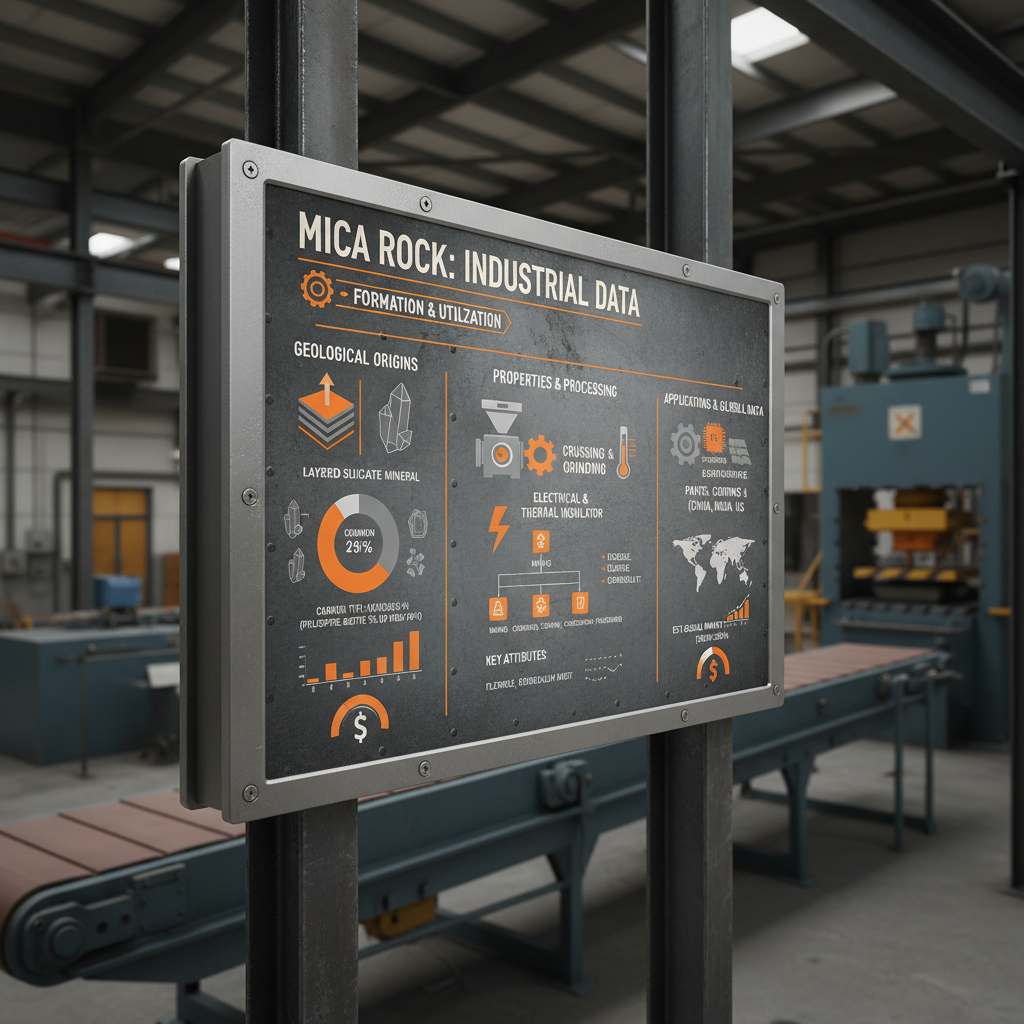
Mica rock is a sheet silicate mineral known for its perfect basal cleavage, meaning it readily splits into thin, flexible, and relatively transparent sheets. It's composed of various silicate minerals like muscovite, biotite, phlogopite, and lepidolite, each with slightly different chemical compositions and properties. This composition contributes to its impressive thermal stability and electrical insulating capabilities.
The industrial importance of mica rock stems from these unique properties. It’s a crucial component in a vast array of products, including insulation materials for electrical and electronic devices, paints for enhanced durability and sheen, cosmetics for shimmer and texture, and even drilling fluids to prevent borehole collapse. mica rock is essential for modern technologies.
Global Relevance and Market Dynamics of mica rock
Globally, the mica rock market is intricately tied to the growth of several key industries, including automotive, construction, and, most significantly, electronics. The escalating demand for electric vehicles (EVs), which rely heavily on mica for battery insulation and thermal management, is a major driver of market expansion. Asia-Pacific currently dominates the market, with India and China being the primary producers and consumers, owing to their robust manufacturing sectors.
However, the mica rock industry faces increasing scrutiny due to ethical concerns surrounding its mining practices, particularly in India. Reports of child labor, hazardous working conditions, and illegal mining operations have led to calls for greater transparency and responsible sourcing. The industry is responding with initiatives aimed at traceability, certification, and improved worker welfare.
According to recent reports from the World Bank and industry analysts, the global mica rock market is projected to reach substantial growth figures in the coming years, signifying the continued importance of this versatile mineral in numerous applications.
The Core Properties of mica rock
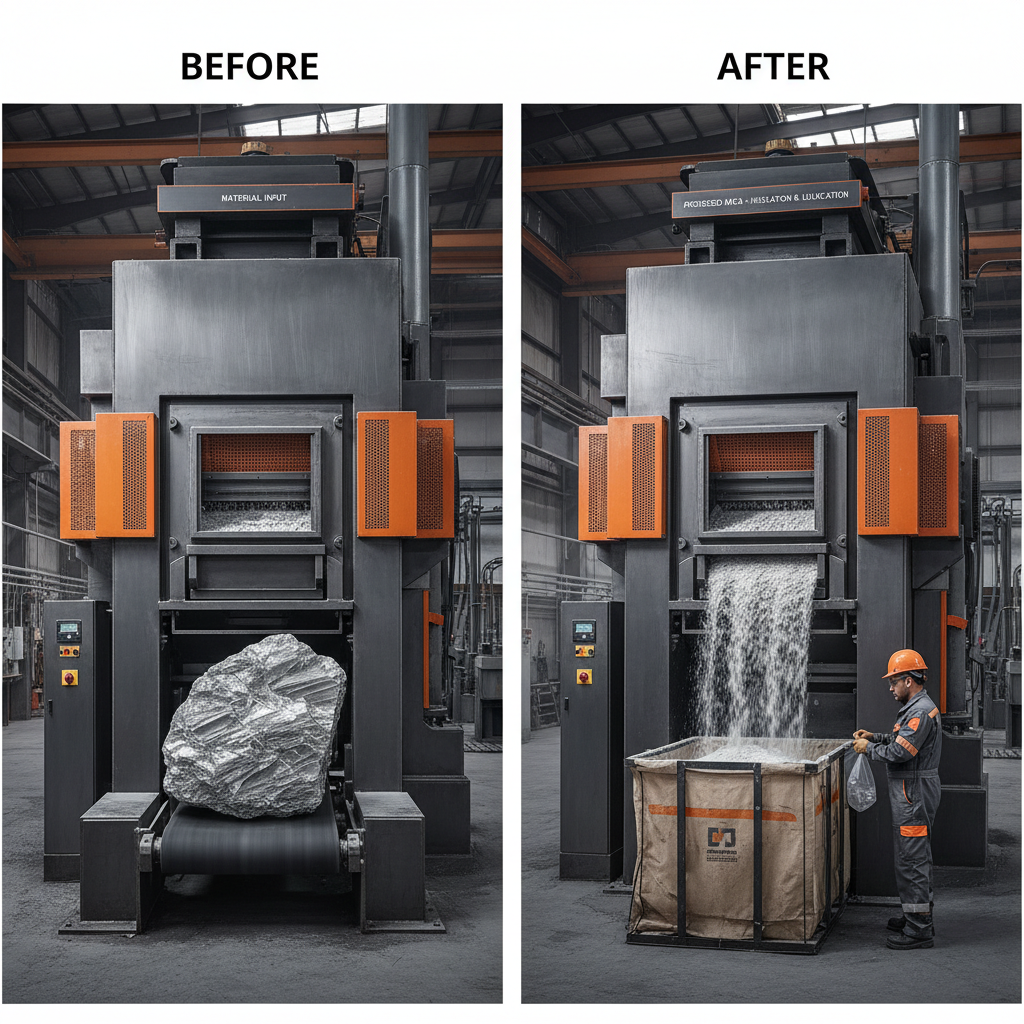
The exceptional properties of mica rock are fundamental to its diverse applications. First and foremost is its perfect basal cleavage, enabling it to be split into extremely thin sheets without fracturing. This makes it ideal for applications requiring insulation, flexibility, and optical clarity.
Beyond cleavage, mica rock exhibits remarkable thermal stability, resisting decomposition at high temperatures. It also boasts exceptional dielectric strength, making it an excellent electrical insulator. Its resistance to chemicals and weathering further extends its utility in various industrial settings. These qualities make mica rock a sought-after material.
Finally, the wide range of colors and shimmering appearances available in different types of mica – from the silvery luster of muscovite to the dark hue of biotite – contributes to its appeal in cosmetics and decorative applications. The specific properties vary based on the chemical composition of each mica type.
Key Applications of mica rock Across Industries
Mica rock’s unique properties translate into a wide range of applications across multiple industries. In the electronics sector, it serves as an essential insulator in capacitors, circuit boards, and other components, preventing short circuits and ensuring reliable performance.
The construction industry utilizes mica rock in paints to enhance durability, weather resistance, and aesthetic appeal. It's also added to roofing materials for improved fire resistance and longevity. In the automotive sector, mica-based materials are used in undercoating, brake linings, and as fillers in plastics.
Application Distribution of mica rock
Regional Production and Consumption Patterns of mica rock
Asia-Pacific is the undisputed leader in both mica rock production and consumption, accounting for over 80% of the global market share. India dominates production, boasting vast reserves and a long history of mica mining. China is the largest consumer, driven by its massive electronics manufacturing industry.
Other significant producers include Russia, Brazil, and the United States, but their production volumes are considerably lower than India's. North America and Europe represent substantial consumer markets, primarily for high-end applications in electronics, cosmetics, and specialty paints. Growing demand in emerging economies in Africa and South America is also contributing to shifting consumption patterns.
Advantages and Long-Term Value of Utilizing mica rock
Utilizing mica rock offers numerous advantages across various industries. Its superior insulating properties translate into enhanced safety and efficiency in electrical applications. Its thermal stability contributes to the longevity and reliability of high-temperature components. Its resistance to chemicals and weathering reduces maintenance costs and extends product lifecycles.
Furthermore, mica rock presents a long-term value proposition through its sustainable sourcing potential. By prioritizing responsible mining practices and promoting traceability, we can mitigate ethical concerns and ensure a consistent supply of this essential mineral for future generations.
Sustainable Practices and Future of mica rock Mining
The future of mica rock mining hinges on the adoption of sustainable and ethical practices. This includes investing in technologies to minimize environmental impact, such as reducing water consumption and restoring mined land. It also necessitates implementing rigorous labor standards and ensuring fair wages and safe working conditions for miners.
Innovation in processing techniques, such as developing methods to extract mica from waste materials, can further enhance sustainability. The growing demand for ethically sourced materials is also driving the development of traceability systems that allow consumers to verify the origin of mica and ensure it hasn't been produced through exploitative practices.
Looking ahead, the demand for mica rock is expected to continue to grow, driven by the expansion of electric vehicles, renewable energy systems, and advanced electronics. Prioritizing sustainability will be crucial to meeting this demand responsibly and securing the long-term viability of the industry.
Summary of Sustainability Indicators for mica rock Mining Operations
| Environmental Impact |
Labor Standards |
Traceability & Transparency |
Community Engagement |
| Land Degradation (Score 1-10) |
Child Labor Risk (Score 1-10) |
Supply Chain Visibility (Score 1-10) |
Local Benefit Sharing (Score 1-10) |
| Water Usage Efficiency (Score 1-10) |
Worker Safety Training (Score 1-10) |
Certification Standards (Score 1-10) |
Employment Opportunities (Score 1-10) |
| Waste Management Practices (Score 1-10) |
Fair Wage Compliance (Score 1-10) |
Auditing Frequency (Score 1-10) |
Infrastructure Development (Score 1-10) |
| Air Quality Control (Score 1-10) |
Grievance Mechanisms (Score 1-10) |
Data Disclosure Transparency (Score 1-10) |
Educational Support Programs (Score 1-10) |
| Biodiversity Protection (Score 1-10) |
Health & Wellness Programs (Score 1-10) |
Origin Verification (Score 1-10) |
Skills Development Initiatives (Score 1-10) |
| Rehabilitation Efforts (Score 1-10) |
Worker Representation (Score 1-10) |
Independent Verification (Score 1-10) |
Healthcare Access (Score 1-10) |
FAQS
Mica rock is extensively used in the electronics industry due to its exceptional dielectric strength and thermal stability. It serves as an insulator in capacitors, preventing short circuits and ensuring efficient energy storage. It's also used in circuit boards, high-frequency transformers, and microwave devices, where its ability to withstand high temperatures and voltage is crucial. Its inherent properties ensure the reliability and longevity of electronic components.
Mica rock, when used as a pigment in automotive paints, enhances their durability and resistance to weathering, UV radiation, and scratches. This prolonged lifespan reduces the frequency of repainting, lowering the demand for new paint production and minimizing waste. Furthermore, mica-based paints offer improved color stability and gloss retention, contributing to a longer-lasting and aesthetically pleasing finish, aligning with sustainable automotive manufacturing practices.
Muscovite and biotite are two of the most common types of mica rock, differing in their chemical composition and resulting properties. Muscovite is a white or colorless mica, known for its excellent transparency and high insulating properties, making it ideal for electrical applications. Biotite, on the other hand, is a dark brown or black mica containing iron and magnesium. While still possessing good insulating qualities, biotite is less transparent and often used in construction materials and as a filler in paints.
Yes, there are significant ethical concerns, particularly surrounding mica mining in certain regions, notably India. Reports have documented the use of child labor, unsafe working conditions, and illegal mining practices. These issues have prompted increased scrutiny from international organizations and calls for greater transparency and responsible sourcing. Consumers and industries are increasingly demanding ethically sourced mica to mitigate these risks.
Companies can ensure responsible sourcing of mica rock by prioritizing suppliers with transparent supply chains and robust ethical standards. This includes conducting thorough due diligence, verifying certifications (such as those offered by the Responsible Minerals Initiative), and engaging in regular audits of mining operations. Supporting initiatives that promote worker welfare, fair wages, and safe working conditions is also crucial for responsible sourcing.
The future of the mica rock industry appears positive, driven by the increasing demand for electric vehicles, renewable energy, and advanced electronics. However, sustainability and ethical sourcing will be paramount. The industry is expected to see continued innovation in mining and processing techniques, as well as a growing emphasis on traceability and responsible supply chain management. Expect a shift towards more sustainable and transparent practices to meet evolving consumer expectations and regulatory requirements.
Conclusion
In conclusion, mica rock is a remarkably versatile mineral with a growing global relevance. Its unique combination of properties – perfect cleavage, thermal stability, dielectric strength, and flexibility – makes it indispensable in diverse industries, from electronics and automotive to construction and cosmetics. Addressing ethical concerns surrounding its sourcing is crucial for ensuring a sustainable future for this essential material.
Looking forward, prioritizing sustainable mining practices, promoting traceability, and investing in innovative processing technologies will be key to unlocking the full potential of mica rock. By embracing responsible practices, we can ensure a consistent supply of this valuable resource while safeguarding the environment and the well-being of mining communities. Visit our website to learn more: www.glorystarexport.com






.png "About")