

Clay Pebbles for Succulents: The Ultimate Guide
Succulents are beloved for their beauty and relative ease of care, but providing the right growing medium is crucial for their health. Clay pebbles for succulents, also known as LECA (Lightweight Expanded Clay Aggregate), are an increasingly popular choice among succulent enthusiasts. This guide will delve into the benefits of using clay pebbles, how to prepare and use them, and address common questions. Choosing the right medium can significantly impact your succulents’ well-being, and clay pebbles offer a fantastic solution for drainage and aeration.
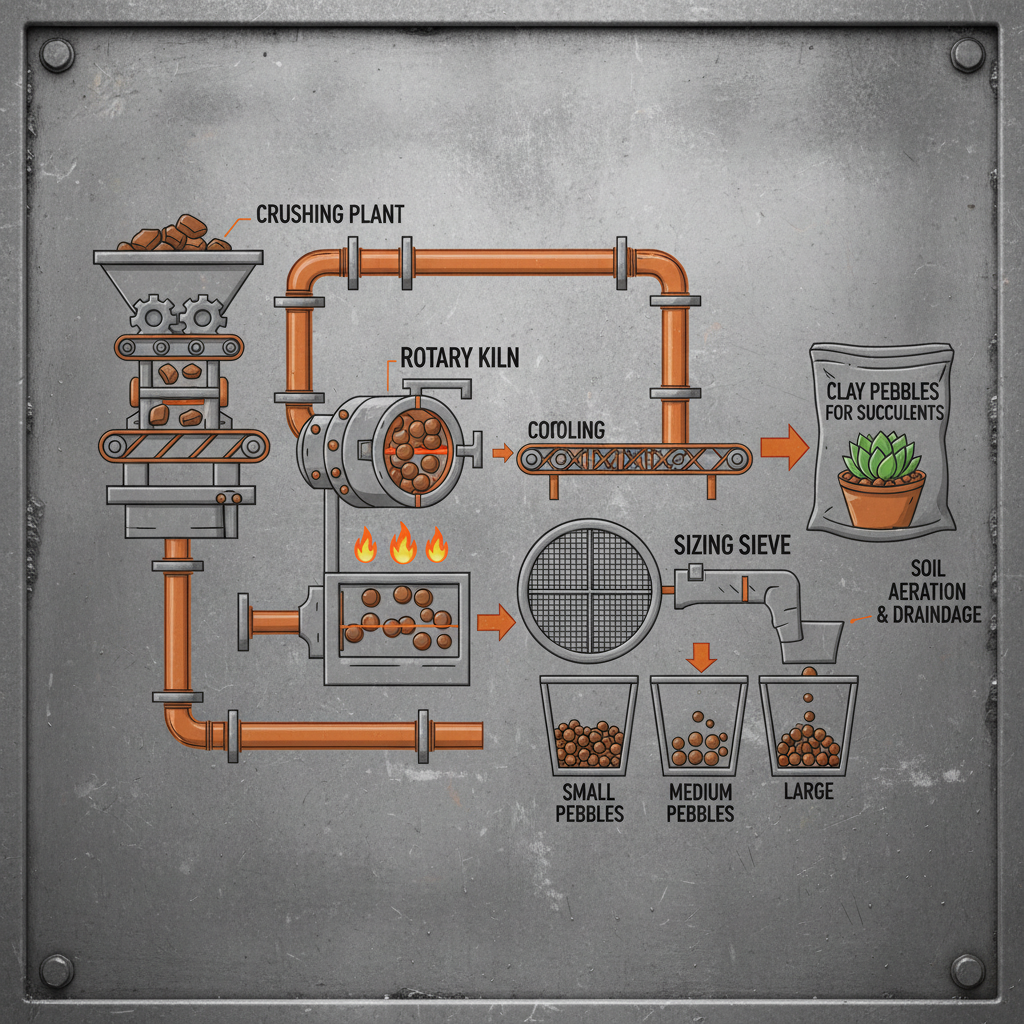
What are Clay Pebbles (LECA)?
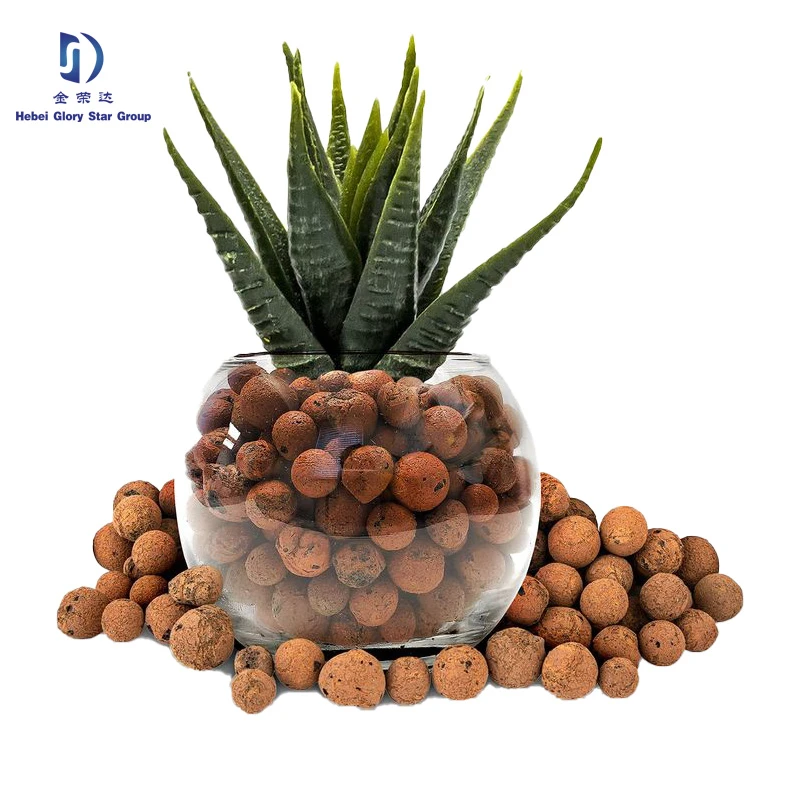
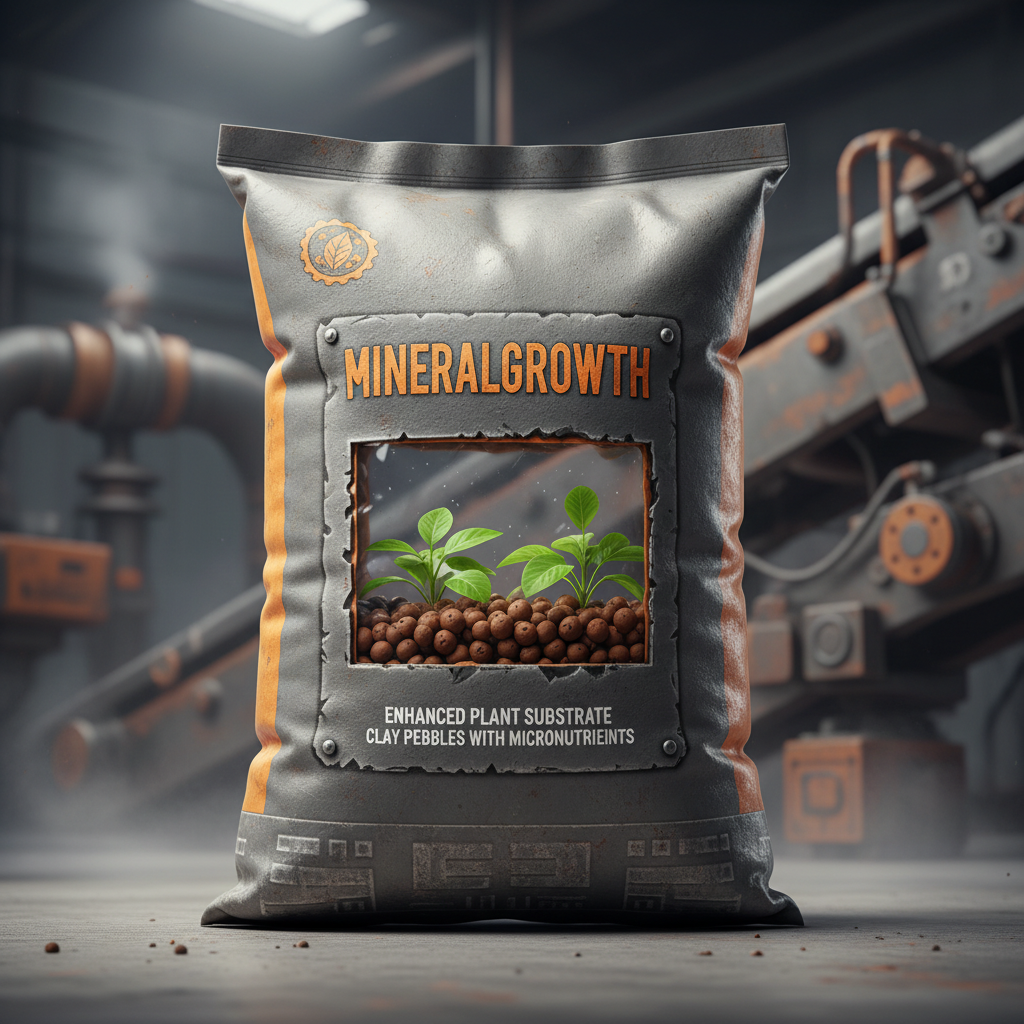
Clay pebbles are made from baked clay that’s expanded to create lightweight, porous granules. This process creates a material with excellent drainage and aeration properties – essential for preventing root rot in succulents. Unlike traditional soil, clay pebbles don't break down over time, offering a long-lasting growing solution. They’re also pH neutral, meaning they won't alter the acidity of the water or nutrient solution. Many growers appreciate their clean aesthetic and reusability, making them an eco-friendly option. Utilizing high-quality clay pebbles ensures optimal performance for your succulent collection.
Key Highlights: Lightweight, porous, pH neutral, reusable, and provides excellent drainage and aeration.
The Benefits of Using Clay Pebbles for Succulents
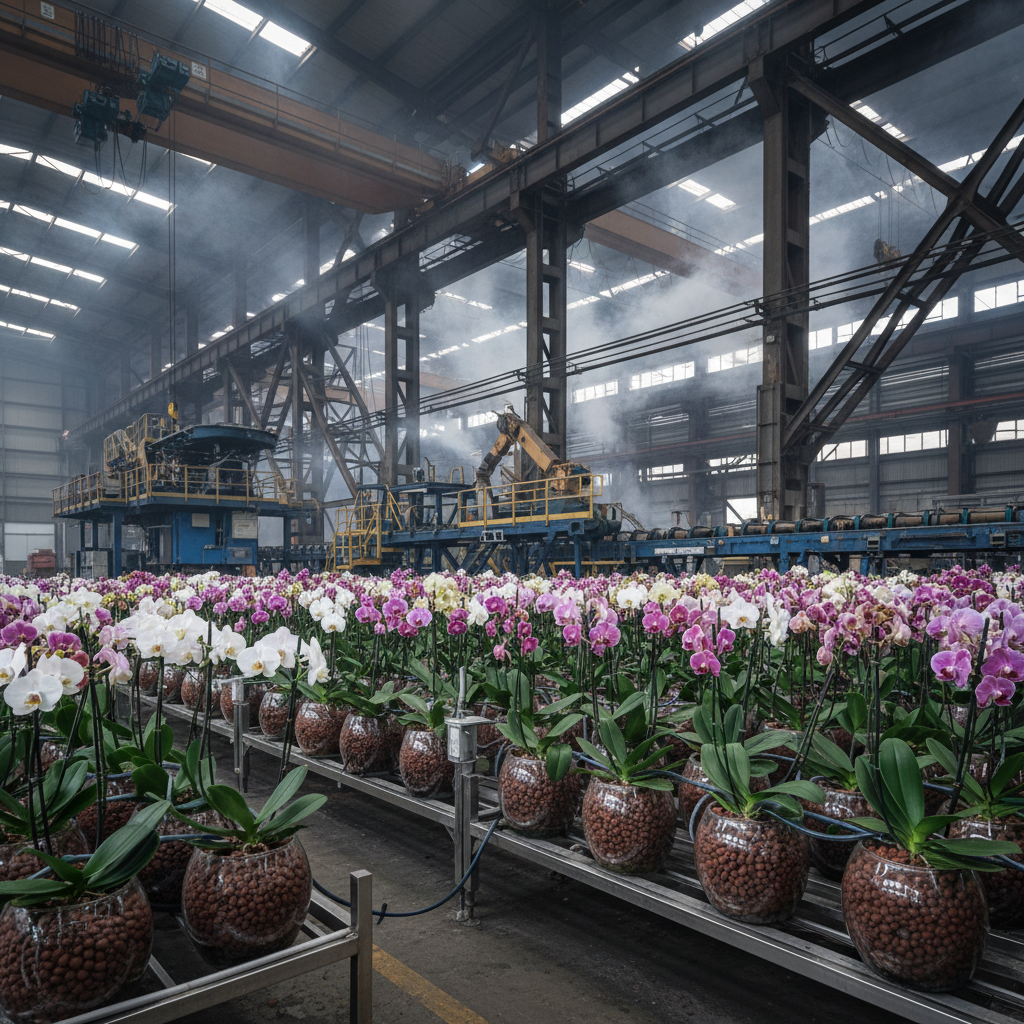
The advantages of using clay pebbles extend beyond just drainage. Their open structure promotes healthy root growth by allowing air to circulate around the roots. This prevents the suffocating conditions that can lead to root rot, a common problem for succulents. Clay pebbles also help to maintain consistent moisture levels, as they absorb and release water as needed. This reduces the frequency of watering, making them ideal for busy plant parents. They’re incredibly versatile and can be used in a variety of succulent growing setups, from simple pots to elaborate semi-hydroponic systems.
Clay Pebble Benefits:
• Excellent Drainage and Aeration
• Prevents Root Rot
• Promotes Healthy Root Growth
• Reduces Watering Frequency
Clay Pebbles vs. Traditional Soil: A Comparison
While traditional soil is commonly used for succulents, clay pebbles offer distinct advantages, especially in terms of drainage and long-term stability. Soil tends to compact over time, reducing aeration and increasing the risk of root rot. Clay pebbles maintain their structure and porosity for years, providing consistent growing conditions. Furthermore, clay pebbles are inert, meaning they don’t contribute any nutrients to the plant, allowing you to control the nutrient supply precisely. This is especially beneficial for experienced succulent growers who prefer a tailored feeding schedule. When choosing a growing medium, consider the long-term health and well-being of your succulents.
Preparing and Using Clay Pebbles for Succulents
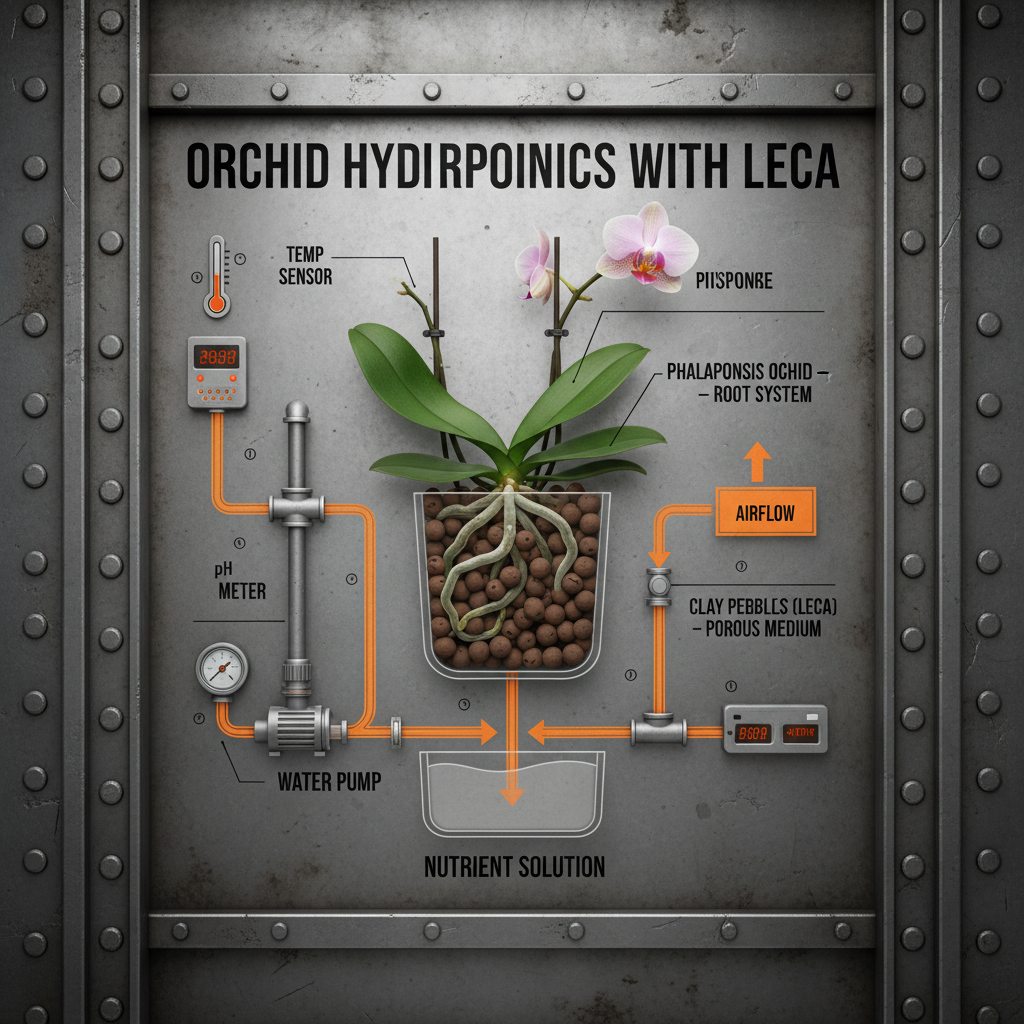
Before using clay pebbles, it’s essential to rinse them thoroughly to remove dust and debris. Soaking them in water for several hours (or even overnight) helps saturate them, which is particularly important for initial planting. When potting your succulents, use a net pot or a pot with ample drainage holes. Layer the clay pebbles around the roots, ensuring they’re not tightly packed. For semi-hydroponic setups, you'll need a reservoir for water and nutrients, and the roots should be partially submerged. Glorystarexport.com provides various grades and sizes of clay pebbles suitable for all your succulent needs.
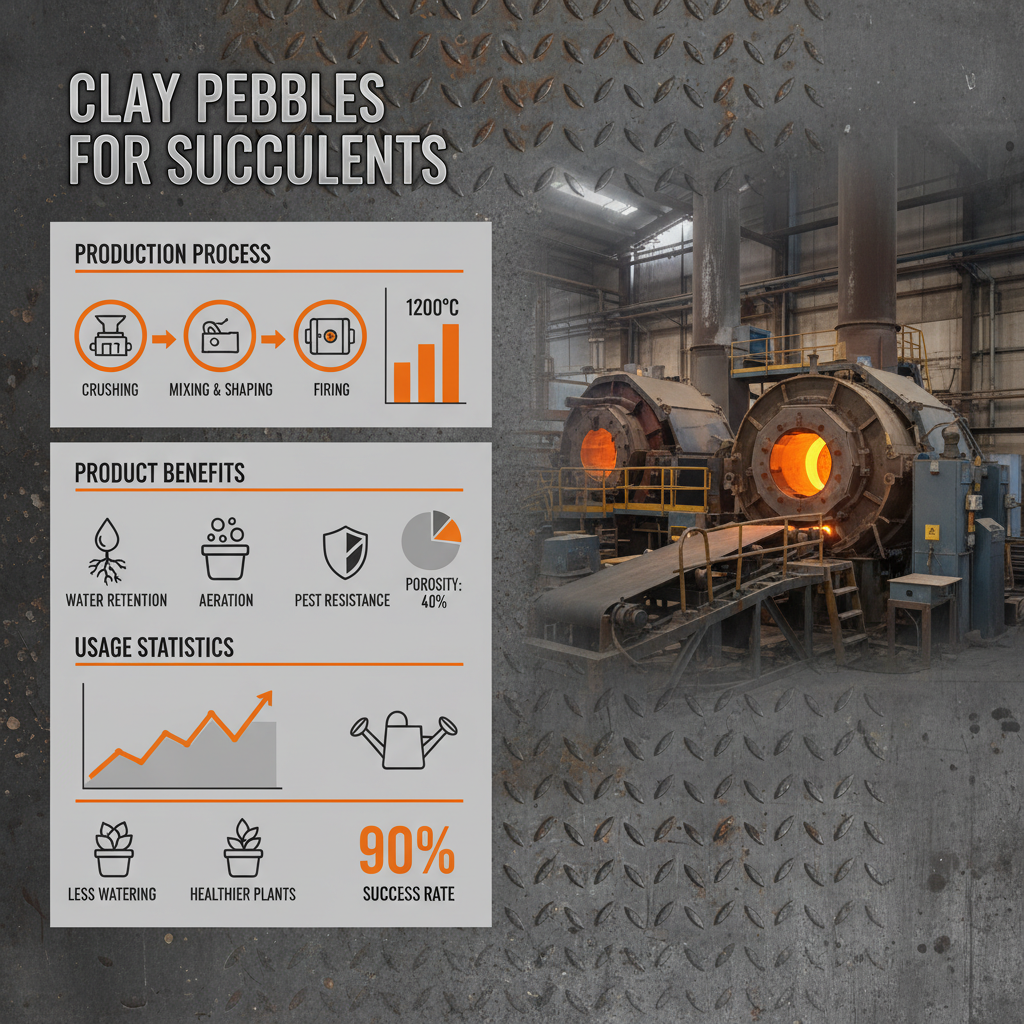
Product Specifications & Sizing
We offer a range of clay pebble sizes to suit different succulent varieties and pot sizes. Here's a breakdown of our commonly available specifications:
Conclusion: Embrace the Benefits of Clay Pebbles
Using clay pebbles for succulents is a fantastic way to ensure healthy, thriving plants. Their superior drainage, aeration, and reusability make them a worthwhile investment for any succulent enthusiast. Explore the options available at Glorystarexport.com and discover the difference they can make in your succulent garden.
Frequently Asked Questions (FAQs)
Do I need to use fertilizer with clay pebbles?
Yes, since clay pebbles are inert, they don't provide any nutrients to your succulents. You'll need to use a balanced liquid fertilizer specifically formulated for succulents. Dilute the fertilizer to half strength and apply it with each watering, especially during the growing season (spring and summer). Monitor your plants for signs of nutrient deficiency, such as pale leaves or stunted growth, and adjust the fertilizer accordingly.
Can I repot succulents directly into clay pebbles from soil?
It's best to gently remove as much of the old soil as possible from the roots before repotting into clay pebbles. Soil can retain too much moisture and hinder the benefits of the clay pebbles. Gently shake off loose soil and carefully tease apart the roots. If necessary, rinse the roots with water to remove any remaining soil. This ensures a smooth transition and prevents root rot.
How often should I water succulents grown in clay pebbles?
Watering frequency depends on factors like the environment, succulent species, and pot size. Generally, succulents in clay pebbles require less frequent watering than those in soil. Allow the clay pebbles to dry out almost completely between waterings. A good rule of thumb is to water thoroughly when the pebbles feel dry to the touch. Avoid overwatering, as this can lead to root rot.
Are clay pebbles reusable?
Yes, clay pebbles are highly reusable! After removing your succulent, rinse the pebbles thoroughly to remove any old roots or debris. You can then sterilize them by soaking them in a diluted bleach solution (1 part bleach to 9 parts water) for 30 minutes, followed by a thorough rinsing. Allow them to dry completely before reusing. Proper cleaning ensures a healthy growing environment for your plants.
Post time: Mar-05-2026



.png "About")