

Clay Pebbles Uses: A Comprehensive Guide
Clay pebbles, also known as LECA (Lightweight Expanded Clay Aggregate), are a versatile growing medium with a wide range of applications beyond traditional gardening. From hydroponics to drainage solutions, understanding the various clay pebbles uses can unlock significant benefits for your plants and projects. This article will explore the many ways these lightweight, porous aggregates can be utilized, detailing their advantages and best practices for optimal results. We’ll delve into everything from hydroponic systems to terrestrial plant support and drainage, offering a thorough overview for both novice and experienced growers.
What are Clay Pebbles and Why Use Them?
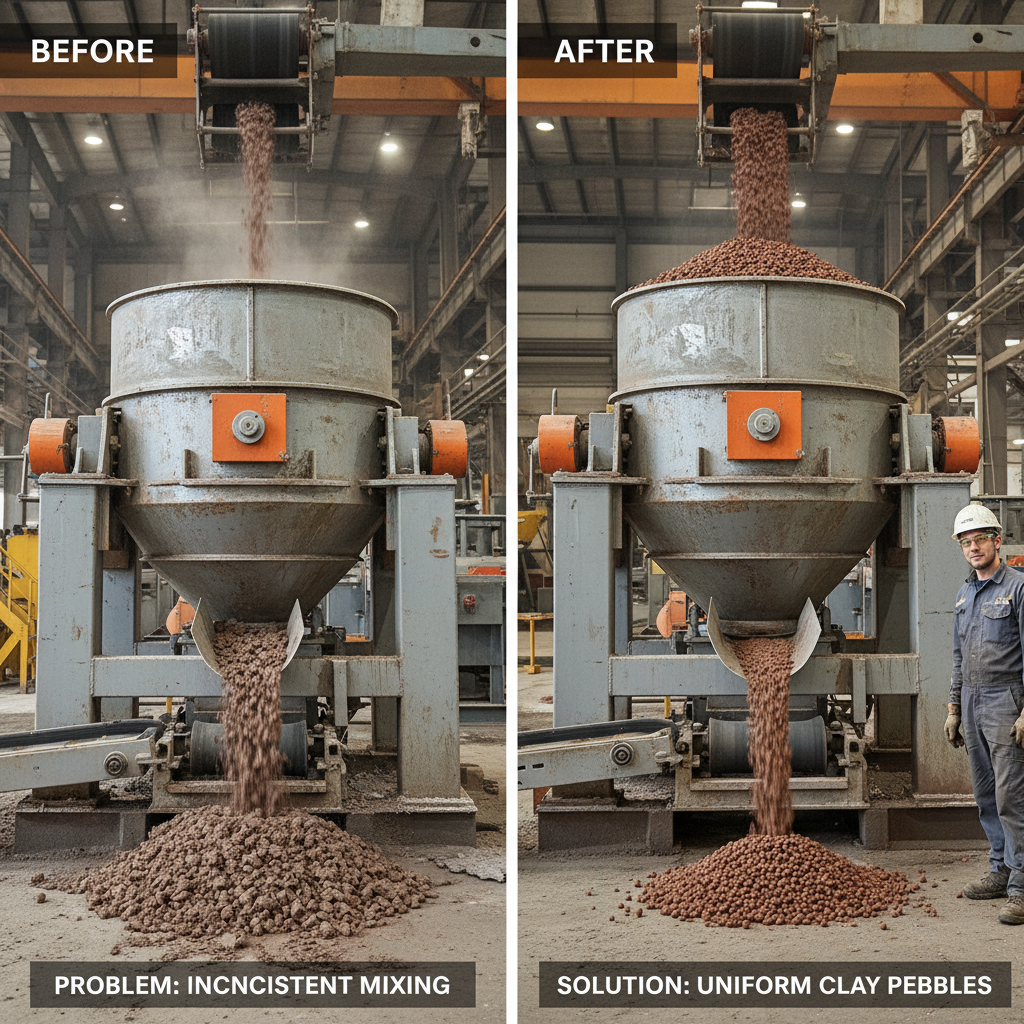
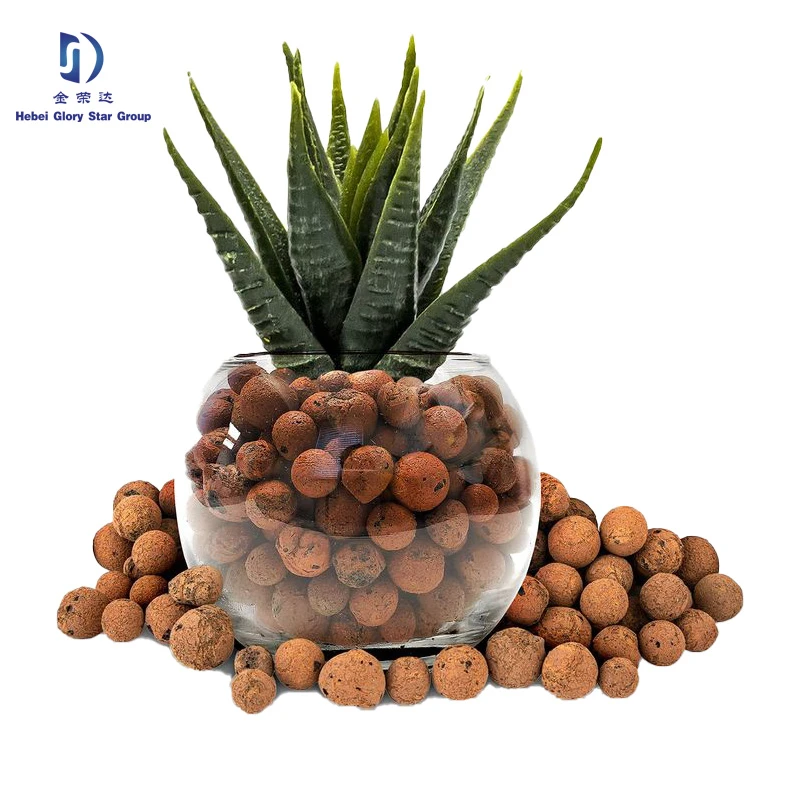
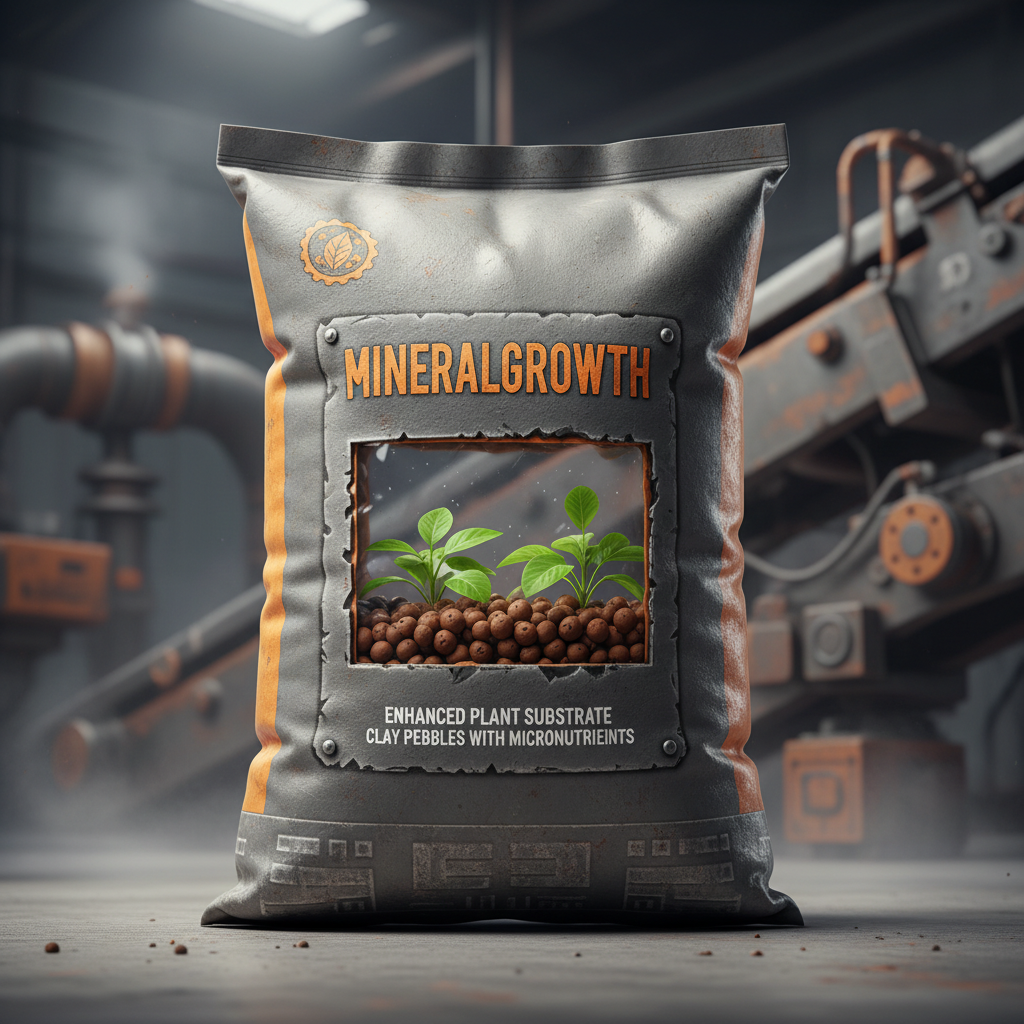
Clay pebbles are manufactured by heating natural clay to extremely high temperatures, causing it to expand into lightweight, porous balls. This process creates a material that is inert, pH neutral, and excellent at providing aeration and drainage. Their porous nature allows them to retain water and nutrients while preventing root rot – a common issue in overwatered plants. Unlike soil, clay pebbles don’t decompose, offering a reusable and sustainable growing medium. Their lightweight nature also makes them easy to handle and transport. This makes them an ideal choice for various growing applications and offers a clean alternative to traditional soil-based methods.
Key Highlights: Clay pebbles are inert, pH neutral, offer excellent aeration and drainage, are reusable, and lightweight.
Hydroponics: The Primary Clay Pebbles Use
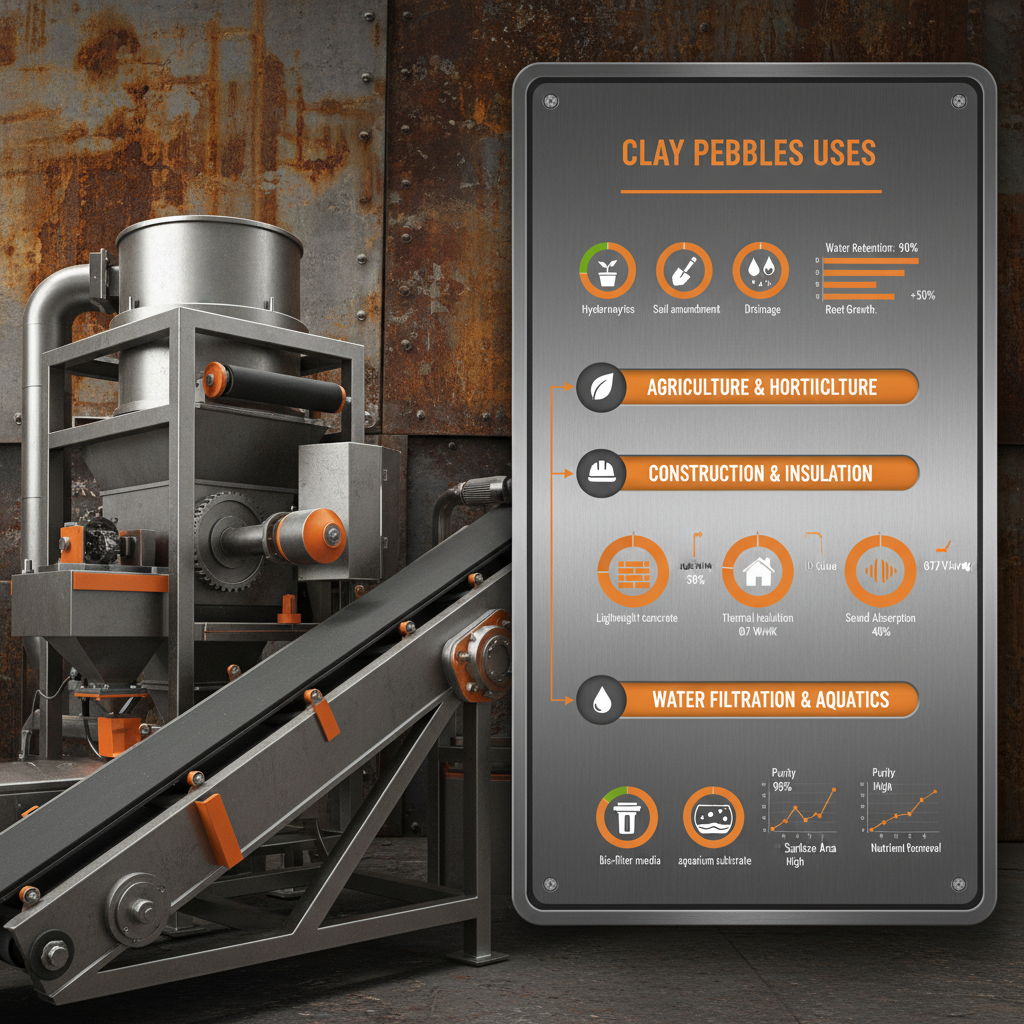
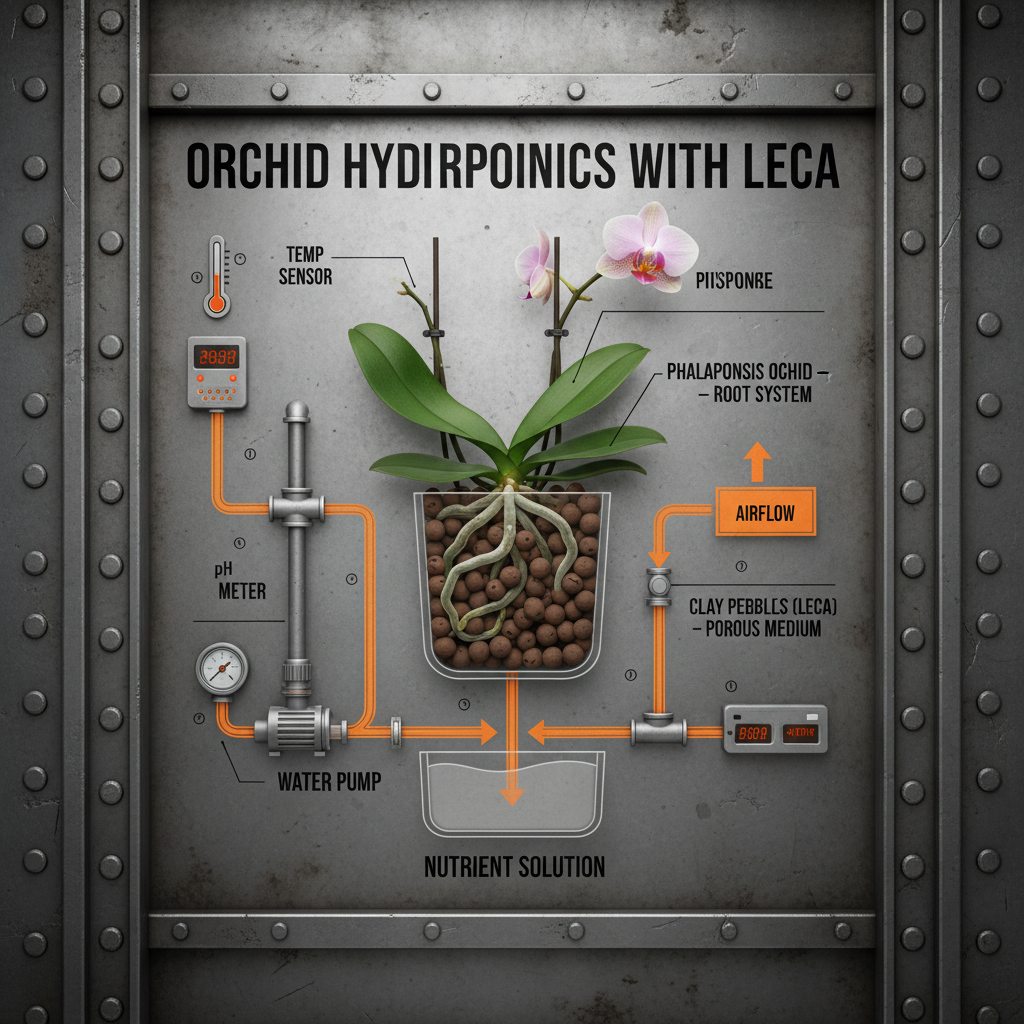
Perhaps the most well-known clay pebbles uses lies in hydroponic systems. They act as an excellent support medium for plants’ roots, allowing for efficient nutrient delivery and oxygen absorption. In a hydroponic setup, plants receive nutrients through a water-based solution, eliminating the need for soil. Clay pebbles provide stability without compacting, ensuring healthy root development. They’re commonly used in flood and drain (ebb and flow) systems, drip systems, and deep water culture (DWC) setups, facilitating excellent water and air circulation around the roots.
Benefits of using Clay Pebbles in Hydroponics:
• Provides excellent aeration and drainage.
• Supports root structure without compaction.
• Inert and pH neutral, preventing nutrient imbalances.
• Reusable after sterilization.
Terrestrial Plant Applications: Drainage and Support
While primarily known for hydroponics, clay pebbles also shine in terrestrial plant cultivation. They’re frequently used as a drainage layer at the bottom of pots, preventing root rot by allowing excess water to escape. Adding a layer of clay pebbles to the bottom of containers also improves aeration within the soil. They can also be mixed into potting mixes to enhance drainage and prevent compaction, especially in plants sensitive to overwatering, such as orchids and succulents. For larger plants, a layer of clay pebbles can be used as a top dressing to help retain moisture and suppress weed growth.
Clay Pebbles for Orchids and Other Epiphytes
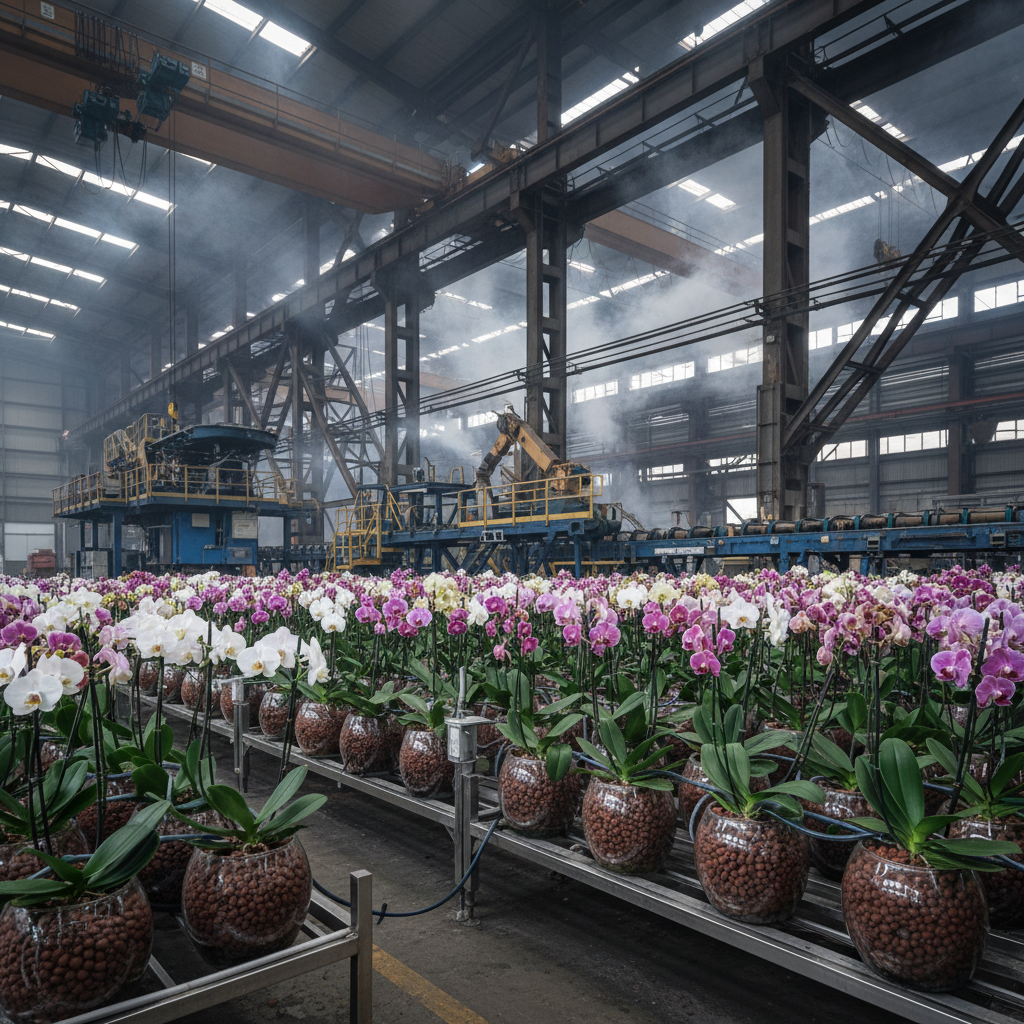
Orchids, bromeliads, and other epiphytic plants thrive when their roots have ample air circulation. Clay pebbles provide an ideal growing medium for these plants, mimicking their natural environment. They allow for excellent aeration, preventing root rot and promoting healthy growth. Many orchid growers use a mixture of clay pebbles, bark, and moss to create a well-draining and airy substrate. Because clay pebbles don't break down, they offer a stable and long-lasting support system for these sensitive plants. The inert nature also ensures there's no interference with nutrient absorption.
Preparing and Reusing Clay Pebbles: Best Practices
Before using clay pebbles for the first time, it’s crucial to rinse them thoroughly to remove dust and debris. This prevents clogging in hydroponic systems and ensures a clean growing environment. Reusing clay pebbles is possible, but requires sterilization to eliminate potential pathogens and nutrient buildup. This can be achieved by soaking them in a diluted bleach solution (1 part bleach to 9 parts water) for 30 minutes, followed by a thorough rinsing with clean water. Proper sterilization ensures the health of your plants and prevents the spread of disease.
Conclusion: The Versatility of Clay Pebbles
Clay pebbles offer a multitude of benefits for both hydroponic and terrestrial plant growers. Their unique properties – excellent drainage, aeration, inertness, and reusability – make them a versatile and sustainable choice for a wide range of applications. Whether you're setting up a sophisticated hydroponic system or simply seeking to improve the drainage of your potted plants, exploring the clay pebbles available from Glory Star Export can elevate your gardening experience.
Frequently Asked Questions (FAQs)
Can clay pebbles be used directly in the garden soil?
While you can mix clay pebbles into garden soil, it's generally not recommended for large-scale applications. They are best suited for container gardening or specific amendments where improved drainage is crucial. Adding a significant amount to garden soil can alter the soil structure and potentially hinder root growth. However, a small amount can be beneficial in heavy clay soils to improve aeration. The primary benefit of clay pebbles is their ability to create a well-aerated and draining environment, which is harder to achieve when mixed extensively into natural soil.
How often should I replace clay pebbles in a hydroponic system?
The lifespan of clay pebbles in a hydroponic system depends on several factors, including water quality, nutrient solution composition, and frequency of sterilization. Generally, they should be replaced every 1-2 years, even with regular cleaning. Over time, they can accumulate salts and organic matter, reducing their porosity and effectiveness. Signs that it's time to replace them include reduced drainage, discoloration, or a noticeable buildup of algae. Regular cleaning and sterilization can extend their lifespan, but eventual replacement is necessary.
Are clay pebbles environmentally friendly?
Yes, clay pebbles are considered an environmentally friendly growing medium. They are made from natural clay, a readily available resource, and are reusable after sterilization. Unlike peat moss, their production doesn't involve damaging sensitive ecosystems. Additionally, their inert nature means they don't require chemical fertilizers or pesticides, minimizing environmental impact. They are also a sustainable alternative to traditional soil-based methods, reducing the need for deforestation and soil erosion.
What size clay pebbles should I use for different plants?
Clay pebble size typically ranges from 8-16mm. For seedlings and small plants, smaller pebbles (8-10mm) are recommended to provide better root support. For larger plants and hydroponic systems, larger pebbles (10-16mm) are often preferred as they offer better aeration and drainage. Orchids and other epiphytes generally benefit from a mix of sizes to provide a stable yet well-aerated medium. Always consider the root structure of the plant when selecting the appropriate pebble size.
Post time: Mar-06-2026


.png "About")