

Understanding Powder Calcium Carbonate: A Global Industrial Staple
Powder calcium carbonate – the name alone might not evoke excitement, but this humble mineral is quietly shaping industries worldwide. From the paper in your printer to the paint on your walls, it’s everywhere. But beyond its commonplace presence, powder calcium carbonate carries profound significance for manufacturing, environmental sustainability, and even humanitarian relief efforts. Basically, if you’re thinking about industry materials that pack a punch with affordability and versatility, this compound deserves your attention.
Introduction: The Global Relevance of Powder Calcium Carbonate
Let’s set the stage. According to the International Mineralogical Association and production data consolidated by agencies like the United Nations Industrial Development Organization (UNIDO), worldwide production of calcium carbonate in powdered form has surged over the decades, reaching tens of millions of metric tons annually. This growth is no accident. Industries ranging from plastics to pharmaceuticals harness its properties extensively.
Why does this matter globally? Because the demand for this mineral ties closely to expanding industrial activity in emerging economies, infrastructure development, and efforts to reduce environmental footprints. There’s a big challenge here: meeting rising industrial demands without damaging ecosystems. That’s where a natural, abundant mineral like powder calcium carbonate fits in – potentially a sustainable alternative to synthetic additives and fillers.
Mini takeaway: Powder calcium carbonate is a foundational raw material, influencing production and sustainability efforts at a global scale.
Defining Powder Calcium Carbonate
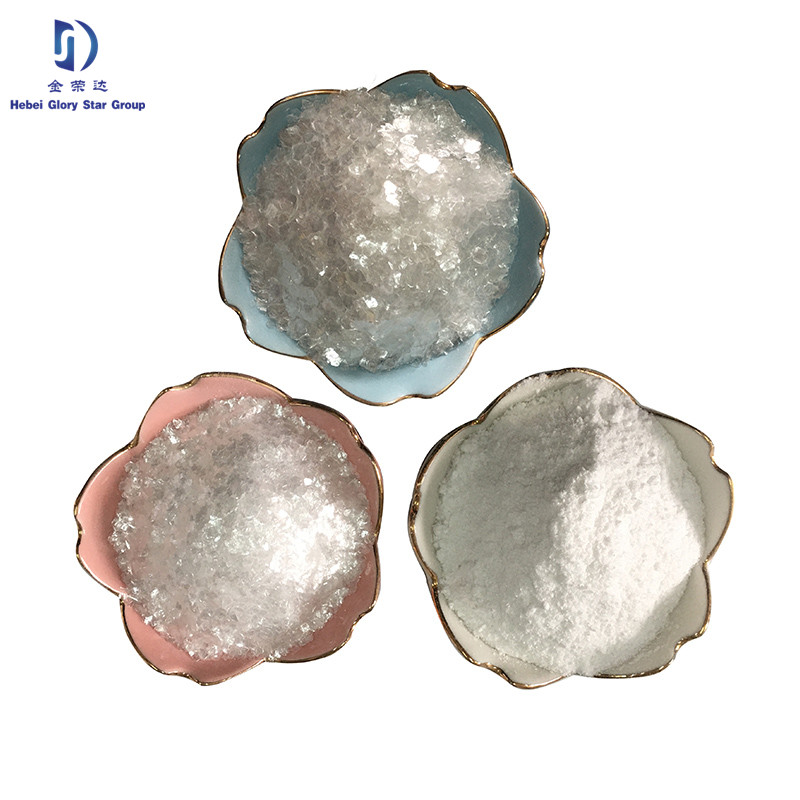
Simply put, powder calcium carbonate is a fine, white powder derived primarily from limestone or marble. Chemically known as CaCO3, it’s one of the most widely used minerals worldwide. But why so much use? Because it acts as a filler, coating pigment, or pH regulator depending on the industry need. For example, in paper manufacturing, it improves brightness and opacity; in plastics, it enhances mechanical properties while cutting costs.
Its value also stretches to humanitarian applications — think water purification tablets or soil pH modification in agriculture, which underpin food security in vulnerable regions.
Core Components of Powder Calcium Carbonate's Industry Impact
1. Purity and Particle Size
When you buy powder calcium carbonate, not all powders are created equal. High purity means fewer impurities that could interfere with end products. Particle size distribution affects texture, surface area, and reactivity – essential for coatings and paints to flow well or papers to achieve smooth finishes.
2. Cost Efficiency
Compared to synthetic fillers, calcium carbonate is abundant and relatively cheap to mine and process. This keeps manufacturing costs down, especially in bulk materials like cement or plastics.
3. Sustainability
Since it’s a natural mineral, it’s more environmentally benign than some chemical additives. And with advances in mining and processing, the carbon footprint associated with it is steadily decreasing.
4. Versatility
It’s used in paints, adhesives, plastics, rubber, agriculture – just to name a few. This multi-industry application makes it indispensable.
5. Stability and Durability
The mineral’s chemical stability means products retain quality over long periods, especially important in construction materials and pharmaceuticals.
Mini takeaway: The performance of powder calcium carbonate hinges on purity, particle size, cost benefits, sustainability, and adaptability across industries.
Global Applications & Case Studies
Looking globally, powder calcium carbonate acts like a quiet workhorse. In Asia, booming infrastructure drives demand for high-grade fillers in cement and plastics. European manufacturers often prioritize ultra-pure grades for pharmaceutical and food uses, where safety standards are strict. Meanwhile, African agricultural sectors increasingly use powder calcium carbonate to treat acidic soils, boosting crop yields.
One illustrative case: after the 2015 earthquake in Nepal, relief agencies used calcium carbonate-based pH adjusters in water purification efforts, helping provide safe drinking water to affected communities. Here’s a mineral quietly supporting life-saving interventions.
Industries in remote areas like mining towns in South America rely on powder calcium carbonate for dust suppression. It’s an affordable way to mitigate environmental hazards locally.
Powder Calcium Carbonate Product Specifications
| Specification | Typical Value | Importance |
|---|---|---|
| Purity (> CaCO3) | 98–99.5% | Critical for chemical stability & performance |
| Particle Size (µm) | 0.5–10 | Affects texture & surface area |
| Moisture Content | Prevents caking & improves shelf life | |
| Loss on Ignition (LOI) | >44% | Indicates carbonate content & purity |
Vendor Comparison: Leading Powder Calcium Carbonate Suppliers
| Vendor | Purity (%) | Particle Size Range (µm) | Supply Regions | Sustainability Certifications |
|---|---|---|---|---|
| Glory Star Export | 99.2 | 0.8–5.0 | Global | ISO 14001 |
| Calcar Group | 98.7 | 1.0–10 | Europe, Asia | ISO 9001, ISO 14001 |
| Mineral Corp | 98.0 | 0.5–4.0 | North & South America | ISO 9001 |
Advantages & Long-Term Value of Powder Calcium Carbonate
Why has the industry leaned so heavily on powder calcium carbonate? Frankly, it’s a cocktail of benefits: it’s low cost, abundant, non-toxic, and environmentally friendly compared to synthetic additives. Using it reduces reliance on petrochemical fillers, lowering the overall environmental impact of manufacturing.
On a human level, it fosters product reliability and safety. Imagine pharmaceutical tablets with consistent dosage or paints that do not peel prematurely. Such nuances translate into consumer trust and social well-being.
Plus, its sustainability credentials help industries stay compliant with emerging environmental regulations — a growing concern documented in ISO and UN environmental frameworks. It’s a rare material that blends practicality with a conscience.
Emerging Trends and Innovations
Looking ahead, the powder calcium carbonate space is evolving. Nanotechnology is enabling superfine particle production for advanced electronic applications. Biotechnology-inspired mining methods promise reduced environmental footprints. Increasingly, it's integrated into green construction materials, contributing to carbon capture during concrete curing.
Automation in processing plants has improved quality consistency while lowering costs. Digital tracking ensures traceability from mine to market, which is becoming mandatory in many industries aiming to reduce supply chain risks.
Challenges and Solutions
Of course, it’s not all smooth. Variability in natural deposits can affect purity and particle size. Contamination risk often requires intensive processing, which can add cost. Plus, logistics issues sometimes arise in reaching remote users.
Solutions? Innovative purification techniques, blending sources, and closer partnerships with mining operations help. Some firms use predictive analytics to optimize supply chains — reducing delays and ensuring consistent quality. It’s a constant balancing act, but one that the industry gradually masters.
FAQ: Powder Calcium Carbonate Insights
- Q: What industries most commonly use powder calcium carbonate?
A: Paper, plastics, paints, adhesives, rubber manufacturing, agriculture, and pharmaceuticals are top users, each relying on specific purity and particle size grades. - Q: Can powder calcium carbonate improve environmental sustainability?
A: Yes, by replacing synthetic fillers and reducing carbon footprints in production, it supports greener manufacturing processes. - Q: How is particle size controlled during manufacturing?
A: Techniques like grinding and air classification allow suppliers to produce powders within targeted particle size ranges for specific applications. - Q: Are there health risks associated with handling powder calcium carbonate?
A: Generally, it’s safe, but dust inhalation should be minimized with proper safety equipment as with any fine powders. - Q: How does powder calcium carbonate help in agriculture?
A: It neutralizes acidic soils, improving nutrient availability and crop yields.
Conclusion: The Mineral Powering Tomorrow's Industries
From its unassuming powder form to its vital role in multiple global sectors, powder calcium carbonate exemplifies how natural resources underpin modern life in countless subtle ways. Its blend of affordability, versatility, and sustainability ensures it remains indispensable—today and tomorrow.
If you want to explore high-quality powder calcium carbonate options for your industry, visit our website and discover products that balance performance with responsibility.
Mini takeaway: Powder calcium carbonate isn’t just a mineral; it’s a critical industrial enabler advancing innovation and sustainability worldwide.
References:
1. International Mineralogical Association - Mineral data
2. United Nations Industrial Development Organization (UNIDO) reports on mineral production
3. ISO Environmental Management Standards (14001) Documentation
Post time: Dec-08-2025

.png "About")