

Hot Sale Phlogopite Bronze Mica For Refractory Materials: What Buyers Should Know
If you work in high-temperature insulation or heavy-duty coatings, you’ve likely wrestled with sourcing phlogopite mica that is consistent, clean, and honestly—available when you actually need it. Below is my on-the-ground take, with specs, process notes, and real-world feedback from plants that live with this material every day.
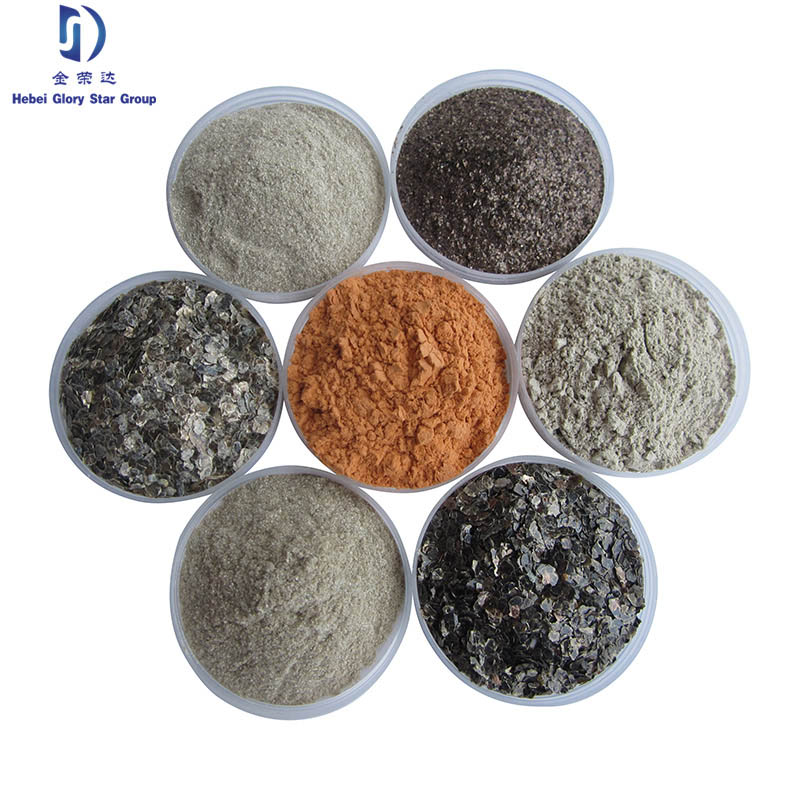
Material snapshot (and why it matters)
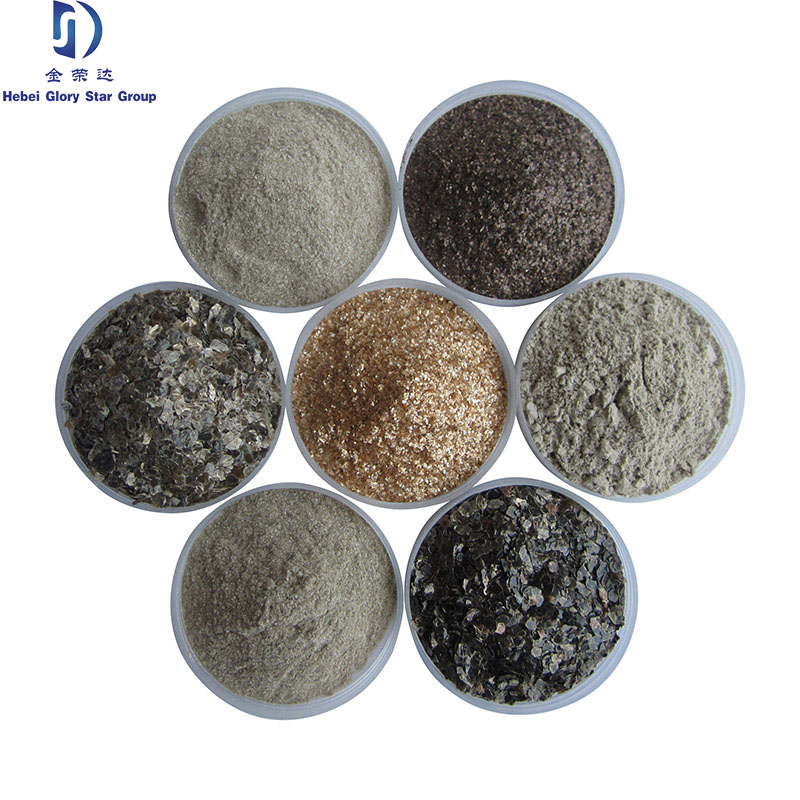
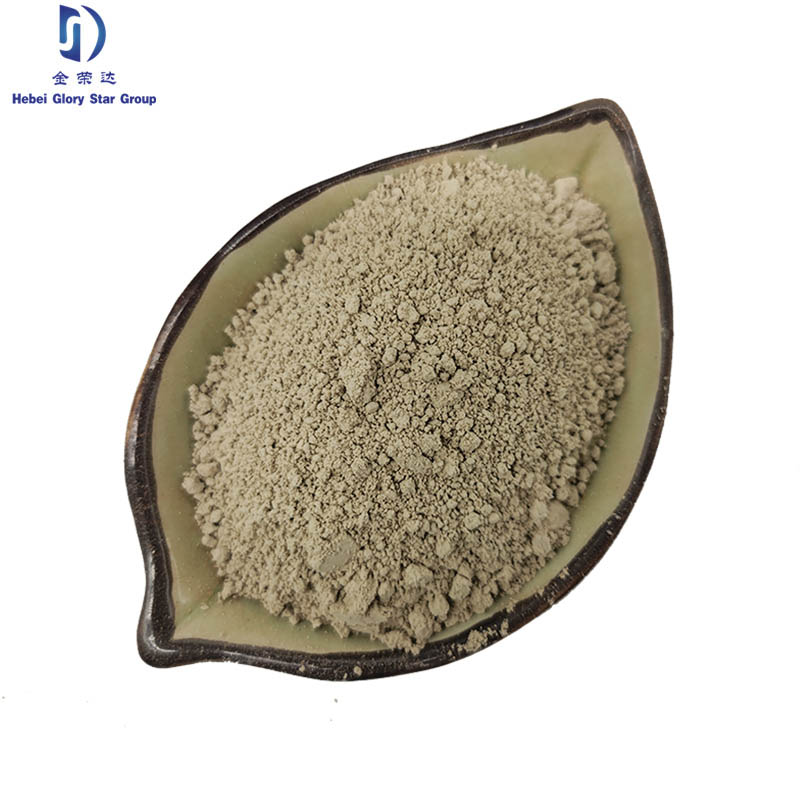
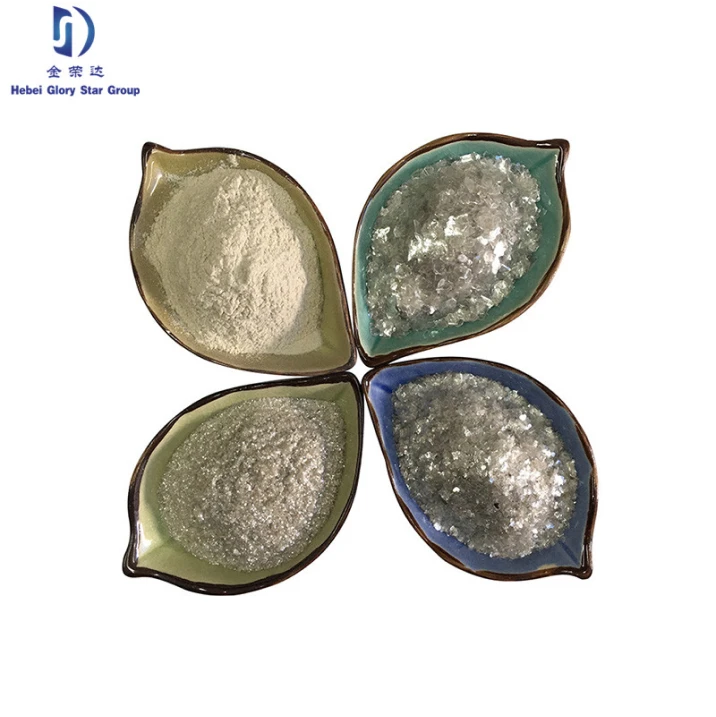
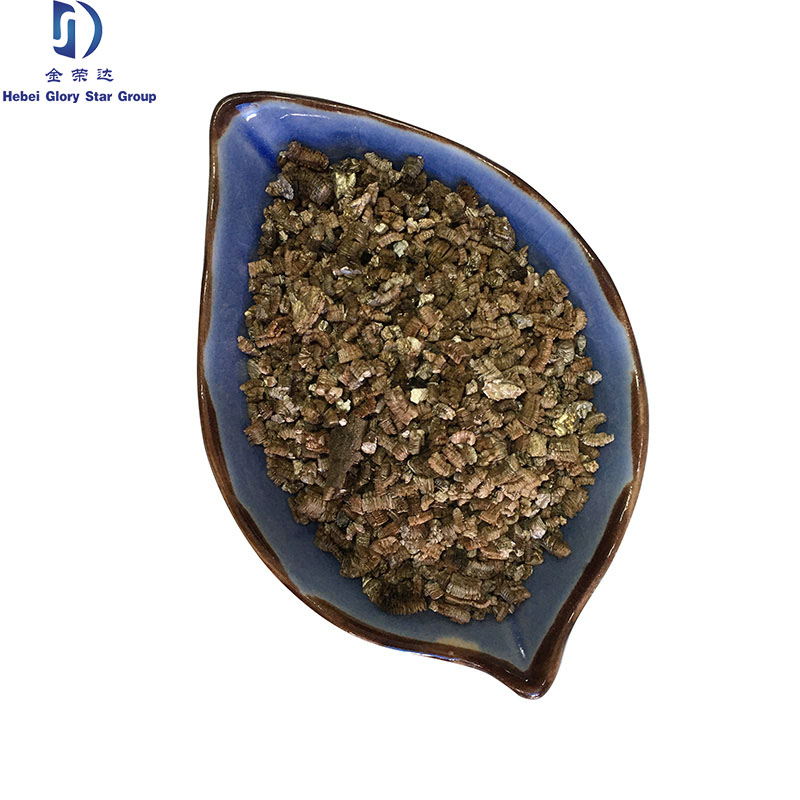
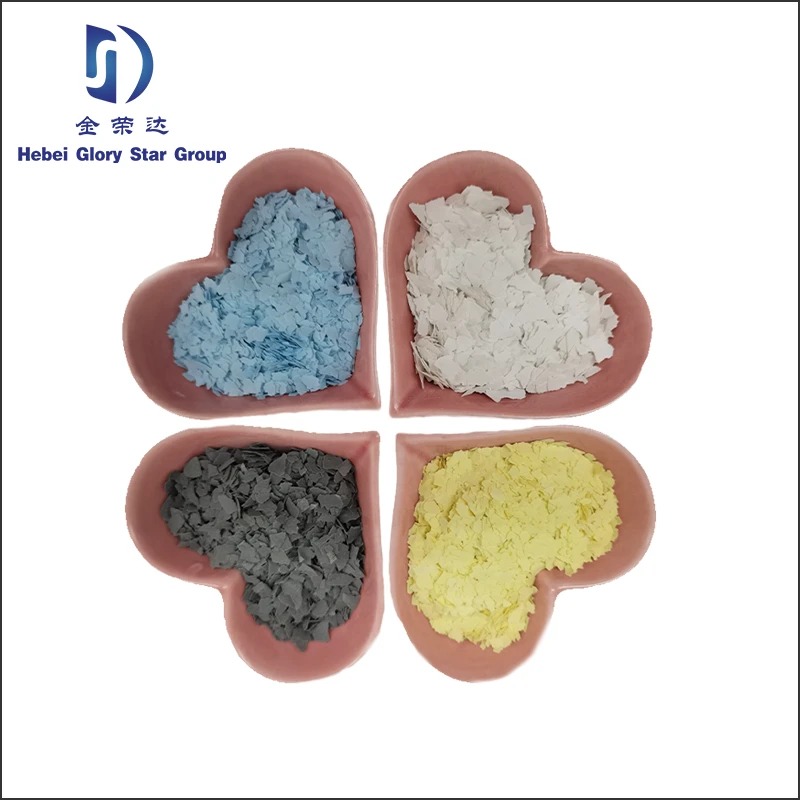
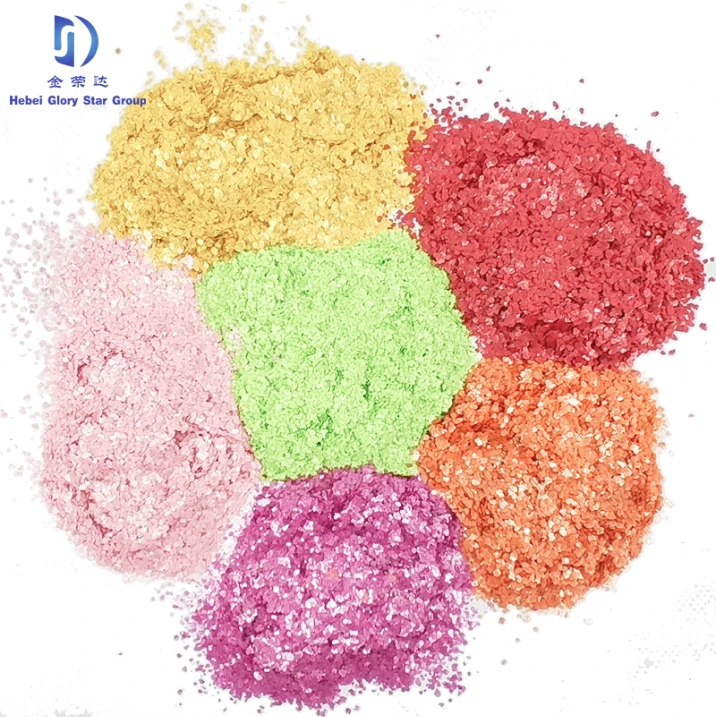
Also called bronze mica, phlogopite mica comes in yellowish- to reddish-brown tones with a vitreous to submetallic sheen. The appeal? Excellent dielectric behavior, tenacity, and the kind of thermal resilience that doesn’t panic when the furnace door opens. Many customers say it tolerates rapid swings better than muscovite, which tracks with lab data I’ve seen.
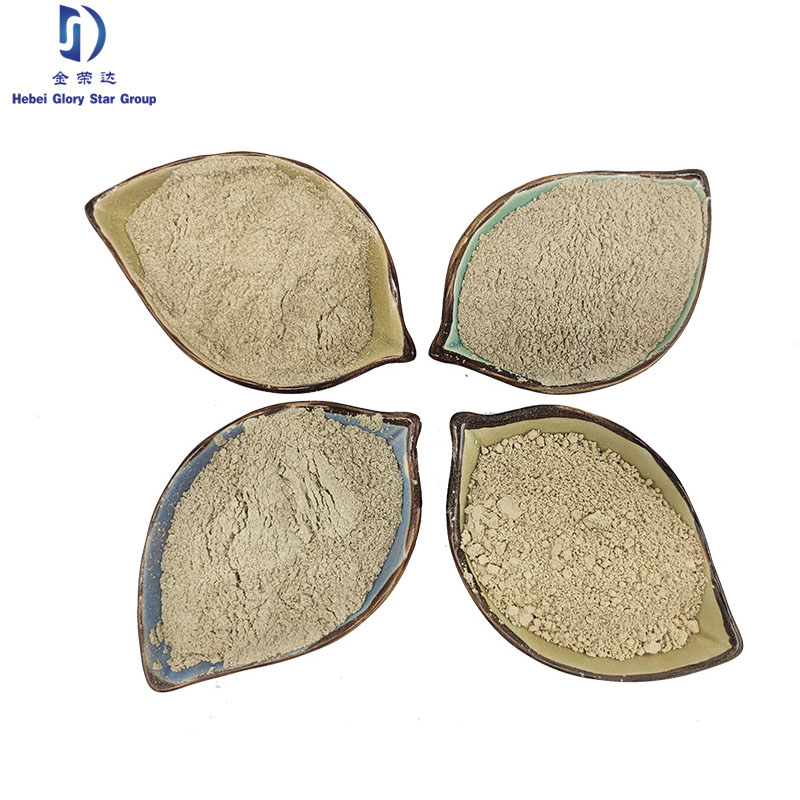
Typical applications
- Refractory fillers and release layers; induction furnace gaskets and expansion joints
- Heat-resistant insulating boards and tapes for motors, transformers, EV battery thermal barriers
- Heavy-duty anti-corrosive and fireproof coatings (steel structures, chimneys, kiln shells)
- Aviation and radio/electronics where arc/corona resistance matters
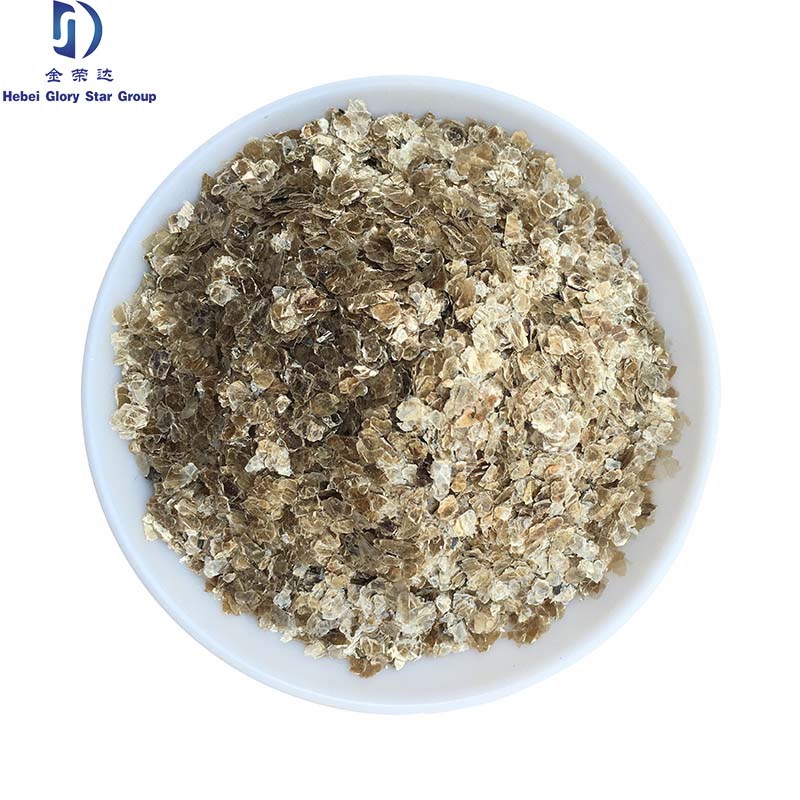
Product specs (tested values, lab + field)
| Property | Typical Value (≈) | Method / Notes |
|---|---|---|
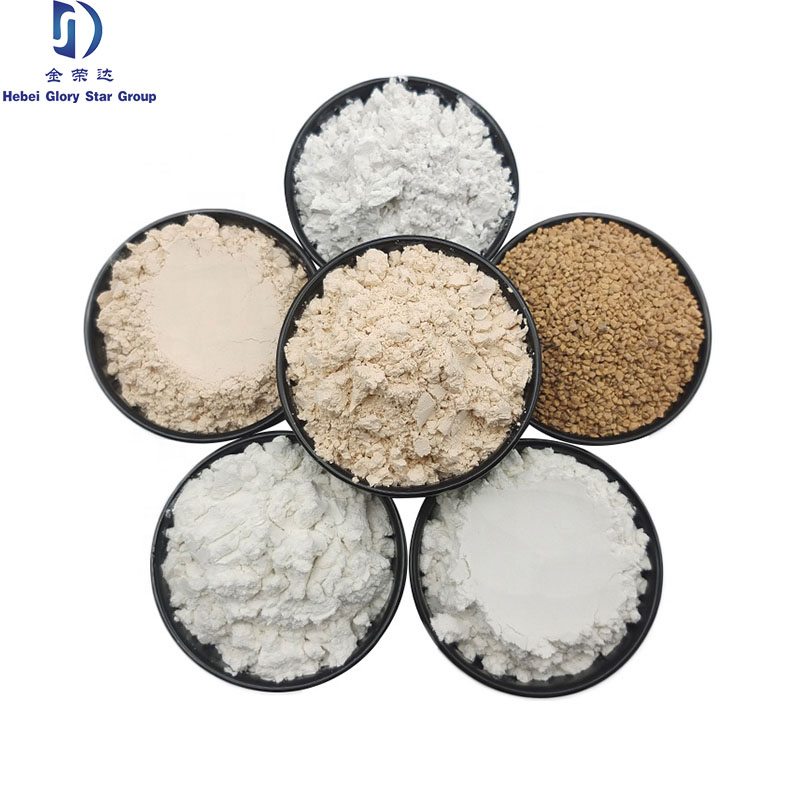
| Color / Form | Bronze flakes or powders | Real-world supply may vary slightly by lot |
| Particle size | 10–500 mesh options | Laser PSD verification per internal SOP |
| Dielectric strength | ≈20–30 kV/mm | ASTM D149 / IEC 60243-1 pressed plaque |
| Volume resistivity | ≈10^13–10^15 Ω·cm | ASTM D257 |
| Loss tangent | ≈0.005–0.02 @1 MHz | ASTM D150 |
| Max service temp | Continuous 700–800°C; peak ≈1000°C | Short-term peak depends on load/time |
| Moisture | <0.5% | ASTM D2216 |
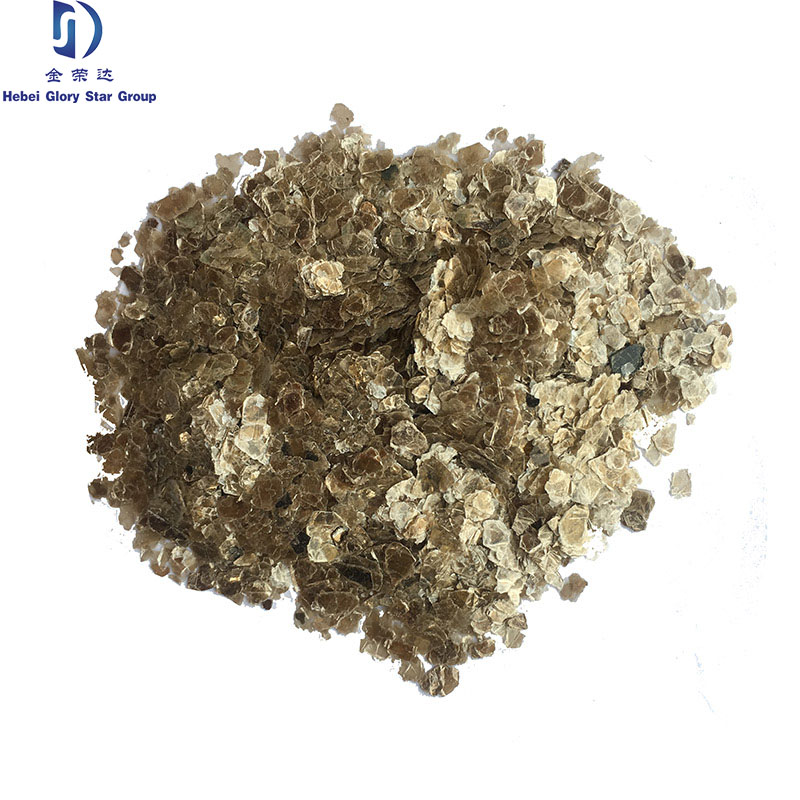
Process flow and QC
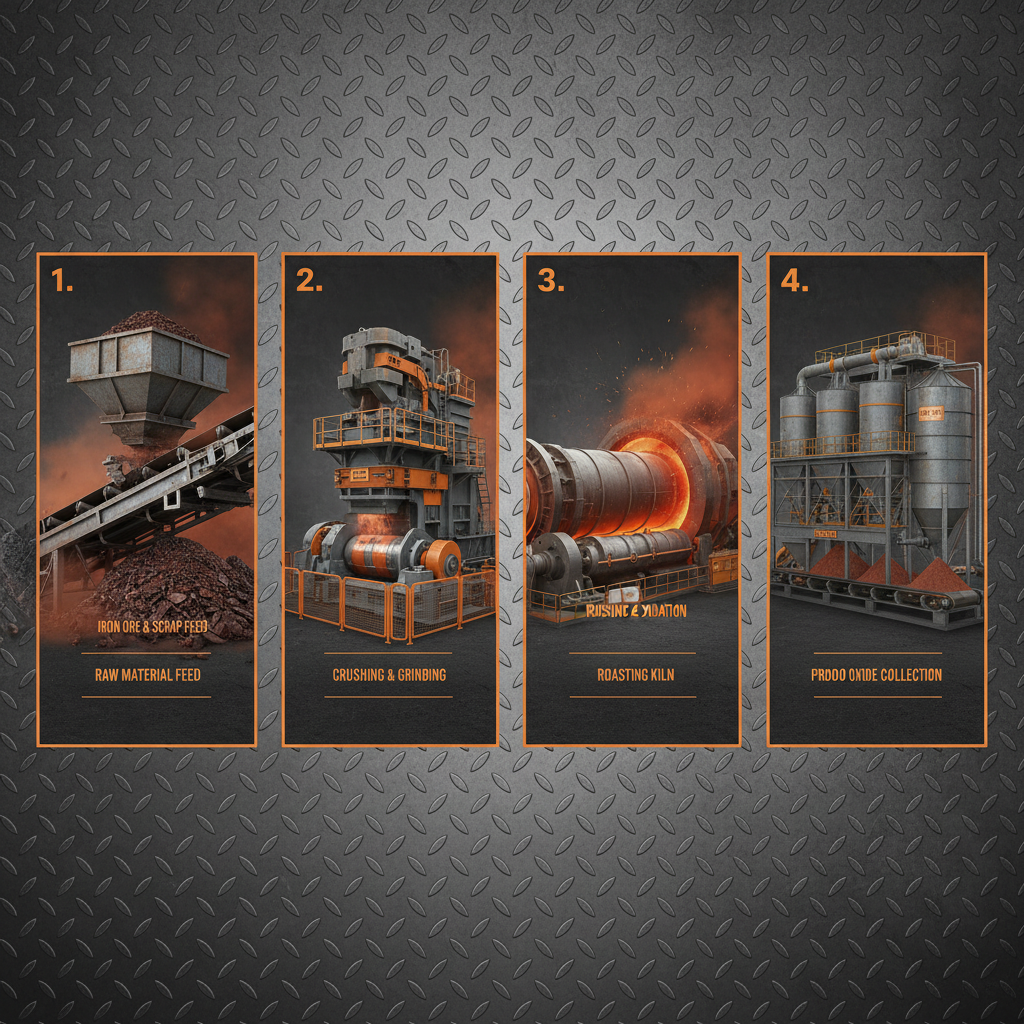
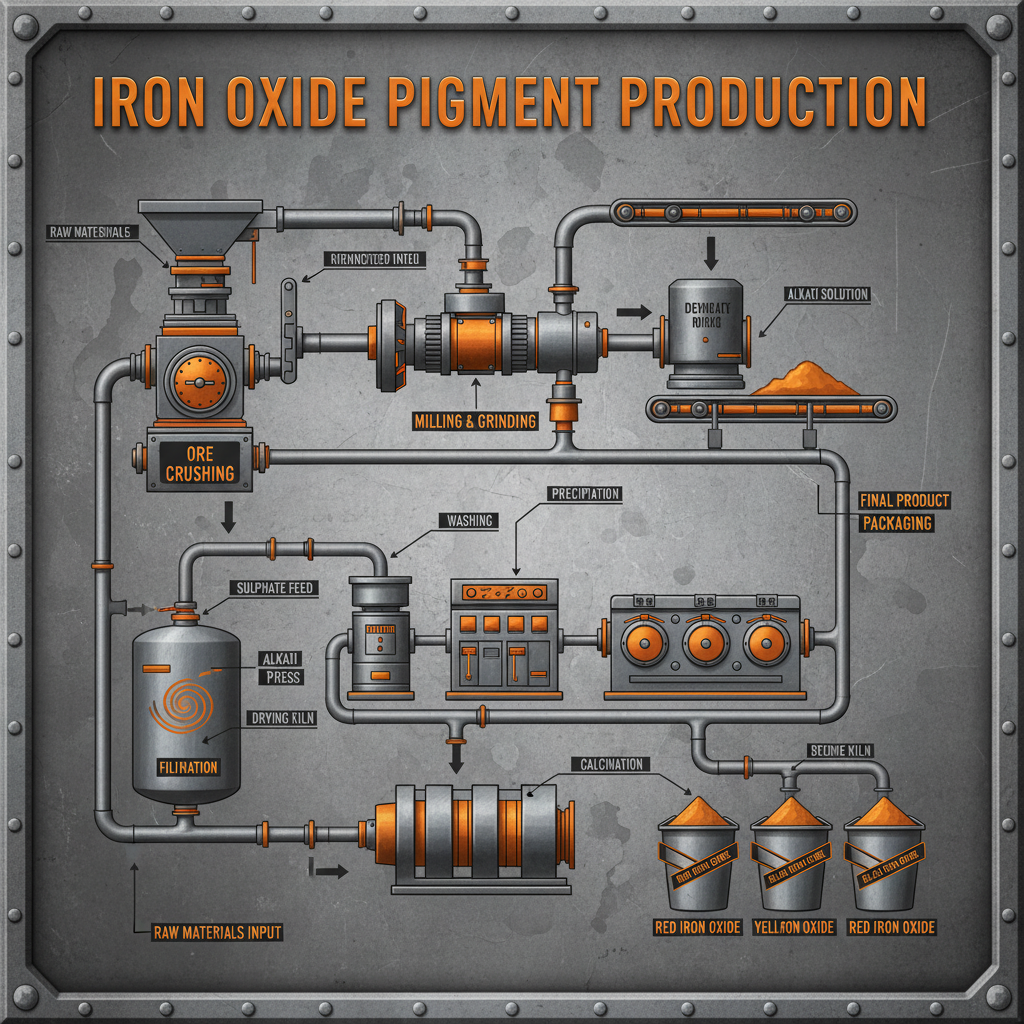
Mining and sorting → crushing and delamination → dry/wet beneficiation → grading (flakes/powders) → optional calcination → surface treatment (e.g., silane for coatings) → QA testing (PSD, moisture, Fe content, dielectric plaque tests) → moisture-proof packing. To be honest, the consistency lives or dies in grading and moisture control.
Testing standards used by quality vendors: ASTM D149/D150/D257, IEC 60243-1, ISO 9001:2015. Some buyers also request REACH/RoHS and MSDS documentation.
Service life: ≈3–8 years in refractory joints; 10,000+ thermal cycles reported in induction linings; coatings performance depends on binder system and film build.
Customization
- Particle size and narrow PSD for smoother coating films
- Surface treatments: silane, titanate for resin compatibility
- Low-iron grades for electrical clarity
- Packaging: 20–25 kg moisture-barrier bags; palletized
Vendor landscape (what I’m seeing)
| Vendor | Grade Focus | Max Temp (≈) | Dielectric (kV/mm) | Lead Time | Certs | Notes |
|---|---|---|---|---|---|---|
| GloryStar Export (Hebei) | phlogopite mica flakes/powders | ≈1000°C peak | 20–30 | 2–4 weeks | ISO 9001, REACH/RoHS | Stable PSD; responsive on custom treatments |
| Vendor A (muscovite) | Muscovite powders | ≈600–700°C | 18–22 | 3–6 weeks | ISO 9001 | Cheaper; less thermal shock tolerance |
| Vendor B (synthetic) | Synthetic mica | ≈1000°C | 25–35 | 6–8 weeks | ISO 9001 | Higher cost; very clean color |
Case notes (field feedback)
Steel mill gasket retrofit: Switched to phlogopite mica filler in expansion joints; operators reported fewer stick–slip events and easier tear-down after 6 months. Dielectric plaques tested at 27 kV/mm (ASTM D149).
Coatings maker: A silane-treated phlogopite mica grade cut permeability and improved salt-spray hours by ≈20% (per ASTM B117), with slightly better film leveling—surprisingly noticeable on verticals.
Sourcing details
Origin: 368 Youyi North Street, Shijiazhuang, Hebei, China. Packaging is export-ready; I’d still ask for desiccant in each bag—humidity sneaks in, especially on ocean routes.
Bottom line
If your line lives above 600°C or needs robust dielectric margins, phlogopite mica is the safer bet over muscovite. Check PSD, moisture, and treatment chemistry, and insist on test sheets tied to your lot number.
- ASTM D149 – Standard Test Method for Dielectric Breakdown Voltage and Dielectric Strength of Solid Electrical Insulating Materials.
- IEC 60243-1 – Electric Strength of Insulating Materials – Test Methods.
- ASTM D150 – AC Loss Characteristics and Permittivity (Dielectric Constant) of Solid Electrical Insulating Materials.
- ISO 9001:2015 – Quality Management Systems Requirements; REACH and RoHS compliance guidance from ECHA and EU Commission.
Post time: Oct-16-2025


.png "About")