

Understanding Leca clay pebbles: A seasoned perspective
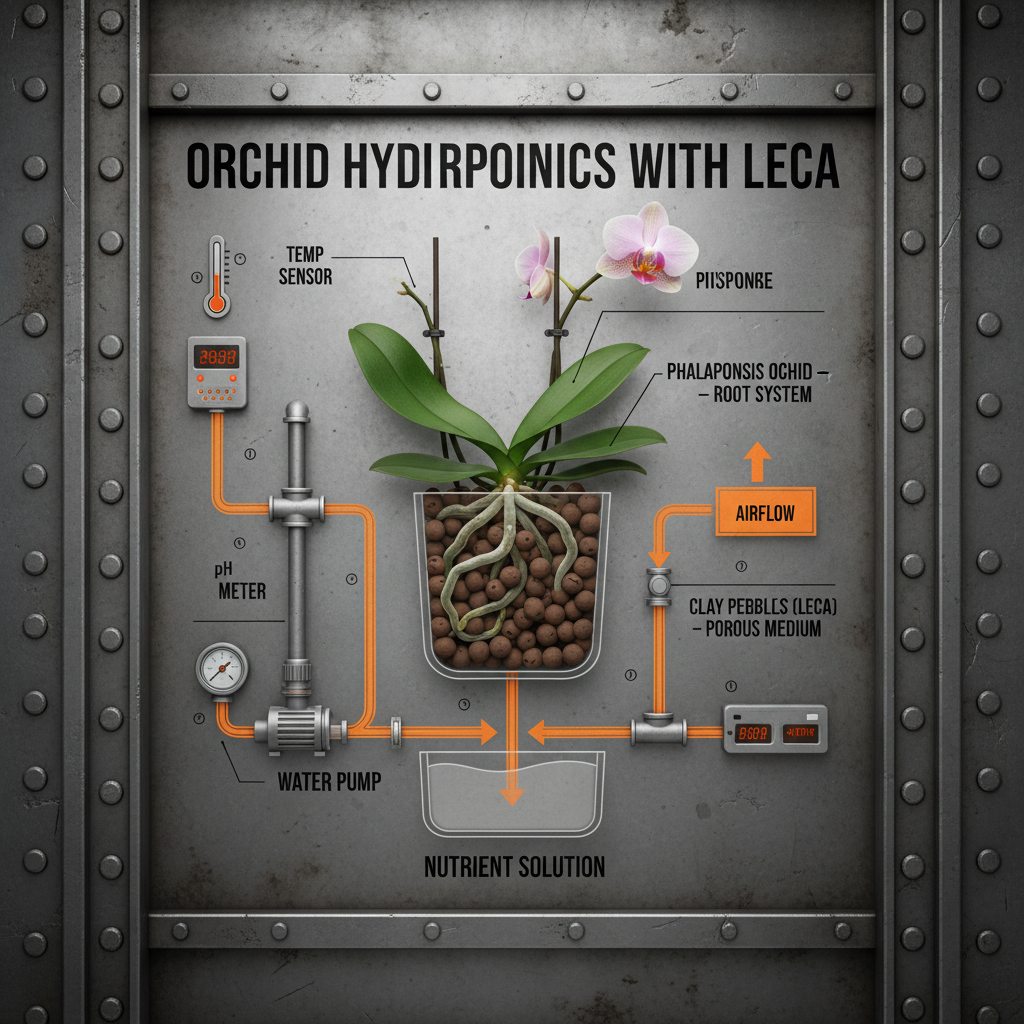
Having spent a fair chunk of my career in the industrial equipment sector, I’ve come across countless materials, each with nuances that make or break a project. Leca clay pebbles are one such material that often flies under the radar but honestly deserves more attention, especially when you’re dealing with hydroponics, construction insulation, or water filtration.
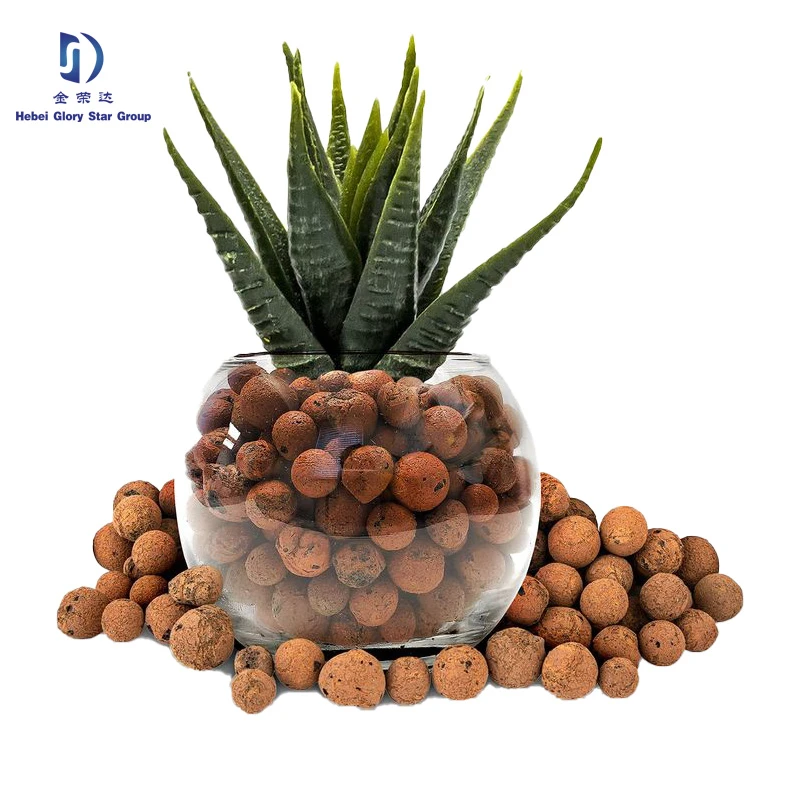
For the uninitiated, Leca stands for Lightweight Expanded Clay Aggregate. It’s essentially small, porous, roundish clay pebbles that expand when heated at extremely high temperatures. This process creates a durable and lightweight aggregate that's quite versatile. I once saw it used in a large-scale green roof project, and the results—better drainage, insulation, and longevity—were pretty impressive.
Oddly enough, these pebbles feel sort of like nature’s own little balls of engineering genius. Lightweight yet strong, they provide superb aeration and drainage – two things I know many engineers fuss about endlessly. And because they’re inert and alkaline, they help stabilize pH levels, which is a real bonus if you’re dabbling in growing mediums or wastewater treatment.
Industrial-grade specs you need to know
| Specification | Details |
|---|---|
| Material | Natural clay, expanded by high-temperature firing |
| Particle size | 4–16 mm typical, customizable on request |
| Bulk density | ~350–450 kg/m³ |
| Thermal conductivity | 0.10 W/m·K (good insulator) |
| Water absorption | Approx. 20–25% by volume |
| pH Level | Alkaline, around 7.5–8.5 |
What’s really interesting is how customizable these pebbles are — for example, varying the firing temperature can alter density or porosity slightly to suit different needs.
Comparing top vendors: What to look for?
From experience, not all Leca suppliers are created equal. I remember a project where switching from a local supplier to a seasoned exporter like Glorystar Export improved quality consistency dramatically. Their inventory met exact specifications, which frankly saved a LOT of headaches down the line.
| Vendor | Particle Size Range (mm) | Bulk Density (kg/m³) | Quality Certification | Lead Time |
|---|---|---|---|---|
| Glorystar Export | 4 – 16 (customizable) | ~400 | ISO 9001:2015 | 2–3 weeks |
| Local Supplier A | 5 – 15 | 350–400 | None | 1 week |
| Vendor B Overseas | 3 – 12 | 430–460 | ISO 14001 | 4–5 weeks |
Honestly, if you want consistency that doesn’t fluctuate wildly batch-to-batch, go with a supplier who can back their specs with certifications and testing reports — I've learned this the hard way. Also, the slightly longer lead time from Glorystar Export was never an issue considering the quality they delivered.
Oh, and if you’re thinking about application versatility, it’s worth mentioning that Leca pebbles also show up in fireproofing materials and lightweight concrete mixes. They’re truly all-rounders. I once chatted with a client who used them in a green wall system; she swore by their drainage and durability even under constant watering.
In real terms, it’s the little things — like their resilience to rot and pests, and how easy they are to clean and reuse — that often tip the scales for industrial or agricultural pros. They feel like a 'set it and forget it' kind of product.
So if you haven’t explored Leca clay pebbles yet, I encourage you to check them out — they might just surprise you with their performance and adaptability.
To wrap up: quality and supplier reliability really matter with these little clay balls. You want specs to match practice, and that only comes from seasoned, transparent vendors.
References:
1. Lightweight Expanded Clay Aggregate (LECA) Properties, Industrial Materials Journal, 2022.
2. Case Study: Green Roofing Systems Using LECA, Sustainable Architecture Review, 2021.
3. Hydroponic Media Comparison, Journal of Agricultural Engineering, 2023.
Post time: Jan-04-2026
.png "About")