

Calcined Kaolin 325 Mesh: Insider Notes, Real Specs, and Market Clues
If you’re searching for kaolin clay for sale, you’re probably juggling opacity targets, glaze fit, or just trying to tame your TiO2 spend. I get it. This is one of those deceptively simple powders that can make or break a coating, a tile, or a paper finish.
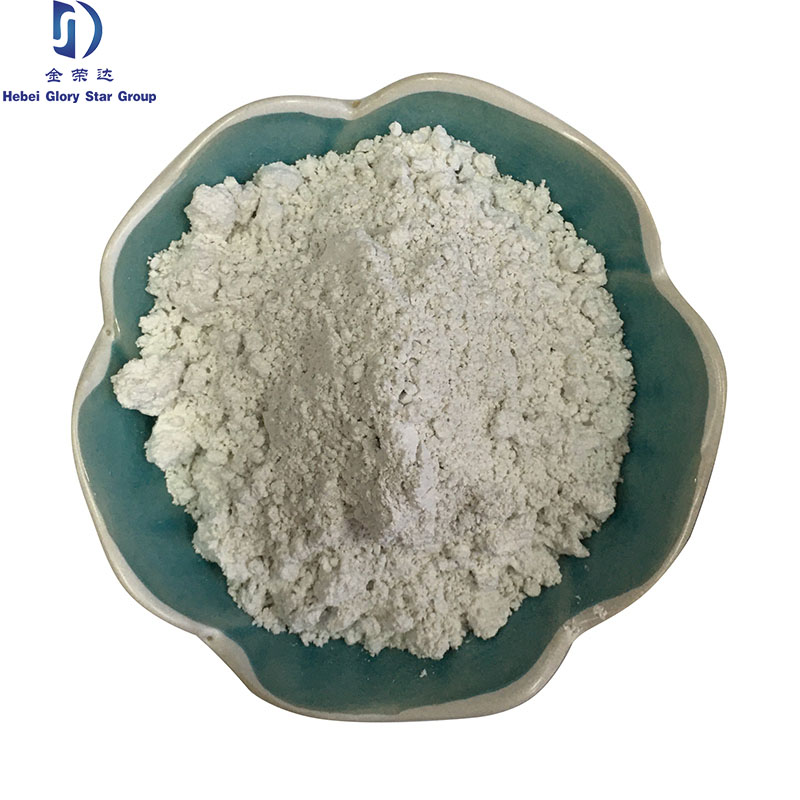
Product at a Glance
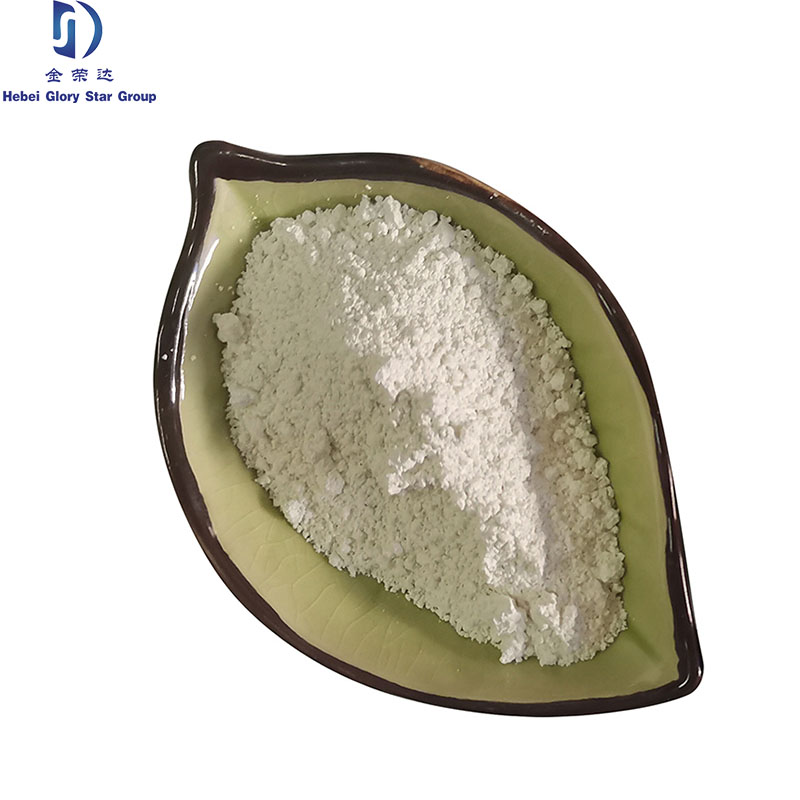
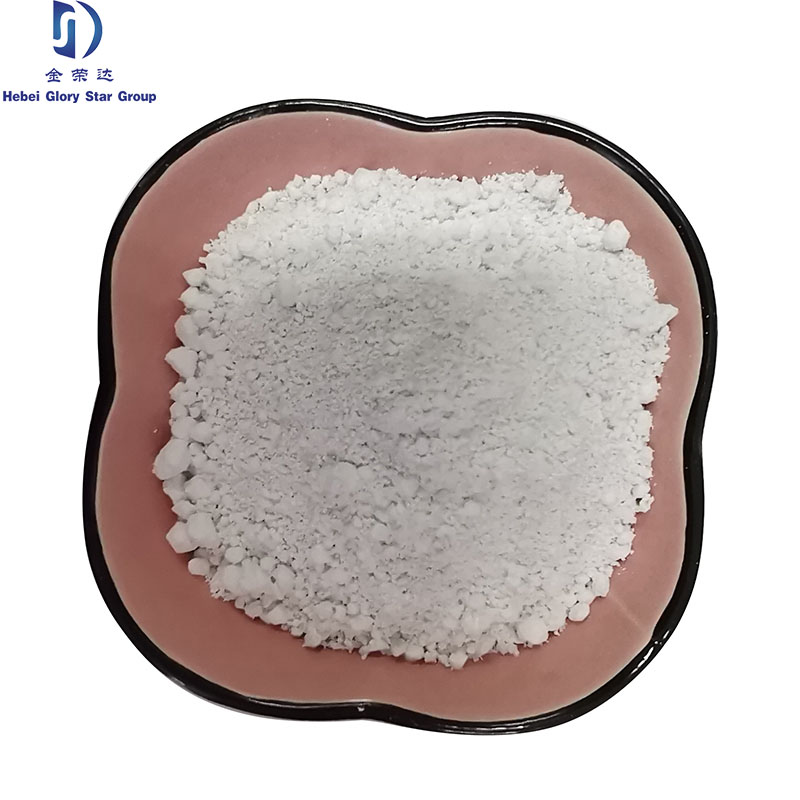
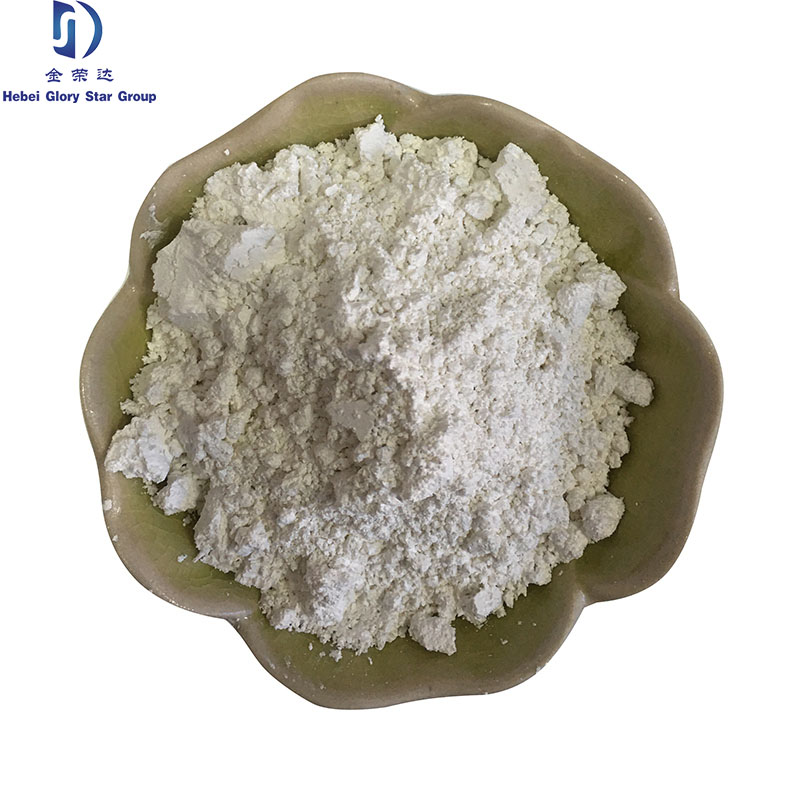
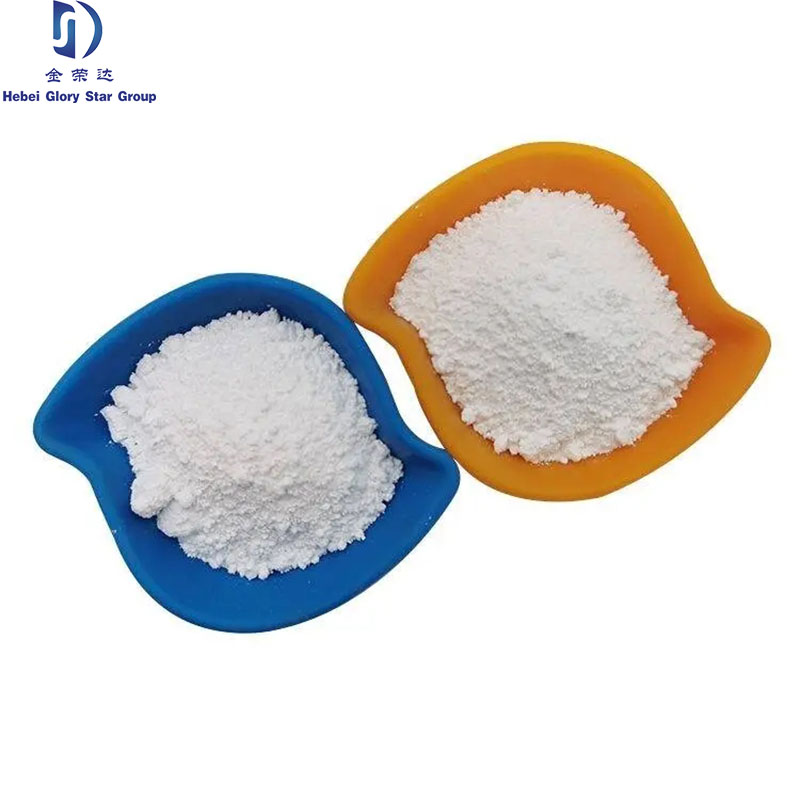
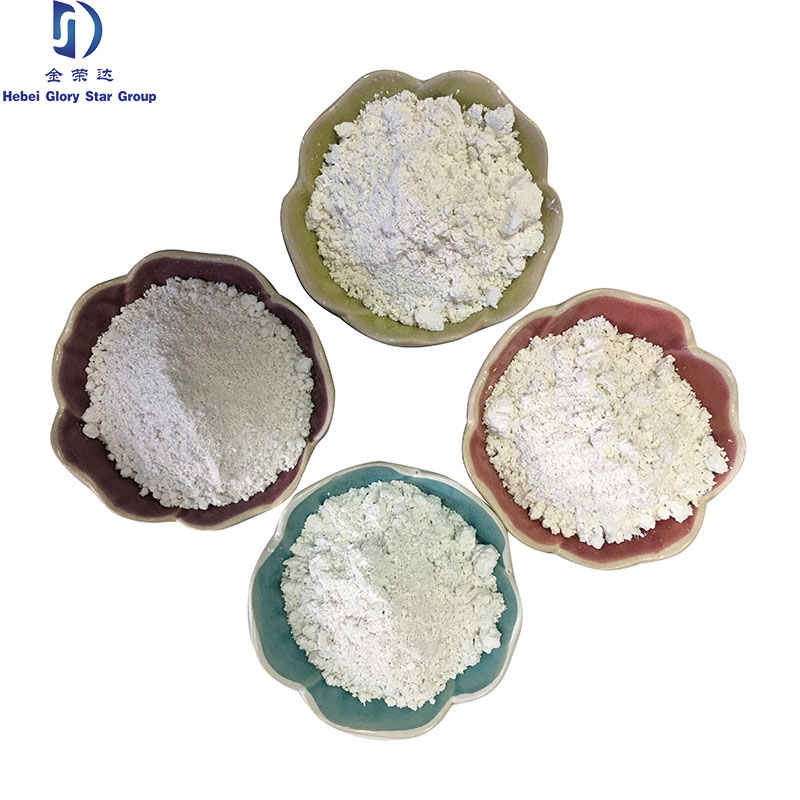
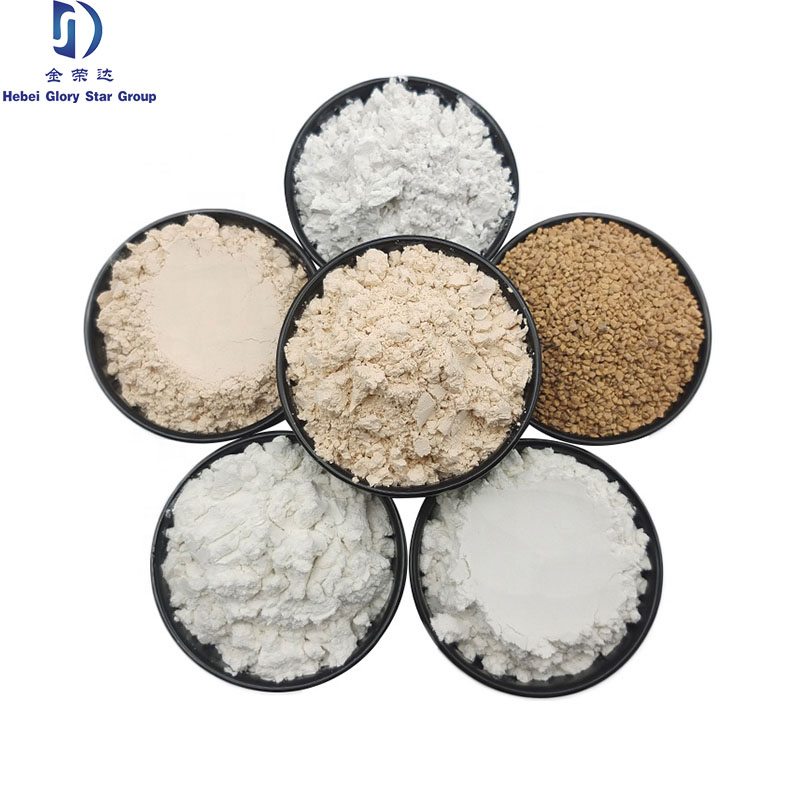
Product Name: Calcined Kaolin Clay 325mesh In Refractory Price Of Kaolin For Ceramic/Paints. Origin: 368 Youyi North Street, Shijiazhuang, Hebei, China. Composition includes kaolinite, halloysite, illite, quartz, feldspar—refined, calcined, and classified to 325 mesh. In fact, pure kaolin is white, soft, plastic, and famously fire-resistant—hence its steady fanbase.
Technical Specifications (typical, real-world use may vary)
| Form / Mesh | Calcined kaolin, 325 mesh |
| Al2O3 | ≈ 36–39% |
| SiO2 | ≈ 45–48% |
| TiO2 / Fe2O3 | TiO2 |
| Brightness (ISO/GE) | ≈ 90–93% |
| D50 (laser) | ≈ 1.0–1.6 μm |
| Residue @325 mesh | |
| pH | ≈ 5.0–6.5 |
| Oil absorption | ≈ 35–45 g/100g |
| PCE (refractoriness) | ≈ Cone 33–35 |
Testing and QC: laser PSD per ISO 13320; brightness per ISO 2470-1/TAPPI guidance; oil absorption per ASTM D281; color Lab via ASTM E308; sieve residue via ASTM E11; PCE per ASTM C24. Certificates: ISO 9001; REACH & RoHS declarations typically available on request.
Process Flow (how it’s made, nutshell version)
Selective mining → washing and classification → magnetic and flotation impurity removal → calcination (≈ 950–1050°C) to boost opacity and reduce LOI → milling and air-classification to 325 mesh → QC lab tests → packaging (25 kg bags or 1 MT jumbo). Service life: exterior paints ≈ 5–8 years depending on binder/UV; ceramic bodies/glazes—stable post-firing; refractory castables—>800 thermal cycles in typical maintenance schedules, to be honest, your mileage varies with slag chemistry.
Applications, Advantages, Little Gotchas
- Water-based paints: partial TiO2 replacement (often 8–15%) with sheen control and scrub resistance.
- Ceramics: whiteware, tiles; improves thermal shock and reduces warping. Many customers say pinholes drop after switching to calcined grades.
- Paper and board: brightness and printability; not news, still effective.
- Rubber/plastics/cables: reinforcement with good dielectric strength.
- Refractory fillers: stable mineral phase, good PCE.
Case notes: a mid-size tile plant reported ≈12% defect reduction in biscuit due to fewer organics post-calcination; a DIY paint brand shaved TiO2 by ~10% while holding contrast ratio ≥ 0.98 on Leneta cards (internal test set).
Vendor Snapshot (real-world buying questions)
| Vendor | Options | Certs | MOQ | Lead time | FOB/ton |
|---|---|---|---|---|---|
| Glorystar Export (Hebei) | 325 mesh; brightness tiers; tailored PSD | ISO 9001, REACH | ≈ 10–20 MT | ≈ 7–15 days | ≈ $180–320 |
| Generic Trader (multi-origin) | 325/400 mesh | Varies | ≈ 24 MT | ≈ 15–30 days | ≈ $200–350 |
| Local Mine Co‑op | Raw/hydrous, some calcined | Limited | Flexible | Short if stock | Market-dependent |
Customization: brightness windows, D50 tuning, anti-caking, low-Fe grades, bagging format. Dispatch from Hebei hub; honestly, freight swings with fuel and port congestion.
Trends I’m seeing
Paints are leaning harder on calcined kaolin for low‑VOC formulations; ceramics want tighter iron control; paper is steady but selective. Energy prices nudge calcination costs—so securing consistent kaolin clay for sale with locked specs is, I guess, less optional than it used to be. Feedback lately? Buyers like the balance of opacity and sheen control, as long as the PSD is consistent week to week.
Where to go from here? If you need lab samples, ask for COA + PSD curve + brightness data and do a quick drawdown or test firing. It’s faster than arguing in an inbox about 0.2 μm.
Need consistent kaolin clay for sale with ceramic/painters’ grade QC? Shortlist vendors that publish ISO 13320 PSD and ASTM D281 oil absorption on every lot—small detail, big headaches avoided.
Authoritative citations
- ISO 13320: Particle size analysis — Laser diffraction methods.
- ASTM D281: Oil Absorption of Pigments by Spatula Rub-Out.
- ISO 2470-1 / TAPPI brightness methods: Measurement of diffuse blue reflectance.
- ASTM C24: Pyrometric Cone Equivalent (refractoriness) of refractory materials.
- ISO 3262-7: Extenders for paints — Part on kaolin (calcined).
- USGS Mineral Commodity Summaries: Kaolin (latest edition).
Post time: Oct-27-2025


.png "About")