

Why Calcium Carbonate Remains a Staple in Industrial Applications
Having spent over a decade in the industrial equipment sector, I can honestly say calcium carbonate is one of those materials that quietly underpins so many processes but rarely gets the spotlight it deserves. Oddly enough, despite its humble mineral origins, it’s absolutely critical across a slew of industries—from plastics and paints to paper and construction.
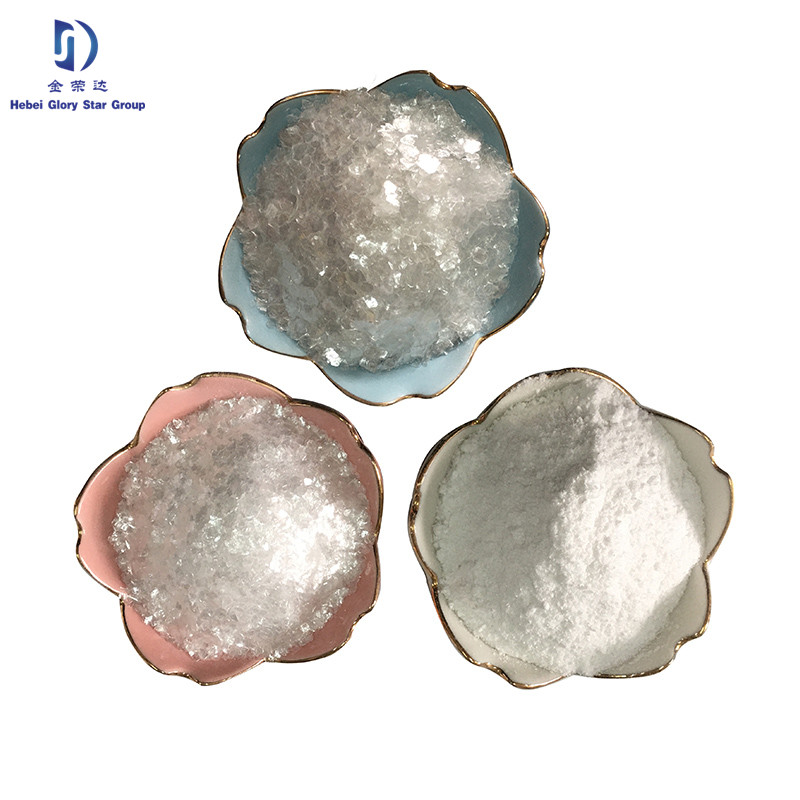
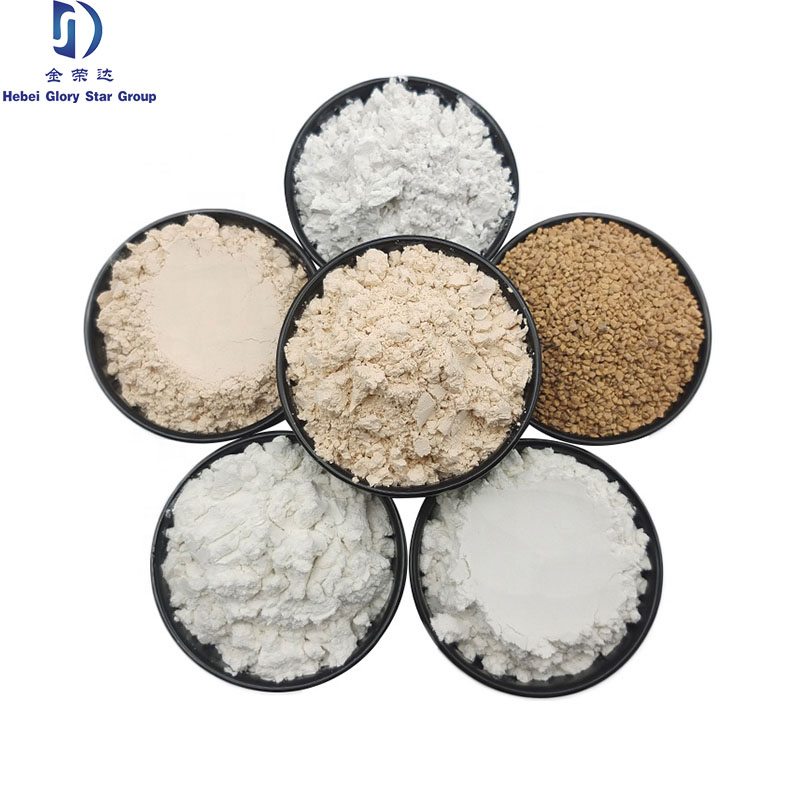
The thing about calcium carbonate is not just that it’s widely abundant, but that it’s so versatile. It’s derived from natural sources like limestone or produced synthetically, depending on the purity and particle size you need. I remember working with a customer in the paint manufacturing industry who wanted very fine, ultra-white calcium carbonate. The supplier recommended a nanoscale precipitated grade, and that really transformed the gloss and opacity of the paint. It felt almost magical how a product that simple could boost quality so dramatically.
Of course, not all calcium carbonates are created equal. Industry trends in recent years have favored products with more consistent particle size distribution and higher whiteness—qualities that help improve product performance significantly. Frankly, these finer grades push manufacturing costs up but pay off by enhancing the end product’s durability and appearance. Anyone specifying calcium carbonate knows how critical precise specs can be.
Typical Calcium Carbonate Product Specifications
| Specification | Value/Range | Units |
|---|---|---|
| Purity (CaCO3 content) | 95 - 99.5 | % |
| Brightness (ISO standard) | 92 - 98 | % |
| Particle size (D50) | 0.5 - 5 | microns |
| Moisture content | ≤1.5 | % |
| Oil absorption | 18 - 25 | g/100g |
Speaking from firsthand experience, product testing is a key step many overlook when selecting a calcium carbonate supplier. Testing goes beyond purity to include measuring particle shape, bulk density, and chemical inertness. Some producers, like those you find at Glorystar Export, provide extensive certificates of analysis, which frankly makes your life easier in QA.
Comparing Popular Calcium Carbonate Suppliers
| Feature | Glorystar Export | Competitor A | Competitor B |
|---|---|---|---|
| Purity (%) | 98 - 99.5 | 95 - 98 | 96 - 99 |
| Particle Size Range (μm) | 0.5 – 3 | 1 – 5 | 0.8 – 4 |
| Certification & Testing | Comprehensive COA & SGS | Partial Testing | ISO Approved |
| Bulk Supply Capacity | High (1000+ MT/month) | Medium (500 MT/month) | High (900 MT/month) |
| Price Competitiveness | Good | Better | Moderate |
One thing that stuck with me from working alongside procurement specialists is the rising emphasis on sustainability. More buyers nowadays want traceable sources with minimal environmental impact. That’s where suppliers like Glorystar comes in offering not just quality but accountability.
So, if you’re shopping around for calcium carbonate, remember it’s worth thinking beyond just price. The difference good particle size control, solid testing, and supplier transparency make is often hidden until you hit scale—then it’s game-changing.
In real terms, calcium carbonate still feels like one of those quietly indispensable materials. Many engineers say it’s the backbone of formulation innovation in their plants, and I’ve seen firsthand how the right grade can smooth out issues on production lines.
Anyway, next time you pass some white powder in your product specs, remember it’s kind of a hero you don’t always notice.
Keep an eye on product certifications and always sample before committing—trust me, it saves headaches down the line.
References:
- Industry reports on mineral fillers, 2022
- Technical data sheets from Glorystar Export
- Conversations with manufacturing QA teams, 2021-2023
Post time: Dec-11-2025







.png "About")