

What’s Really Inside Your Glow: A Field Note on Cosmetic Mica
If you’ve swatched a highlighter lately—or watched a car panel shimmer at dusk—you’ve probably met cosmetic mica, even if you didn’t know it. I’ve toured mills that turn rock into radiance; the story is part geology, part meticulous engineering. And honestly, the gap between “pretty powder” and “industrial-grade mineral technology” is smaller than most people think.
The Product at the Center
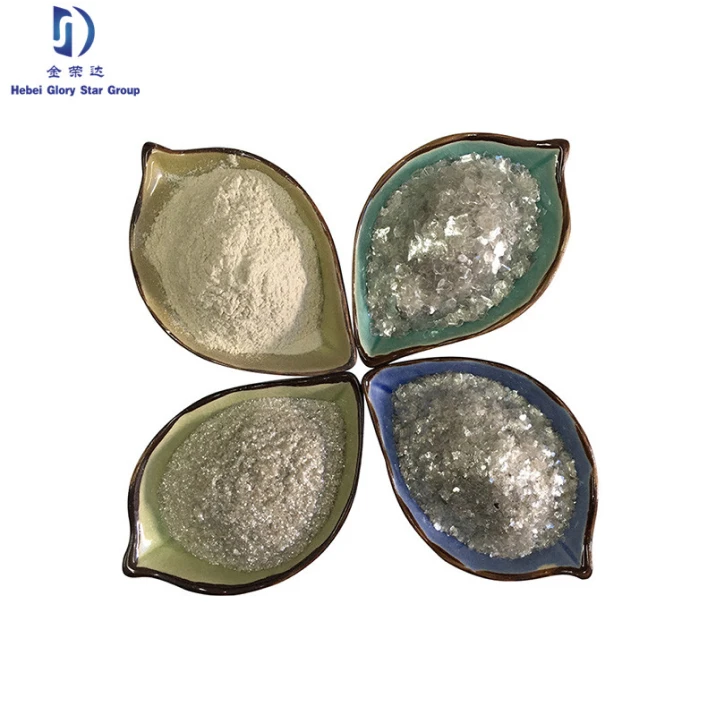
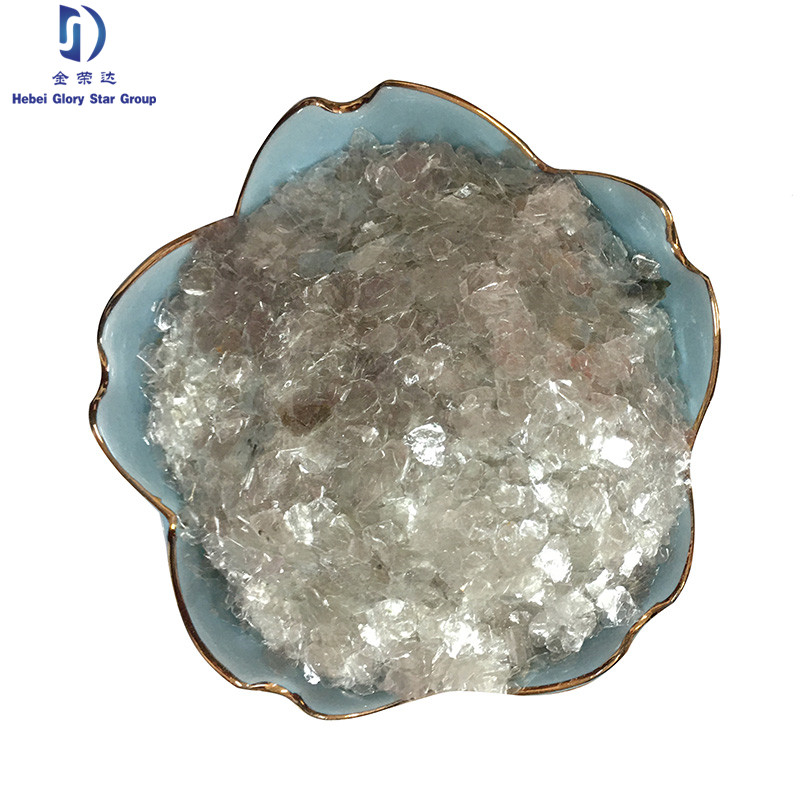
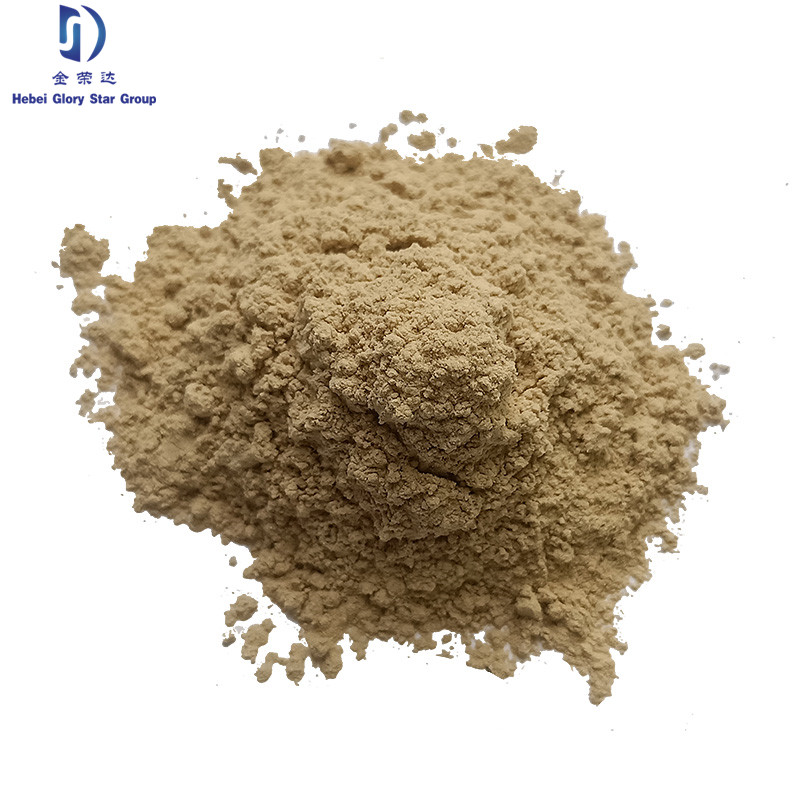
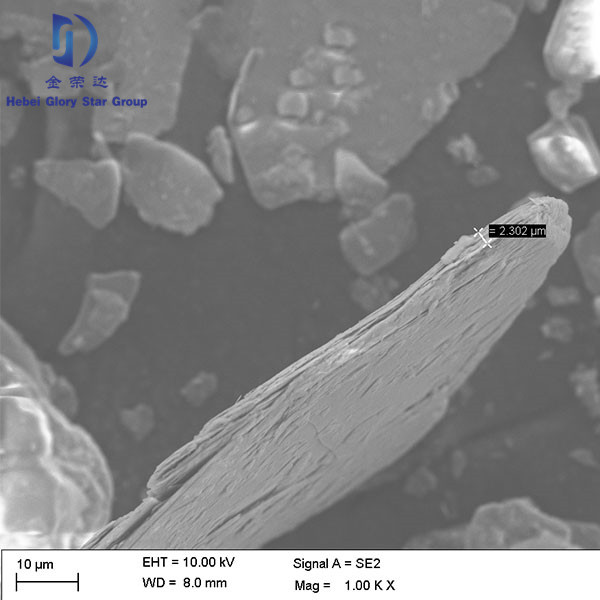
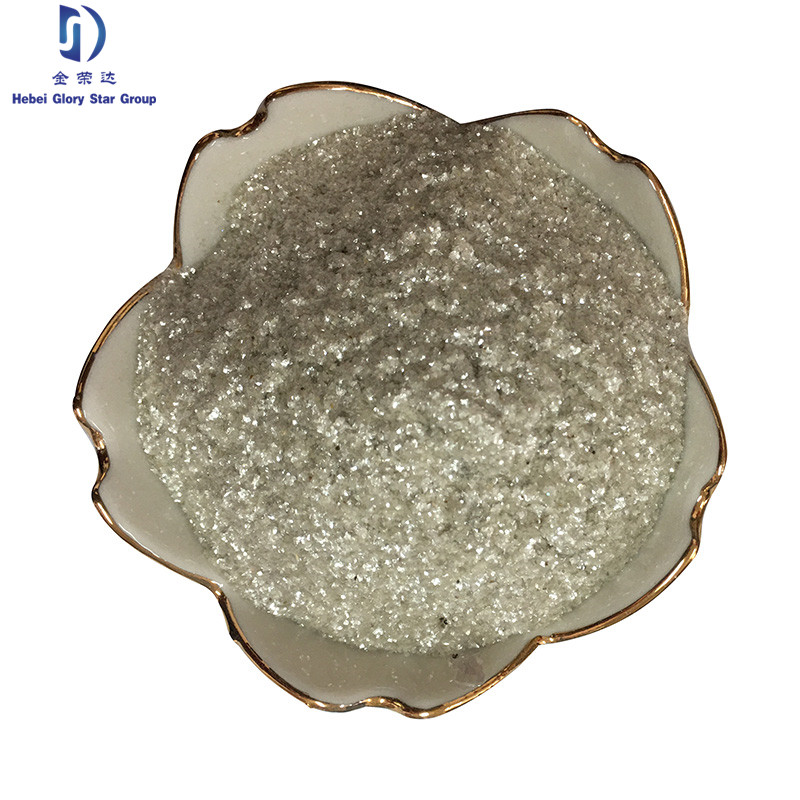
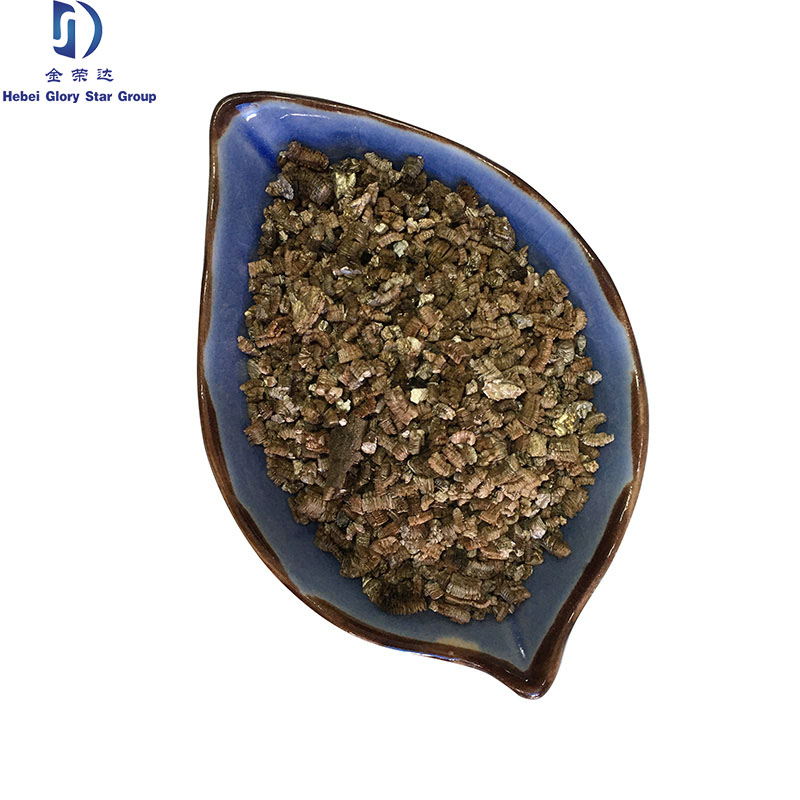
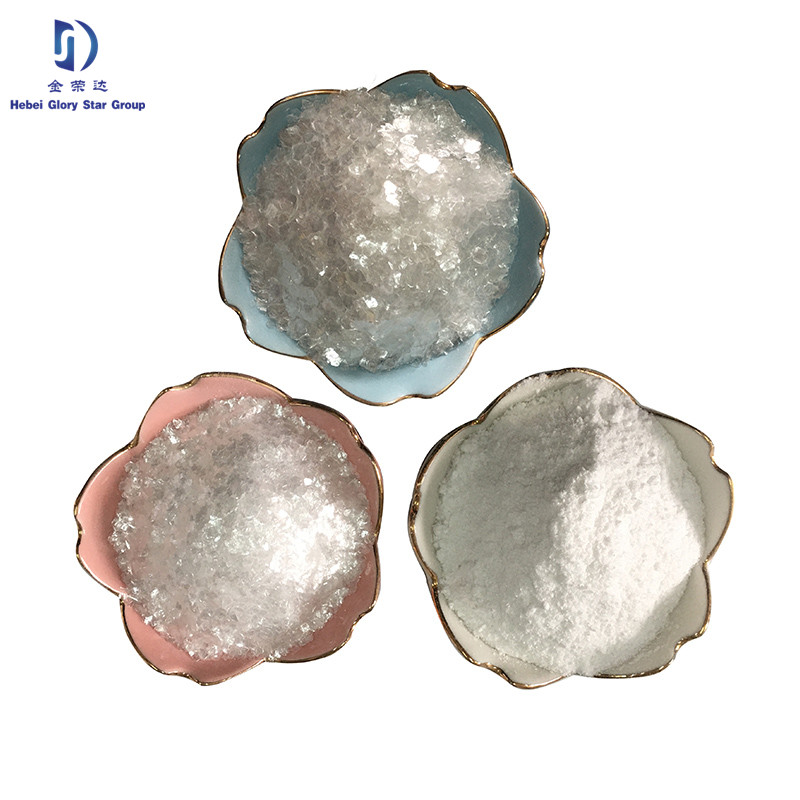
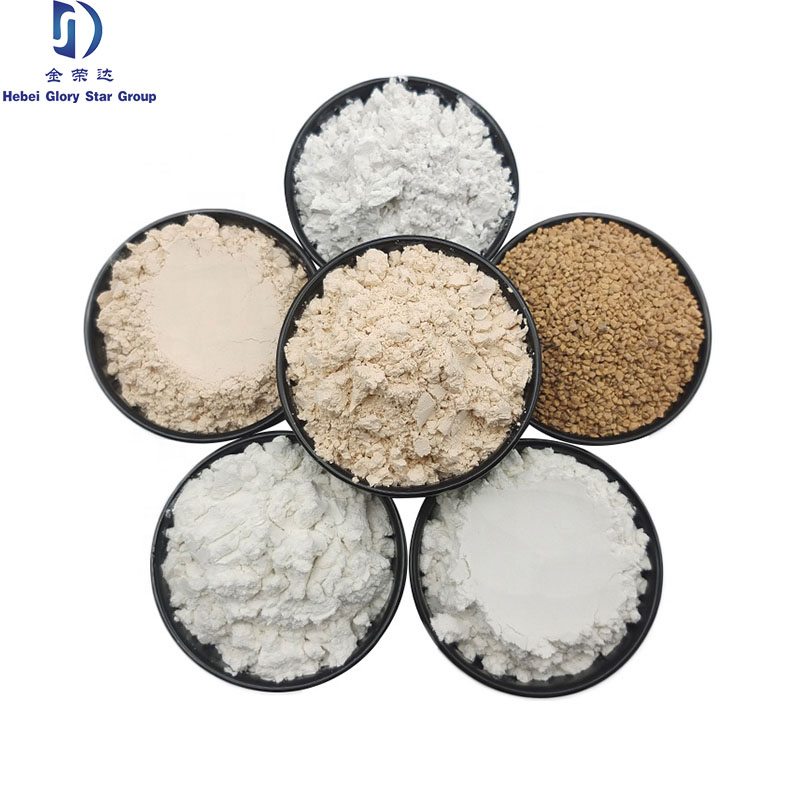
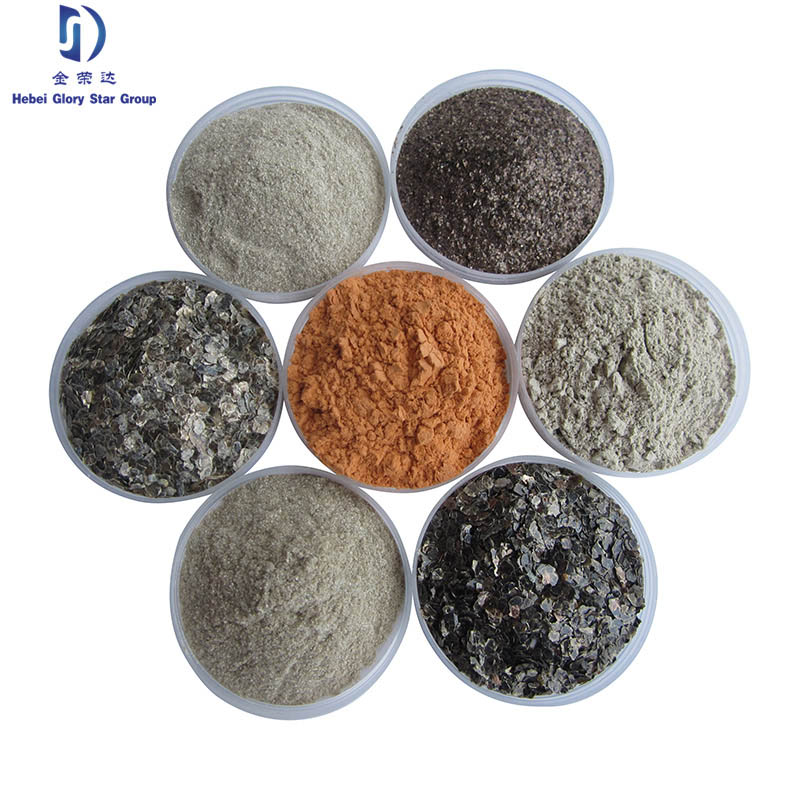
Muscovite Mica High Temperature Resistance For Cosmetic Paint Coating comes from 368 Youyi North Street, Shijiazhuang, Hebei, China. Muscovite (KAl2(AlSi3O10)(OH)2) is the workhorse of the mica family—about 90% of global use, industry folks say. Layered, light, and surprisingly tough against heat and oxidation. In cosmetics, cosmetic mica brings slip, soft focus, and a clean, stable shimmer; in coatings, it’s a barrier plate that resists heat and weathering.
Typical Specifications (lab data ≈ real-world may vary)
| Property | Typical Value | Test/Standard | Notes |
|---|---|---|---|
| Mineralogy | Muscovite (≥ 90%) | XRD | High lamellar purity |
| Particle size (D50) | ≈ 10–40 μm (customizable 5–150 μm) | ISO 13320 | Laser diffraction |
| Whiteness (L) | ≈ 92–96 | ASTM E313 | Affects brightness |
| Oil absorption | 30–45 g/100 g | ASTM D281 | Impacts feel/viscosity |
| Thermal stability | Up to ≈ 600–800°C | ASTM E1131 (TGA) | Calcined grades higher |
| Dielectric strength | > 100 kV/mm | ASTM D149 | Electrical insulation |
| Heavy metals | Pb | ICP-MS | Meets cosmetic limits |
Process Flow, Testing & Service Life
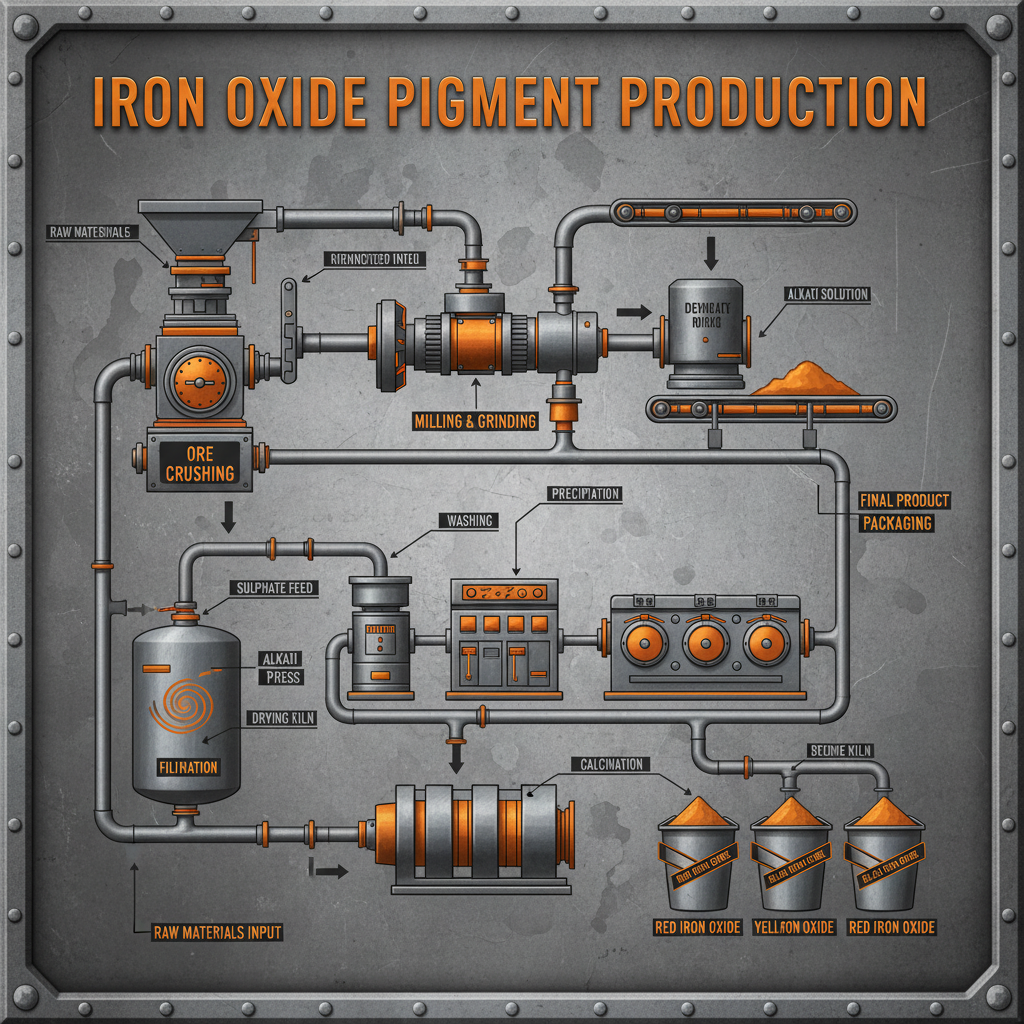
Selective mining → ore beneficiation → dry/wet grinding → classification & magnetic separation → optional calcination → surface treatment (e.g., silanes/fluorination for hydrophobicity) → microbial control → QA release. Microbe counts (TVC) typically
Where It’s Used
- Color cosmetics: eye shadow, highlighter, lip gloss, nail lacquer (soft-focus, slip, sparkle).
- Paints & coatings: automotive refinish, architectural pearlescents, coil coatings (heat/barrier).
- Plastics & rubber: dimensional stability, scratch masking.
- Electronics gaskets/insulators: leveraging dielectric properties.
Certifications often requested: ISO 9001, ISO 22716 (GMP for cosmetics), REACH registered, RoHS, and cosmetic color compliance (CI 77019). Many customers say switching to cosmetic mica improved payoff without chalkiness—subjective, sure, but we’ve seen similar panel data.
Vendor Snapshot (quick, practical view)
| Vendor | Grade Type | Purity | Heat Resistance | Lead Time | Certs |
|---|---|---|---|---|---|
| Glory Star Export | Muscovite, Calcined, Color flakes | High (≈ 90–98%) | Up to ≈ 800°C | ≈ 2–4 weeks | ISO, REACH, RoHS |
| Synthetic Mica Vendor | Fluorphlogopite | Ultra-high | Excellent | ≈ 4–6 weeks | ISO, Cosmetic GMP |
| Generic Supplier | Phlogopite blend | Medium | High | ≈ 3–5 weeks | Basic QC |
Customization & Real-World Notes
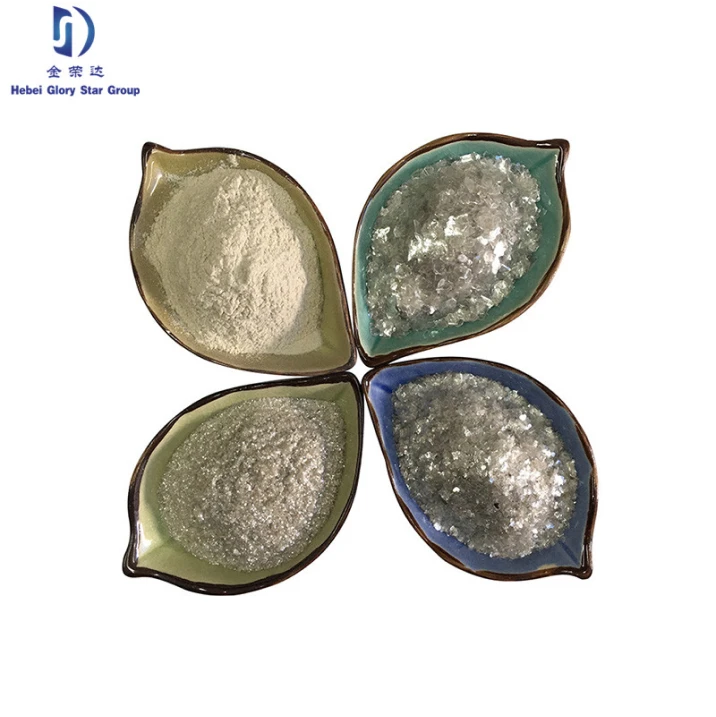
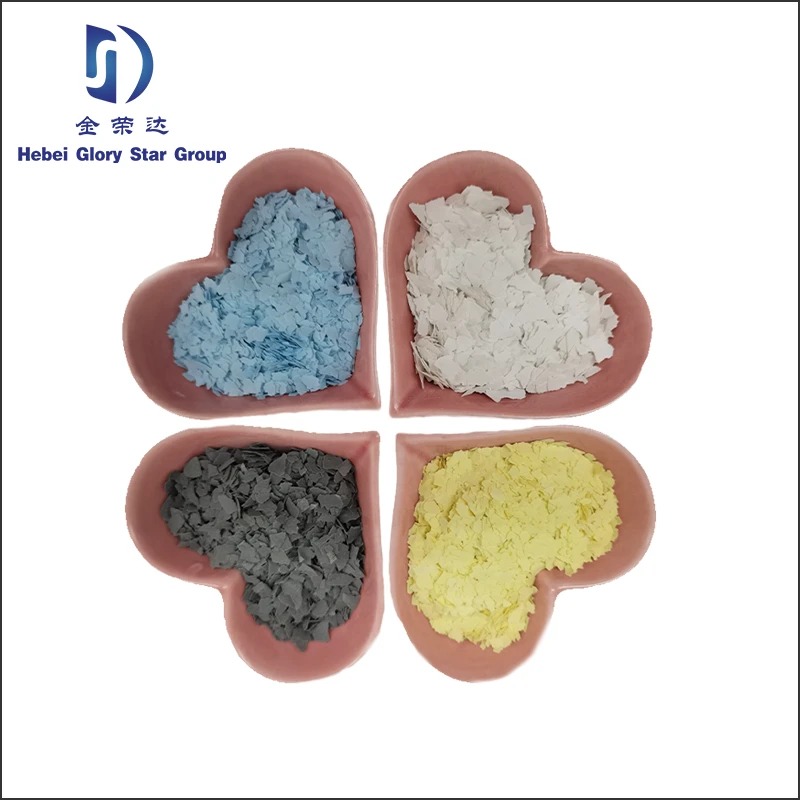
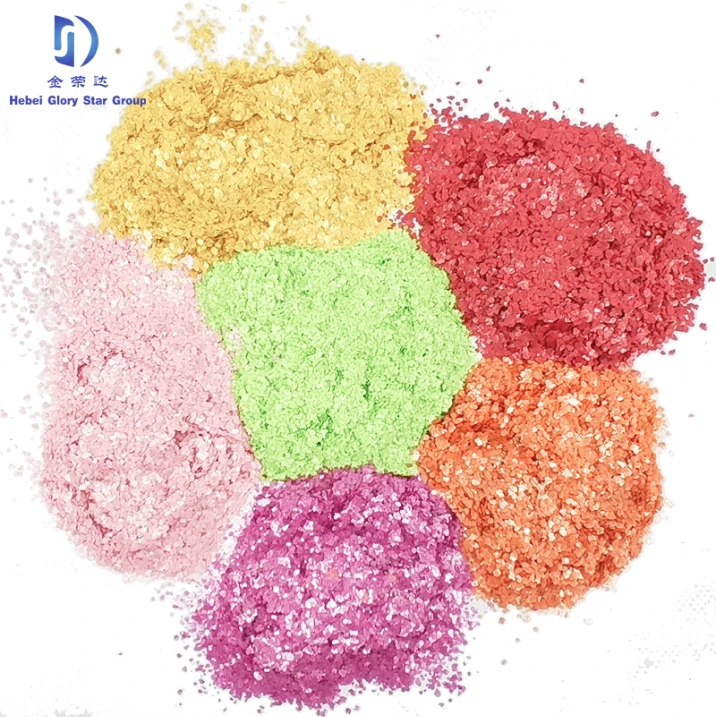
Custom cuts (D50 5–150 μm), surface treatments (aminosilane, triethoxy, fluorinated for hydrophobicity), color-coated flakes, conductive mica, and calcined grades. Packaging: 25 kg paper bags with PE liner or big-bags; COA + MSDS shipped. To be honest, the magic is matching particle size and surface finish to the base system—water-borne vs. anhydrous makes a huge difference.
Case Files
- Indie highlighter brand: swapped talc/filler blend for cosmetic mica D50 ≈ 15 μm; panelists reported smoother payoff and 8–10% improved wear time (in-house patch test, n=30).
- Automotive refinish shop: added 2–3% calcined mica to 2K polyurethane; saw better sag resistance and subtle pearlescent pop, with no impact on cure window.
Compliance Check
Look for CI 77019 listing, EU 1223/2009 compliance, ISO 22716 GMP, and REACH registration. For quality teams: PSD by ISO 13320, whiteness by ASTM E313, oil absorption ASTM D281, TGA ASTM E1131, dielectric ASTM D149, plus heavy metals by ICP-MS. It seems a touch bureaucratic, yes—but it’s how you keep shine safe and consistent.
Authoritative References
- US FDA Color Additive Listing: Mica (CI 77019).
- EU Cosmetic Regulation (EC) No 1223/2009.
- ISO 22716: Cosmetics — Good Manufacturing Practices.
- ISO 13320: Particle size analysis — Laser diffraction.
- ASTM E313: Whiteness Index.
- ASTM D281: Oil Absorption of Pigments.
- ASTM E1131: Thermogravimetric Analysis.
- ASTM D149: Dielectric Breakdown Voltage.
Post time: Oct-20-2025





.png "About")