

Understanding carbonated calcium: Insights from industry experience
Having spent years in the industrial equipment sector, I've come across a lot of materials—some surprisingly straightforward, others, frankly, more complex than they look on paper. Carbonated calcium, or calcium carbonate, is one of those substances that might seem simple at a glance, but in real terms, it packs subtle complexities critical for industrial applications. Oddly enough, it's ubiquitous yet often underappreciated.
From my experience, carbonated calcium fills an essential niche, especially as a filler, pigment, or neutralizer in manufacturing processes. What struck me early on was just how variations in particle size or purity could substantially affect performance. You know how many engineers say “the devil’s in the details”? With carbonated calcium, it’s spot-on.
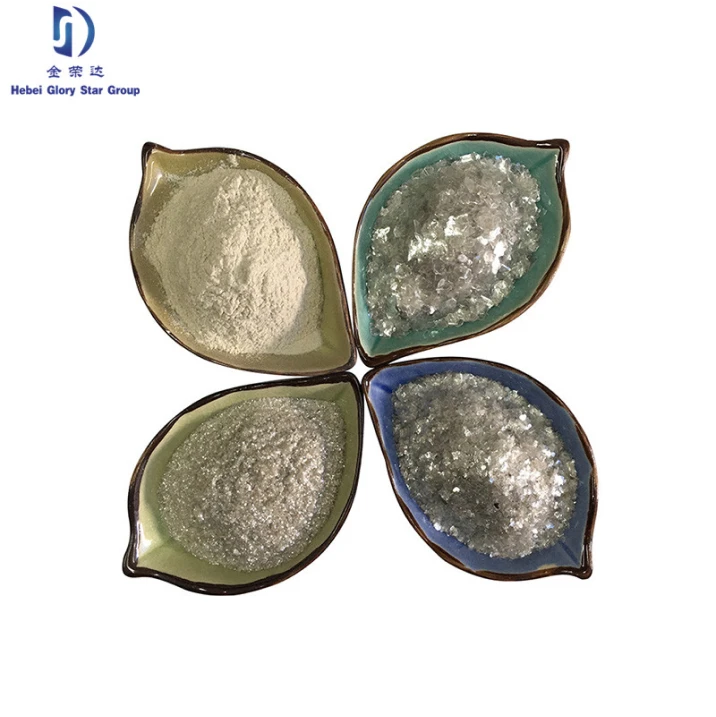
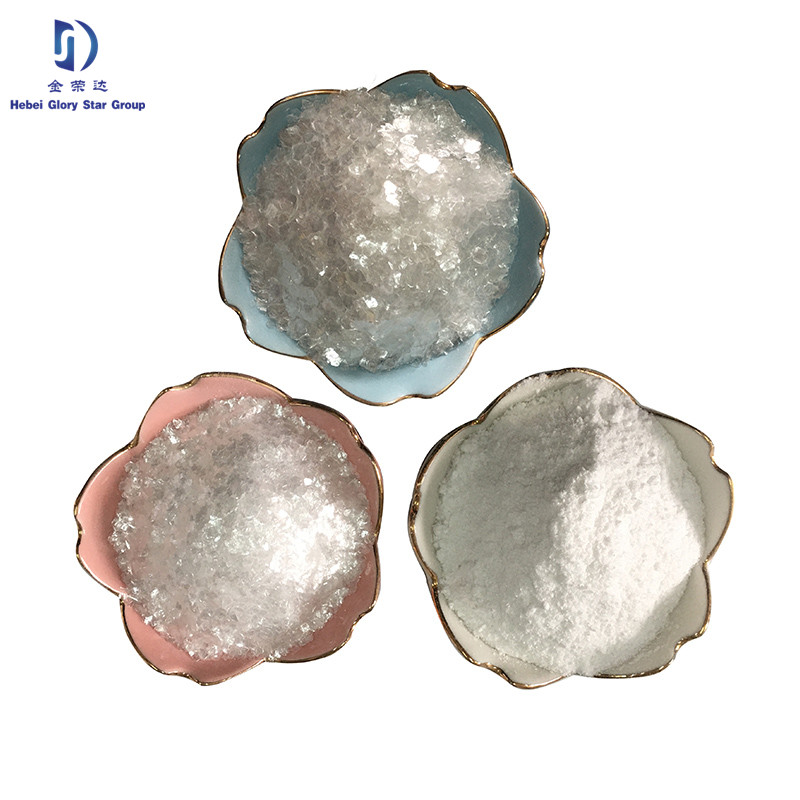
The product itself is usually sourced as a very fine white powder—something that looks almost mundane until you see it in action. The purity level typically varies between 90% to over 99% calcium carbonate, and those fractions can mean the difference between performance hit or hit-the-roof efficiency. It’s why controlling specs matters.
Just last year, I was involved in a project where the choice of carbonated calcium dramatically improved a client’s paint formula, achieving smoother finishes without upping costs. They noticed better dispersibility, which, frankly, surprised them at first since it seemed like such a small tweak.
The manufacturing process also deserves a mention. Grinding methods—sometimes wet, sometimes dry—can alter the physical properties in ways that are easy to miss but tough to ignore once you're mixing ingredients on an industrial scale.
Key product specifications for industrial-grade carbonated calcium
| Specification | Typical Value | Notes |
|---|---|---|
| Purity (CaCO₃ content) | 95% - 99% | Higher purity preferred for pharmaceuticals, paints |
| Particle Size (μm) | 1 - 10 (varies) | Affects texture & dispersibility |
| Moisture Content | ≤ 1% | Essential for storage stability |
| Bulk Density (g/cm³) | 0.9 - 1.2 | Impacts transport & handling |
Vendor comparison: sourcing carbonated calcium
| Vendor | Purity Range | Particle Size Options | Typical Lead Time | Special Services |
|---|---|---|---|---|
| Glory Star Export | 95% - 99.5% | 1 - 10 μm customizable | 2 weeks | Technical support & testing |
| Global Minerals Inc. | 93% - 98% | 2 - 8 μm | 3 weeks | Bulk pricing |
| PureCal Source | 96% - 99% | 0.5 - 5 μm, ultrafine | 1-2 weeks | Custom milling available |
In day-to-day industrial use, the subtle differences among vendors can have real impacts: lead time might not seem critical at first, but when production hangs in the balance, a couple of days make a world of difference. I always recommend partners who combine quality with responsive service—and that’s where I find carbonated calcium suppliers like Glory Star Export stand out.
Handling and storage are another chapter. Carbonated calcium is sensitive to moisture, so correct packaging and storage conditions signal professionalism. You don’t want clumping ruining your batch.
Reflecting on the industry, it’s clear carbonated calcium remains a quietly indispensable ingredient across sectors, from plastics to paper, construction to pharmaceuticals. Its balance of cost-effectiveness and versatility makes it a perennial favorite—and, honestly, I suppose I’m a little biased as someone who's tinkered with it more times than I could count.
So, if you’re weighing your options or just curious about what makes this material tick, remember: it’s the details, the consistent specs, and a reliable supply chain that ultimately win the day. It’s not just chalk dust — it’s an enabler.
A quick takeaway: when in doubt, prioritize purity, particle size customization, and supplier support. You’ll thank yourself when the machinery hums smoothly.
- Industry Handbook for Mineral Utilization, 2022
- Technical Data Sheets from key suppliers, 2023
- Personal project notes and client feedback, 2021-2023
Post time: Dec-11-2025




.png "About")