

Calcium Carbonate From Limestone is a key solution in the industry, specifically within manufacturing, construction, and chemical processing sectors. This article explores how Glory Star Export supports professionals with durable, high-performance products, and explains why this product is an ideal choice for businesses in these sectors.
Table of Contents
- Calcium Carbonate From Limestone Overview
- Benefits & Use Cases of Calcium Carbonate From Limestone
- Cost, Maintenance & User Experience
- Sustainability & Market Trends
Calcium Carbonate From Limestone Overview
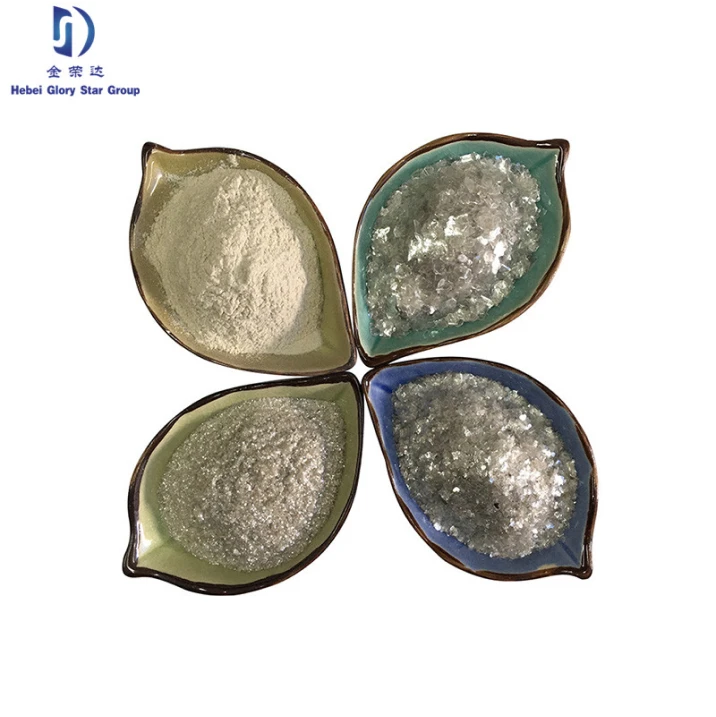
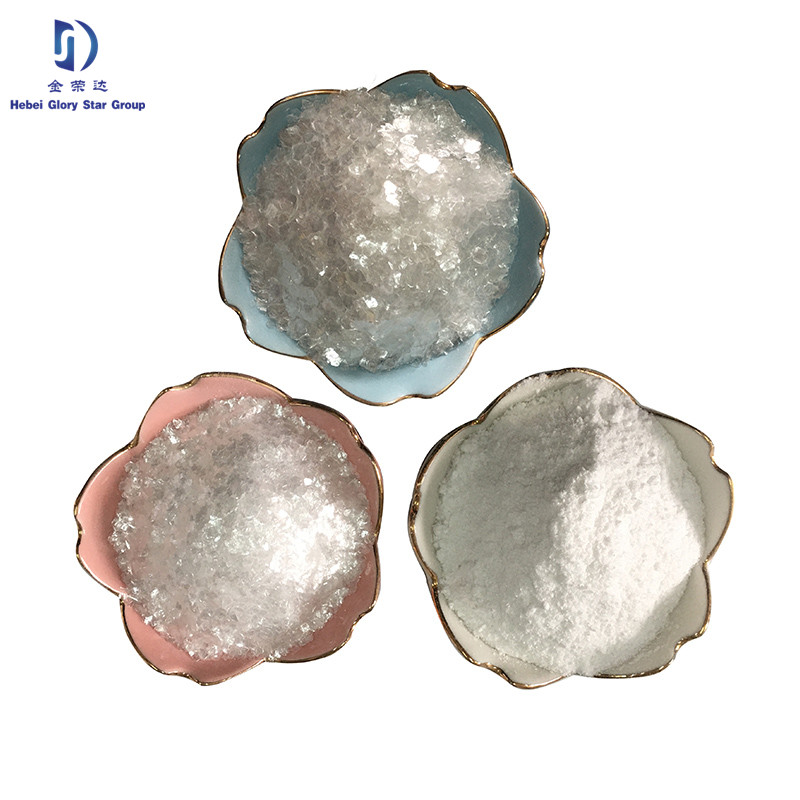
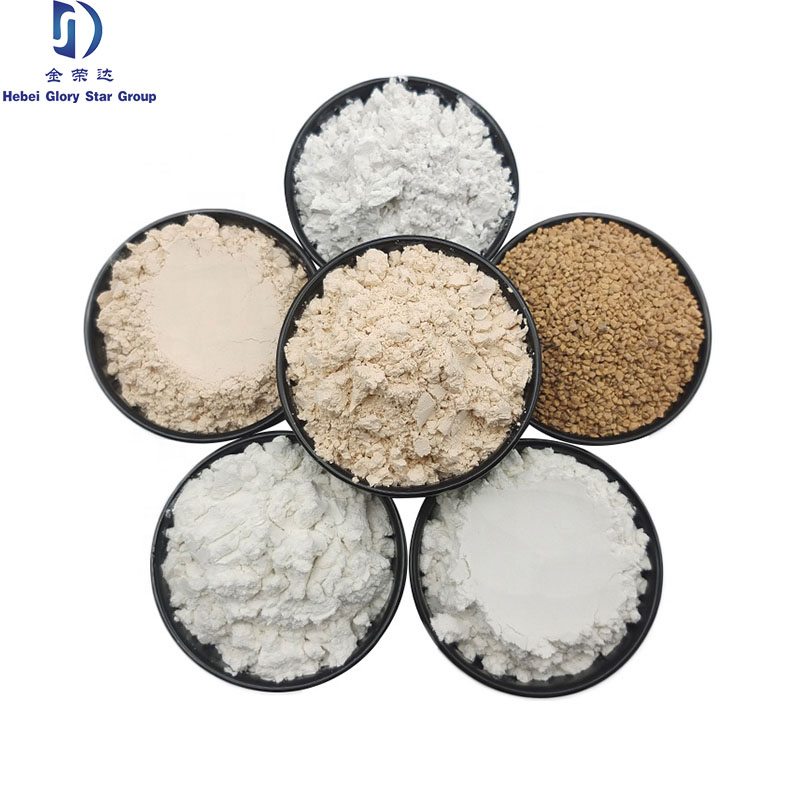
Calcium carbonate derived directly from limestone is an incredibly versatile mineral product, widely used as a filler, pigment, and functional additive across numerous industries. In real terms, it's basically the purest naturally occurring form extracted from limestone quarries, finely milled and processed for industrial use. The relevance of this product can’t be overstated — from plastic manufacturing to paper coatings, and even pharmaceuticals, it sits at the core of product formulations worldwide.
Technically, calcium carbonate from limestone typically contains 97–99% CaCO3 by weight, with particle sizes varying from micron-scale powders to fine granules. Glory Star Export emphasizes high purity and consistent particle size distribution, which ensures superior functionality and processing reliability. Interestingly, a recent case study with a European plastics firm noted enhanced brightness and tensile strength in their final products due to the quality of the calcium carbonate supplied.
| Property | Spec |
|---|---|
| Purity (CaCO3) | ≥ 97% |
| Particle Size (D97) | 1–5 microns |
| Bulk Density | 0.8–1.0 g/cm³ |
| Moisture Content | ≤ 0.5% |
| Whiteness (%) | ≥ 90% |
Benefits & Use Cases of Calcium Carbonate From Limestone
Frankly, the reasons calcium carbonate from limestone remains such a staple come down to its impressive mix of physical properties and cost-effectiveness. Industries benefit from its ability to improve product brightness, mechanical strength, and dimensional stability, while also reducing production costs. Many manufacturing engineers say it’s “kind of the secret ingredient” that tweaks formulations just right.
It shows up everywhere: in paper where it enhances opacity and print quality; in plastics, acting as a filler to improve stiffness and reduce weight; and even in paints and coatings to boost whiteness and durability. One competitive advantage of sourcing from Glory Star Export is the tailored size grades and treatment options, allowing companies to specify fine particle sizes for ultra-smooth surfaces, or coarser grades where texture matters.
Cost, Maintenance & User Experience
When considering total cost of ownership, calcium carbonate derived from limestone tends to be incredibly budget-friendly. The raw material availability helps keep prices stable compared to synthetic fillers. Plus, the durability it imparts to end products often translates into longer lifecycle and fewer failures — this is good news for ROI, obviously.
From direct feedback I’ve come across, customers in the paper packaging industry report less downtime thanks to the consistent quality and flow properties of these powders. They also note reduced wear on machinery, likely due to the product’s low abrasiveness. Maintenance isn’t usually a headache here. In real terms, that kind of reliability means production lines can just hum along without the usual hiccups related to poor filler materials.
| Feature | Glory Star Export | Competitor A | Competitor B |
|---|---|---|---|
| Purity | ≥ 97% | 95–96% | ≥ 98% |
| Particle Size Range | 1–5 micron adjustable | 2–7 micron | 3–6 micron |
| Customization | Available (size, coatings) | Limited | Yes, but higher MOQ |
| Customer Support | Responsive, technical assist | Basic support | Moderate |
Sustainability & Market Trends
Oddly enough, sustainability in mineral sourcing is becoming a bigger deal than many realize. Calcium carbonate from limestone is naturally abundant and generally suffers lower environmental footprints than synthetic alternatives. Regulatory pressure across Europe, North America, and Asia is pushing manufacturers toward eco-friendlier fillers — and this aligns well with the geological availability and relatively modest mining impact of limestone.
What’s also interesting is the rise of circular economy concepts — companies want materials that not only perform but also can be integrated into recycling streams without contamination or loss of quality. Calcium carbonate ticks those boxes. Industry analysts predict steady growth in demand through 2028, driven partly by the construction sector’s rebound and the expanding pharmaceutical and food industries making food-grade grades more sought-after than ever.
Frequently Asked Questions about Calcium Carbonate From Limestone
- What is Calcium Carbonate From Limestone and how does it work?
- Calcium carbonate from limestone is a naturally occurring mineral, primarily used as a filler or additive. It works by enhancing the brightness, opacity, and physical properties of products like plastics, paper, and paints. Because it’s finely ground limestone, it blends well and improves performance without costly synthetic substitutes.
- What are the main benefits of using Calcium Carbonate From Limestone in industrial applications?
- The key benefits include cost-effectiveness, consistent product quality, improved mechanical strength, and enhanced whiteness. It also reduces the use of expensive materials, improves processing efficiency, and supports longer product life cycles.
- How does Calcium Carbonate From Limestone compare to traditional alternatives?
- Compared to synthetic fillers or other mineral additives, it often costs less and provides more natural purity. It’s less abrasive than some alternatives, which means reduced wear on equipment. Moreover, it’s environmentally friendlier owing to its natural origin.
- What industries can benefit most from Calcium Carbonate From Limestone implementation?
- Industries such as plastics, paper production, paints and coatings, construction, pharmaceuticals, and food processing find great value in calcium carbonate from limestone. Each applies it uniquely, from improving plastic rigidity to boosting paper opacity or acting as a neutralizing agent in medicine.
Conclusion on Calcium Carbonate From Limestone from china
To wrap up, Calcium Carbonate From Limestone remains a cornerstone material across many industrial sectors, thanks to its purity, versatility, and sustainable nature. For B2B decision-makers looking for reliable, customizable mineral additives, it’s a choice that often brings tangible benefits and solid ROI. Interested parties should definitely visit our website: https://www.glorystarexport.com to explore product options and specifications.
Sometimes, the simplest stones really do shape the strongest developments—Calcium Carbonate From Limestone is one of those humble giants.
- Industry Mineral Report, 2023
- European Plastics Case Study, 2022
- Global Sustainability Trends in Construction Materials, 2024
Post time: Dec-11-2025



.png "About")