

Understanding Expanded Vermiculite Insulation: A B2B Perspective
In the realm of advanced material science and sustainable construction, expanded vermiculite insulation stands out as a highly versatile and high-performance solution. This article delves into its core attributes, manufacturing intricacies, diverse applications, and the compelling advantages it offers across various industrial and commercial sectors. As B2B decision-makers navigate complex material selections, understanding the technical depth and practical benefits of vermiculite is paramount for achieving optimal operational efficiency and environmental stewardship.
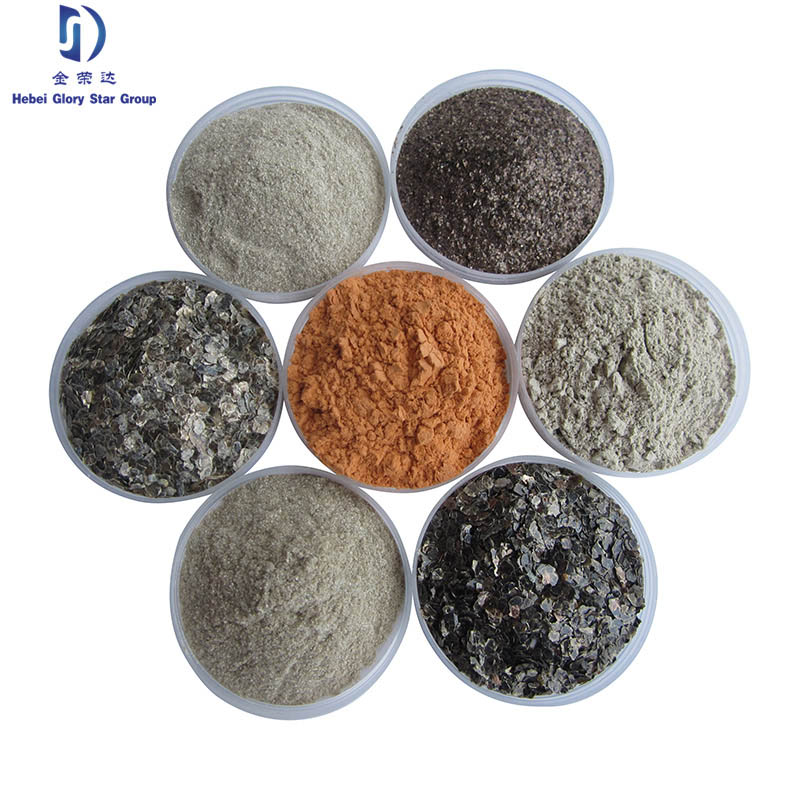
Vermiculite, a naturally occurring mineral, undergoes a specialized thermal expansion process to unlock its remarkable insulating properties. This process, known as exfoliation, transforms dense vermiculite ore into lightweight, porous granules with exceptional thermal and acoustic insulation capabilities. Its inherent fire resistance, inert nature, and low thermal conductivity make it an ideal choice for challenging environments where conventional insulation materials may fall short.
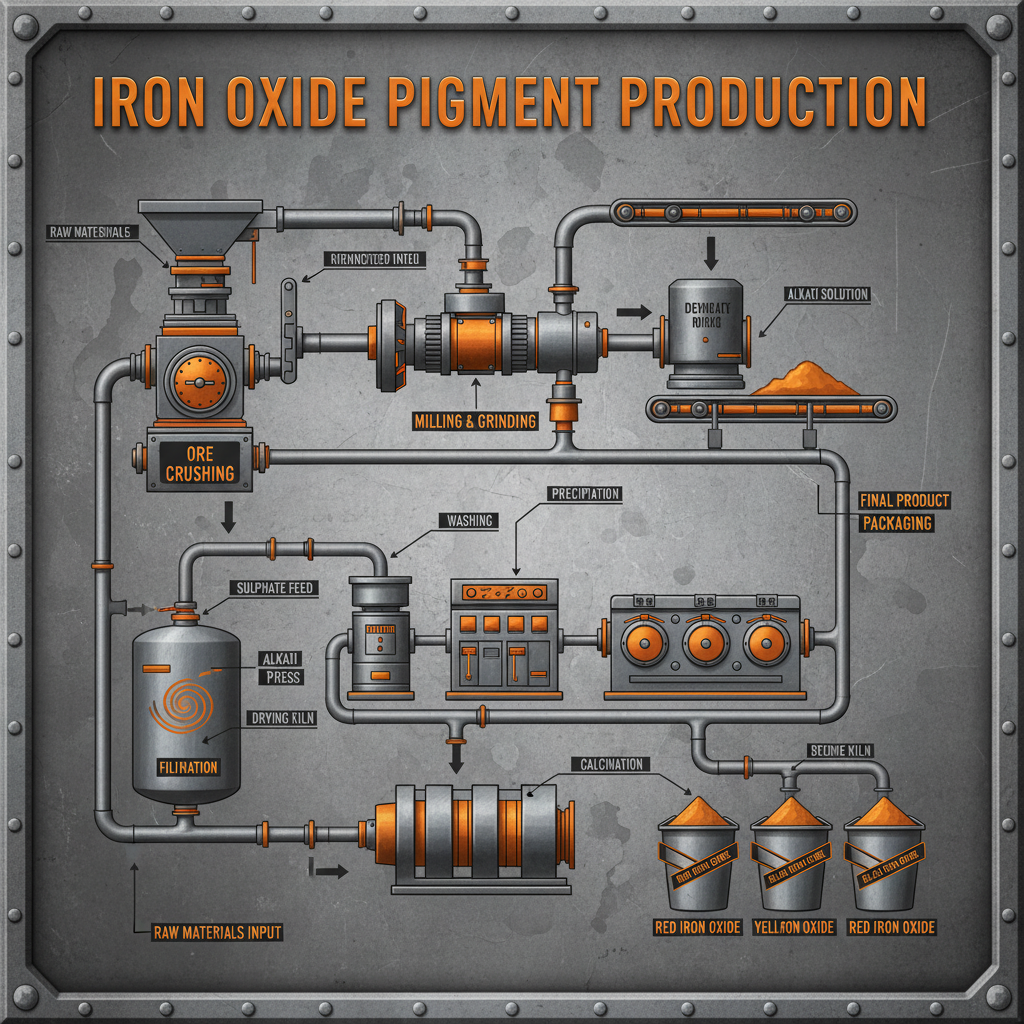
Process Flow: From Ore to High-Performance Insulation
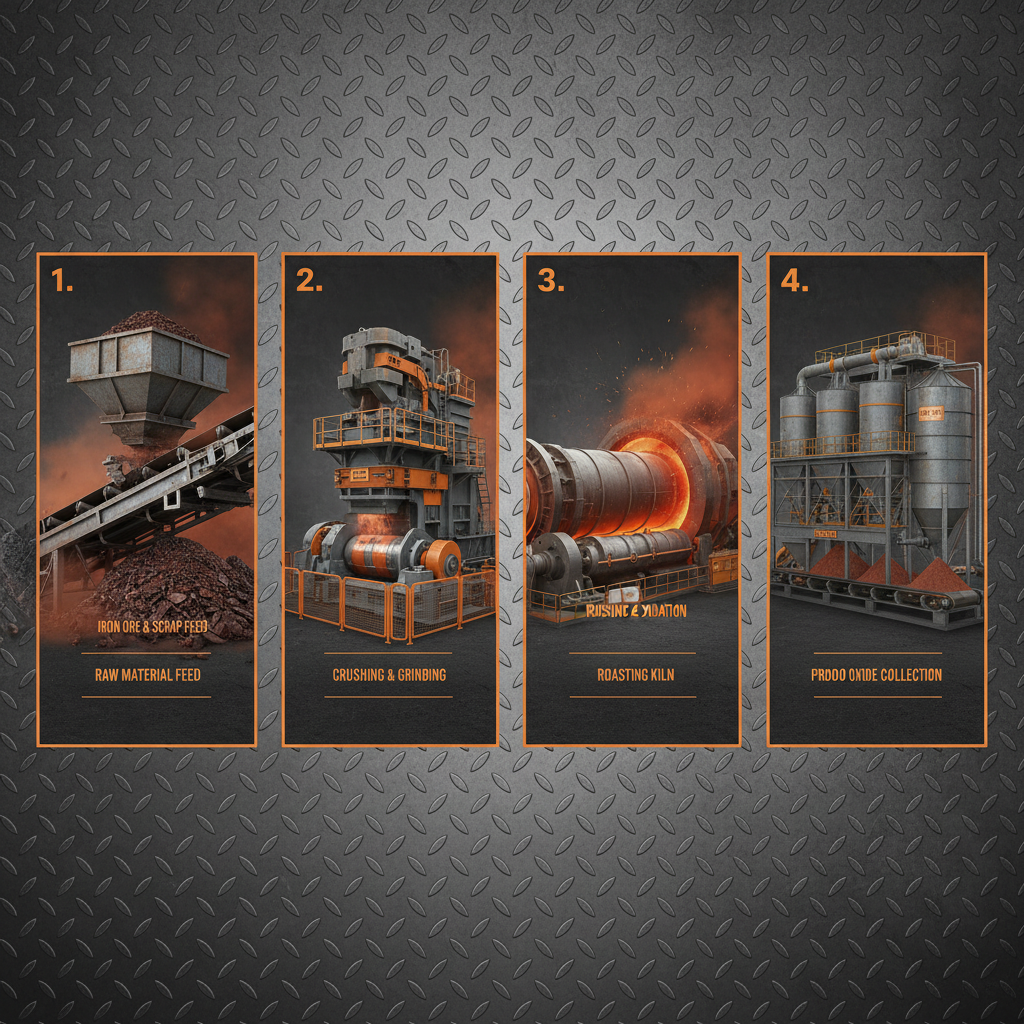
The transformation of raw vermiculite ore into expanded vermiculite insulation is a sophisticated industrial process primarily centered around thermal exfoliation. Unlike casting or forging, which are typical for metals, vermiculite's unique laminar structure allows for a dramatic physical expansion when subjected to rapid heating. The process ensures a consistent, high-quality product suitable for demanding B2B applications.
Manufacturing Process Steps:
- Mining and Ore Selection: High-quality vermiculite ore is extracted from deposits. Raw ore purity is critical, with emphasis on minimizing impurities like asbestos-form minerals.
- Crushing and Sizing: The raw ore is crushed and sieved into various grades, typically classified by particle size. This step is crucial for controlling the expansion characteristics and final product density.
- Pre-heating (Optional but beneficial): Some manufacturers employ a pre-heating stage to remove surface moisture, improving the efficiency of the main exfoliation furnace.
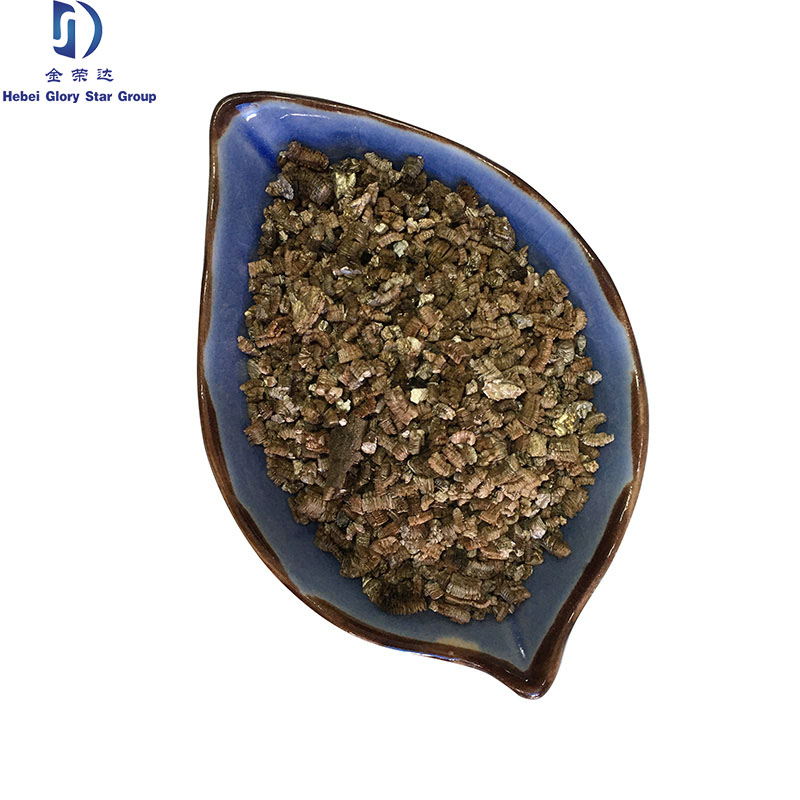
- Exfoliation (Rapid Heating): This is the core process. The sized vermiculite flakes are fed into a high-temperature furnace (typically 600-1000°C) for a very short duration. The rapid heating causes the interlayer water in the vermiculite structure to flash into steam, forcing the layers apart and expanding the particles up to 8-30 times their original volume. This results in the characteristic worm-like, lightweight structure of expanded vermiculite.
- Cooling: The exfoliated vermiculite is rapidly cooled to stabilize its expanded form and prevent degradation.
- Quality Control and Grading: The final product undergoes rigorous testing for bulk density, particle size distribution, thermal conductivity, and purity. Testing standards often align with ASTM (e.g., ASTM C516 for Vermiculite Loose Fill Insulation) and ISO specifications, ensuring consistent performance.
- Packaging: The expanded vermiculite insulation is then packaged, often as bulk vermiculite for sale, in bags or super sacks, ready for distribution to target industries.
Product Materials: Natural vermiculite ore. Service Life: Indefinite under normal conditions, as it is mineral-based and resistant to rot, decay, and insect infestation. Target Industries: Petrochemical, metallurgy, construction (residential & commercial), horticulture, fireproofing, cryogenics, and sound insulation.
Demonstrated Advantages in Typical Application Scenarios: In petrochemical facilities, expanded vermiculite insulation is vital for high-temperature pipe insulation, offering superior fire resistance and energy saving by minimizing heat loss. In metallurgy, it's used as a ladle topping compound for molten metal to prevent heat loss and oxidation. Its corrosion resistance makes it ideal for these demanding industrial settings.
Industry Trends and Market Dynamics
The global market for insulation materials is experiencing robust growth, driven by increasing energy efficiency regulations, the demand for sustainable building practices, and enhanced fire safety standards. Expanded vermiculite insulation is uniquely positioned within this landscape due to its non-toxic, inorganic, and fire-resistant properties.
Current trends indicate a heightened focus on materials with low embodied energy and long service life, reducing the environmental footprint of construction and industrial operations. There's a growing demand for insulation solutions that can perform exceptionally well in high-temperature applications, such as industrial furnaces, boilers, and specialized architectural fireproofing. The rising awareness regarding indoor air quality is also favoring inert and non-fibrous materials like vermiculite. Furthermore, the agricultural sector continues to drive demand for bulk vermiculite for sale, leveraging its water retention and aeration properties for horticultural grade applications. Market analysis suggests a steady compound annual growth rate (CAGR) for vermiculite, reflecting its consistent utility and adaptability across various critical sectors.
Technical Specifications and Performance Parameters
The performance of expanded vermiculite insulation is defined by a series of critical technical parameters that engineers and procurement specialists must consider. These specifications ensure the material meets the stringent demands of B2B applications, from thermal efficiency to structural integrity and safety.
Typical Product Specification Table (Illustrative):
| Parameter | Typical Value (Range) | Test Standard |
|---|---|---|
| Bulk Density (Loose Fill) | 80 - 160 kg/m³ | ASTM C520 |
| Thermal Conductivity (k-value) | 0.060 - 0.070 W/(m·K) at 23°C | ASTM C177 / ISO 8301 |
| Maximum Service Temperature | Up to 1100°C | Internal Test / Industry Standard |
| Fire Rating (Non-combustible) | Class A1 (EN 13501-1) | EN 13501-1 |
| pH Value | 6.0 - 9.0 (Neutral) | ASTM D1293 |
| Chemical Composition | Hydrous Magnesium Iron Aluminum Silicate | Typical Mineralogical Analysis |
Performance Comparison: Expanded Vermiculite vs. Other Insulations
To further illustrate its competitive advantages, a comparison with other common insulation materials highlights where expanded vermiculite insulation excels, particularly in specialized industrial contexts.
| Feature | Expanded Vermiculite | Mineral Wool (Rock/Slag Wool) | Polyurethane Foam (PIR/PUR) |
|---|---|---|---|
| Max Service Temp. | ~1100°C | ~700-800°C | ~120°C |
| Fire Resistance | Non-combustible (Class A1) | Non-combustible (Class A1) | Combustible, improved with PIR but still limited |
| Thermal Conductivity | ~0.060-0.070 W/(m·K) | ~0.035-0.045 W/(m·K) | ~0.023-0.028 W/(m·K) |
| Moisture Resistance | Good, inorganic, rot/mold resistant | Good, inorganic, can lose thermal performance if wet | Excellent, closed-cell structure |
| Application Focus | High-temp, fireproofing, loose-fill, horticultural | General building, industrial, acoustic | High R-value, roofing, cavity walls |
Application Scenarios and Technical Advantages
The unique combination of thermal, acoustic, and chemical properties of expanded vermiculite insulation makes it indispensable across a wide spectrum of industrial and commercial applications. Its ability to perform under extreme conditions, where other materials fail, underscores its technical superiority.
Key Application Scenarios:
- High-Temperature Insulation: In industrial furnaces, kilns, and flue liners, its ability to withstand temperatures up to 1100°C makes it a prime choice for efficient heat management and energy conservation in metallurgy, ceramics, and chemical processing.
- Fireproofing: Used as a component in fire-resistant boards, plasters, and sprays for structural steel, concrete, and timber. Its intumescent properties (swelling when heated) provide exceptional fire protection, meeting stringent building codes.
- Cryogenic Insulation: The low thermal conductivity of vermiculite at sub-zero temperatures makes it suitable for insulating liquid gas storage tanks and pipelines, particularly for LNG (Liquefied Natural Gas) and other cryogenic systems.
- Acoustic Insulation: Its porous structure absorbs sound waves, making it effective for noise reduction in industrial settings, auditoriums, and partition walls.
- Loose-Fill Insulation: For cavity walls, lofts, and inaccessible spaces in both new construction and retrofitting projects, providing excellent thermal performance without settling over time.
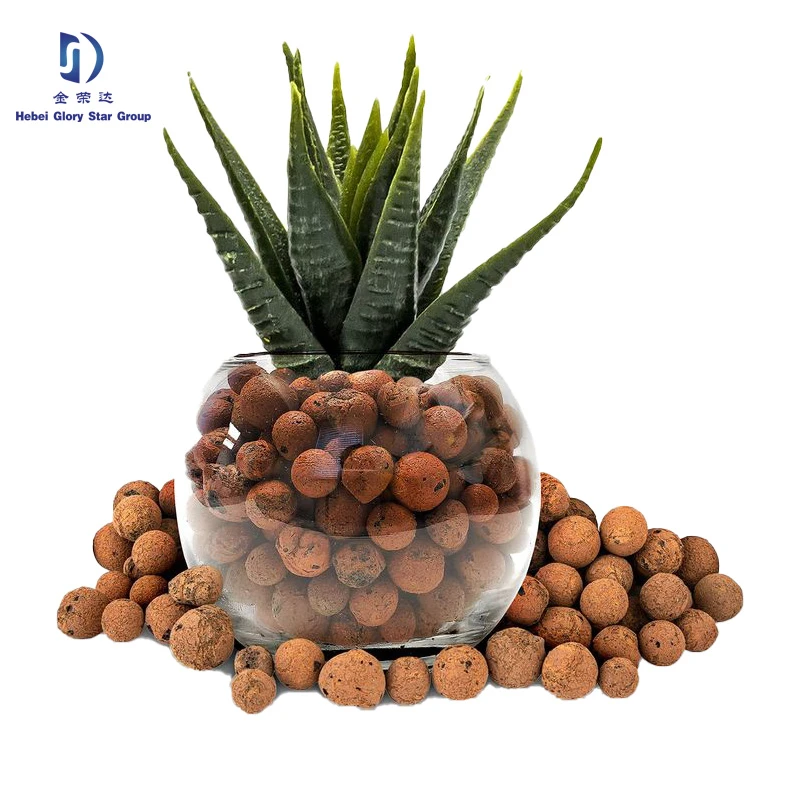
- Horticulture and Agriculture: As a soil amendment, it improves aeration, water retention, and nutrient availability, critical for commercial nurseries and plant propagation. This represents a significant segment for bulk vermiculite for sale.
Technical Advantages:
- Superior Thermal Performance: Low thermal conductivity ensures effective heat retention or exclusion, leading to significant energy savings in industrial processes and building HVAC systems.
- Exceptional Fire Resistance: Non-combustible and can withstand temperatures exceeding 1000°C without melting or releasing toxic fumes, providing critical fire protection.
- Chemical Inertness: Resistant to most chemicals, acids, and alkalis, making it durable in corrosive industrial environments like petrochemical plants and wastewater treatment facilities.
- Lightweight: Its low bulk density reduces structural load in construction and makes handling and installation easier.
- Non-Toxic and Safe: As an inorganic mineral, it is naturally occurring, asbestos-free, and does not pose health risks associated with synthetic fibers, ensuring a safer working environment.
- Eco-Friendly: Produced from a naturally abundant mineral, it is sustainable and recyclable, aligning with green building initiatives and corporate environmental responsibilities.
Vendor Comparison and Customized Solutions
Selecting the right vendor for expanded vermiculite insulation is a critical decision for B2B enterprises. Beyond just product specifications, a reliable partner offers consistent quality, technical support, and the flexibility for customized solutions.
Key Considerations for Vendor Comparison:
- Certifications and Standards: Verify compliance with international standards such as ISO 9001 (Quality Management), ISO 14001 (Environmental Management), and specific product standards like ASTM C516.
- Supply Chain Reliability: Assess the vendor's ability to ensure consistent supply, especially for bulk vermiculite for sale, and their logistics capabilities to meet project timelines.
- Technical Support and Expertise: A strong vendor provides expert advice on product selection, application methods, and problem-solving. This includes material scientists and application engineers.
- Customization Capabilities: The ability to provide vermiculite in specific grades, particle sizes, or blended with other materials to meet unique project requirements.
- Pricing and Value Proposition: While cost is a factor, focus on the overall value, including product performance, longevity, and total cost of ownership (TCO).
Customized Solutions: Tailoring Vermiculite to Your Needs
Leading manufacturers understand that one size does not fit all. We offer bespoke solutions to optimize expanded vermiculite insulation for highly specialized applications.
- Granulometry Control: Producing specific particle size distributions for loose-fill applications, specialized aggregates, or horticulture.
- Surface Treatment: Imparting water repellency or other functional properties for specific environmental exposures.
- Pre-Blended Mixes: Supplying vermiculite pre-blended with binders, cements, or other additives for fireproofing renders or lightweight concrete.
- Packaging Solutions: Offering various packaging options from small bags for specialized applications to large industrial bulk sacks for extensive projects, catering to diverse logistical requirements.
Application Case Studies: Proven Performance in Real-World Scenarios
The efficacy of expanded vermiculite insulation is best demonstrated through its successful deployment in critical industrial and commercial projects. These case studies highlight its robust performance and the value it brings to diverse sectors.
Case Study 1: Petrochemical Refinery Fireproofing
- Client: A major international petrochemical corporation.
- Challenge: Ensuring critical structural steel elements in a new processing unit were protected against hydrocarbon fires, which can reach extreme temperatures rapidly. Conventional cementitious fireproofing was too heavy and prone to cracking under thermal shock.
- Solution: Utilization of vermiculite-based spray fireproofing. The lightweight nature reduced structural loading, and its exceptional thermal stability and inertness provided an extended fire resistance rating (up to 4 hours) as per UL 1709 standards.
- Outcome: Enhanced safety and compliance with international fire safety regulations, with a durable and low-maintenance fire protection system that delivered superior thermal insulation simultaneously, reducing operational heat loss.
Case Study 2: Commercial Horticultural Nursery Soil Amendment
- Client: A large-scale commercial nursery specializing in ornamental plants and seedlings.
- Challenge: Optimizing growing media for consistent moisture retention, aeration, and nutrient uptake across millions of plants, ensuring high germination rates and healthy growth while managing water usage efficiently.
- Solution: Incorporation of horticultural grade bulk vermiculite for sale into their custom soil mixes. The vermiculite’s lamellar structure absorbed water and nutrients, slowly releasing them, while its expanded form improved soil aeration and drainage, preventing root rot.
- Outcome: A significant increase in seedling viability, reduced irrigation frequency (leading to water savings), and a more robust root development across their entire production, enhancing overall crop quality and yield.

Frequently Asked Questions (FAQ)
Q: Is expanded vermiculite insulation safe?
A: Yes, modern expanded vermiculite insulation is rigorously tested to be asbestos-free. It is a naturally occurring, inert mineral, non-toxic, and safe for use in various applications, including those requiring high indoor air quality standards.
Q: What is the lead time for large orders of bulk vermiculite for sale?
A: Our standard lead time for bulk orders typically ranges from 2-4 weeks, depending on the volume and specific customization requirements. Expedited shipping options are available upon request and project criticality. We maintain significant inventory to fulfill urgent demands.
Q: What warranty is offered on your expanded vermiculite products?
A: We offer a comprehensive product warranty covering material integrity and performance in accordance with our published specifications for an indefinite period, given its mineral stability. This ensures peace of mind regarding the long-term durability and effectiveness of our expanded vermiculite insulation. Specific warranty details are provided with each order or upon request.
Q: How do I get technical support for my application?
A: Our dedicated technical support team, comprising experienced material scientists and application engineers, is available to assist with product selection, installation guidance, and performance optimization. You can reach us via phone, email, or through our website's contact form. We pride ourselves on responsive and knowledgeable customer service, ensuring our clients achieve optimal results.
Conclusion
Expanded vermiculite insulation represents a critical material in the modern industrial and construction landscape, offering an unparalleled blend of thermal efficiency, fire safety, and environmental responsibility. Its proven performance across demanding applications, coupled with the flexibility of customized solutions, positions it as a preferred choice for B2B enterprises seeking robust, long-lasting, and high-performance insulation solutions. Partnering with a reputable vendor ensures access to high-quality products, reliable supply chains, and expert technical guidance, driving operational excellence and sustainable growth.
Authoritative References
- ASTM C516/C516M-19, Standard Specification for Vermiculite Loose Fill Thermal Insulation, ASTM International, West Conshohocken, PA, 2019.
- Vermiculite Association. "The Uses of Vermiculite." The Vermiculite Association, vermiculite.org.
- International Organization for Standardization (ISO). "ISO 8301: Thermal insulation - Determination of steady-state thermal resistance and related properties - Heat flow meter apparatus."
- European Standard EN 13501-1: Fire classification of construction products and building elements - Part 1: Classification using data from reaction to fire tests.
- U.S. Environmental Protection Agency (EPA). "Vermiculite." EPA, epa.gov.
Post time: Sep-23-2025
.png "About")