

Calcium Carbonate Bulk: The Unsung Giant of Global Industry and Sustainability
Calcium carbonate might just be the quiet workhorse behind many of the products and industries we rely on daily. When we talk about calcium carbonate bulk, it’s about large-scale raw material supply that drives everything from construction to plastics and environmental applications. This mineral compound isn’t flashy, but its role is huge—both economically and environmentally. Understanding bulk calcium carbonate helps reveal how modern society balances industrial growth with sustainability and cost efficiency.
Global Relevance: Why Bulk Calcium Carbonate Matters
Globally, calcium carbonate is produced and consumed in millions of tons annually—it's one of the most abundant minerals after quartz. According to the United States Geological Survey, over 150 million metric tons are mined worldwide each year. The demand spans continents, from Asia's booming construction sectors to Europe’s advanced paper industries. The biggest challenge? Meeting this demand sustainably while reducing environmental impact.
Industries increasingly seek bulk calcium carbonate not just for volume, but for consistent quality and eco-friendly sourcing. Frankly, it’s about more than just filler material—it’s a strategic resource in the green transition of industrial processes.
What Is Calcium Carbonate Bulk?
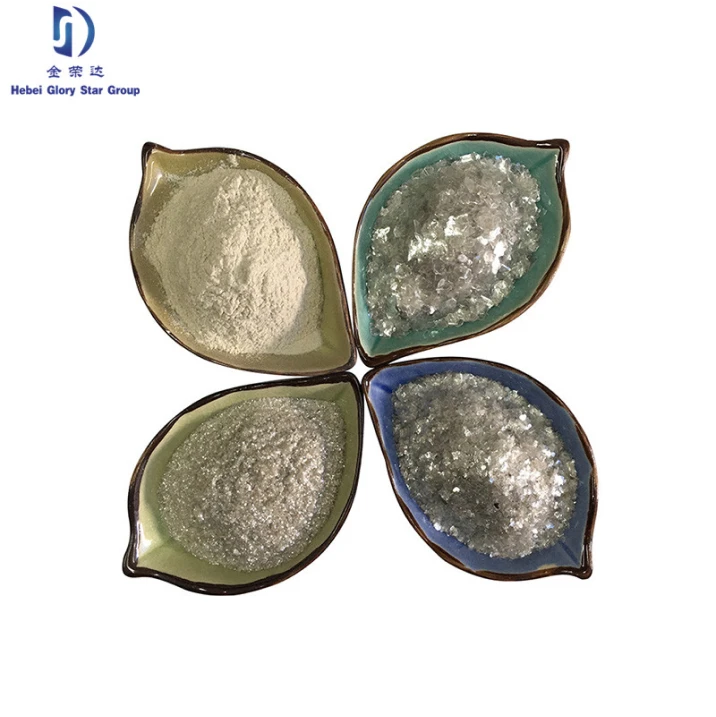
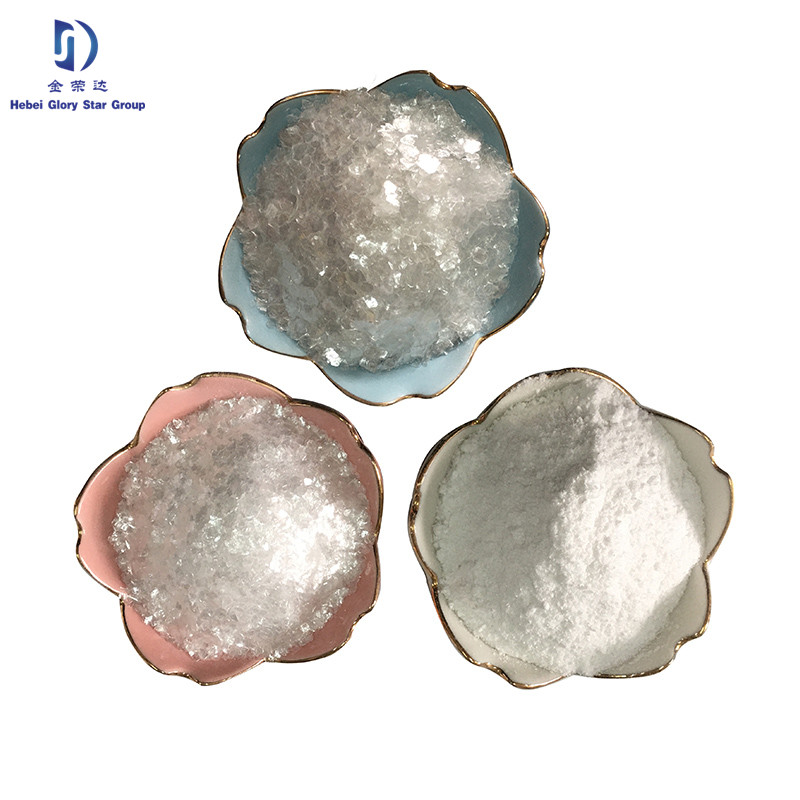
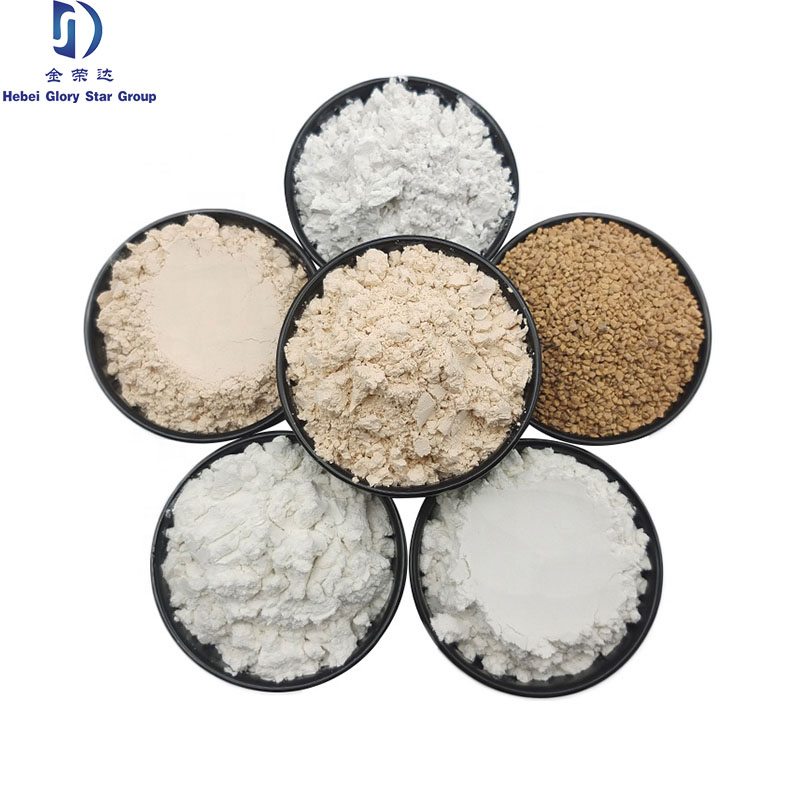
Simply put, calcium carbonate bulk refers to large quantities of this mineral—primarily calcite or aragonite forms—supplied in raw powder or granule form. This bulk is commonly extracted from natural deposits or synthetically produced, then processed for various applications. It forms the backbone of industries like paper, plastic, paint, agriculture, and construction.
It’s worth noting that calcium carbonate isn’t just a chemical formula (CaCO3)—it’s an enabler for modern industry, offering strength, whiteness, and pH balancing properties essential in many products.
Core Components & Key Factors
1. Purity and Particle Size
High purity and controlled particle size distribution are critical. The finer and more consistent the powder, the better it performs—as a filler, pigment, or neutralizer. For example, paper production demands ultra-fine grades to enhance whiteness and opacity.
2. Thermal Stability
Calcium carbonate’s ability to withstand high temperatures without decomposing too rapidly matters a lot in plastics and coatings. Thermal stability contributes to durability and product lifespan.
3. Cost Efficiency
One big reason industries love bulk calcium carbonate is affordability. It reduces manufacturing costs when used as a filler or pigment substitute without compromising quality.
4. Scalability & Supply Chain Reliability
For manufacturers, dependable access to substantial bulk orders is crucial to avoid production delays. This is why location and vendor networks are often as important as product specs.
Product Specifications at a Glance
| Specification | Typical Value | Notes |
|---|---|---|
| Purity (CaCO3) | >97% | Industrial grade |
| Particle Size | 1-10 microns | Adjustable for application |
| Moisture Content | Prevents caking | |
| Bulk Density | 0.8-1.2 g/cm³ | Depends on granule size |
Global Applications & Use Cases
- Construction: Calcium carbonate bulk is a fundamental additive in cement and plaster, improving strength and longevity.
- Paper Industry: Used for filler and coating, it enhances brightness and print quality.
- Plastics: Acts as a cost-effective filler that improves stiffness and impact resistance.
- Agriculture: Used as a soil amendment to neutralize acidic soils, improving crop yields worldwide.
- Environmental & Water Treatment: Its alkalinity helps neutralize acidic water runoff, making it critical in mining and industrial waste management.
For instance, in remote industrial zones in Southeast Asia, bulk calcium carbonate is crucial in maintaining supply chains for infrastructure projects. In post-disaster relief, agricultural communities rely on it to rejuvenate depleted lands, which is kind of fascinating when you think about it.
Vendor Comparison Table
| Vendor | Purity | Particle Size Range | Supply Capacity (tons/month) | Sustainability Certifications |
|---|---|---|---|---|
| Glory Star Export | 98% | 1-10 microns | 50,000 | ISO 14001 |
| Mineral Supply Co. | 95% | 5-15 microns | 30,000 | None |
| EcoMinerals Ltd. | 97% | 2-12 microns | 25,000 | ISO 9001, ISO 14001 |
Advantages & Long-Term Value
Using bulk calcium carbonate offers tangible advantages: it’s cost-saving, abundantly available, and has a relatively low environmental footprint compared to alternatives. The mineral's inert nature means it doesn't react undesirably in most products, lending reliability and consistency.
From a social angle, it supports dignified housing materials and sustainable agriculture, indirectly impacting communities' quality of life. Manufacturers benefit from predictable supply and process improvements, translating into innovation and trust among downstream customers.
Future Trends & Innovations
Looking ahead, calcium carbonate is set to become even greener. New processing techniques reduce CO2 emissions during extraction and grinding. Nano-scale variants are emerging, enhancing functionality in paints and cosmetics. Policies from environmental agencies globally push for greener sourcing, which vendors like Glory Star Export already embrace.
Oddly enough, digital tools are also entering the fray—automated quality controls, real-time supply chain tracking—helping industrial buyers optimize costs and minimize waste.
Challenges & Solutions
One limitation is the variability in natural deposits affecting consistency. Also, bulk handling demands robust logistics infrastructure to avoid contamination or moisture issues.
The good news is that improved beneficiation processes, moisture-resistant packaging, and blockchain-enabled supply tracking are addressing these challenges head-on. Plus, partnerships among suppliers and manufacturers keep the supply chain resilient, even under global disruptions.
FAQ: Frequently Asked Questions About Calcium Carbonate Bulk
- Q: What can affect the quality of bulk calcium carbonate?
A: Variations in purity, particle size, and moisture content. Good suppliers provide quality control with certifications to ensure consistency. - Q: Is bulk calcium carbonate sustainable for large projects?
A: Yes, especially when sourced responsibly and combined with best practices in mining and processing. - Q: How is calcium carbonate transported in bulk?
A: Often via container shipments or bulk trucks, using moisture-proof packaging to maintain product integrity. - Q: Can calcium carbonate bulk be customized for specific industries?
A: Certainly. Particle size, purification levels, and surface treatments can be tailored to client needs. - Q: How do I import calcium carbonate bulk internationally?
A: Work with certified vendors who handle export documentation and comply with international trade regulations, like Glory Star Export.
Conclusion
Bulk calcium carbonate may sound mundane, but it’s a key asset in building a sustainable, efficient industrial future. Its affordability and versatility blend with growing environmental standards to make it essential worldwide. If your projects depend on reliable mineral supply, exploring calcium carbonate bulk options is a smart move today.
Explore quality suppliers and sustainable sourcing options at Glory Star Export.
A quick takeaway: Calcium carbonate’s quiet presence shapes innovation and sustainability more than many realize.
Post time: Dec-08-2025



.png "About")