

The Quiet Power of Sericite in Modern Beauty Formulations
When clients ask me what makes a face powder blur without caking, I usually point them to sericite cosmetics. To be honest, it’s one of those “do-a-lot, show-a-little” ingredients: silky, inert, and surprisingly versatile.
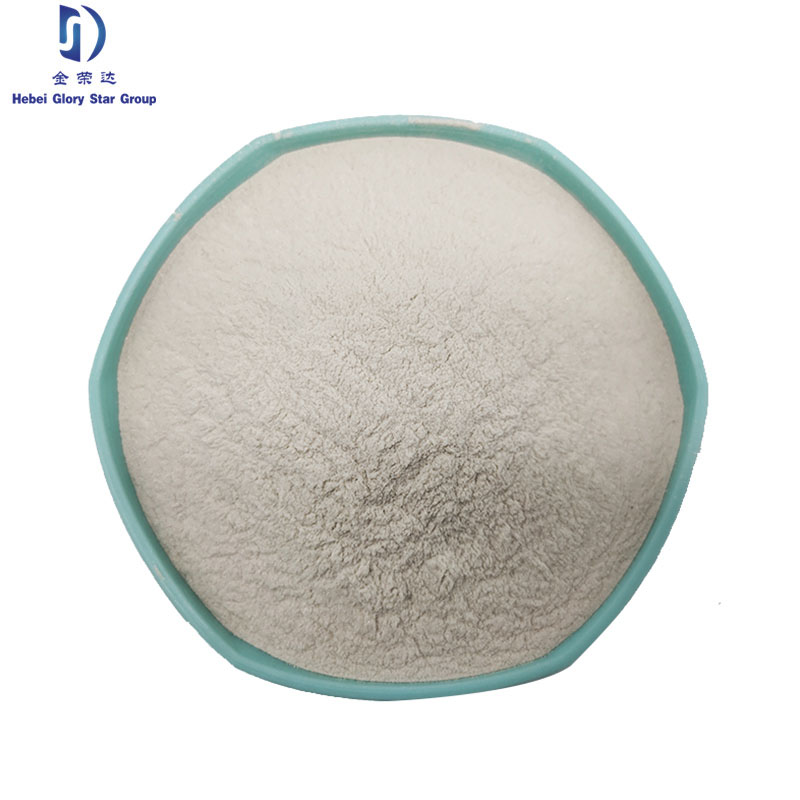
Industry snapshot: Why brands keep coming back
Color cosmetics are trending toward micro-milled, talc-reduced bases with soft-focus optics. That’s where sericite cosmetics quietly shine: low density for airy pick-up, plate-like particles for slip, and a neutral color that plays nice with pigments. Many customers say it “just feels better” on the skin—hard to quantify, but very real in the pan and on the face.
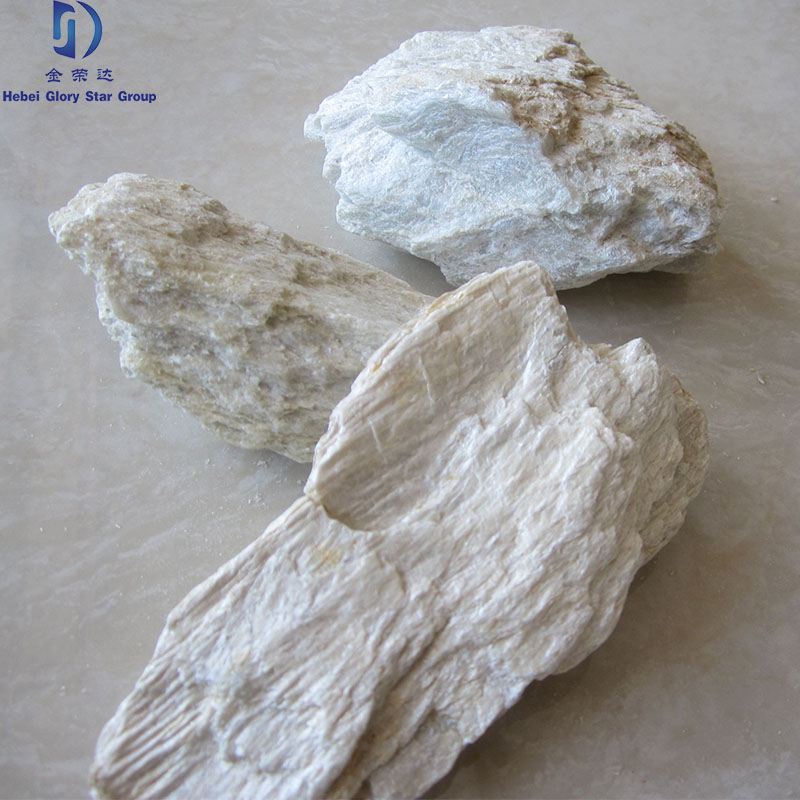
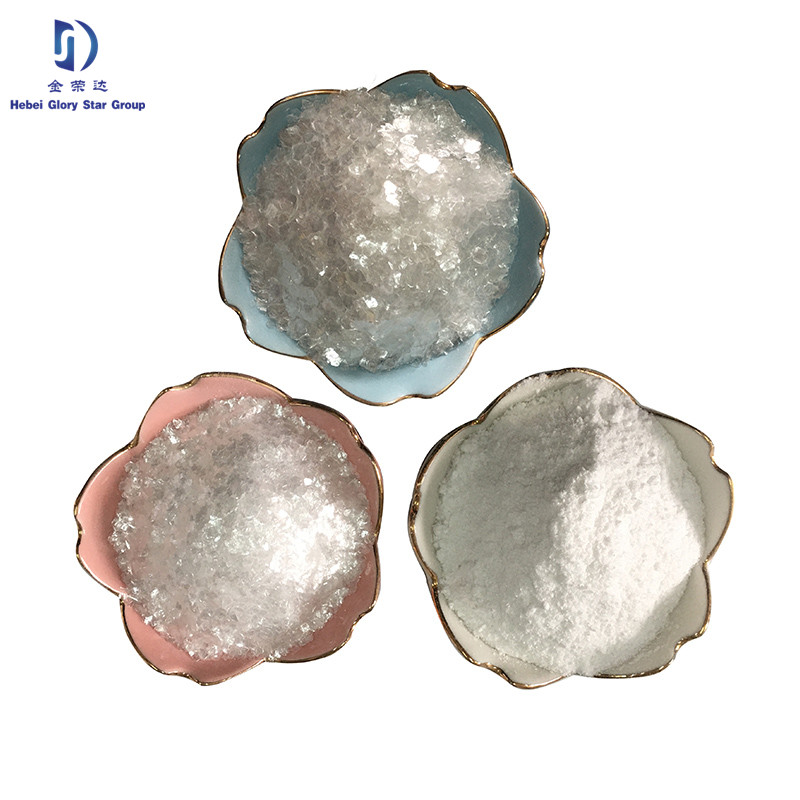
Product at a glance: 325Mesh Sericite Mica For Plastic Cosmetics
Origin: 368 Youyi North Street, Shijiazhuang, Hebei, China (Huayuan/GloryStar)
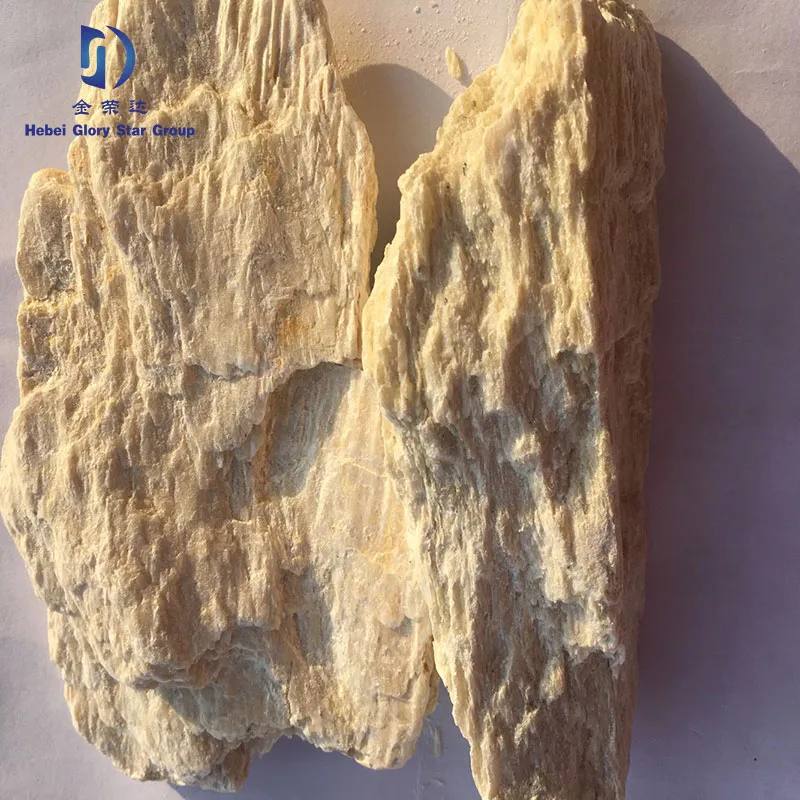
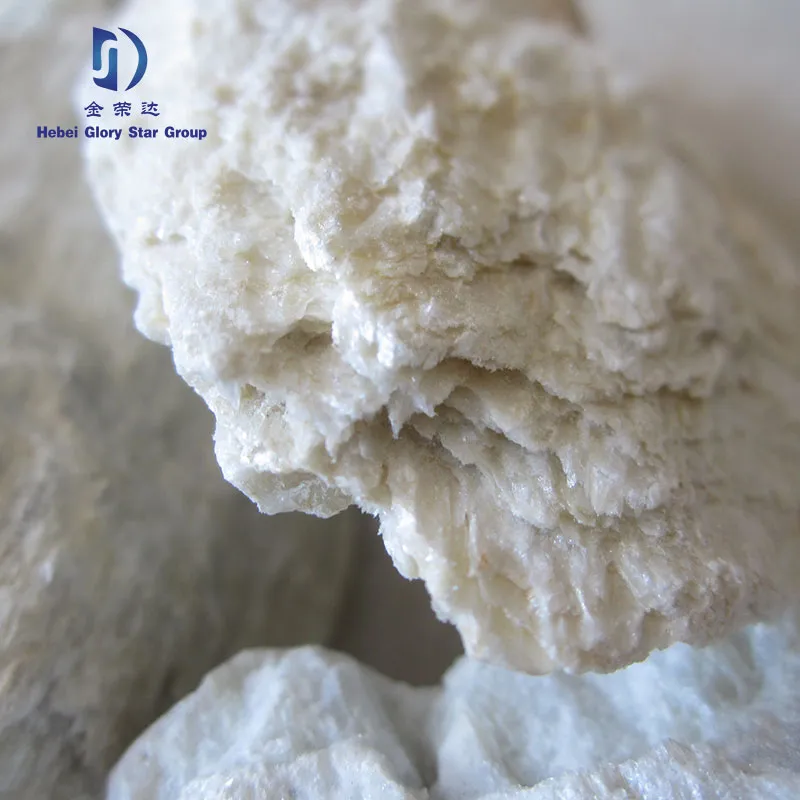
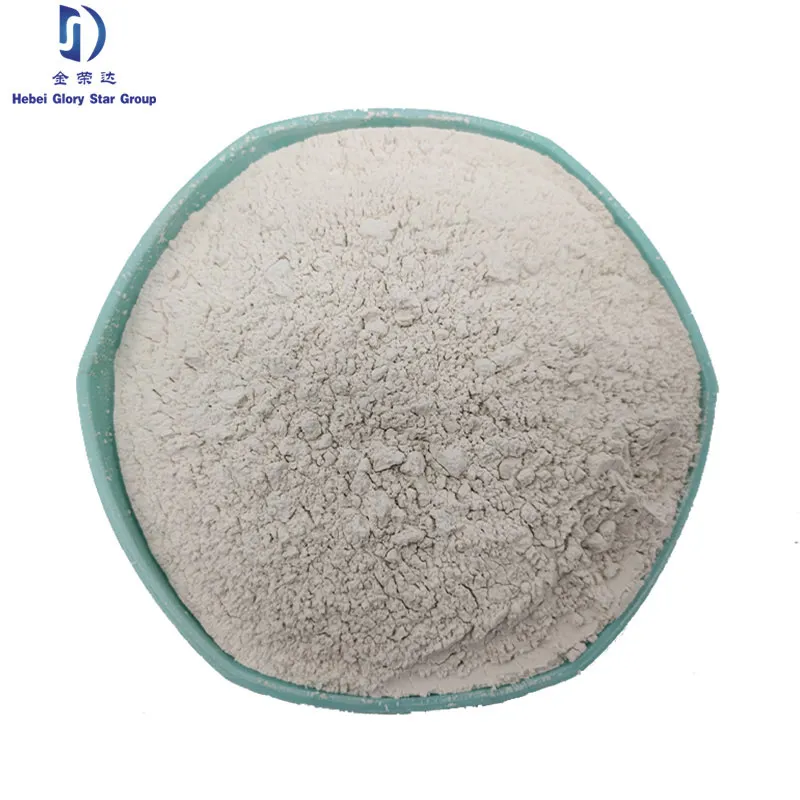
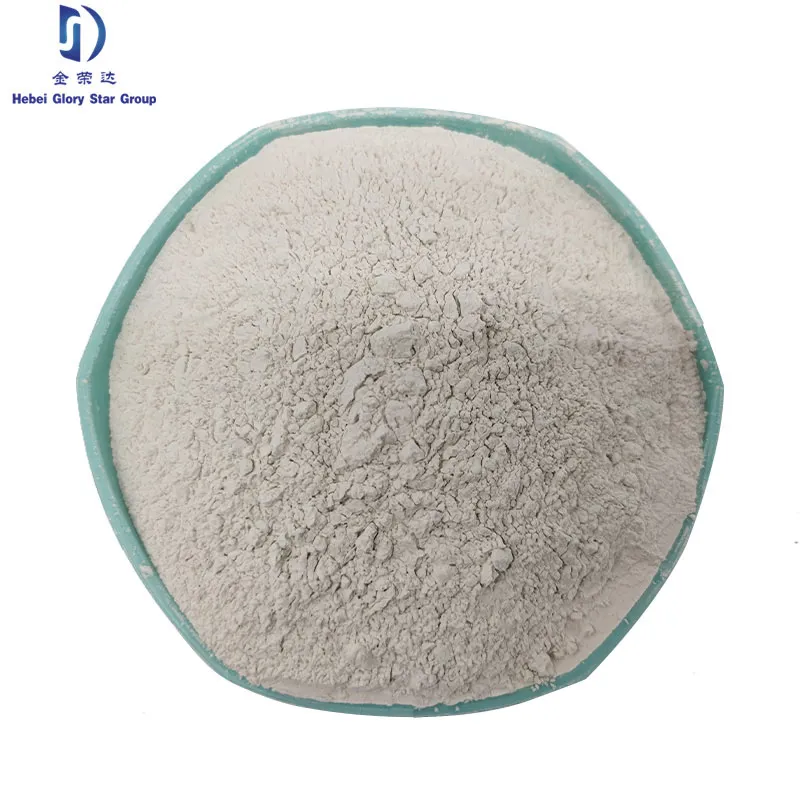
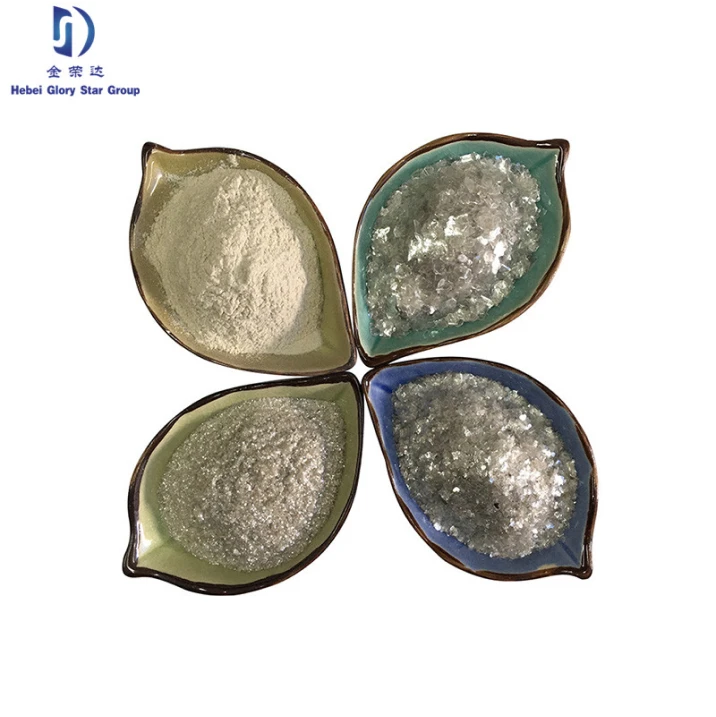
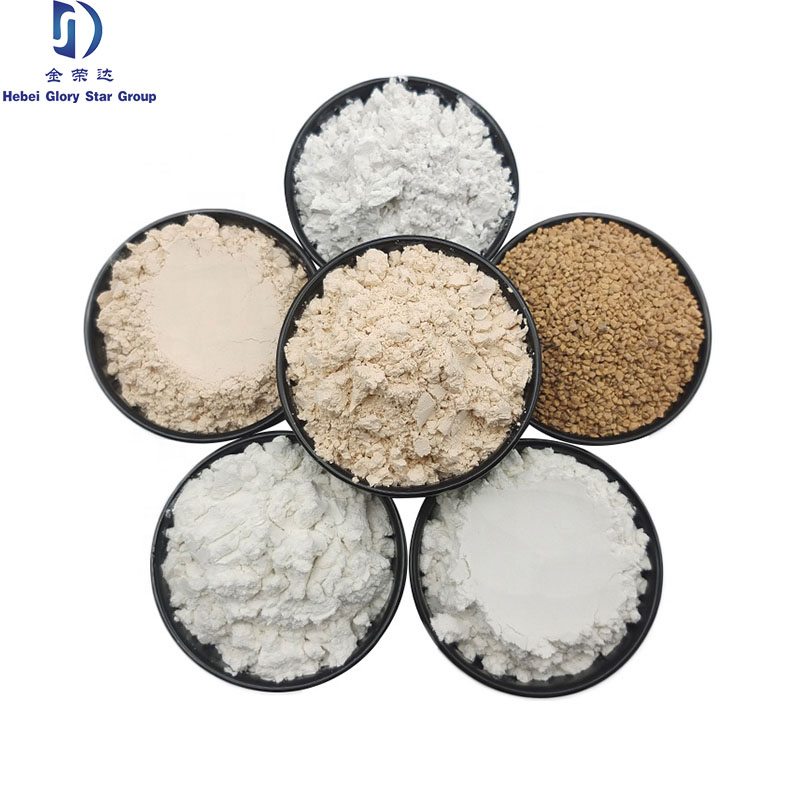
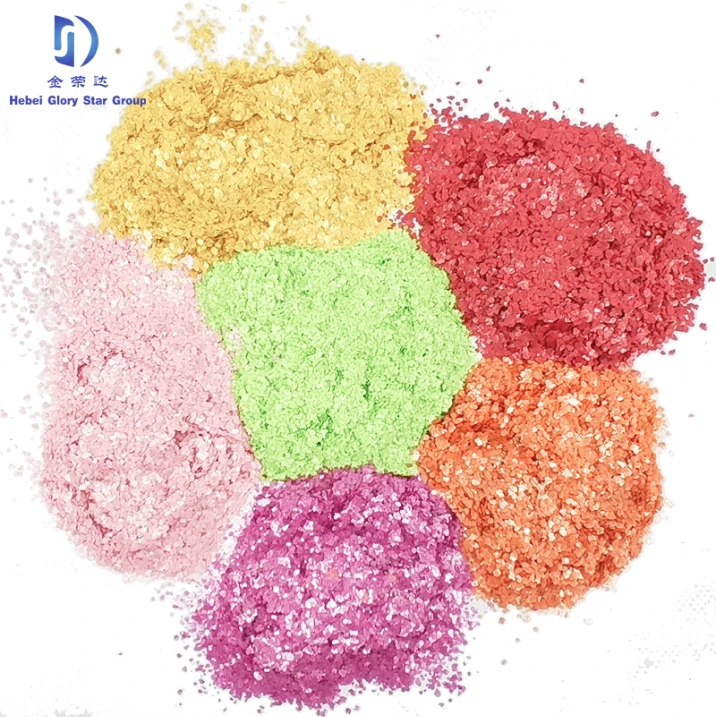
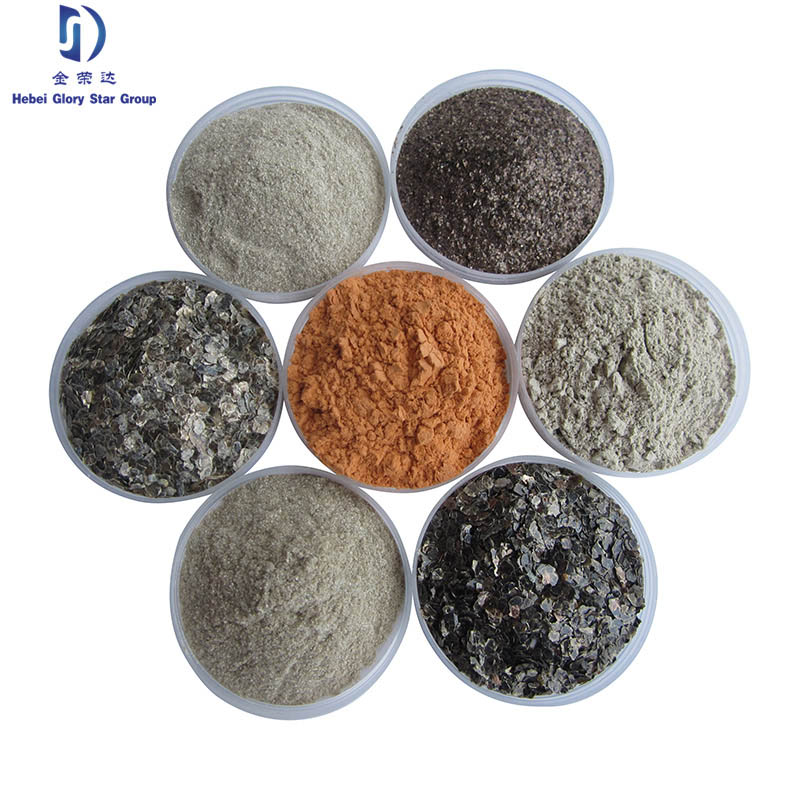
A muscovite subspecies with stable chemistry and silky luster. Available as dry- or wet-ground powder; engineered for uniform distribution, high purity, abrasion resistance, UV stability, and weathering endurance. Used across cosmetics, plastics, paints, coatings, rubbers, and more.
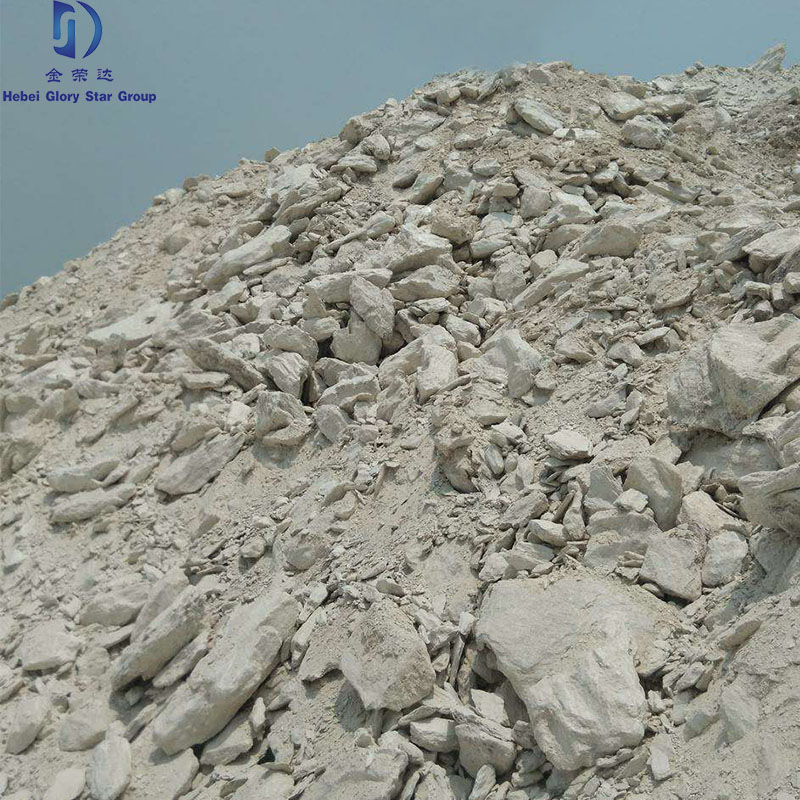
Typical specifications
| Parameter | Typical Spec (≈) | Method / Note |
|---|---|---|
| Mesh grade | 325 mesh | D90 around 44–50 μm |
| Median size (D50) | 12–20 μm | Laser diffraction |
| Whiteness | ≥ 85 | ISO 787-25 |
| Moisture | ≤ 0.8% | 105°C, 2 h |
| pH (10% slurry) | 6.5–8.5 | ISO 787-9 |
| Oil absorption | 30–45 g/100g | ISO 787-5; real-world use may vary |
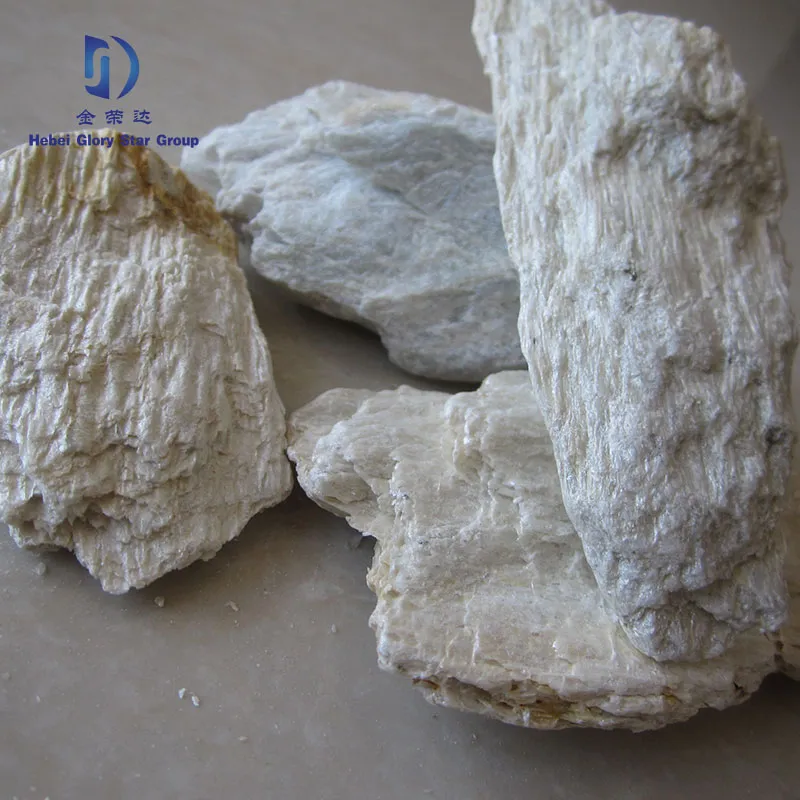
Process flow and QA (short version)
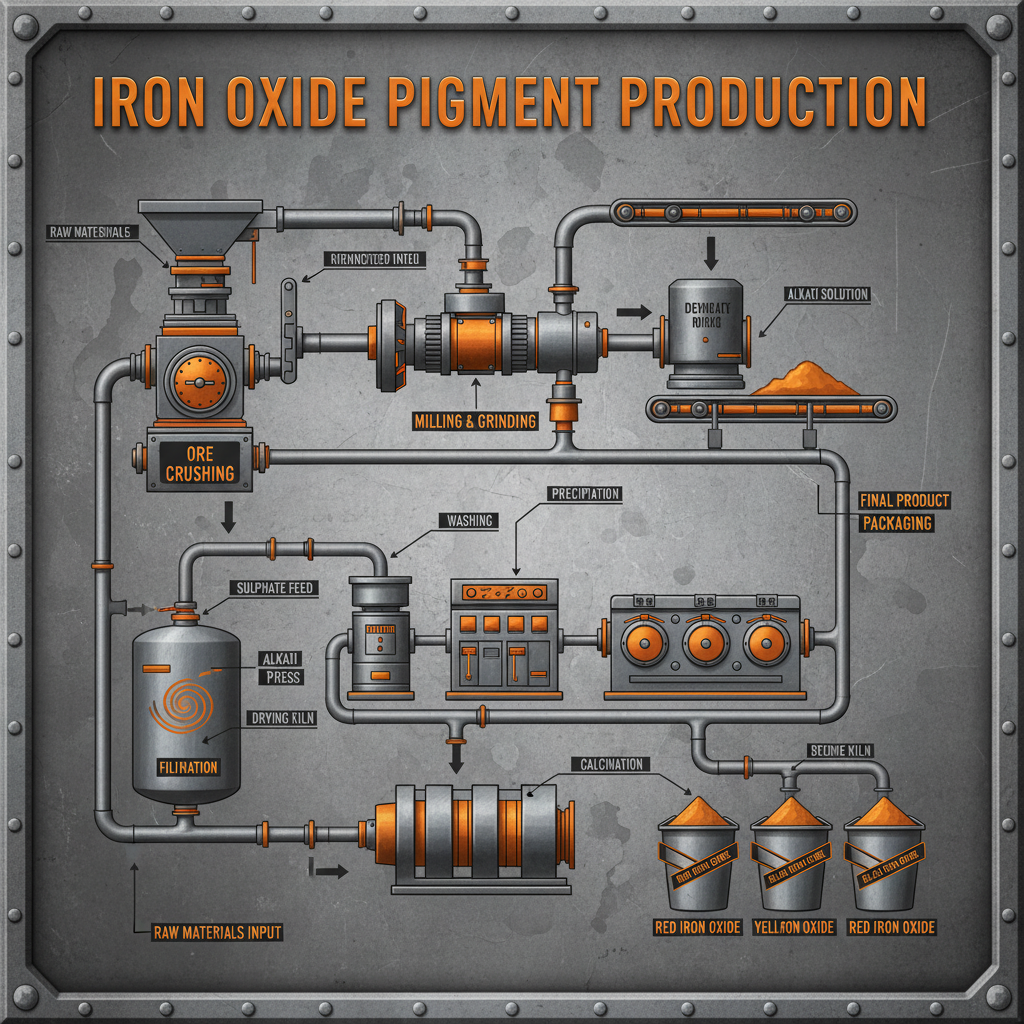
High-grade ore selection → crushing and de-ironing → wet or dry grinding → classification → optional surface treatment (e.g., silane) → packaging (PE-lined kraft, 25 kg). QC includes particle-size mapping, whiteness, moisture, pH, heavy metals (Pb, As, Cd, Hg), and micro per ISO 22716-aligned GMP. Shelf life: around 3 years, cool and dry.
Application scenarios and advantages
- Pressed/loose powders (5–30%): slip, soft-focus, improved payoff.
- Foundations/BB (1–10%): sebum control, better spread.
- Lipsticks (1–5%): glide without waxy drag.
- Plastics/coatings: reinforcement, weathering, UV stability.
Compared with talc, sericite cosmetics add subtle luminosity (not shimmer) and often reduce caking under humidity. In plastics, it bumps stiffness and dimensional stability—handy in high-temperature or outdoor parts.
Vendor comparison (editor’s quick take)
| Vendor | Purity/Consistency | Certifications | MOQ / Lead time | Customization |
|---|---|---|---|---|
| Huayuan/GloryStar | High purity; tight D50 CV | ISO 22716, REACH-ready docs | ≈25 kg / 10–15 days | Mesh, surface-treated grades |
| Vendor A (regional) | Good; occasional shade drift | Basic GMP letter | ≈100 kg / 3–4 weeks | Limited |
| Vendor B (bulk) | Economy grade; wider PSD | REACH prereg. | 1 ton / variable | Bulk only |
Customization, testing, and compliance
Options: hydrophobic treatment (e.g., triethoxycaprylylsilane), tighter cut (e.g., 400–800 mesh), or blend-ready mixes for pressed powders. Testing against ISO 16128 profiling, EU 1223/2009 safety file, and micro/heavy metals per market. I’ve seen batch CoAs showing Pb < 5 ppm, As < 2 ppm, Cd < 1 ppm, Hg < 1 ppm—always verify, of course.
Mini case notes
- Indie powder brand: swapping 20% talc for sericite cosmetics cut flashback and improved pan pressability (drop test, 1 m, zero cracking).
- Hybrid lipstick: 3% sericite raised glide score by ≈15% in panel testing and stabilized shade under LED studio lighting.
Where it also works
Beyond makeup, formulators use sericite cosmetics thinking in plastics, paints, rubber, ceramics—boosting tenacity, adhesion, and corrosion/weathering resistance. It’s the same mineral logic, just different end use.
Final tip
Bench first: start at 5–10% in powders, 1–3% in emulsions. Watch rheology and oil phase—sericite can modestly thicken due to its plate structure. Actually, that’s half the magic.
Authoritative references
- ISO 22716: Cosmetics — Good Manufacturing Practices (GMP).
- Regulation (EC) No 1223/2009 on Cosmetic Products (EU law).
- ISO 16128-1/2: Natural and organic cosmetic ingredient guidelines.
- U.S. FDA: Cosmetics – Laws & Regulations (incl. MoCRA updates).
- ISO 787 series: General methods of test for pigments and extenders.
Post time: Oct-08-2025

.png "About")