

Understanding Wet Vermiculite: A Key Resource with Global Impact
Wet vermiculite might sound like a mouthful, but it’s actually a fascinating material that’s quietly powering a range of industries worldwide. From construction and agriculture to disaster relief and insulation, this mineral’s unique properties make it an unsung hero behind modern innovation and sustainable solutions. In an era where resource efficiency and eco-friendliness aren’t just buzzwords but urgent priorities, grasping the utility of wet vermiculite could provide a surprising competitive edge — or a vital lifeline in crisis zones.
Mini takeaway: Wet vermiculite is more than just a mineral; it’s a versatile component that bridges industrial needs and humanitarian challenges worldwide.
The Global Relevance of Wet Vermiculite
Globally, the use of wet vermiculite spans continents and sectors. According to reports from the United Nations Environment Programme, sustainable building materials are a major focus for reducing carbon footprints in developing economies. Wet vermiculite enters here as a natural, fire-resistant insulation product that’s lightweight but effective, ideal for reducing energy use in homes and commercial buildings.
Furthermore, the International Fertilizer Association highlights vermiculite’s moisture retention qualities for agriculture, which is crucial for regions battling erratic rainfall and drought — challenges sharply on the rise due to climate change. Oddly enough, the wetter the vermiculite, the more it excels in buffering water, making it a key player in soil conditioning and seedling protection.
Still, the main challenge is sourcing and handling wet vermiculite efficiently, especially because improper drying or storage can lead to loss of these moisture-related benefits. In disaster relief logistics, for instance, wet vermiculite’s insulating and cushioning properties help protect fragile supplies during transport, but it also demands smart packaging to preserve functionality on arrival.
Mini takeaway: Wet vermiculite’s global demand is driven by climate resilience and sustainable construction, but careful handling remains essential to unlock its full potential.
What Exactly Is Wet Vermiculite?
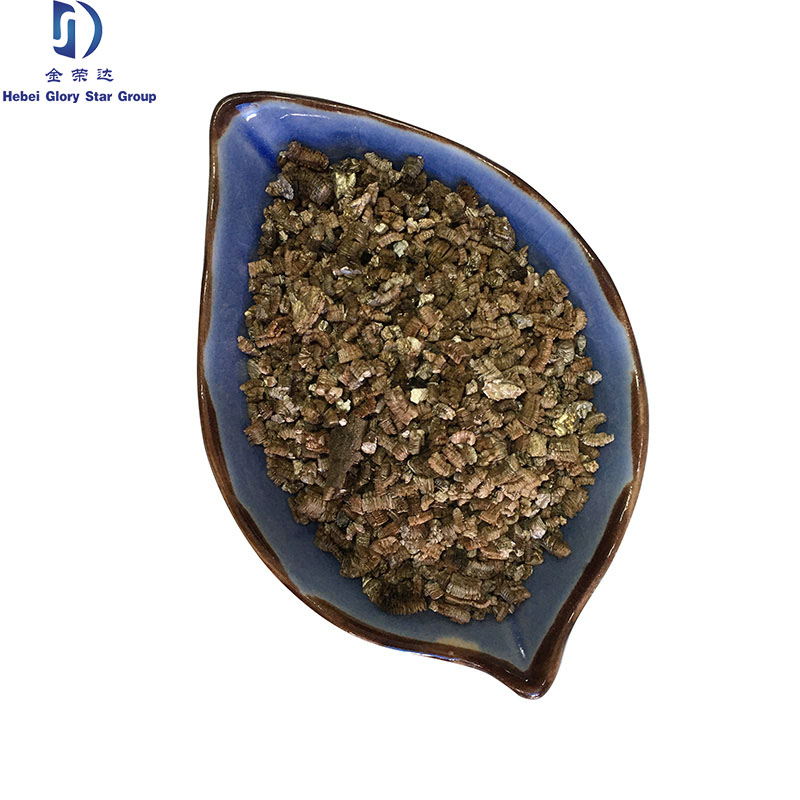
At its core, vermiculite is a naturally occurring mica-like mineral that expands when heated, forming a lightweight, porous matrix. “Wet vermiculite” refers to the material in its naturally moist or hydrated state before being processed or dried. This moisture isn’t just incidental; it’s part of what makes the material so useful — the water content enhances vermiculite’s ability to trap heat, retain moisture, and provide cushioning. Imagine it like a sponge with mineral strength and fire resistance.
Industries ranging from horticulture to packaging rely on wet vermiculite’s unique properties. For agricultural workers, it helps retain water in soil, reducing irrigation needs. In humanitarian aid, its shock-absorbing quality ensures safe transport of medical supplies, while construction projects use its insulation for energy saving, fire protection, and even soundproofing.
wet vermiculite producers specialize in controlling moisture levels to suit various applications — sort of tailoring the material’s “personality” depending on whether water retention, thermal resistance, or cushioning is the priority.
Mini takeaway: Wet vermiculite isn’t just vermiculite with water mixed in — it’s a material whose moisture content defines its performance across industries.
Key Properties of Wet Vermiculite
1. Moisture Retention
Wet vermiculite’s characteristic water-holding capacity is arguably its signature trait. This property helps with seed germination, plant growth, and reduces irrigation frequency in agriculture.
2. Thermal Insulation
The trapped moisture within vermiculite increases its thermal resistance. This makes it an excellent natural choice for insulation in buildings, helping reduce energy needs.
3. Fire Resistance
Unlike many synthetic materials, wet vermiculite can withstand high temperatures without catching fire or emitting toxic fumes, making it a safer option in construction and packaging.
4. Lightweight and Compressible
Its porous structure keeps it extremely light, which simplifies transportation and makes it ideal for cushioning fragile items like electronics or glass during shipment.
5. Chemical Inertness
Wet vermiculite rarely reacts with other chemicals, making it safe for sensitive environments — precious in medical and agricultural uses.
Mini takeaway: From moisture control to fire safety, wet vermiculite covers the essentials that industries need in a multi-use mineral product.
Global Applications & Use Cases of Wet Vermiculite
Regions from Asia to Africa and Latin America rely on wet vermiculite heavily for diverse needs. For example:
- Post-Disaster Recovery: After earthquakes or floods, relief agencies use wet vermiculite-packed containers to safeguard fragile medical and food supplies in transit.
- Green Building in Europe: Wet vermiculite finds use as an eco-friendly insulation in new builds aiming for low-energy certifications.
- Agriculture in Sub-Saharan Africa: Smallholder farmers mix wet vermiculite into soil mixes to retain water and nutrients, improving crop yields in drought-prone areas.
- Industrial Packaging in North America: Electronics manufacturers prefer wet vermiculite liners for shock-proof shipping due to its lightweight and cushioning properties.
In real terms, these examples highlight how flexible and effective wet vermiculite really is — it’s not confined to a single niche but adapts across sectors better than many engineered materials.
Mini takeaway: The versatility of wet vermiculite underpins its broad adoption — from crisis zones to cutting-edge eco-construction.
Typical Product Specification Table
| Property | Typical Value | Unit |
|---|---|---|
| Bulk Density (wet state) | 450 - 650 | kg/m³ |
| Moisture Content | 5 - 12 | % |
| Thermal Conductivity | 0.045 - 0.06 | W/m·K |
| pH Level | 6.5 - 8.0 | - |
| Fire Resistance | Up to 1100 | °C |
Vendor Comparison: Selecting the Right Wet Vermiculite Supplier
| Supplier | Moisture Control | Delivery Times | Quality Certifications | Pricing |
|---|---|---|---|---|
| Glory Star Export | Custom moisture levels | 3-5 days international | ISO 9001, ASTM standards | Competitive bulk rates |
| MineralPro Ltd. | Standard moisture only | 7-10 days | ISO 14001 | Mid-range pricing |
| GreenCore Minerals | Limited moisture options | 5-7 days | No certifications listed | Higher costs |
Advantages & Long-Term Value of Wet Vermiculite
People often overlook that wet vermiculite’s advantages extend far beyond technical specs. It directly contributes to sustainability goals by reducing energy consumption and material waste. For builders, installers, and manufacturers, it means fewer callbacks and happier customers — which, in real life, turns into better reputations and repeat business.
Socially, wet vermiculite enables safer shelters in vulnerable communities. It keeps things warm without toxic emissions and helps crops survive in tough climates, supporting local economies. The feeling of trusting a material to perform under pressure is intangible but priceless.
Mini takeaway: Wet vermiculite combines cost-effectiveness with sustainability and social impact, giving users both peace of mind and real-world benefits.
Future Trends & Innovations in Wet Vermiculite
Looking ahead, wet vermiculite is tapping into green construction trends and digital innovation. Smart insulation panels incorporating vermiculite deliver adaptable thermal control, while research into nano-enhanced vermiculite aims to boost fire resistance and strength further.
On the sustainability front, companies are prioritizing circular economies — recycling vermiculite waste and reducing mining impact. Some startups are developing moisture-stabilizing coatings which could extend wet vermiculite’s shelf life.
Ultimately, it feels like wet vermiculite will remain quietly essential as the world pivots to low-carbon, high-performance materials.
Challenges and Expert Solutions
Handling wet vermiculite isn’t without challenges. If stored improperly, excess moisture can promote microbial growth or degrade quality. Sorting this out requires airtight storage solutions, moisture sensors, and proactive logistics — areas where industry leaders like Glory Star Export have innovated efficiently.
Furthermore, standardizing moisture content for diverse markets sometimes calls for advanced drying or conditioning technology, to “tune” the product for specific climates or uses. It’s a hands-on process with some trial and error but investing in R&D pays off long term.
Mini takeaway: While wet vermiculite requires care in storage and handling, technological advances and expert logistics are steadily overcoming these issues.
FAQ: Frequently Asked Questions About Wet Vermiculite
1. What are the main benefits of using wet vermiculite for insulation?
Wet vermiculite offers excellent thermal insulation with added fire resistance and moisture retention, which helps regulate building temperatures and improve energy efficiency while ensuring safety.
2. How does wet vermiculite improve plant growth in agriculture?
By retaining water and nutrients in soil, wet vermiculite reduces the frequency of irrigation and promotes healthy root development, especially beneficial in arid and drought-prone regions.
3. Is wet vermiculite safe for medical packaging applications?
Yes, its chemical inertness and shock-absorbing properties make wet vermiculite ideal for packaging sensitive medical equipment, ensuring safe transport without contamination risks.
4. Can wet vermiculite be customized for different moisture levels?
Absolutely. Leading suppliers offer wet vermiculite with tailored moisture content to meet specific industry requirements.
5. How should wet vermiculite be stored to maintain its quality?
It should be stored in sealed, dry containers away from extreme temperatures and contamination to preserve moisture levels and prevent quality degradation.
Conclusion + Call to Action
Wet vermiculite remains a quietly transformative material whose benefits ripple across industries and borders alike. Whether you’re building sustainable homes, growing crops in challenging climates, or packing fragile goods, wet vermiculite offers unmatched versatility and reliability. For those looking to tap into this potential, exploring specialized suppliers and understanding product nuances is essential.
Ready to discover how wet vermiculite can elevate your project or operation? Visit our website today and see how customized solutions and trusted quality can make a difference.
References:
Post time: Nov-24-2025
.png "About")