

Unlocking the Value of Vermiculite 10mm: Why It Matters Worldwide
Vermiculite, particularly in its 10mm granule size, is quietly transforming industries across the globe—from construction and agriculture to disaster relief and insulation. But, why the fuss over a seemingly simple mineral? Because understanding vermiculite 10mm means grasping a natural material that’s versatile, eco-friendly, and surprisingly effective at solving problems that affect millions worldwide. Whether it’s insulating cold homes in northern Europe or improving soil aeration in Africa, vermiculite is a small piece of a much bigger sustainable puzzle.
On a larger scale, vermiculite’s role connects deeply with global efforts like the UN Sustainable Development Goals, aiming for affordable clean energy, sustainable cities, and hunger relief. Getting the hang of this mineral means you’re in tune with a low-cost resource playing a silent yet pivotal role. Let me walk you through the why and how — it’s more interesting than it sounds!
The Global Relevance of Vermiculite 10mm: Context and Challenges
Here’s a quick snapshot: global vermiculite production has been increasing steadily, with major deposits in South Africa, the USA, and China. Statistics from the US Geological Survey highlight roughly 130,000 tonnes mined worldwide annually. Notably, the 10mm size fraction is prized for its optimal balance — not too fine to lose insulation properties, not too coarse to impede ease of handling.
But there’s a challenge here — many developing regions lack access to quality insulation and soil improvement materials. Vermiculite 10mm steps into this gap nicely, offering light-weight, fire-resistant, and water-retentive characteristics that are vital. It also supports agricultural productivity — a crucial need in food-insecure zones.
Moreover, with climate concerns escalating, the demand for natural minerals that reduce reliance on synthetics is growing. Vermiculite 10mm fits the bill by promoting energy efficiency and soil health without the harsh environmental footprint. That’s why stakeholders from manufacturers to humanitarian NGOs keep their eyes glued on it.
What Exactly is Vermiculite 10mm?
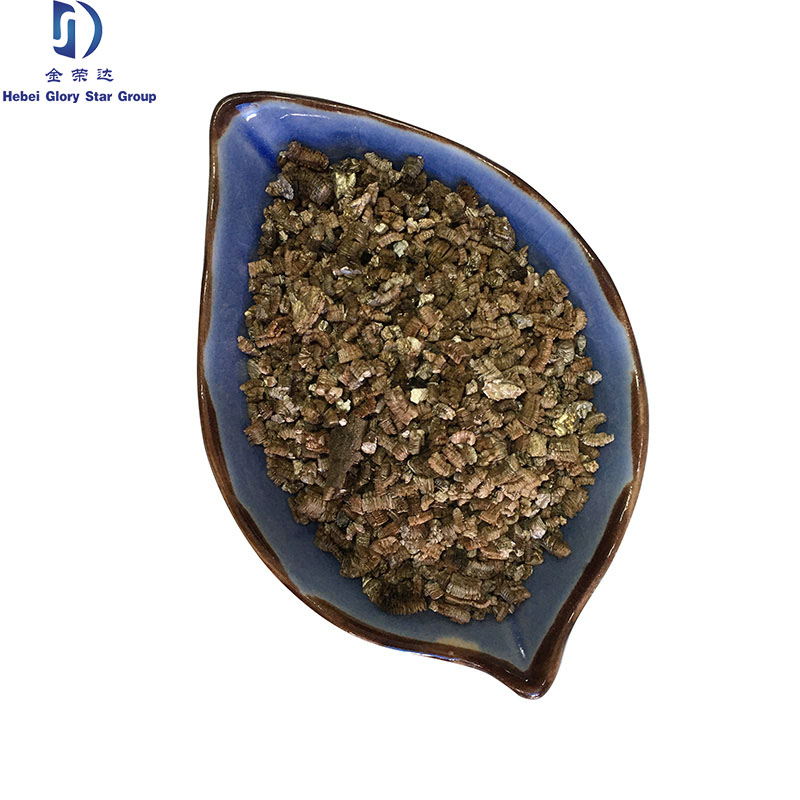
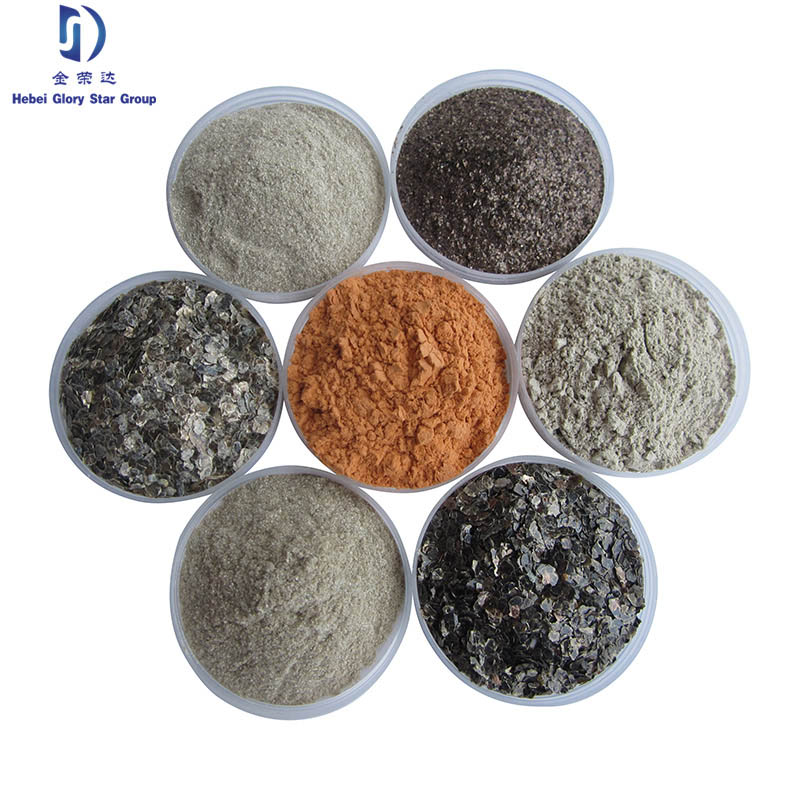
Simply put, vermiculite is a hydrated laminar mineral that expands significantly when heated—a process called exfoliation. When processed to around 10mm particle size, it offers a unique balance of porosity and bulk. Think of it as little puffy flakes or pellets that trap air and moisture, making it ideal to use as insulation, soil amendment, or lightweight fill.
Industrially, this size specifically caters to niche demands where the granules need to be bulky enough to hold shape yet fine enough for good coverage and mixing. Humanitarian uses also prefer the 10mm size because it stores water efficiently while being easy to pack and ship — a win in logistical terms for disaster zones.
Core Qualities of Vermiculite 10mm
1. Durability and Stability
Vermiculite doesn’t break down or rot over time, making it a durable solution for long-term insulation or soil conditioning. Oddly enough, it’s fireproof too—meaning it can stand up to harsh environments where safety is non-negotiable.
2. Water Retention and Aeration
This size is great at holding moisture but also ensures good air flow around plant roots or building cavities. It’s a fine line that the 10mm grade walks perfectly, crucial for gardeners and architects alike.
3. Lightweight & Easy Handling
Compared to clay or sand, vermiculite at 10mm weighs less, saving on shipping costs and making manual labor less taxing. This is a genuine boon in remote or disaster-affected areas.
4. Thermal Insulation
It traps air in its layered structure, providing excellent insulation. This reduces heating and cooling bills while protecting sensitive crops or stored goods.
5. Chemical Stability
It doesn’t react with fertilizers or building chemicals, meaning it won’t degrade or leach harmful substances into soil or walls.
Product Specification Table for Vermiculite 10mm
| Specification | Details |
|---|---|
| Particle Size | 8-12 mm (avg. 10mm) |
| Bulk Density | 110-130 kg/m³ |
| Water Absorption | 3-4 times own weight |
| Thermal Conductivity | 0.05 W/mK (very low) |
| Fire Resistance | Non-combustible up to 1000°C |
| pH | Neutral to slightly alkaline (7.0-8.5) |
Mini takeaway: Vermiculite 10mm combines practical durability with environmental benefits, making it a versatile material suitable for a range of industries.
Global Applications and Practical Use Cases
From California vineyards to reforestation projects in Brazil, vermiculite 10mm finds itself in surprisingly varied settings. In agriculture, it’s a superstar in seed starting mixes and as a soil conditioner that boosts aeration and moisture retention. Particularly for regions battling drought or poor soil, this mineral helps crops thrive.
Construction industry players use it as a lightweight aggregate for concrete and plaster, improving insulation and reducing structural load. You might have walked into buildings insulated with vermiculite without realizing it!
And here’s a powerful example: In disaster relief operations, NGOs deploy vermiculite-packed thermal insulation in temporary shelters, helping displaced families stay safe and comfortable without relying on expensive, energy-hungry tech. This isn’t just theory — I read a case where vermiculite-backed shelters cut heating fuel costs by almost half in cold zones.
Vendor Comparison Table: Leading Vermiculite 10mm Suppliers
| Supplier | Origin | Price/MT (USD) | Typical Delivery Time | Certifications |
|---|---|---|---|---|
| Glory Star Export | South Africa | $600 | 2-3 weeks | ISO 9001, REACH |
| MineralSupplies Ltd. | USA | $750 | 1-2 weeks | ISO 14001 |
| GreenRock Minerals | China | $580 | 3-4 weeks | CE Mark |
Why Investing in Vermiculite 10mm is Smart: Advantages and Long-Term Value
There’s something comforting about putting resources into materials that won’t let you down. Vermiculite 10mm ticks many boxes: it’s affordable, reduces energy costs, and supports sustainable agriculture. For communities, this often translates into better living conditions, higher crop yields, and less dependence on expensive imports.
From an emotional standpoint, this mineral helps restore dignity—think about families getting a warm safe shelter instead of a flimsy tarp, or farmers harvesting more robustly for the year. It’s innovation you can feel rather than just see.
Looking Ahead: Trends and Innovations in Vermiculite Use
Recently, the conversation shifted towards integrating vermiculite with green tech — imagine vermiculite-based panels for solar-powered houses or composites promoting carbon capture. Plus, automation in mining and processing is making supply chains faster and more reliable.
Additionally, regulations around sustainability push manufacturers to adopt minerals like vermiculite to replace polystyrene or fiberglass in insulation. An exciting horizon, frankly. It feels like vermiculite 10mm is not just static but evolving alongside our world.
Common Hurdles and Clever Workarounds
Despite its many perks, vermiculite isn’t perfect. Some complain about its water retention sometimes being too high for certain plants or the potential for contamination if not sourced carefully.
Experts recommend treating it with proper screening and blending it with other materials to tailor properties. Innovative packaging also helps keep its lightweight nature intact during shipment to remote areas, where logistics are... well, challenging.
FAQ: Practical Questions About Vermiculite 10mm
- Q1: What makes vermiculite 10mm better for insulation than other sizes?
- A: The 10mm size balances bulk and fine porosity, maximizing trapped air pockets for thermal resistance without compromising handling or mixing ease. Smaller sizes tend to compact too much, while larger ones lack coverage efficiency.
- Q2: Can vermiculite 10mm improve soil in drought-prone areas?
- A: Yes, it holds water multiple times its weight and releases moisture slowly, helping plants survive dry spells better. It also enhances soil aeration, encouraging root growth and microbial activity.
- Q3: How do NGOs source vermiculite internationally for relief projects?
- A: Many leverage trusted suppliers like Glory Star Export that provide certified, quality-controlled shipments. They often arrange bulk orders with fast delivery to meet urgent needs.
- Q4: Is vermiculite 10mm environmentally safe for indoor use?
- A: Absolutely. It is non-toxic, fire-resistant, and free of fibers or dust that cause health issues. It’s been used for decades in attic insulation and horticulture without adverse effects.
Final Thoughts: Why Vermiculite 10mm Deserves a Spot in Your Projects
At the end of the day, vermiculite 10mm is more than just granules of a mineral. It’s a multi-talented, sustainable hero quietly powering agriculture, construction, and humanitarian aid worldwide. If you care about affordability, efficiency, and impact, it’s a material to keep on your shortlist.
Why not see for yourself? Visit Glory Star Export for quality vermiculite 10mm supplies and learn how your next project can benefit from this versatile mineral.
Mini takeaway: Small in size, big in effect — vermiculite 10mm is one of those materials that’s worth knowing about, for now and the future.
References
Post time: Nov-28-2025
.png "About")