
Why Vermiculite Companies Matter in Today’s Global Economy
Vermiculite might sound like an obscure mineral, but its global footprint is surprisingly significant. For industries, agriculture, disaster relief, and even construction, the role of a vermiculite company can hardly be overstated. The mineral’s ability to expand and provide insulation, moisture retention, and fire resistance translates into practical impacts worldwide — from improving crop yields in African farms to enhancing building safety in earthquake-prone zones.
Understanding vermiculite companies gives you insight into a crucial supply chain that supports sustainable development and resilient infrastructure — all while enabling innovative solutions in some of the most challenging environments. Frankly, it’s one of those unsung heroes of natural materials that underpins a host of global benefits.
Global Context: Vermiculite’s Expanding Reach
The global vermiculite market reached roughly 250,000 metric tons annually (according to US Geological Survey reports), with demand steadily increasing due to urbanization and growing environmental awareness. Countries in Asia Pacific and Africa see substantial growth in usage, mainly for agriculture and construction.
But the industry still battles an uneven distribution — most mines concentrate in South Africa, China, and the US. This geographic mismatch means allergic regions rely heavily on reliable vermiculite company partnerships to fill their supply gaps, ensuring consistent quality and availability.
Interestingly, vermiculite also addresses several challenges:
- Energy-efficient insulation reducing carbon footprints
- Soil aeration improving resilience to drought
- Fireproof barriers enhancing safety in urban areas
What Does a Vermiculite Company Actually Do?
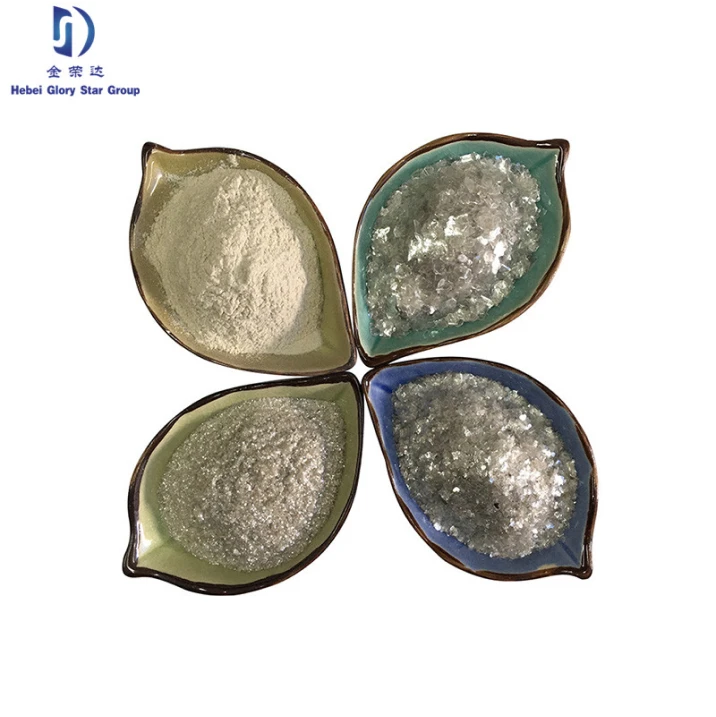
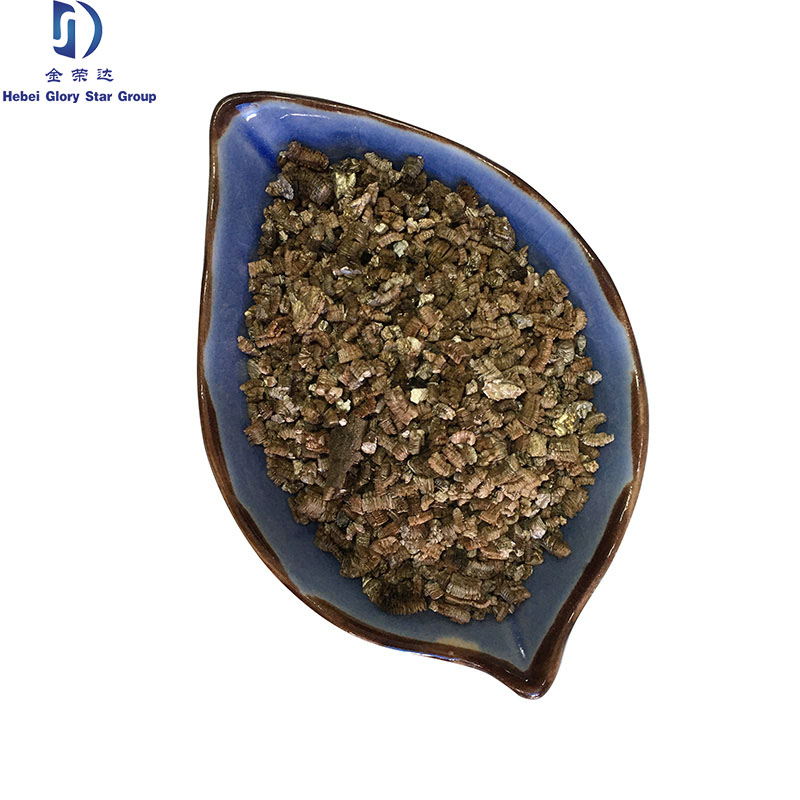
If you're new to the term, a vermiculite company primarily mines, processes, and supplies expanded vermiculite — which is produced by heating the natural mineral. The resulting lightweight, accordion-like flakes have amazing properties: they absorb water, resist fire, and insulate efficiently.
Beyond just selling a commodity, these companies are innovation hubs that tailor vermiculite for different needs — whether it’s bulk agriculture use, high-tech construction panels, or specialty industrial filters. Think of them as cross-industrial connectors — bridging raw geology and practical human use.
Key Characteristics Explored
Thermal Insulation
Vermiculite companies pride themselves on producing material with superior insulation. Its trapped air pockets help reduce heat loss, making it a favorite in building blankets or fireproof coatings.
Moisture Retention
Particularly valued by horticulturists, vermiculite can hold many times its weight in water, creating vital moisture balance in soil — which became crucial when climate unpredictability forced new farming adaptations.
Fire Resistance
Fire safety standards in many countries increasingly mandate the use of non-combustible materials. Vermiculite’s natural resistance plays a quietly powerful role in saving lives and property, especially when incorporated into building boards and ceiling tiles.
Lightweight and Bulk Handling
Its expanded form is light but voluminous — ideal for packaging and transportation efficiency, particularly for companies distributing across challenging terrains or remote areas.
Environmentally Friendly
Since vermiculite is a naturally occurring mineral with minimal processing, it’s considered a sustainable choice compared to synthetic alternatives, helping many industries meet environmental certifications like ISO 14001.
Mini Takeaway:
When you think of a vermiculite company, think of a natural resource steward blending science and practicality. They deliver more than a mineral—they deliver solutions tailored to global needs.
Global Applications: Versatility in Action
Vermiculite companies serve diverse sectors:
- Agriculture: Used worldwide in potting mixes and soil conditioners to improve crop performance. Especially impactful in drought-affected regions.
- Construction: Incorporated into lightweight plasters, insulation boards, and concrete mixes. Common in Europe and North America, growing fast in Asia.
- Industrial: Used as a packing material for hazardous chemicals and in brake linings or filtration systems.
- Disaster Relief: In post-earthquake housing and fire safety barriers, especially in vulnerable communities.
For example, in remote industrial zones of Australia, vermiculite companies supply insulation materials that enhance worker safety without significantly increasing transport costs — a logistical challenge many overlook.
Product Specifications: A Quick Look
| Specification | Typical Range | Notes |
|---|---|---|
| Bulk Density (g/cm³) | 80 - 150 | Depends on expansion process |
| Water Absorption (%) | 200 - 300 | Highly porous |
| Thermal Conductivity (W/mK) | 0.06 - 0.080 | Excellent insulation |
| Fire Resistance | >1000°C stable | Class A fire rating |
How Do Top Vermiculite Companies Measure Up?
| Company | Primary Markets | Sustainability | Innovation |
|---|---|---|---|
| Glory Star Export | Asia, Africa | ISO 14001 certified, local sourcing | Custom blends, rapid logistics |
| Vermicrete Inc. | North America, Europe | Waste reduction programs | High-tech insulation products |
| EcoMinerals Ltd. | Global | Renewable energy in processing | Smart packaging, traceability |
Practical Advantages & The Bigger Picture
From a practical standpoint, companies dealing with vermiculite provide tangible advantages:
- Cost Efficiency: Lightweight but bulky, reducing freight costs and allowing bulk delivery.
- Environmental Sustainability: Minimal processing and long lifecycle encourage eco-friendly projects.
- Social Impact: Material accessibility boosts agricultural productivity and safe housing in developing countries.
- Reliability: Vermiculite is consistent and versatile, simplifying inventory and logistics.
On a more human angle, these companies support safety, dignity, and innovation. It’s a classic case where geology meets social good — empowering communities with better tools for the future.
Emerging Trends in the Vermiculite Sector
Looking ahead, vermiculite companies are investing in:
- Green Energy Processing: Cutting emissions by adopting solar- or wind-powered exfoliation plants.
- Digital Supply Chain Automation: Streamlining orders and shipment tracking through IoT and blockchain solutions.
- Material Hybridization: Collaborations on composite materials blending vermiculite with bio-polymers for ultra-lightweight panels.
These innovations reveal a future where vermiculite isn’t just a raw mineral, but a calibrated tech-driven solution.
Challenges and How Industry Leaders Resolve Them
Like all commodities, vermiculite relies on stable mining conditions and timely transport. Some persistent issues include:
- Supply Disruptions: Political unrest or natural disasters in mining regions.
- Quality Variability: Different deposits yield variations in expansion ratio and purity.
- Environmental Concerns: Waste management and impact on local ecosystems.
To address these, expert suppliers maintain diversified sources, robust testing protocols, and community engagement programs — which clients often appreciate for transparency and reliability.
It feels a bit like walking a tightrope between profit and responsibility.
FAQ About Vermiculite Companies
- What industries most commonly use vermiculite today?
- Agriculture, construction, and fire safety industries are the biggest consumers, leveraging vermiculite's moisture retention, thermal insulation, and fire resistance properties.
- How does vermiculite help in agricultural productivity?
- It increases soil aeration and moisture retention, improving nutrient uptake and crop resilience, especially in drought-prone regions.
- Is vermiculite environmentally safe for long-term use?
- Yes, vermiculite is a natural mineral with low processing impacts. Leading companies also ensure sustainable mining practices and waste reduction.
- Can I order customized vermiculite blends for my specific industry?
- Many vermiculite company suppliers offer tailored blends and packaging based on client needs, including bulk, granular, or treated products.
- What certifications should I look for when choosing a vermiculite vendor?
- Look for ISO 9001 quality management and ISO 14001 environmental management certifications — these indicate reliable processes and sustainability commitment.
Wrapping It Up: Why Choosing the Right Vermiculite Company Counts
Quite simply, partnering with a trusted vermiculite company ensures your project — be it agricultural, industrial, or humanitarian — runs smoothly with access to quality materials and dependable service. As we move towards greener, safer, and more resilient infrastructures worldwide, vermiculite’s role will only grow.
To explore reputable suppliers and innovative vermiculite products, visit Glory Star Export and discover a partnership that blends tradition with cutting-edge delivery.
References & Further Reading
Post time: Nov-27-2025
.png "About")