

Industrial Grade Talc for Coating, Rubber, Ceramics, Plastic — Field Notes from the Factory Floor
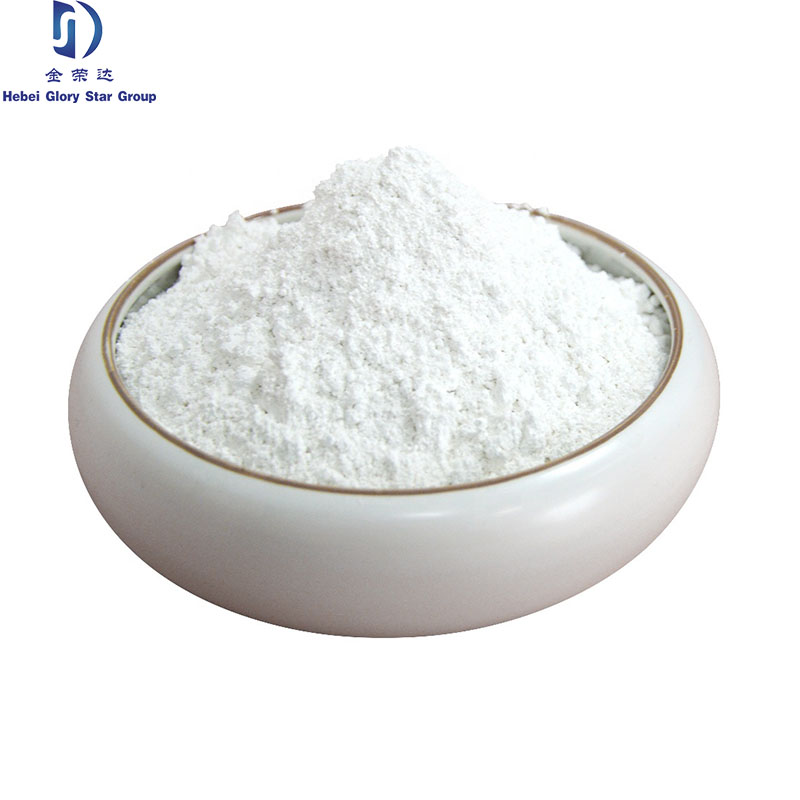
If you’ve ever toured a paint plant or a PP compounding line, you’ve seen the quiet workhorse behind the shine and stiffness: talcum powder. From Shijiazhuang’s mineral belt (368 Youyi North Street, Hebei, China) comes a grade we’ve tested repeatedly: 1250 mesh, high-whiteness, stable lot-to-lot. It’s not flashy—but in production, reliability beats flash any day.
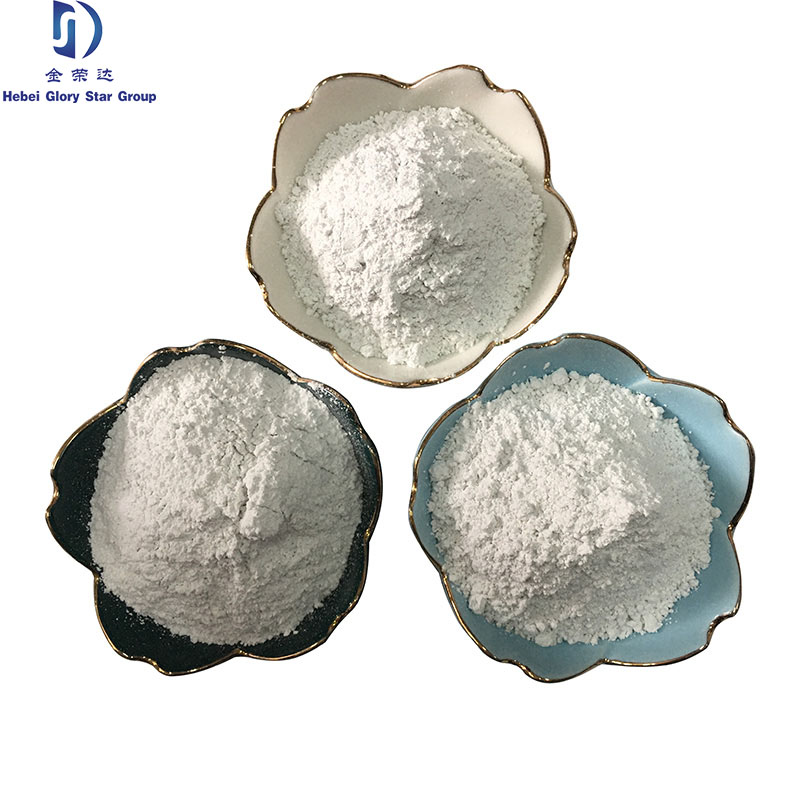
What makes this talcum powder tick
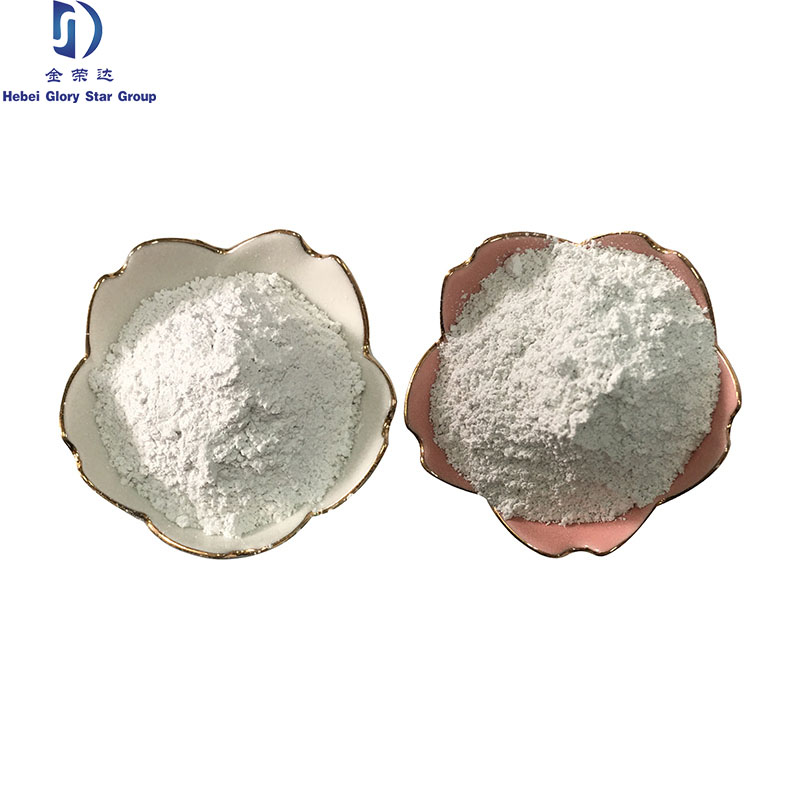
Ground via Raymond mill with high-pressure grinding and tight classification, this grade leans on talc’s natural traits: lubricity, anti-viscosity, flow aid, chemical inertness, insulation, and a surprisingly potent hiding power. Whiteness typically sits around 85–96%, which, to be honest, is what coating lines ask for when color matching tricky pastel shades.
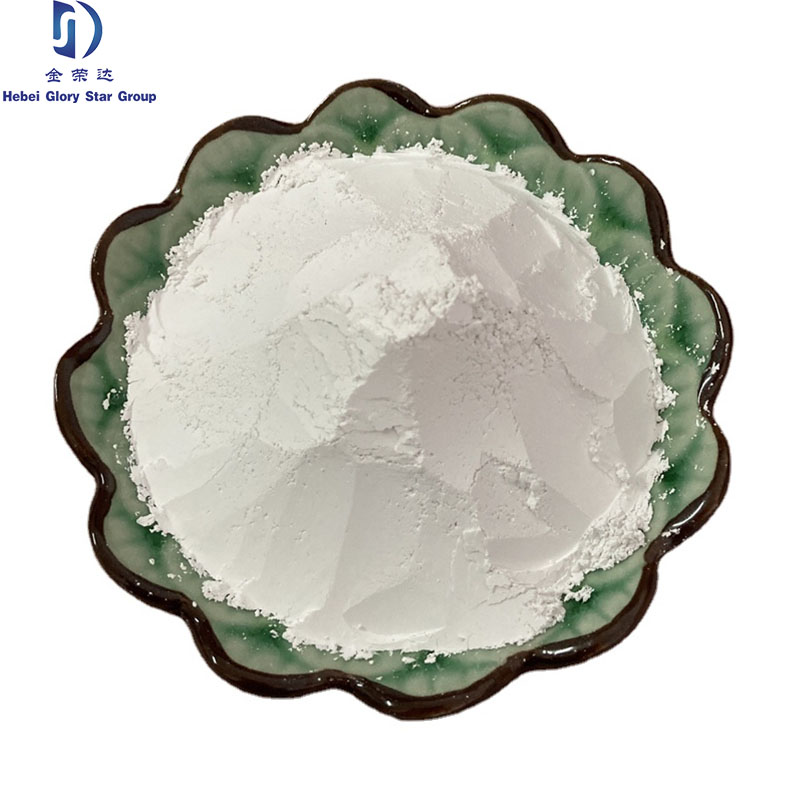
Process flow (how it’s made and controlled)
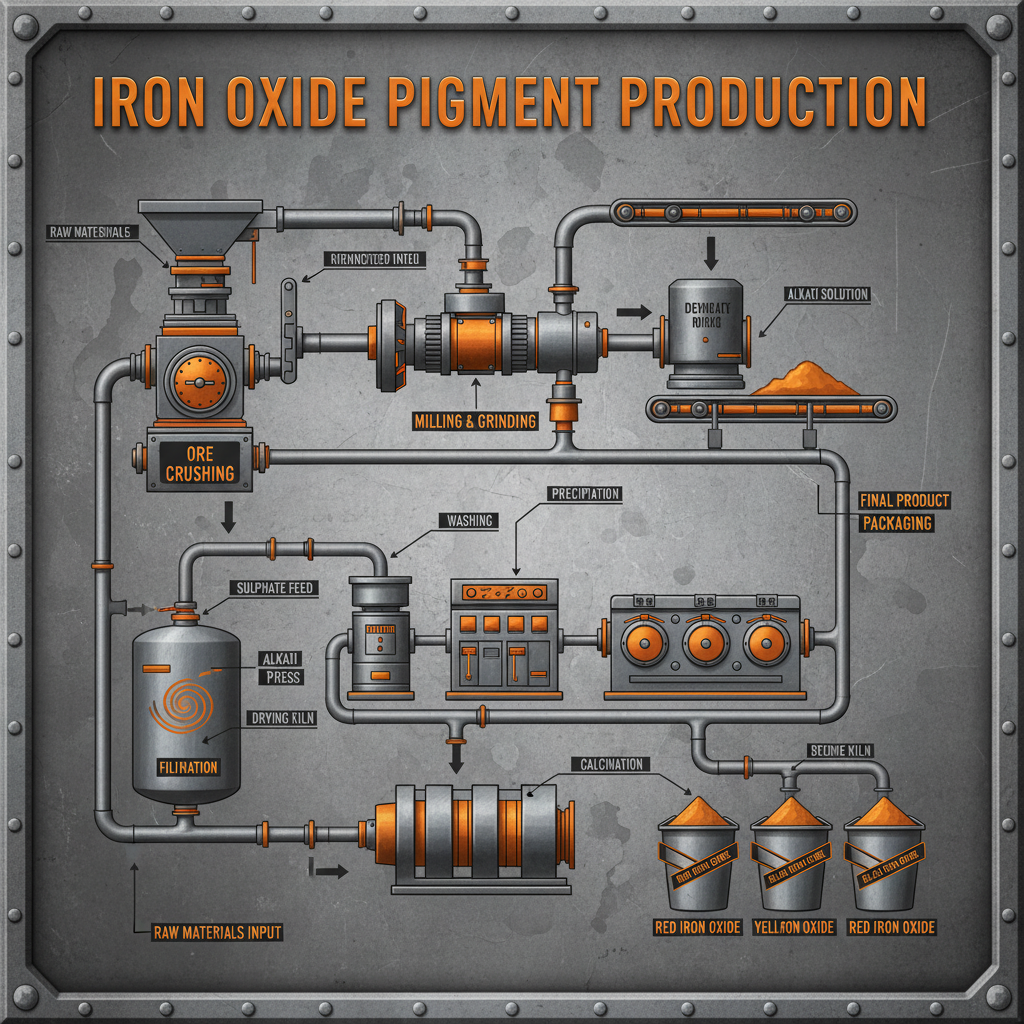
Ore selection → crushing → Raymond milling + high‑pressure grinding → multi-stage classification → magnetic separation → washing/flotation (as needed) → drying → final sieve → bagging on dust-controlled lines. Testing typically includes:
- Particle size distribution by laser diffraction (ISO 13320)
- Whiteness/brightness vs. colorimetry references (≈ ISO 7724)
- Chemical composition by XRF; loss on ignition
- Optional mineral ID (XRD) and asbestos-screening protocols (lab XRD/PLM per regional guidance)
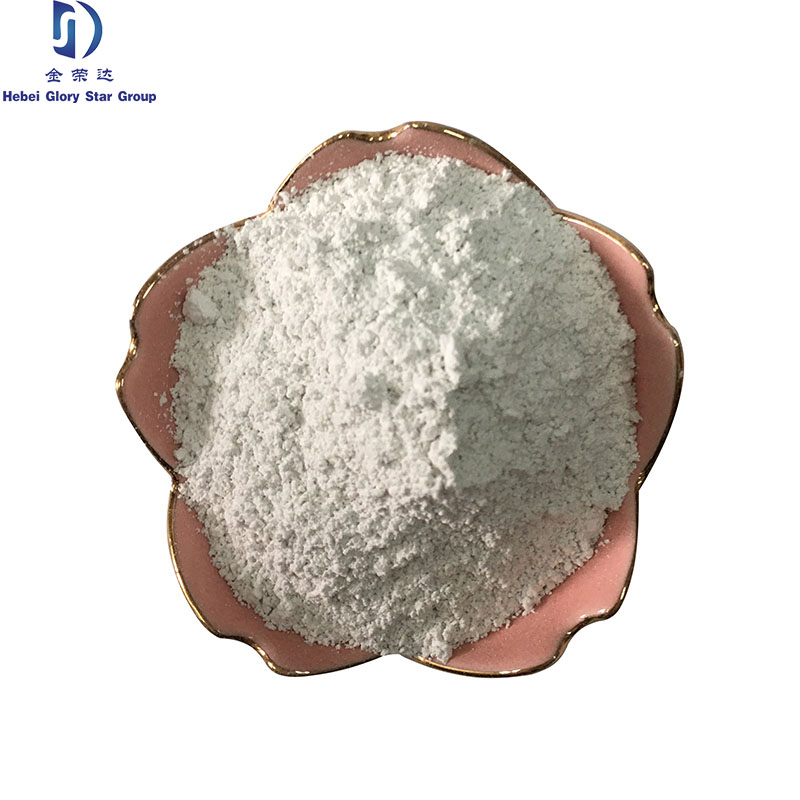
Product snapshot
| Parameter | Typical value (real-world may vary) |
|---|---|
| Grade | Industrial High Whiteness talcum powder, 1250 mesh |
| Particle size (D50) | ≈ 8–10 μm |
| Whiteness | 85–96% |
| Moisture | ≤ 0.5% |
| Oil absorption | ≈ 25–35 g/100 g |
| SiO2 / MgO | ≈ 60% / 30% (XRF) |
| pH (slurry) | ≈ 8–9 |
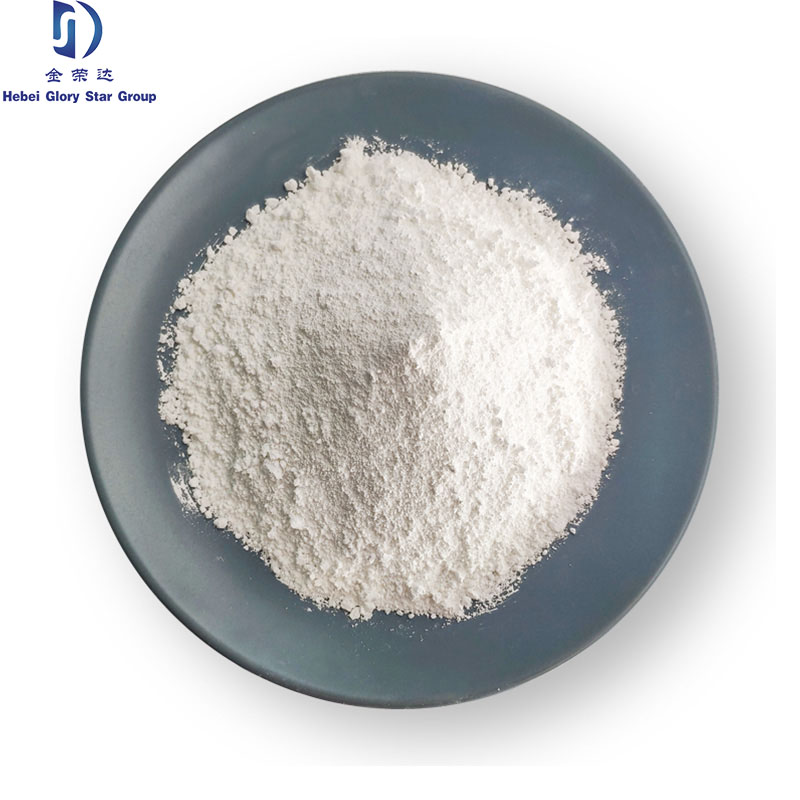
Where it shines (applications)
- Coatings: flatting, hiding, anti-settling; ISO 3262-10 relevant for extenders
- Rubber: process aid, extrusion flow, anti-stick
- Plastics (PP/PE/PVC): stiffness, dimensional stability, scratch resistance; surface-treated grades on request
- Ceramics: fluxing aid, whiteness, thermal stability
Service life? In architectural coatings, formulations with talcum powder routinely see 5–8 years exterior durability (binder/weathering dependent). In PP interior car parts, it’s not unusual to target 8–10 years without notable warpage drift.
Certification, compliance, and QC
Vendors in this corridor typically run ISO 9001 QMS and provide REACH/RoHS statements when exporting. Many customers say the COA consistency is “boringly good,” which—speaking as a production person—is exactly what you want. For critical programs, we ask for laser PSD curves (ISO 13320), color data vs. standards, and batch-level mineral screening.
Vendor comparison (editor’s quick take)
| Item | GloryStar (Hebei) | Regional Trader A | Low‑Cost B |
|---|---|---|---|
| Whiteness | 85–96% (tight) | ≈ 82–92% | ≈ 78–88% |
| Mesh consistency | Stable 1250 | Mixed lots | Variable |
| Lead time | 7–10 days | 10–15 days | Uncertain |
| Documentation | COA + PSD + XRF on request | COA only | Limited |
Customization and packaging
Need surface-treated talcum powder (stearic, silane) for PP or cable compounds? That’s doable. Meshes from 800–3000 available on inquiry. Standard 25 kg bags or ≈1 MT jumbo; pallets for export. Pro tip: for high-gloss coatings, ask for tighter top-cut (D97) and a whiteness certificate tied to each lot.
Mini case files
- Automotive PP interior: 20% talcum powder masterbatch cut part warpage by ≈15% and improved scratch to ΔL ≈ 0.6 (internal lab).
- Marine primer: extender swap to high-whiteness talcum powder improved hiding by ≈8% at same PVC, with better sanding feel.
- Ceramic tiles: flux efficiency gave a mid-kiln fuel saving of ≈3% (single-plant trial; kiln tuning mattered a lot).
References and standards
- ISO 3262-10: Extenders for paints — Part 10: Talc.
- ISO 13320: Particle size analysis — Laser diffraction methods.
- ECHA REACH guidance for talc (EC No. 238-877-9) and Annex XVII restrictions (where applicable).
- ISO 7724 (Colorimetry) for color/whiteness evaluation; common in QC correlations.
- GB/T 15342: Talc for rubber industry (CN standard), for typical QC benchmarks.
Post time: Oct-19-2025

.png "About")