

In the industrial and consumer product sectors, the talc powder use has been both widespread and controversial due to safety concerns. As a leading provider of talc - based products, Hebei Junlan Packaging Technology Co., LTD understands the critical importance of adhering to safety regulations regarding talc powder use, especially in applications like use of talc in dusting powder. This guide, from a wholesaler’s perspective, delves into the safety regulations surrounding talc powder, explores the different talcum powder types, and highlights how companies can ensure compliance to safeguard public health and maintain product integrity.
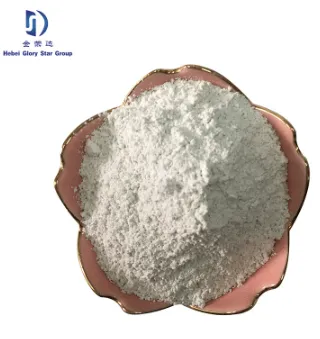
Understanding the Landscape of Talc Powder Use and Safety Regulations
Talc powder, primarily composed of hydrated magnesium silicate, has diverse applications, from cosmetics and pharmaceuticals to industrial uses in plastics and ceramics. However, its use of talc in dusting powder has drawn significant regulatory scrutiny due to potential health risks, particularly the concern of asbestos contamination. Regulatory bodies worldwide, such as the U.S. Food and Drug Administration (FDA), the European Chemicals Agency (ECHA), and national health authorities, have established strict guidelines to govern talc powder use.
Hebei Junlan Packaging Technology Co., LTD actively monitors and complies with these regulations, ensuring that its talcum powder types meet the highest safety standards, whether intended for consumer products or industrial applications.
Key Safety Regulations Governing Talc Powder Use
Asbestos Contamination Limits
Asbestos is a known carcinogen, and its presence in talc powder poses significant health risks. Regulatory authorities mandate that talc powder products must be asbestos - free or have asbestos levels below extremely low detection limits. Hebei Junlan Packaging Technology Co., LTD implements rigorous testing procedures, including advanced analytical methods like X - ray diffraction (XRD) and transmission electron microscopy (TEM), to ensure that its talc powder products are free from asbestos contamination, safeguarding the safety of end - users.
Heavy Metal Content Restrictions
Heavy metals such as lead, arsenic, cadmium, and mercury can be present as impurities in talc powder. These metals are toxic to human health, especially when used in consumer products like dusting powder. Regulations set strict limits on the allowable heavy metal content in talc powder. Hebei Junlan’s quality control processes include thorough testing of raw materials and finished products to ensure that heavy metal levels are well within regulatory thresholds, ensuring safe talc powder use.
Particle Size and Purity Requirements
Particle size and purity of talc powder influence its safety and performance. For use of talc in dusting powder, finer particle sizes are often preferred for a smoother texture, but they also require careful control to prevent inhalation risks. Regulatory guidelines specify acceptable particle size distributions and purity levels. Hebei Junlan uses advanced milling and classification techniques to produce talc powder with controlled particle sizes, ensuring compliance with safety regulations and optimal product performance.
Talcum Powder Types and Their Regulatory Considerations
Cosmetic - Grade Talcum Powder
Cosmetic - grade talcum powder, commonly used in dusting powder, baby powder, and other personal care products, has the most stringent safety requirements. It must meet strict standards for asbestos - free content, heavy metal limits, and purity. Hebei Junlan’s cosmetic - grade talcum powder undergoes multiple rounds of testing and quality control to ensure compliance with global cosmetic regulations, providing consumers with a safe product for personal use.
Industrial - Grade Talc Powder
Industrial - grade talc powder is used in applications such as plastics, rubber, ceramics, and paints. While the safety requirements may differ from those of cosmetic - grade talc, industrial - grade products must still comply with regulations regarding asbestos contamination and heavy metal content, especially when there is a potential for human exposure during production processes. Hebei Junlan’s industrial - grade talc powder is formulated to meet these regulatory standards, enabling safe talc powder use across various industries.
Pharmaceutical - Grade Talcum Powder
Pharmaceutical - grade talcum powder is used as an excipient in medications, tablets, and capsules. It requires the highest level of purity and safety. Regulations mandate that pharmaceutical - grade talc powder must be free from any contaminants that could affect the efficacy or safety of medications. Hebei Junlan adheres to strict Good Manufacturing Practices (GMP) and conducts comprehensive testing to ensure that its pharmaceutical - grade talcum powder meets all regulatory requirements for safe use in the pharmaceutical industry.
Table: Regulatory Requirements for Different Talcum Powder Types (Hebei Junlan)
|
Talcum Powder Type |
Asbestos Requirement |
Heavy Metal Limit |
Particle Size Requirement |
Regulatory Compliance Focus |
|
Cosmetic - Grade |
Non - detectable |
Lead < 10 ppm, others within strict limits |
Fine, controlled distribution for smooth application |
Consumer safety, especially for direct skin contact |
|
Industrial - Grade |
Below detection limits |
Within acceptable industrial exposure levels |
Varies based on application (e.g., coarser for plastics) |
Worker safety and environmental protection |
|
Pharmaceutical - Grade |
Absolutely asbestos - free |
Minimal, with extremely low allowable levels |
Uniform and fine for consistent drug formulation |
Medication safety and efficacy |
Ensuring Safe Talc Powder Use at Hebei Junlan Packaging Technology Co., LTD
Stringent Raw Material Sourcing
Hebei Junlan carefully selects talc ore from reliable mines with a proven track record of low asbestos content and high - quality deposits. The company conducts thorough due diligence on its suppliers to ensure that raw materials meet the necessary safety requirements before production begins.
Advanced Production and Processing
The company employs state - of - the - art processing techniques, including advanced milling, purification, and classification methods, to produce talc powder with consistent quality and safety. These processes help in removing impurities, controlling particle size, and ensuring the absence of harmful contaminants.
Comprehensive Quality Control and Testing
Hebei Junlan has an in - house laboratory equipped with advanced testing instruments to conduct regular and comprehensive tests on its talc powder products. Tests include asbestos detection, heavy metal analysis, particle size determination, and purity assessment. Additionally, the company also engages third - party testing agencies for independent verification, ensuring the highest level of safety and regulatory compliance.
Talc Powder Use FAQS
What are the primary safety regulations for talc powder use?
The primary safety regulations for talc powder use focus on asbestos contamination limits, heavy metal content restrictions, and particle size and purity requirements. Regulatory bodies such as the FDA and ECHA set strict guidelines to ensure that talc powder products, especially those used in dusting powder and other consumer products, are safe for human exposure. Hebei Junlan Packaging Technology Co., LTD adheres to these regulations through rigorous raw material sourcing, advanced production processes, and comprehensive testing.
How do different talcum powder types impact safety regulations?
Different talcum powder types have varying safety regulations based on their intended use. Cosmetic - grade talcum powder, used in products like dusting powder, has the strictest requirements due to direct skin contact and potential inhalation risks. Industrial - grade talc powder focuses on worker safety and environmental protection, while pharmaceutical - grade talcum powder emphasizes medication safety and efficacy. Hebei Junlan formulates each talcum powder type to meet its specific regulatory requirements, ensuring safe talc powder use across different industries.
What measures does Hebei Junlan take to ensure asbestos - free talc powder use?
Hebei Junlan takes several measures to ensure asbestos - free talc powder use. The company sources raw materials from trusted mines with low asbestos risk, employs advanced processing techniques to remove potential contaminants, and conducts extensive testing using methods like X - ray diffraction (XRD) and transmission electron microscopy (TEM). These measures help in detecting and eliminating any traces of asbestos, ensuring that its talc powder products meet the strictest safety regulations.
Can use of talc in dusting powder be safe if regulations are followed?
Yes, the use of talc in dusting powder can be safe if regulations are followed. When talc powder manufacturers like Hebei Junlan Packaging Technology Co., LTD adhere to safety regulations regarding asbestos - free production, heavy metal limits, and particle size control, the resulting dusting powder products are safe for consumer use. Following these regulations minimizes potential health risks associated with talc powder, ensuring that consumers can use such products with confidence.
How does regulatory compliance affect the talc powder use in industrial applications?
Regulatory compliance significantly affects the talc powder use in industrial applications. In industries such as plastics, rubber, and ceramics, compliance with regulations regarding asbestos contamination and heavy metal content ensures worker safety and environmental protection. Hebei Junlan’s industrial - grade talc powder meets these regulatory requirements, enabling industries to use talc powder safely in their manufacturing processes without compromising on safety standards or facing regulatory penalties.
Safety regulations play a pivotal role in governing talc powder use across various sectors, from consumer products to industrial applications. Hebei Junlan Packaging Technology Co., LTD’s commitment to adhering to these regulations, understanding the nuances of different talcum powder types, and implementing strict quality control measures ensures that its talc powder products are safe and compliant.
As regulatory requirements continue to evolve in response to scientific advancements and public health concerns, wholesalers and manufacturers must remain vigilant. By prioritizing safety and compliance, companies can not only protect public health but also maintain their reputation and contribute to the sustainable use of talc powder in the marketplace.
Post time: Oct-15-2025
.png "About")