

A Practical Insider’s Guide to red iron oxide for Coatings, Concrete, and Plastics
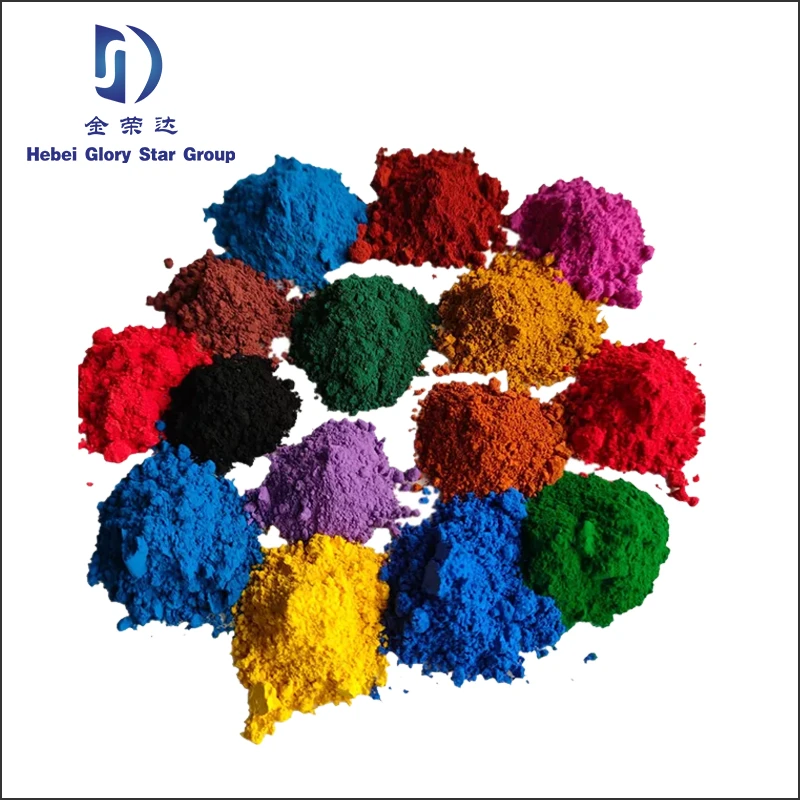
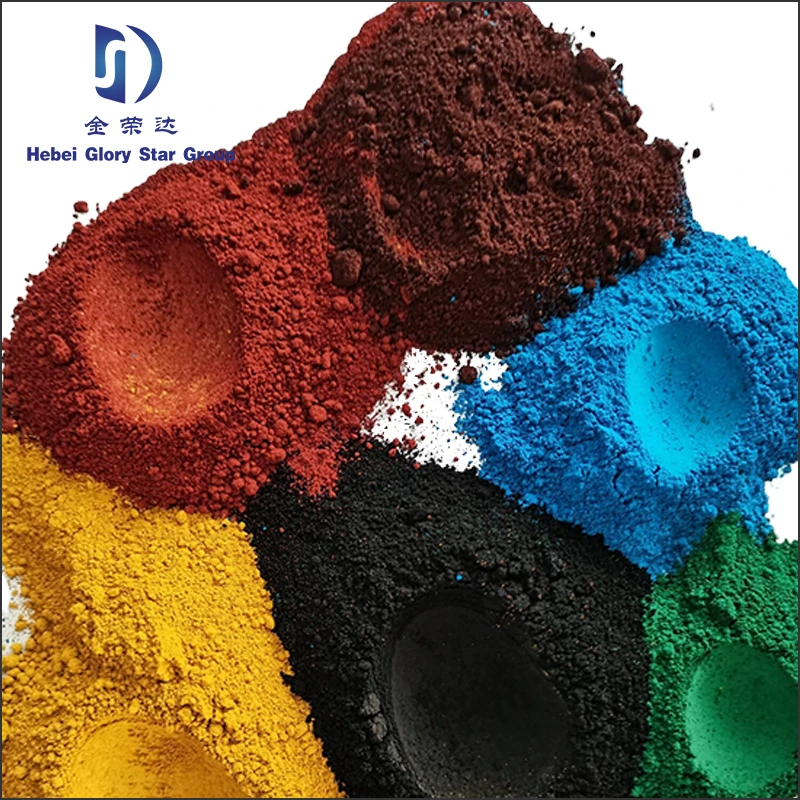
If you work in paints or concrete, you already know the quiet reliability of red iron oxide. It’s the pigment that just keeps showing up—stable, UV-tough, alkali-resistant, and frankly, easy to disperse when the grind schedule gets tight. From my calls with plant managers, the story is consistent: strong tint strength, predictable rheology, and zero drama in wet or dry systems.
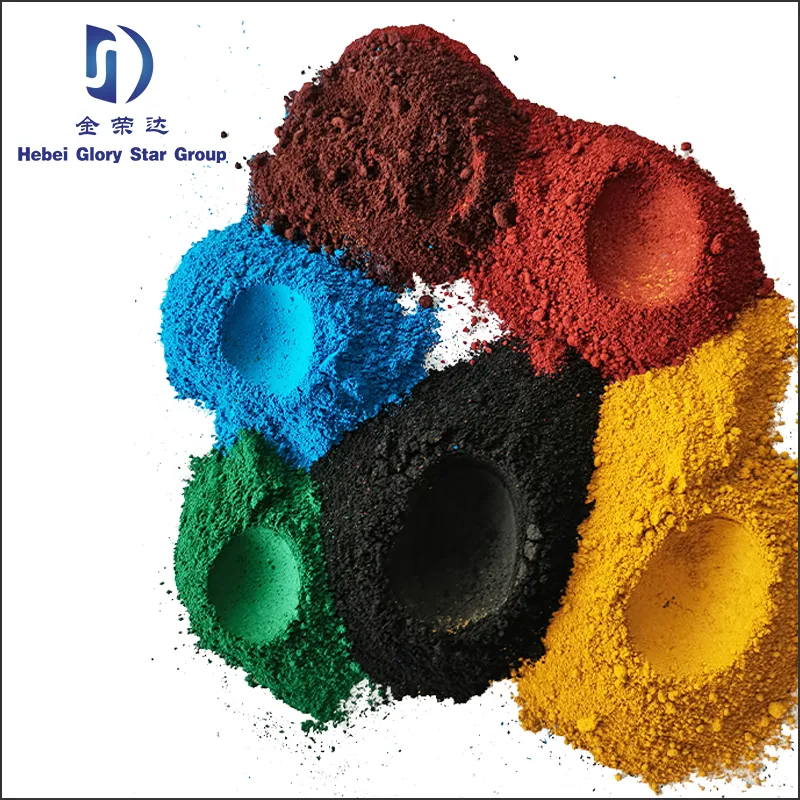
What’s trending
Two big shifts: first, tighter color consistency (ΔE control) for RAL/NCS matches; second, sustainability pressures pushing solvent-free dispersions and low-VOC coatings. Suppliers that can deliver red iron oxide with narrow particle-size distributions and EN 12878 compliance for cement are, unsurprisingly, winning bids.
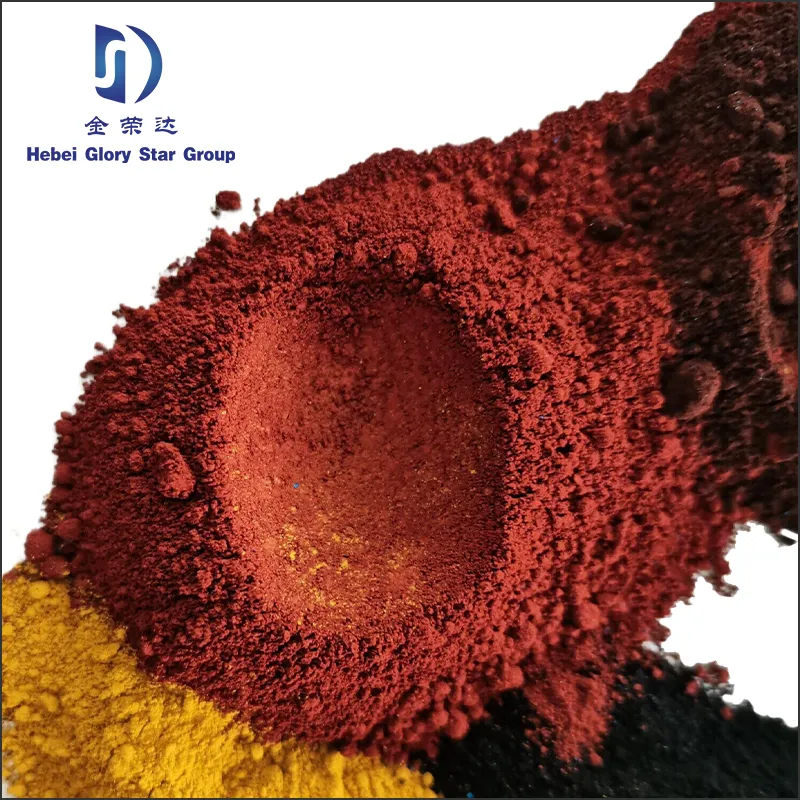
Product snapshot (Iron Oxide Red/Black/Yellow for Paint, Coating, Construction, Concrete)
| Chemical/CI | Fe2O3, Pigment Red 101 |
| Appearance | Fine powder; soft tone, high opacity |
| Particle size D50 | ≈0.2–0.5 μm (real-world use may vary) |
| Oil absorption (ISO 787-5) | 15–25 g/100 g |
| Moisture (ISO 787-2) | ≤1.0% |
| pH (ISO 787-9) | 5.0–7.5 (aqueous slurry) |
| Heat stability | Up to 400–500°C (system-dependent) |
| Light/weather fastness | 8/5 (out of 8) typical |
| Sieve residue (325 mesh) | ≤0.5% |
How it’s made (short version)
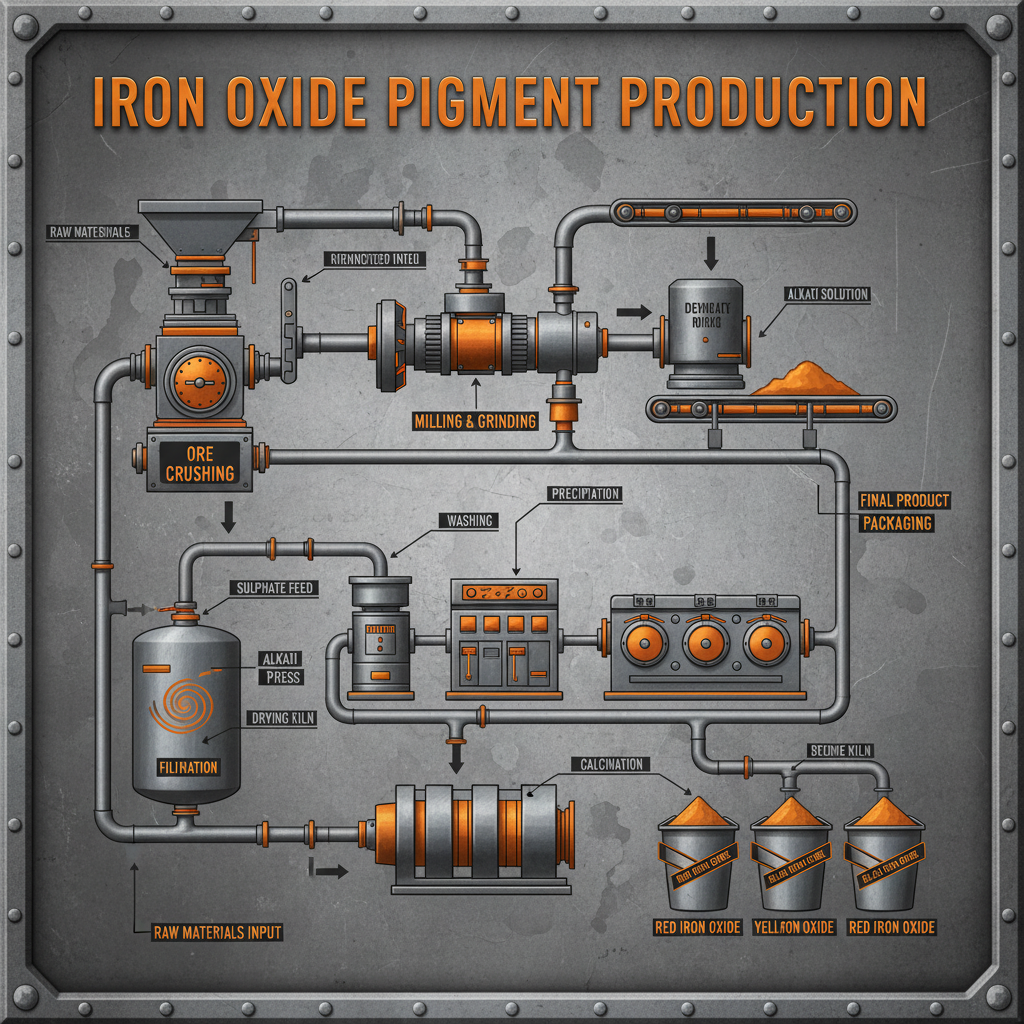
Feedstock hematite/goethite or synthetic precursors → precipitation or Penniman-type synthesis → calcination to stabilize crystal phases → micronization/air classification → optional surface treatment (dispersant/silane) → QC. Testing follows ISO 787 series (pH, oil absorption, moisture), color by ASTM D2244 (CIE Lab), and for cement use, EN 12878/ASTM C979 conformity. Service life: coatings 10–15+ years; precast/block 20–30 years depending on binder and exposure.
Where it excels
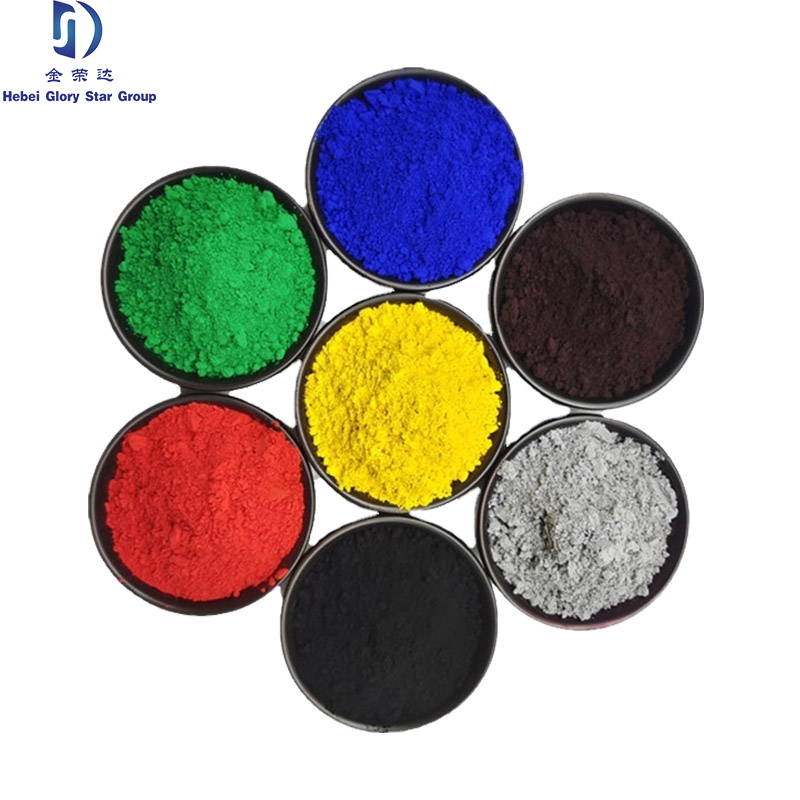
- Architectural paints and roof coatings: high opacity, UV stability.
- Cement tiles, pavers, terrazzo: alkali resistance; EN 12878 compliance.
- Plastics/PP PE masterbatch: heat-resistant red iron oxide grades; good dispersion.
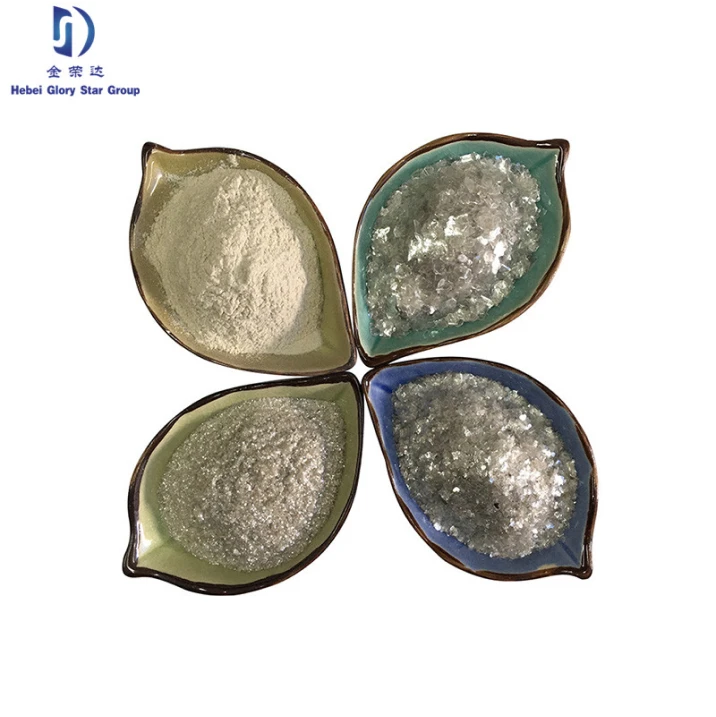
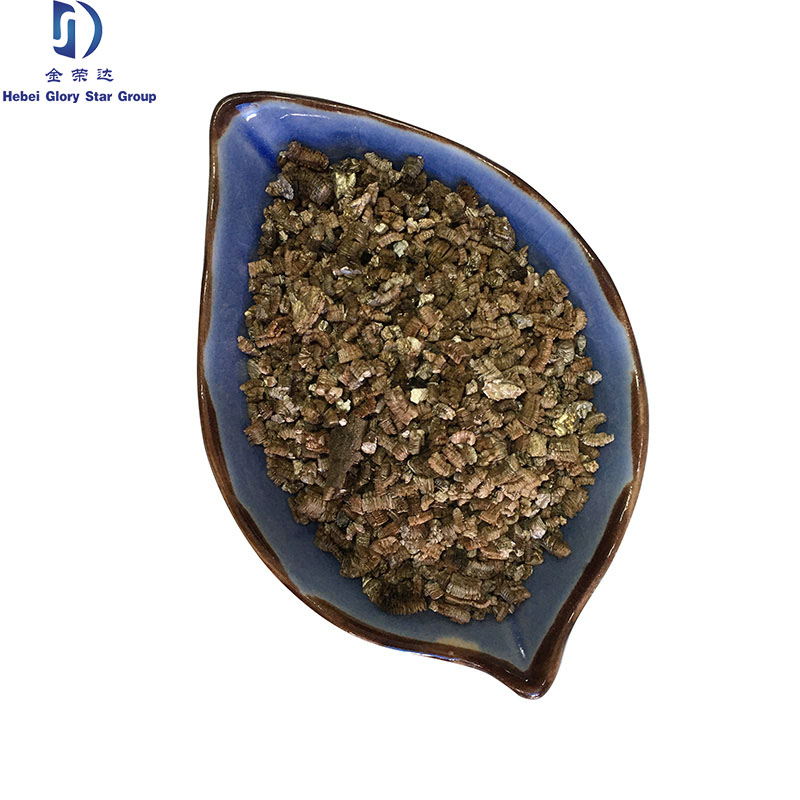
- Primers/anti-corrosion: natural anti-rust synergy with micaceous iron options.
Many customers say tint strength is “forgiving” in batch corrections. I’d agree.
Two quick case notes
Case A—Coastal precast: Using red iron oxide at 4% on cement, ΔE2000 stayed ≤0.9 after 2,000 h QUV (ASTM G154); compressive strength unchanged; EN 12878 and ASTM C979 passed. Feedback: “Color stable; no efflorescence issues.”
Case B—Coil coating touch-up: OEM red (RAL 3009) in acrylic silicone topcoat; gloss retention 88% after 1,000 h ASTM D2247 humidity; chalking ≤8 (ASTM D4214). Lab noted smoother dispersion at 0.4% defoamer vs 0.3%.
Vendor snapshot (indicative)
| Vendor | Origin | Certs | Grade/Notes | Lead time |
|---|---|---|---|---|
| Glorystar Export | Shijiazhuang, Hebei, China | ISO 9001, REACH | Coating, concrete, plastic grades; EN 12878-ready | ≈10–15 days |
| EU Brand A | EU | ISO 14001, REACH | Tight ΔE control; premium pricing | ≈2–4 weeks |
| OEM B | APAC | ISO 9001 | Value grade; broader PSD | ≈2–3 weeks |
Note: pricing, MOQ, and performance vary by batch and surface treatment.
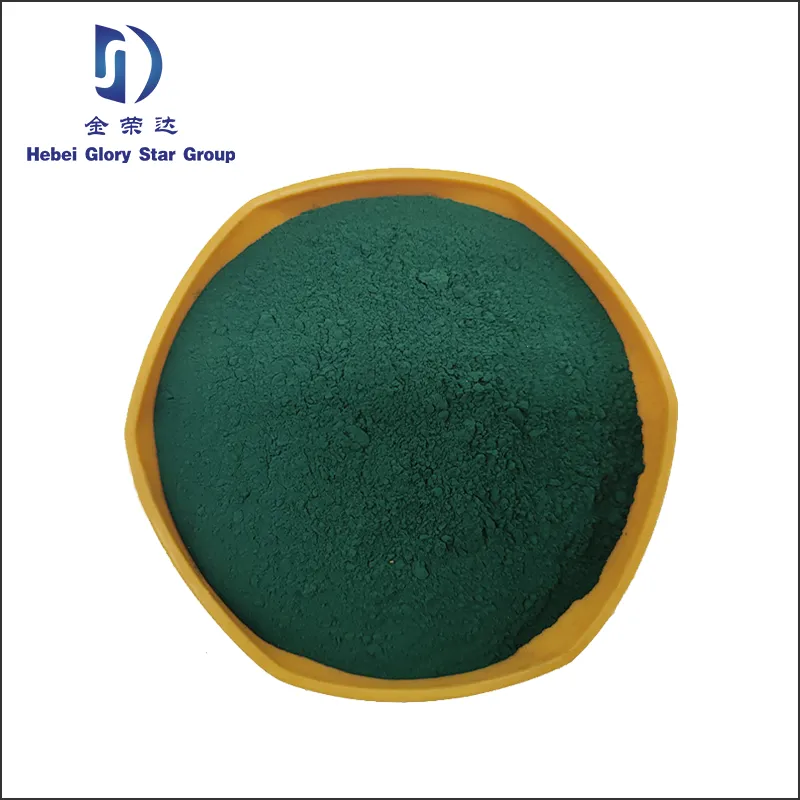
Customization and QA
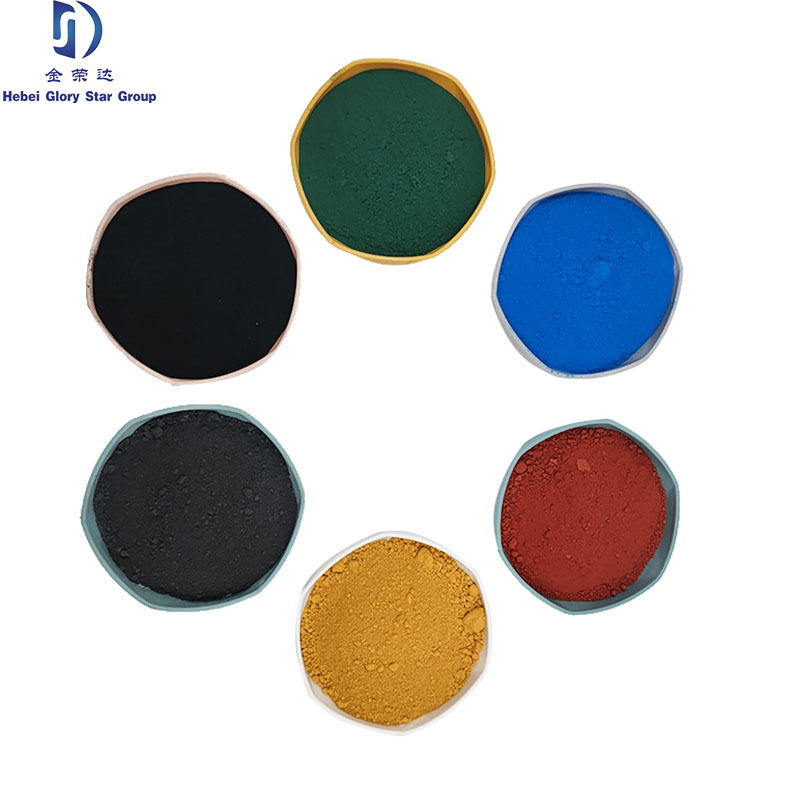
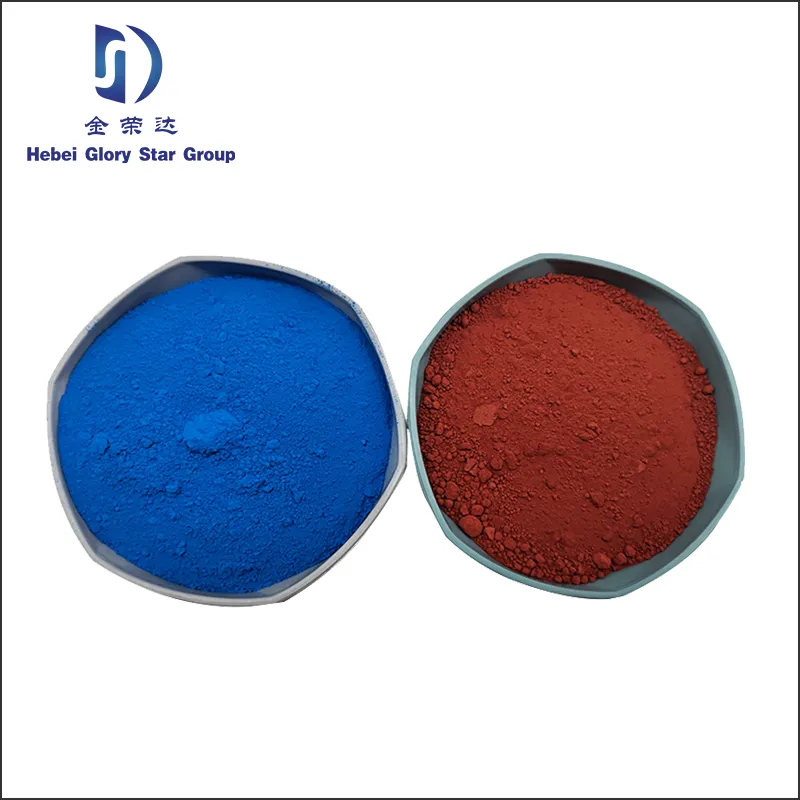
- Custom tone (yellowish to bluish red iron oxide), PSD tuning, dust-free granules.
- Waterborne-ready surface treatment; low-salt grades for efflorescence-sensitive concrete.
- Batch COA: Lab, moisture, sieve residue, oil absorption; third-party tests on request.
Origin: 368 Youyi North Street, Shijiazhuang, Hebei, China. Logistics are surprisingly efficient for palletized pigment—less breakage, fewer headaches.
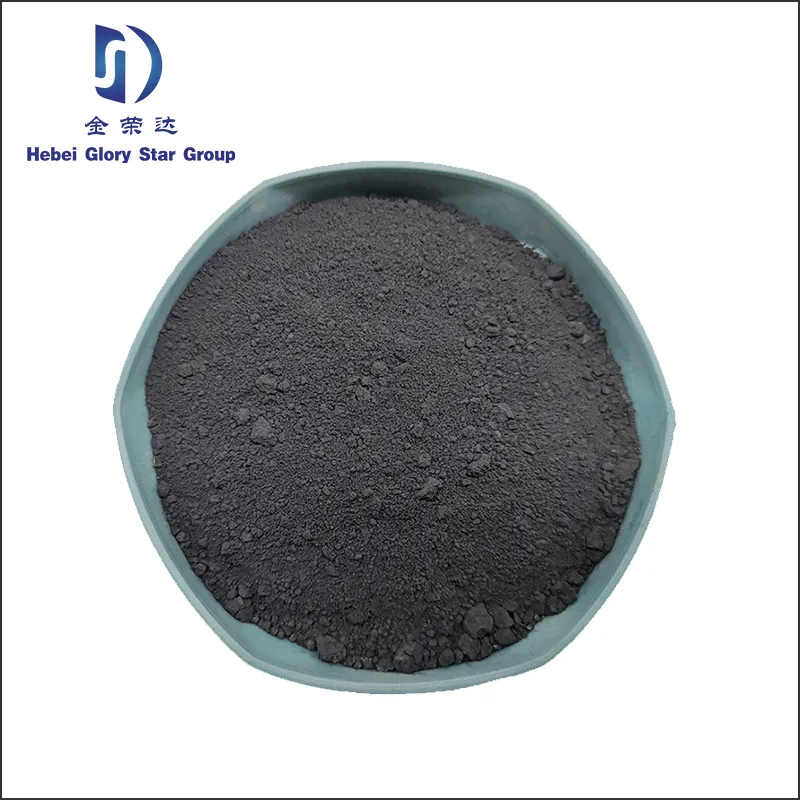
Standards we watch
ISO 787 series (general pigment tests), EN 12878 (cement pigments), ASTM C979 (integral color in concrete), ASTM D2244 (colorimetry), plus REACH/RoHS compliance. In practice, I look first at ΔE and sieve residue; if those pass, dispersion usually behaves.
References
- ISO 787 Pigments and extenders — General test methods.
- EN 12878: Pigments for the colouring of building materials based on cement and/or lime.
- ASTM C979/C979M: Pigments for Integrally Colored Concrete.
- ASTM D2244: Calculation of Color Tolerances and Color Differences from Instrumentally Measured Color Coordinates.
- EU REACH Regulation (EC) No 1907/2006.
Post time: Oct-16-2025





.png "About")