

Introduction to Iron Oxide Pigments in B2B Applications
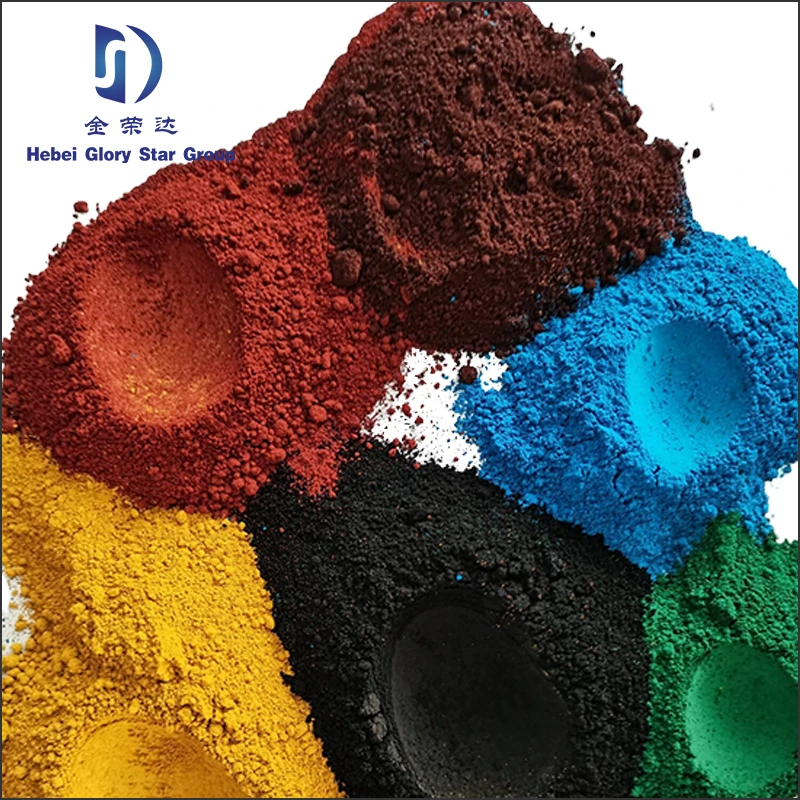
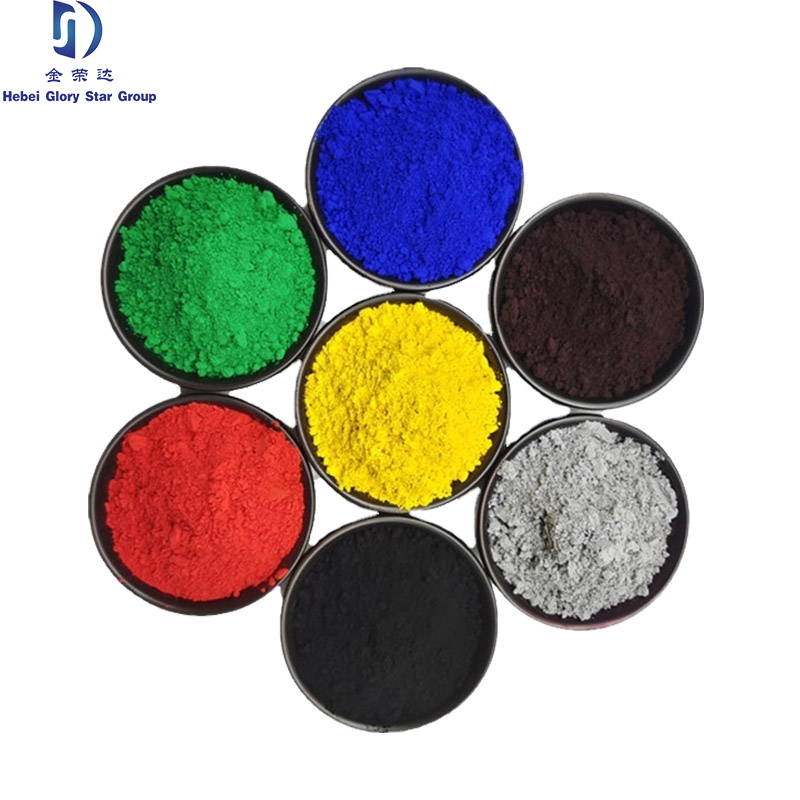
In the realm of industrial pigments, red iron oxide stands as a cornerstone, widely recognized for its exceptional durability, vibrant color, and cost-effectiveness. As an inorganic pigment, it forms the backbone of countless formulations across diverse B2B sectors, from construction materials to high-performance coatings and plastics. Its stable chemical composition, primarily ferric oxide (Fe2O3), confers superior resistance to weathering, UV radiation, and chemical degradation, making it an indispensable component where aesthetic appeal must be coupled with long-term performance. Alongside its counterparts, such as yellow iron oxide (FeO(OH)) and black iron oxide (Fe3O4), iron oxide pigments offer a spectrum of colors and functionalities tailored to stringent industrial requirements. This comprehensive overview delves into the technical intricacies, market dynamics, and application prowess of this vital industrial compound.
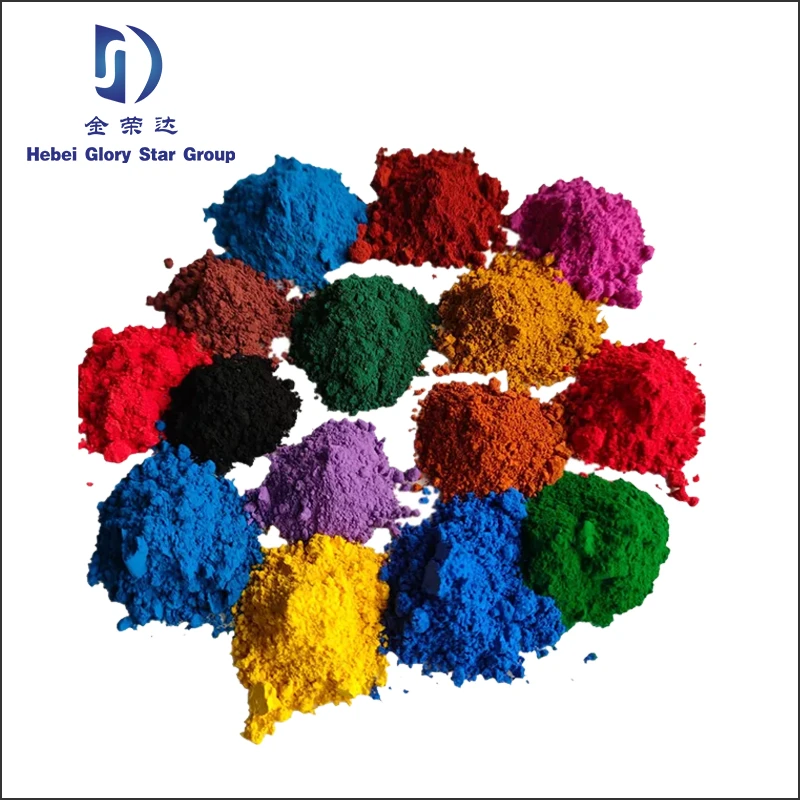
The Manufacturing Process of Red Iron Oxide: From Raw Material to Refined Pigment
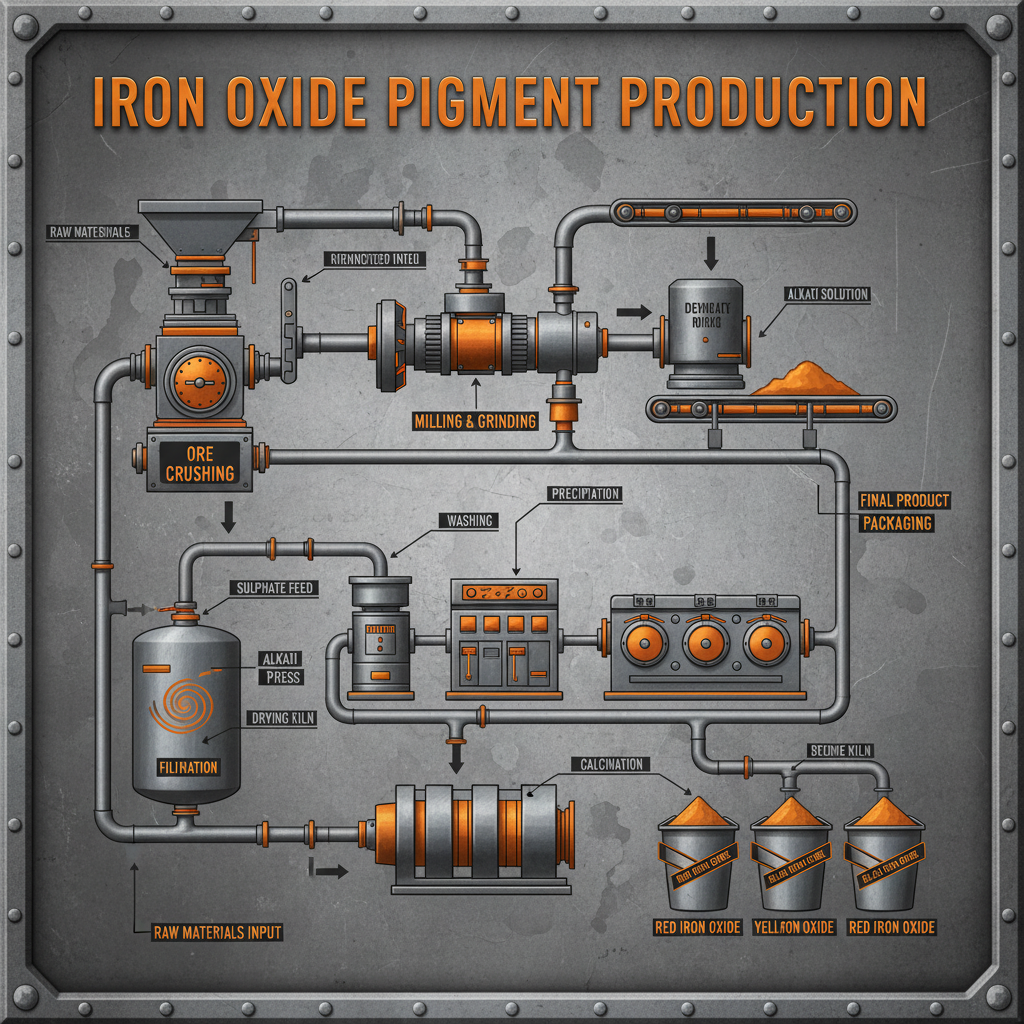
The production of high-quality red iron oxide pigment involves a meticulously controlled chemical synthesis and processing sequence, ensuring consistent color, particle size, and dispersibility. Unlike metallic components which undergo casting or forging, pigment manufacturing relies on chemical reactions and physical refining. The primary methods include the Laux process, precipitation, and thermal decomposition of other iron compounds.
Process Step 1: Raw Material Preparation
The journey begins with selecting high-purity iron salts, typically ferrous sulfate (FeSO4) or ferrous chloride (FeCl2). These precursors are crucial for achieving the desired chemical purity and final shade of the iron oxide pigment. Strict quality control ensures low impurity levels, which can otherwise affect pigment performance.
Process Step 2: Precipitation/Hydrolysis
In the precipitation method, ferrous salts react with an alkali (e.g., sodium hydroxide) to form ferrous hydroxide. This intermediate is then carefully oxidized, often with air, to form iron hydroxides (like yellow iron oxide, FeO(OH)). The precise control of pH, temperature, and stirring speed during this phase determines the particle morphology and size distribution.
Process Step 3: Calcination/Thermal Decomposition
To produce red iron oxide (Fe2O3), the precipitated iron hydroxides or directly synthesized compounds undergo calcination (thermal decomposition) at elevated temperatures, typically ranging from 700°C to 900°C. This process dehydrates the material, converting FeO(OH) to Fe2O3 and consolidating the crystalline structure, which dictates the pigment's tinting strength and hue.
Process Step 4: Washing, Filtering, Drying
Post-calcination, the crude pigment is thoroughly washed to remove residual salts and impurities, filtered, and then dried. This purification step is critical to ensure optimal pigment performance, particularly in terms of chemical stability and dispersion in end applications.
Process Step 5: Grinding, Micronization, and Packaging
The dried pigment undergoes milling and micronization to achieve the desired particle size distribution, enhancing its tinting strength, opacity, and dispersibility. Modern processing includes advanced grinding techniques to produce fine iron oxide powder, suitable for high-end applications. The final product is then subjected to stringent quality control, adhering to international standards like ISO 1248 and ASTM D768, ensuring a service life measured in decades when incorporated into resilient materials like paints and concrete.
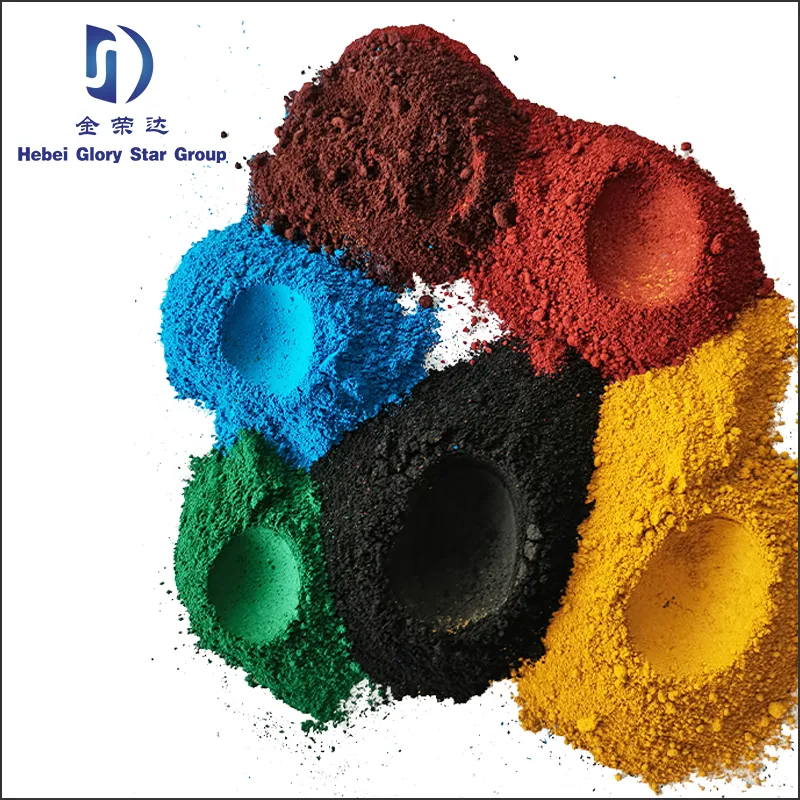
Current Industry Trends in Iron Oxide Pigments
The market for iron oxide pigments, including red iron oxide, is continuously evolving, driven by global demand for sustainable solutions, enhanced performance, and aesthetic versatility. Key trends include the increasing adoption of eco-friendly manufacturing processes that minimize waste and energy consumption. There's a rising demand for specialized grades offering ultra-fine particle sizes for high-gloss coatings and transparent effects, as well as heat-stable variants for applications requiring high-temperature processing. The construction sector, a major consumer, is pushing for pigments that contribute to longer-lasting, low-maintenance building materials, aligning with principles of energy saving through durable facades. Furthermore, the aesthetic appeal in urban development and infrastructure projects fuels demand for a broader palette of natural earth tones, cementing the importance of quality iron oxide pigments.
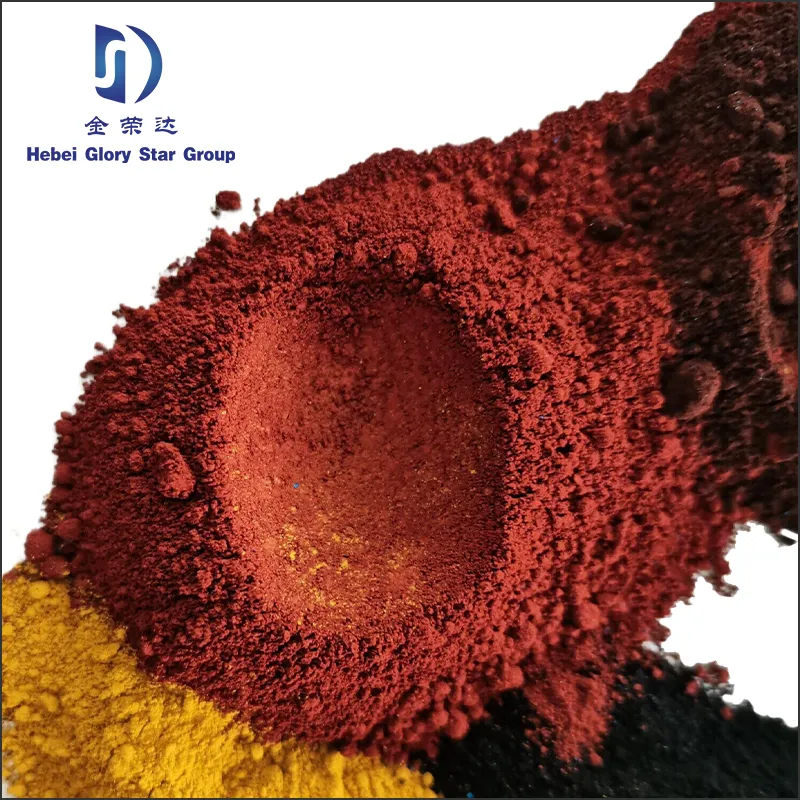
Technical Specifications and Performance Parameters
Understanding the precise technical specifications of red iron oxide is paramount for B2B clients to ensure optimal product performance and compatibility with their formulations. Parameters such as tinting strength, oil absorption, and heat stability directly impact the final product's quality and cost-efficiency. Our Inorganic Pigment Iron Oxide Red/Black/Yellow is manufactured to stringent standards to meet diverse industrial needs.
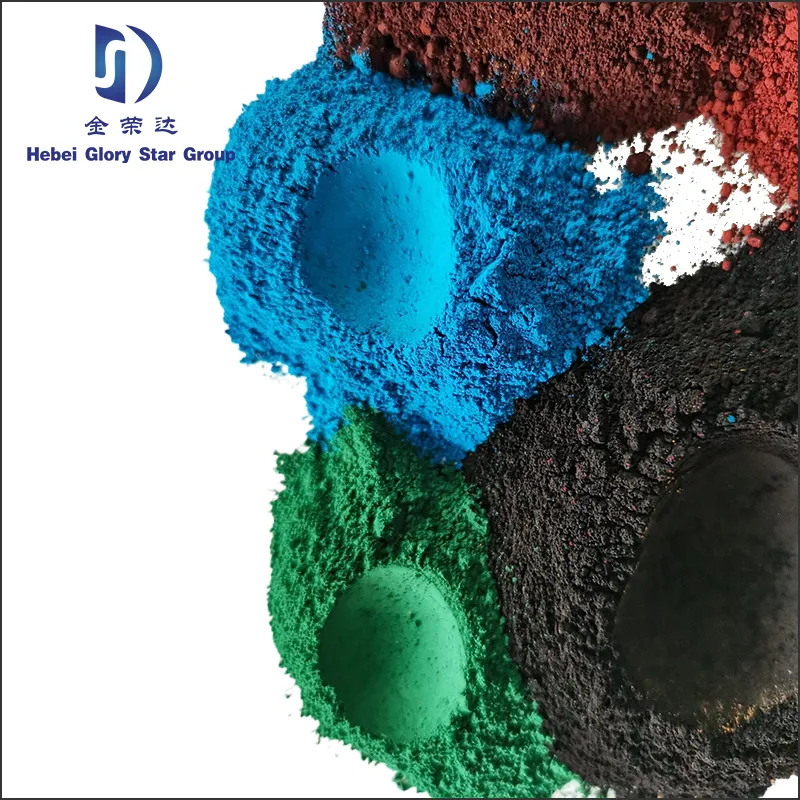
Diverse Application Scenarios for Iron Oxide Pigments
The versatility of iron oxide pigments, particularly red iron oxide, extends across a myriad of industrial applications due to their inherent stability, non-toxicity, and vibrant color range.
- Construction Materials: Integral for coloring concrete, paving stones, roof tiles, bricks, and stucco. Its UV stability ensures long-term color retention, contributing to corrosion resistance and aesthetic appeal in outdoor structures.
- Paints & Coatings: Used extensively in industrial coatings (e.g., anti-corrosion primers), automotive finishes, marine paints, and decorative paints. The pigment enhances opacity and weatherability, offering superior protection.
- Plastics & Rubber: Provides durable coloration for plastics (e.g., PVC, polyolefins) used in various products, from automotive components to consumer goods. Its heat stability is critical in high-temperature extrusion processes.
- Ceramics: Utilized in ceramic glazes and bodies for a range of decorative and functional ceramics.
- Magnetic Applications: Certain grades of black iron oxide (Fe3O4) are critical in magnetic recording media and magnetic fluids due to their ferromagnetic properties.
Technical Advantages and Performance Benefits
The selection of iron oxide powder is driven by its compelling array of technical advantages, making it a preferred choice over organic pigments in many demanding B2B applications.
- Superior Lightfastness and Weatherability: Inorganic pigments like red iron oxide exhibit exceptional resistance to fading, even under prolonged exposure to sunlight and harsh weather conditions, ensuring long-lasting color integrity. This is crucial for exterior applications.
- Excellent Chemical Resistance: They are largely inert to acids, alkalis, and solvents, preventing color degradation or bleeding when exposed to various chemical environments, which is vital in petrochemical and industrial coating sectors.
- High Heat Stability: Especially true for red and black iron oxide, these pigments withstand high processing temperatures without decomposing or changing color, making them suitable for plastics, ceramics, and high-temperature coatings.
- Non-toxic and Environmentally Friendly: Iron oxide pigments are considered non-toxic and environmentally benign, making them safe for a wide range of applications, including those requiring FDA compliance for indirect food contact.
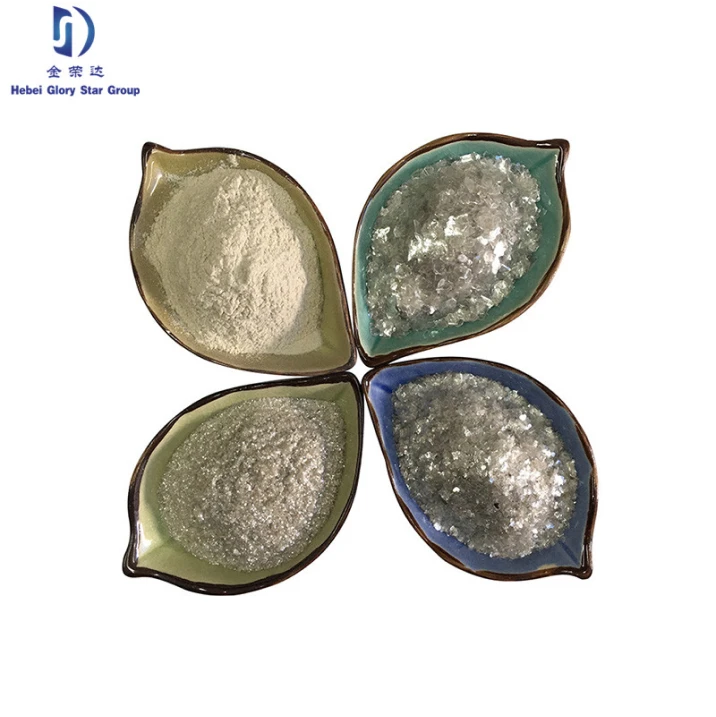
- Corrosion Resistance Enhancement: In coatings, iron oxide pigments, particularly micaceous iron oxide (MIO), contribute to the barrier properties, significantly enhancing the corrosion resistance of substrates in harsh industrial environments.
Vendor Comparison and Selection Criteria
Choosing the right supplier for iron oxide powder is a strategic decision that impacts product quality, supply chain reliability, and cost efficiency. Critical factors beyond price include consistency in quality, technical support, and adherence to international standards. Below is a comparative overview focusing on key considerations for B2B clients.
Glorystar Export differentiates itself through a commitment to both product excellence and customer-centric service, offering premium inorganic pigments like red iron oxide with unparalleled technical support and supply chain efficiency.
Customized Solutions and Tailored Formulations
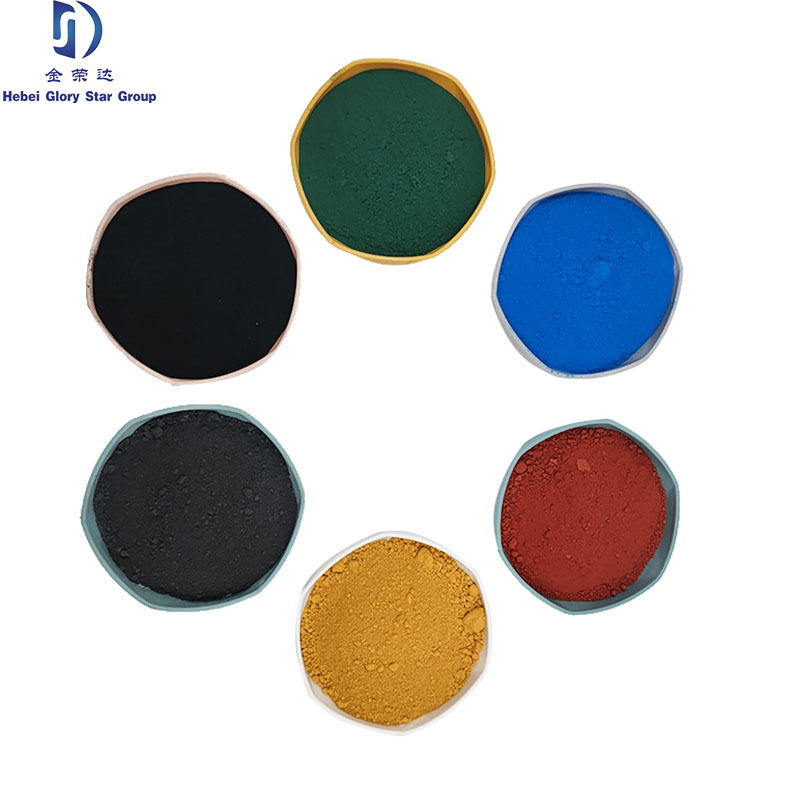
Recognizing that standard products may not always perfectly align with unique project requirements, Glorystar Export offers extensive customization capabilities for its iron oxide powder range. This includes tailoring the hue, particle size distribution, and surface treatment of pigments to meet specific performance criteria or aesthetic targets.
- Precision Color Matching: For brand consistency or specific design palettes, our R&D team can develop custom red iron oxide shades to match customer samples with high accuracy.
- Optimized Particle Size: Whether ultra-fine particles are needed for transparent coatings or coarser grades for textured finishes, we can control the milling process to achieve desired particle size specifications.
- Surface Treatment for Enhanced Dispersion: Pigments can be surface-treated to improve their dispersibility in various binders, oils, or aqueous systems, reducing processing time and improving color development. This is crucial for high-performance paints and inks.
- Formulation Support: Our technical experts collaborate with clients to understand their specific application challenges, offering guidance on pigment loading, compatibility, and formulation optimization to achieve desired properties like energy saving in insulation coatings or enhanced corrosion resistance in marine paints.
Real-World Application Case Studies
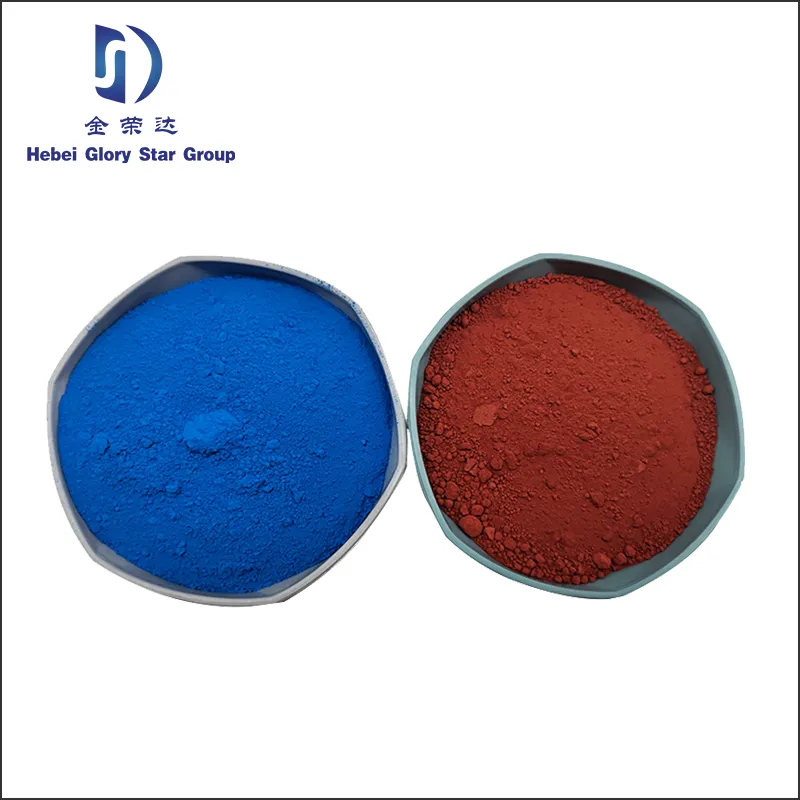
Our iron oxide pigments have been successfully integrated into numerous high-profile projects globally, demonstrating their reliability and superior performance.
Case Study 1: High-Performance Architectural Coatings
A leading European architectural firm required a highly durable, color-stable pigment for exterior facade coatings on a landmark commercial building. Our premium grade red iron oxide was chosen for its excellent UV resistance and colorfastness. After 5 years, the coating exhibited negligible color shift and maintained its vibrant appearance, far exceeding the performance of previously used organic alternatives. This contributed significantly to the building's long-term aesthetic value and reduced maintenance costs.
Case Study 2: Infrastructure Concrete Coloring
For a major urban infrastructure project involving colored concrete sidewalks and decorative precast elements, a consistent and robust iron oxide powder was essential. Our client, a large concrete manufacturer, utilized our yellow iron oxide and red iron oxide to achieve specific earth tones. The pigments showed excellent dispersibility in the concrete mix, ensuring uniform coloration. Post-application, the colored concrete demonstrated superior resistance to abrasion and weathering, vital for high-traffic public areas.
Case Study 3: Automotive Underbody Coatings
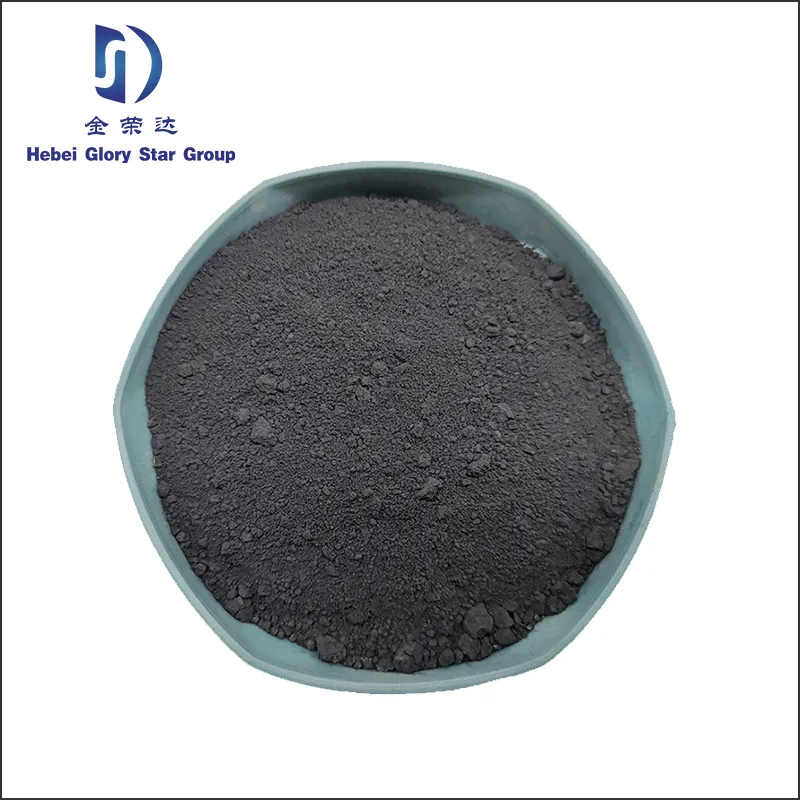
In the automotive sector, a specialized underbody coating manufacturer needed a pigment that could withstand extreme conditions, including salt spray, high temperatures, and mechanical impact, while also contributing to corrosion resistance. Our fine-particle black iron oxide was successfully incorporated, providing not only deep black coloration but also enhancing the protective properties of the coating, extending the vehicle's service life in challenging environments.
Quality Assurance, Certifications, and Authoritative Standards
At Glorystar Export, our commitment to quality and authority is unwavering. All our iron oxide pigments, including red iron oxide, are produced under stringent quality management systems and adhere to globally recognized standards.
- ISO 9001:2015 Certified: Our manufacturing facilities operate under an internationally recognized Quality Management System, ensuring consistent product quality and process efficiency.
- REACH Compliant: Our products comply with the European Union's REACH regulation (Registration, Evaluation, Authorisation and Restriction of Chemicals), demonstrating our commitment to environmental and human health safety.
- Adherence to ASTM & ANSI Standards: Our pigments are tested against relevant ASTM (e.g., ASTM D768 for Iron Oxide Red) and ANSI standards, providing objective data on performance attributes such as tinting strength, color, and oil absorption.
- Trusted by Global Partners: With over 15 years of service in the pigment industry, we have cultivated long-term partnerships with leading manufacturers in construction, coatings, and plastics across North America, Europe, and Asia, a testament to our reliability and product quality.
Frequently Asked Questions (FAQ)
Q: What is the primary difference between red, yellow, and black iron oxide?
A: The primary difference lies in their chemical composition and crystalline structure, which dictates their color. Red iron oxide is predominantly anhydrous ferric oxide (Fe2O3). Yellow iron oxide is hydrated ferric oxide (FeO(OH)). Black iron oxide is ferrosoferric oxide (Fe3O4). These distinct compositions result in their characteristic hues and varying thermal stability.
Q: Are your iron oxide pigments compatible with all binder systems?
A: Our iron oxide powder pigments are highly versatile and compatible with a wide range of organic and inorganic binder systems, including acrylics, epoxies, polyurethanes, and cementitious matrices. For optimal dispersion and performance, we recommend consulting our technical data sheets and conducting compatibility tests for specific formulations. We also offer surface-treated grades for enhanced compatibility in challenging systems.
Q: What are the typical lead times for bulk orders of red iron oxide?
A: For standard bulk orders of red iron oxide and other iron oxide pigments, our typical lead time is 7-14 business days from order confirmation, depending on quantity and destination. We maintain efficient inventory and logistics to ensure prompt delivery. Expedited shipping options are available upon request for urgent requirements.
Q: Do you offer samples for product evaluation?
A: Yes, we provide samples of our iron oxide powder products for client evaluation and testing. Please contact our sales team with your specific requirements, and we will arrange for samples to be dispatched promptly.
Lead Time, Warranty, and After-Sales Support
At Glorystar Export, we stand by the quality of our inorganic pigments and are committed to providing exceptional service throughout the customer journey.
- Lead Time & Fulfillment: We maintain a robust supply chain to ensure consistent availability. Standard lead times for iron oxide pigments range from 7 to 14 business days. For large-scale or custom orders, lead times will be communicated clearly during the quotation process. We offer flexible shipping options globally to meet diverse logistical needs.
- Warranty Commitments: Our products are warranted to meet the specified technical parameters and quality standards outlined in our product data sheets at the time of delivery. Any deviations must be reported within a stipulated period as per our terms and conditions. We are dedicated to resolving any product-related issues promptly and efficiently.
- Customer Support: Our expert technical and sales teams are available to provide comprehensive support, from initial product selection and sample provision to post-purchase technical assistance and troubleshooting. We are committed to fostering long-term partnerships through reliable service and responsive communication.
Conclusion
Red iron oxide, along with its iron oxide counterparts, remains a vital and irreplaceable pigment in industrial applications, offering an unmatched combination of color, durability, and cost-effectiveness. As B2B demands evolve towards greater sustainability and specialized performance, the continuous innovation in pigment manufacturing and application techniques ensures its enduring relevance. Glorystar Export is dedicated to supplying high-quality, technically superior iron oxide pigments, backed by expert support and a commitment to customer success. Partner with us to enhance your product formulations with the proven power of inorganic pigments.
References
- Smith, G. P. (2018). The Chemistry and Applications of Iron Oxide Pigments. Industrial & Engineering Chemistry Research.
- European Chemicals Agency (ECHA). (2023). Iron Oxide (REACH Dossier).
- American Society for Testing and Materials (ASTM). (2022). ASTM D768 - Standard Specification for Iron Oxide Yellow Pigment.
- International Organization for Standardization (ISO). (2020). ISO 1248: Pigments, dyestuffs and extenders — List of equivalent terms and symbols.
- Sigma-Aldrich. (2023). Iron(III) oxide (Red Iron Oxide) Product Information.
Post time: Sep-19-2025


.png "About")